Planting daffodil (Narcissus) bulbs is so easy that honestly, everyone should do it. Whether you’re new to gardening or have always had your hands in the dirt, you can easily grow daffodils. Here we explain when and how to grow daffodils to enjoy their cheerful colors for many springs.

When to Plant Daffodil Bulbs
The bulbs must develop a root system before the ground freezes. The soil temperature should be 12-15 degrees Celsius, which will cause the bulbs to root. If the weather is warmer, the bulbs may start growing leaves sooner than expected.
How to Plant Daffodil Bulbs
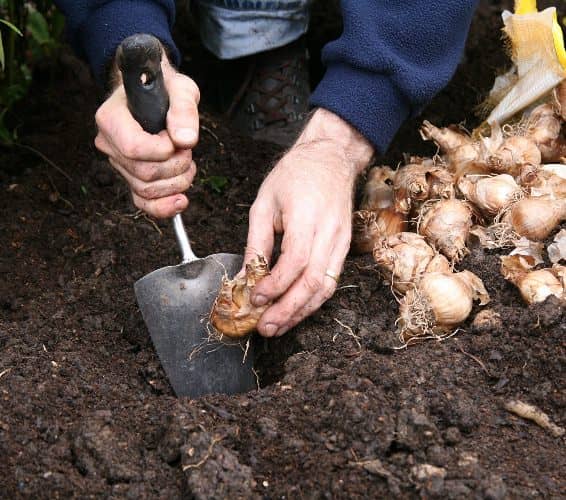
To ensure your daffodils receive full sun in the spring, plant the bulbs outdoors.
Give these bulbs the drainage they need by planting them on a slope (never in a place where water stands).
If there is no slope, there is no problem. Create good drainage in a flat area where you want to grow daffodils by digging a large hole about 8 inches deep and loosening the soil around it.
Plant the daffodil bulbs in groups of 10 with spaces of about 10cm between them to allow them to spread, then add new groups each year as you can.
If you want to grow daffodils in a pot, you can space them closer for a great show.
It is recommended to plant the bottom of the bulb at least 3 times deeper than the height of the bulb. For example, you need to make a hole 15 cm deep for a bulb 5 cm high.
Place the bulb in the hole or trench, point up. Mix 1 part of the compost with 3 parts of the soil you dug for planting the bulbs and use this mixture to fill in the holes or the trench. Gently tamp the filled soil over the bulbs and water thoroughly.
How to Transplant Daffodil Bulbs

Cut the flowers as soon as they fade, otherwise the plant will waste energy producing a seed pod.
The leaves will continue to feed the bulbs until the leaves turn yellow. At this point, you can cut off the stem and leaves and put them in your compost pile.
After 3-5 years, your daffodils may produce fewer flowers as they are packed closer together. Expand the space for your daffodils by dividing and replanting the bulbs once the leaves have died to the ground.
Dig up the bulbs with a garden fork, spread them out, separate the smaller bulbs from the main ones and replant them following the instructions above.
You can also save freshly divided bulbs until planting time in the fall. First, rinse the dirt from the bulbs and dry them in the shade for a week.
Then, place the dried bulbs in mesh onion bags or pantyhose and store them in a cool, dry place.
Replant them in your garden in the fall to help create a more colorful welcome in the spring.
Note: Do not separate the bulbs attached to the base; the smaller bulb (called the “daughter” bulb) should not be separated from the parent bulb before planting.
Daffodil Care
Light and watering
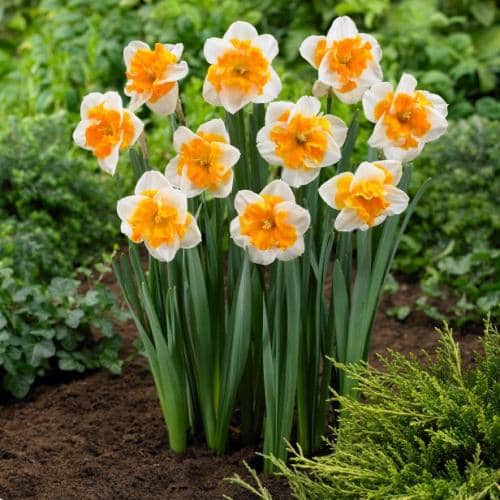
Although daffodils prefer full sun, they generally tolerate midday shade. Orange-, red-, or pink-crowned cultivars tend to retain more intense color if planted in a spot protected from afternoon sun.
Fall irrigation is essential for good root growth before the ground freezes in cold regions.
Be careful not to overwater during the summer months when the bulbs are dormant.
Daffodil bulbs do not survive in wet soil, especially in winter. Avoid low areas where water accumulates or snow is slow to melt in the spring.
Soil and compost
Daffodils can grow in somewhat poor soil, garden soil is enough for them to thrive, but it is also good to add compost and fertilizer from time to time.
The best time to add compost to the soil is in the fall when the bulbs produce new roots.
The ideal time to fertilize is early spring, just as daffodil foliage begins to grow from the ground. We recommend using a slow-release granular fertilizer formulated specifically for bulbs.
Plagues and diseases
Few, if any, pests bother daffodils. The bulbs and foliage are poisonous to most insects and animals, including deer and voles.
If you see vertical stripes on the daffodil leaves, dig up the bulb and throw it away, as it may be infected with a virus.
Keep an eye out for nearby daffodils for symptoms, as the virus spreads through contact.
Care of daffodils according to the season of the year
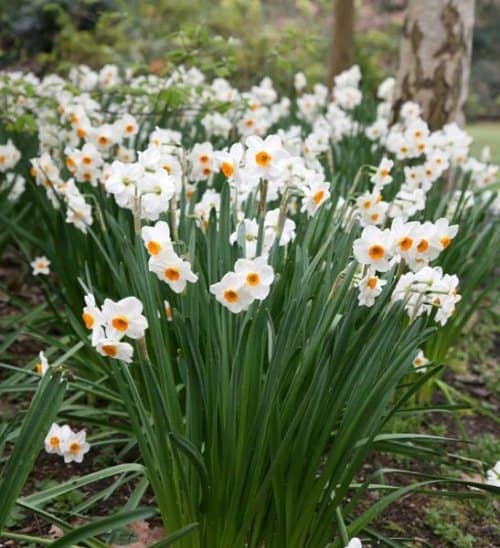
In early spring : Pay now if you couldn’t make it in the fall.
At the end of spring: Water if the season has been dry and prune old leaves as needed. Look for vertical lines on the foliage and remove and destroy any bulbs that show signs of virus infection.
Summer: Try not to overwater areas where daffodils grow. Let the foliage heal naturally without intervening.
Fall: Use a slow release granular fertilizer to feed the daffodil bulbs now.
Gently lift and divide the clumps of bulbs now. Remove dead foliage and cover the ground with branches or dry leaves before the ground freezes.
Water the bulbs thoroughly in the fall if rain is scarce.
Share it on the networks: