
If you purchase an item through links on this page, we may earn a commission. Our editorial content is not influenced by commissions. Read full disclosure.
Power loss is a regular threat on the farm. On top of that, many of us don’t have endless room in our freezers. What happens when we have a ton of meat from hunting or fall slaughter? There are many ways to preserve meat.
When you store meat without electricity, you need to preserve your meat. Otherwise, you’d end up with a cupboard full of rotten, smelly food.
The most common methods of preserving meat without a refrigerator are canning, drying, salting, dehydrating, and smoking, but we have many more ideas to come.

1. Dehydration
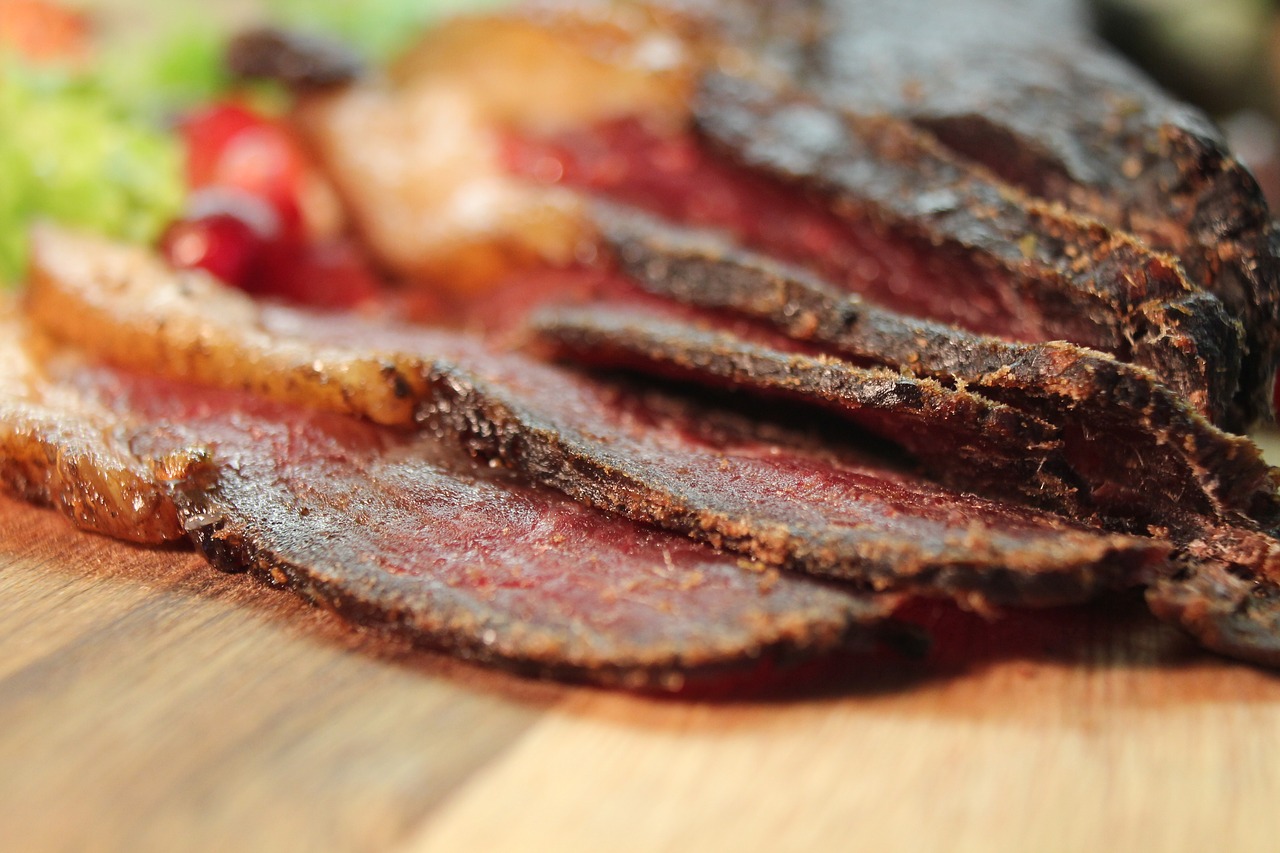
Dehydrating is great for preserving meat if you want to use as few chemicals as possible. The main purpose of dehydrating is to suck moisture out of the meat, so there is no chance of microbial action. Even though the moisture is removed, the flavor is still strong and delicious.
To dehydrate your meat, you will need to cut the meat into chunks or slices. Traditionally, people left the meat to dry in the sun, so the nutrients remained but the moisture evaporated.
Before drying your meat, cook it to an internal temperature of 165°F to kill any pathogens. Then you can dry it. The ideal temperature for dehydrating is between 130-140°F and can take up to six hours. Use a food dehydrator or your oven if it can get that low.
Dehydrating is simple and economical and can be used for large quantities of meat if you have the space.
2. Pemmican
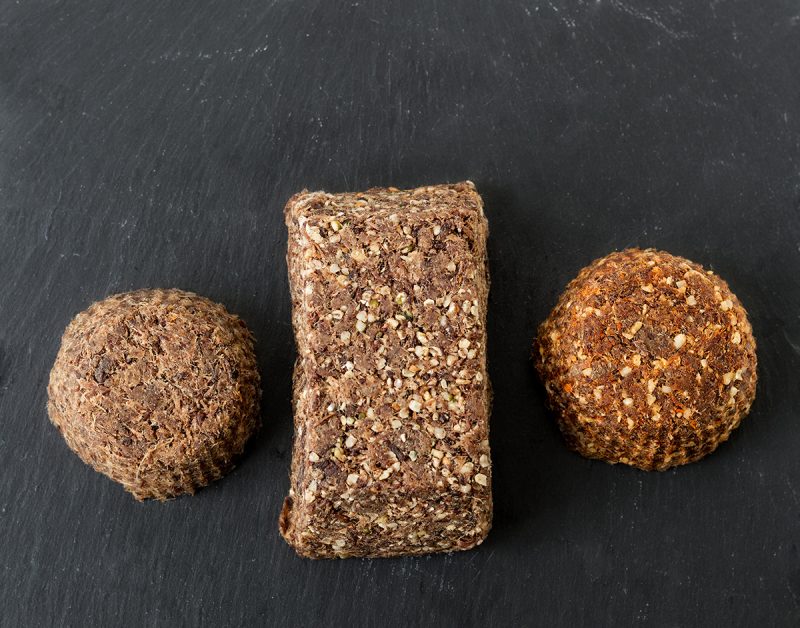
Pemmican is a method of preserving meat that has been used for centuries by cultures such as Indigenous peoples, polar explorers and the military. This method of preserving meat is perfect if you need something quick that you can take for a hike or camping.
Pemmican is full of flavor, very nutritious and easy to store, making it an ideal choice for farmers who don’t have access to electricity.
The first step in preparing meat for pemmican is to remove the fat from the meat and dehydrate it. To prevent the meat from hardening, you need to dry it at a low temperature.
After that, grind the meat into powder and melt the fat. Mix the fat with the dried meat powder. Blend dried berries like blueberries into a healthy meal. Once you’ve mixed the jerky, berries, and fat, pour it onto a tray and wait for the pemmican to firm up.
You can store pemmican for quite a long time, but place it in a cool, dry place. It’s the perfect snack for long days in the field or hiking.
3. Salting
Do you have salt in your cupboard? Then you don’t need anything else to keep the meat fresh without electricity.
Salt is one of the basic ingredients used in curing meat because it helps prevent the growth of microorganisms. Quickly salt your meat, covering the entire surface with half an inch of salt and leave it until the juices have evaporated.
Salt ham, roasts and shoulders with salt at a temperature of 35 to 50°F. The larger your piece of meat, the higher the temperature should be.
When cooked, cured meat should be matte and dry to the touch. He should lose about 35% of his weight.
4. Canning

Canning is another great method of storing fresh meat if you don’t have electricity, and people have been using it for years as an alternative to electric storage. All you need are sterilized canning jars and a pressure cooker.
The simple steps for canning meat are to cook the meat, then fill the jars and seal the lids. Place the jars in a pressure cooker and cook for the time recommended by the pressure cooker.
5. Biltong
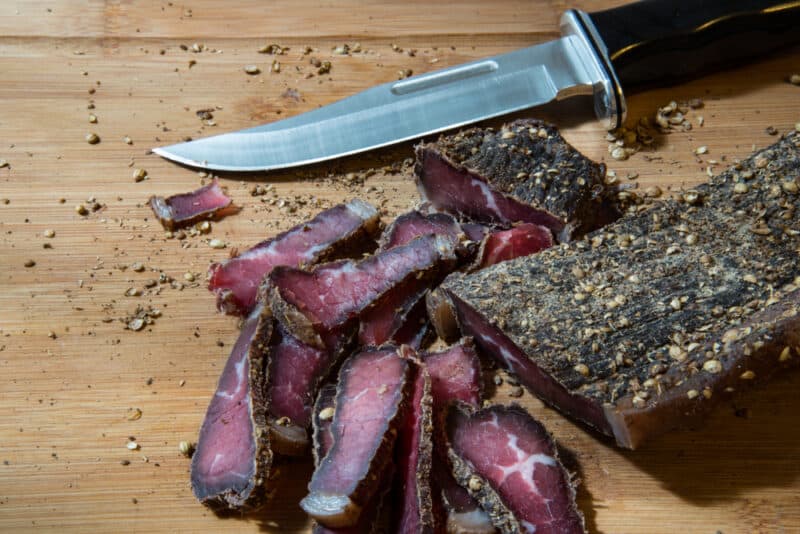
South Africa has been making biltong for years. It differs slightly from other preservation techniques, such as canning or salting. At first glance, most people think it’s jerky, but the method of creating biltong uses vinegar and then air drying.
For extra flavor, you can add herbs and spices like black pepper, cloves, brown sugar, or rock salt. You can also make the biltong oilier or crumbly, depending on your taste.
To make it, you must first salt the meat and then place it in vinegar to harden it. Then you spice it up and hang it to dry.
The end product is ideal for people looking for a low carb diet or a quick snack during gardening chores. Bring it for a hike or grab it as a snack for lunch between planting or tending to your garden.
6. Preserve with lard

Lard is an excellent resource for preserving fatty meat. To preserve your meat this way, gather a slow cooker, lard, and chunks of meat.
Once you have the ingredients and tools, you can place the meat in the slow cooker and cover it with lard. Thus, you don’t need to invest a lot of money in tools or resources; it will keep your meat fresh and clean for consumption.
There are a few techniques you can use:
1. Confit
Confit is a common method originating in France for preserving food, such as meat, fruits and vegetables.
To preserve, the meat is generally salted and then cooked at low temperature so that it melts. This leaves you with wonderfully moist meat that can keep for months.
2. Rillettes
Before the invention of the refrigerator, rillettes were one of the standard methods of preserving meat and keeping it fresh for later. You can create rillettes by slowly cooking the meat in its own fat. You will need to cook the meat for up to 10 hours over low heat.
Then you need to shred it, add salt and pack it in small jars. Cover with a little fat that has cooked during cooking or with fat like lard.
3. Terrine
This method results in a soft, slightly chunky product that you spread on bread or use in various cooking recipes. To make a terrine, which is named after the rectangular pan in which you cook it, chop all the ingredients and mix them with the spices. Cover with fatty meat like slices.
Roast everything in the terrine that you will place in a saucepan filled with water. Cool it for 24 hours in the refrigerator. Generally, you can store it for up to about a month, although it is recommended to store it in the fridge unless you decide to store it.
7. Smoking meat
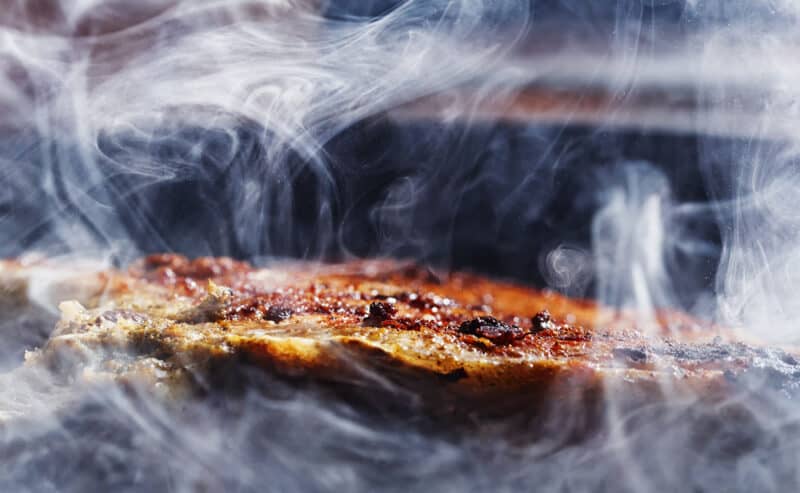
Sometimes the simplest solution is the most obvious. Not only is smoking great for preserving meat, it smells divine while you’re doing it.
If you ask 100 people what is the best way to smoke meat, you will get 100 different answers. The fundamentals are to create smoke to flavor the meat and to cook for a long time at a low temperature.
Some people use fancy smokehouses, some have smoking huts, and some just use the barbecue.
Was this article helpful?
Yes No ×
We appreciate your helpful feedback!
Your response will be used to improve our content. The more feedback you give us, the better our pages will be.
Facebook pinterest