
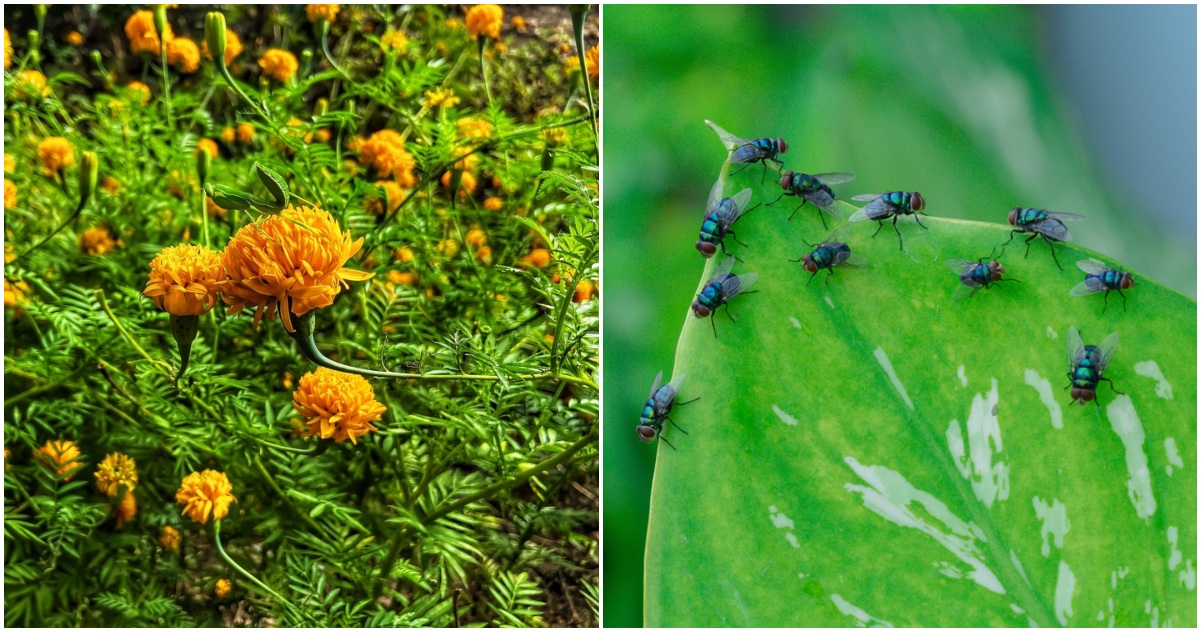
Summer is the season to eat outdoors, enjoy the heat and the sun while sharing a meal with loved ones. Few things can spoil this beautiful image, except for one annoying insect that has plagued us all season: flies.
Flies are actually wonderful insects that play many roles in protecting the environment. They break down organic matter, attack other insect pests in the garden, and attract wildlife to our gardens when they act as prey. Unfortunately, that doesn’t change the fact that they can be incredibly annoying, especially in hot weather.
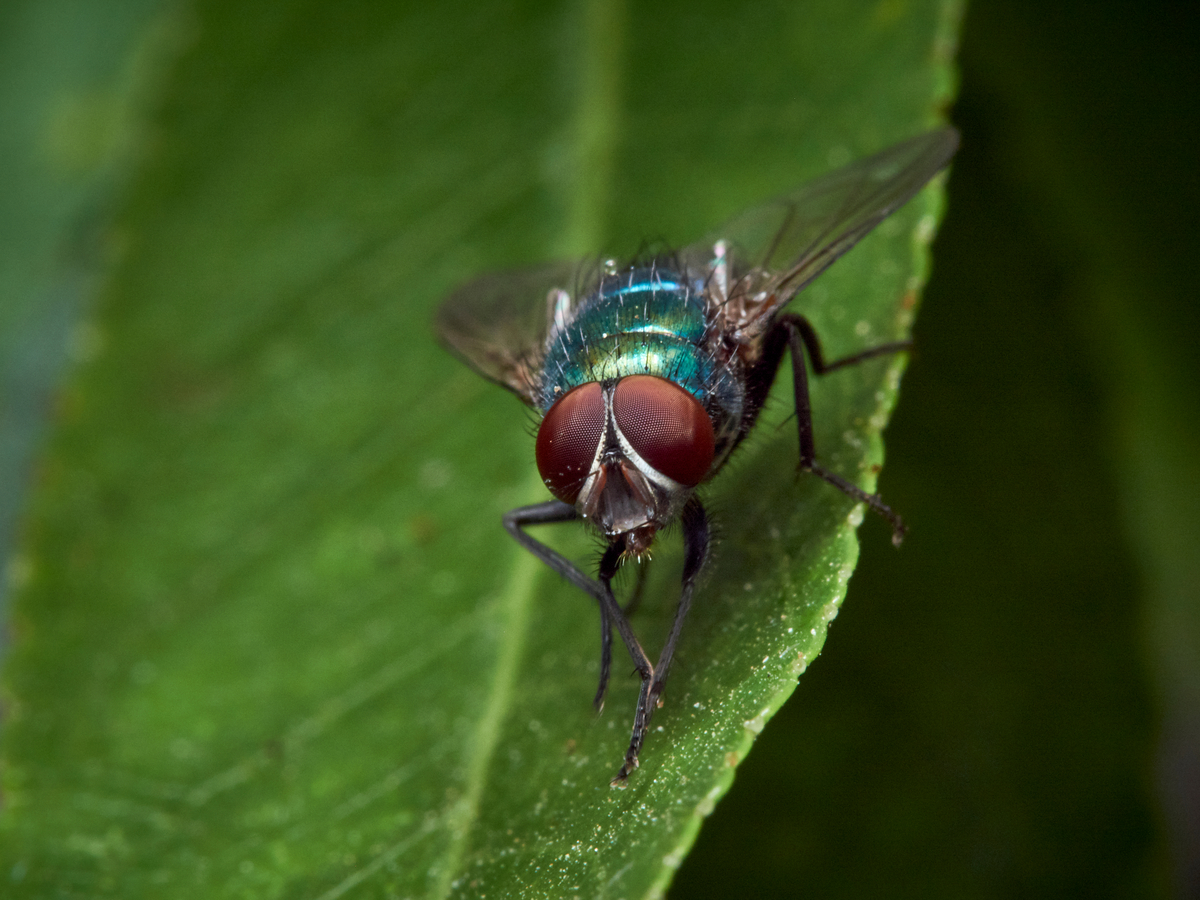
But you don’t need to get out the fly swatter to fight these insects. Instead, go all-natural by planting and harvesting any of these nine plants said to repel flies while beautifying your garden.
Lavender
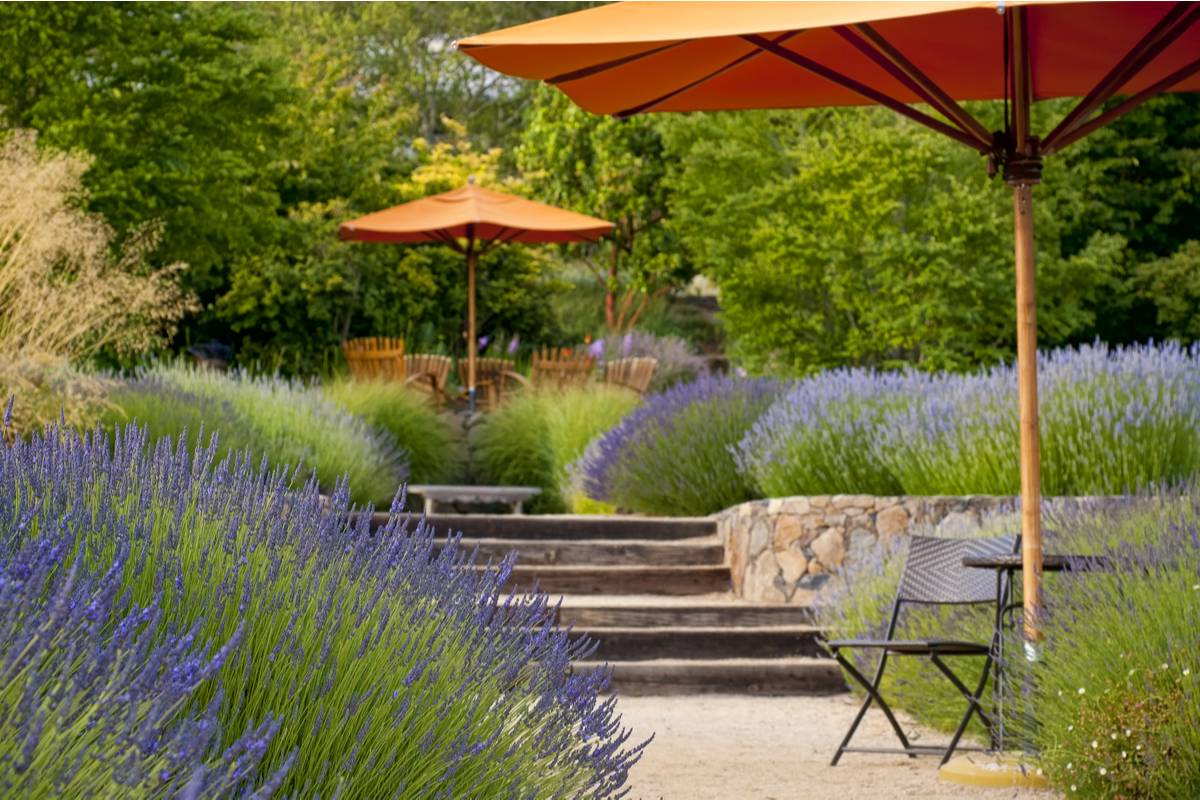
One of the most popular ornamental plants in the world, lavender is a crowd (and personal) favorite. Not only does it produce beautiful purple flowers that add a Mediterranean flair to any garden, but it also has an amazing fragrance that everyone will instantly fall in love with.
Well, almost all of them.
That sweet smell we gardeners love, flies despise. The strong scent of lavender flowers and leaves will repel flies, as well as some other unwanted insects. The key is lavender oil. Whether you extract this oil or simply pick the flowers and place them around your home, you can be sure that the insects will no longer bother you.
Keep your lavender in a sunny location to get as many blooms as possible to harvest. Plant in well-drained soil in a dry location to avoid rot. In fact, lavenders are one of the few plants that do better in poor quality soil, making them perfect for the trickier areas of the garden that you can’t seem to fill in.
Rosemary
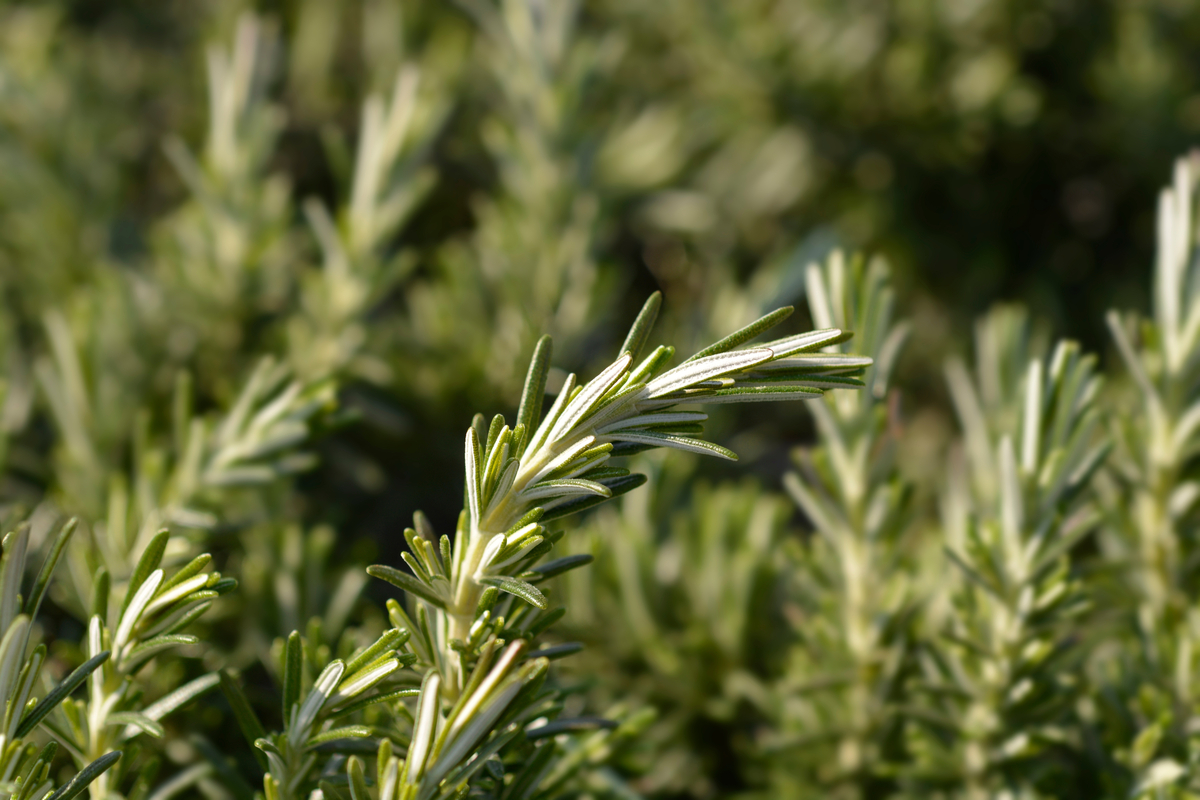
Often confused with certain varieties of lavender due to their similar foliage, rosemary is another great candidate for repelling pests. Flies dislike its strong smell and stay away from areas where rosemary is planted or stored. Luckily, that smell and flavor makes them perfect for cooking.
A few sprigs of rosemary placed around your outdoor seating area are a great way to ward off flies large and small during family gatherings or entertaining. If your kitchen is the problem, consider growing an entire plant inside your window. As long as there is plenty of direct sunlight and low humidity, growing this weed indoors shouldn’t be a problem.
Outdoors, rosemary likes conditions very similar to lavender. They are hardy plants that can grow into large flowering shrubs with proper care. Or shape them into a low hedge to use them for both form and function.
Basil
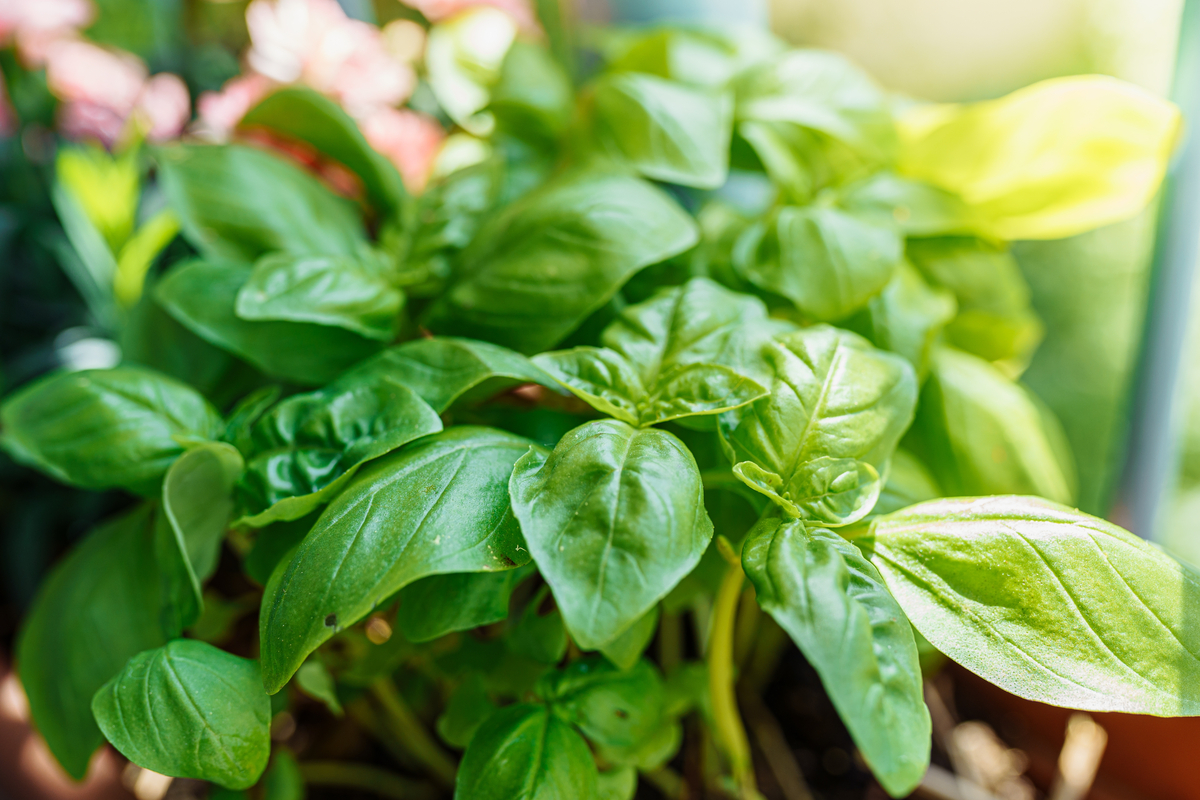
The most effective herb for repelling flies is usually basil. This foliage plant has many uses in the kitchen and around the house, including insect repellent. The oils released by the succulent leaves have a strong earthy scent that repels a variety of indoor and outdoor pests, including flies.
Having a basil plant in the kitchen is the easiest way to take advantage of these opportunities in your home. Unfortunately, basil is one of the most difficult herbs to keep alive and thrive indoors.
Instead, grow them in a container or planter near your kitchen to protect against insects that might come through your windows. You can also extract the oil and use it to make your own family-safe bug spray.
Basil is a moisture lover that needs plenty of water to thrive. Don’t let the soil dry out and place them in a sunny spot to get the most out of your plant’s foliage. Prune frequently to encourage branching, which will make the basil bushier.
mint
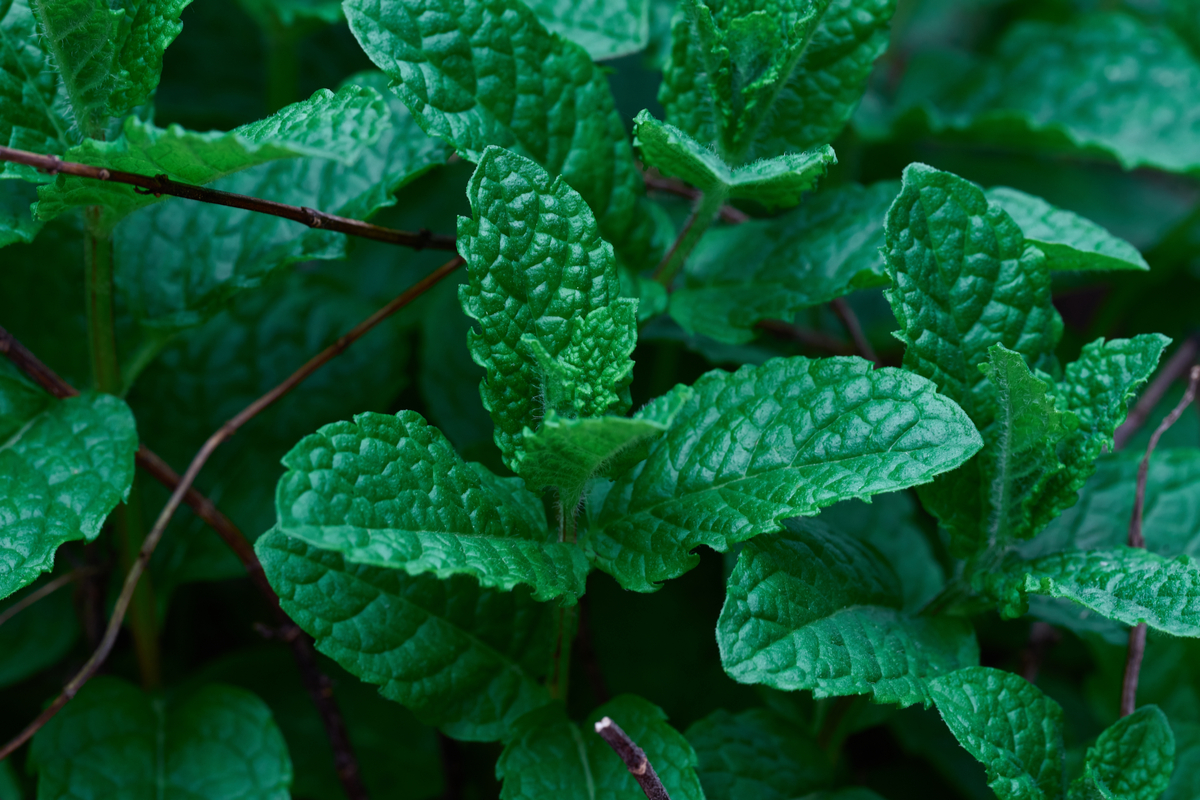
It’s hard to think of anyone who doesn’t like the smell of mint. It’s fresh, delicious, and each of the different types has a slightly different flavor to stimulate the senses.
As much as we love this bright, strong scent, flies and other pests absolutely hate it. The oils in every part of the plant, from stem to flower, repel many insects and even some small rodents.
These benefits are strongest when the leaves are fresh, but they also work when they are dry. Cut a few stems from the plant, hang them upside down, and store them in your kitchen and cupboards to keep flies out.
If you have trouble keeping herbs alive, mint is definitely the way to go. This plant is so easy to grow and spreads so quickly that it can become invasive if left unchecked. It is best to keep potted mint in a vegetable patch to control its growth. They are also ideal for growing indoors if you have a bright windowsill.
pennyroyal

A member of the mint family, mentha pulegia it is a wonderful garden plant that acts as an insect repellent. The smell of mint also repels flies and small rodents. But unlike mint, this herb is inedible and toxic to the liver, causing a host of problems when ingested.
For this reason, it is best kept in the garden to repel flies rather than bringing them in. It also has invasive tendencies and should be kept in a pot. You can containerize this plant in your garden to keep unwanted insects, including flies, away.
Keep pruning to make sure the stems don’t reach the ground, as they spread quickly once they hit the ground.
catnip

Cataria nepeta is another easy to grow herb with a fast growing habit. Famous for its ability to attract cats, it’s equally powerful in keeping pests away from your home. The same powerful oils and scents that cats love repel flies, making them ideal plants for lining walkways and framing doorways in your home.
Catnip is an incredibly tolerant plant, requiring little water or fertilizer to grow well. As long as they have a sunny spot and enough heat all year round, they will thrive. Related to mint and pennyroyal, catnip is another spreader best kept in a jar.
Laurel
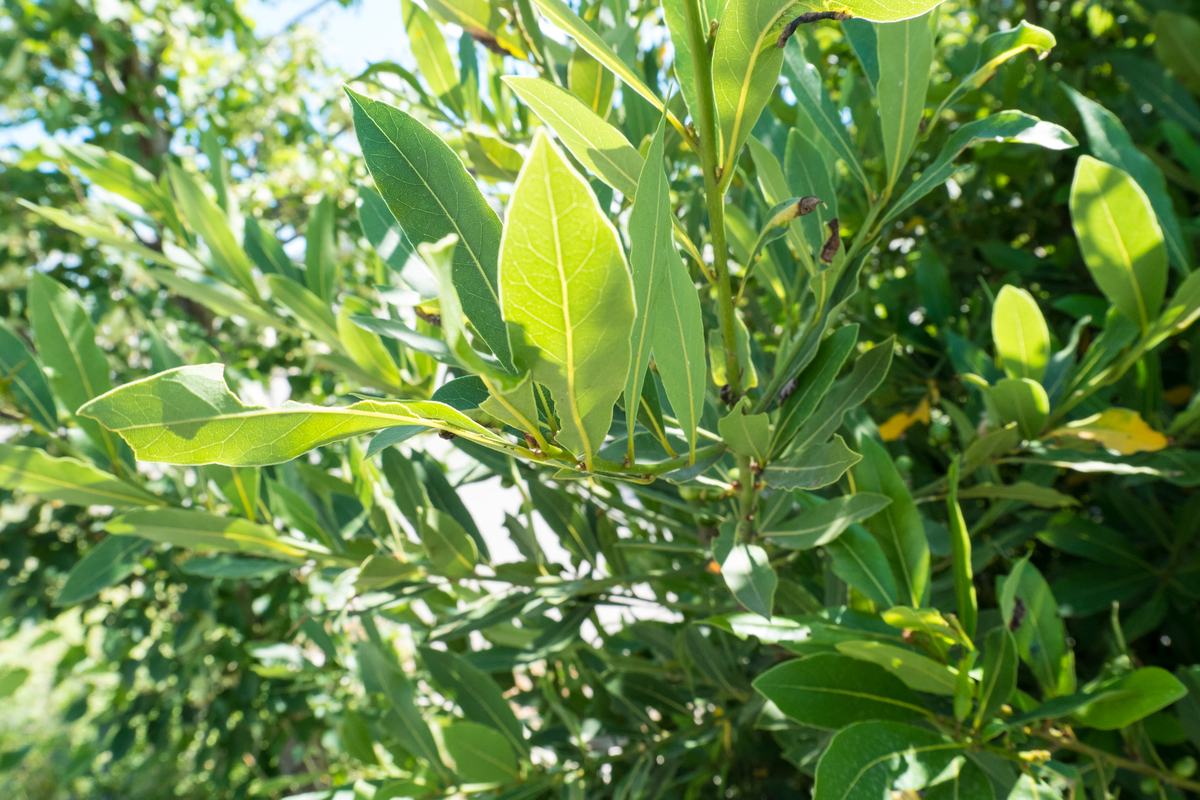
To grow an entire hedge of plants designed to keep pests away from your garden and home, look no further than the bay. Also called sweet laurel, this shrub has an upright habit with pretty yellow flowers.
Planted close together and in full sun, the laurel will create an almost impenetrable wall that keeps flies away. In the kitchen, they can also be used to keep flies away or thrown into kitchen cabinets to keep weevils out.
To make them even more useful, these aromatic plants are used in various cuisines around the world for their intense flavor. Add a leaf or two to your pasta, chili or curry sauce for added flavor by simply removing the entire leaf once the dish is ready. You can also use them as a fragrant garnish to decorate dishes.
Magnificent
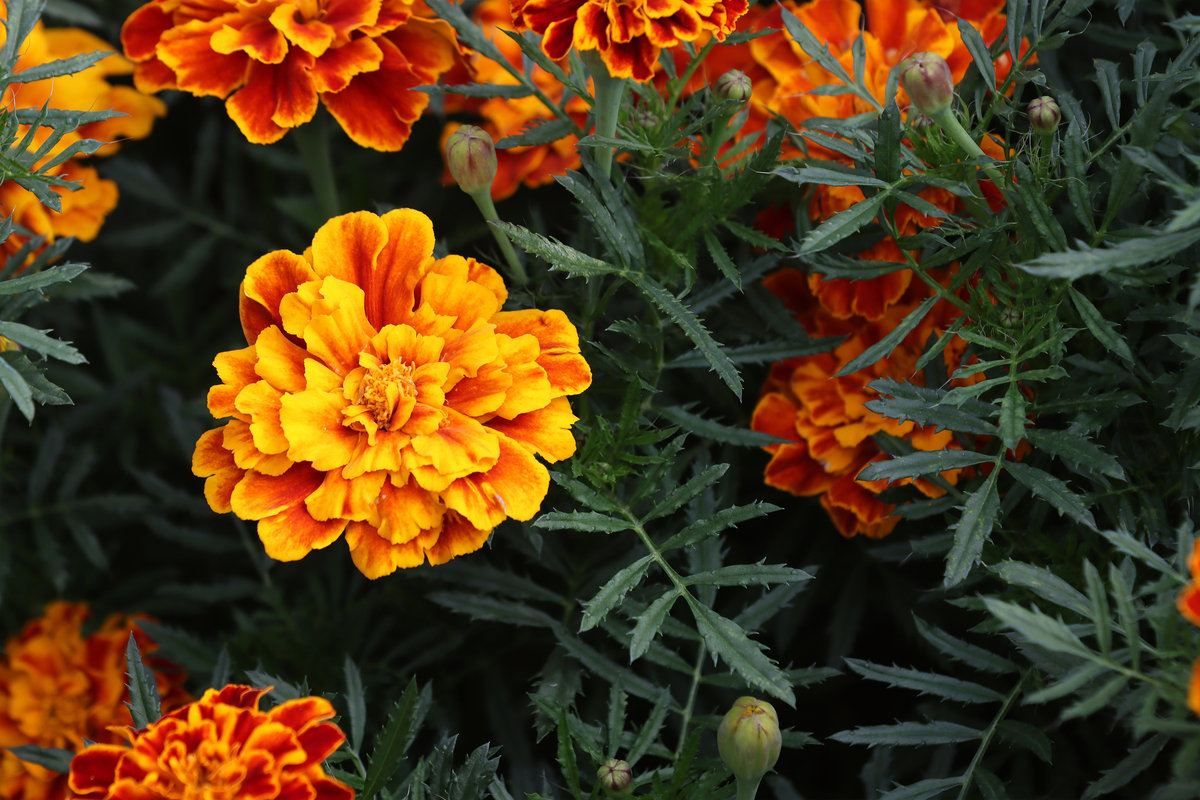
Marigolds are incredibly versatile plants and one of the best companions in the garden. Its cheerful orange flowers are sure to put a smile on your face and can also be used as an edible garnish for salads and desserts. But where the marigolds really shine is in pest prevention.
Scientifically proven, marigolds have been shown to ward off a number of garden pests, including whiteflies. The flowers can be used to make an insect repellent spray that can be brought indoors, or you can grow them as a cut flower, pruning the flowers and placing them in a vase to keep flies away.
These plants only need warmth and lots of sun to thrive. Keep them well watered after planting and once established they will be happy to be watered with the rest of your garden. They make excellent container plants, but do better outdoors than indoors due to their high light requirements to thrive.
Wise

Sage isn’t the first herb that comes to mind for use in the kitchen. But if you want to repel flies indoors and outdoors, this is not something to be overlooked. Its beautiful hairy gray leaves make great leaf contrasts in the garden that retain their earthy scent even when dried. In fact, drying and burning these leaves is one of the best ways to keep flies away.
Burning sage is also known as smudge and is believed to clear negative energies from spaces. The leaves are dried, bundled and set alight to release their strong aroma and fill any room with their herbaceous scent. You can even use them in your outdoor dining area just before a meal to prevent possible flies from settling there.
If burning sage doesn’t appeal to you, you can simply fill a container with the dried leaves and place them wherever you like so they don’t fly around. Combine it with unscented rosemary to double the olfactory and antiparasitic properties.
Flies can play an important role in the environment and life cycle, but that doesn’t mean we want them in our homes or gardens for long periods of time. Use one of these pretty plants to keep them out of your driveways and out of the house. Moreover, many of them are also useful in the kitchen.