
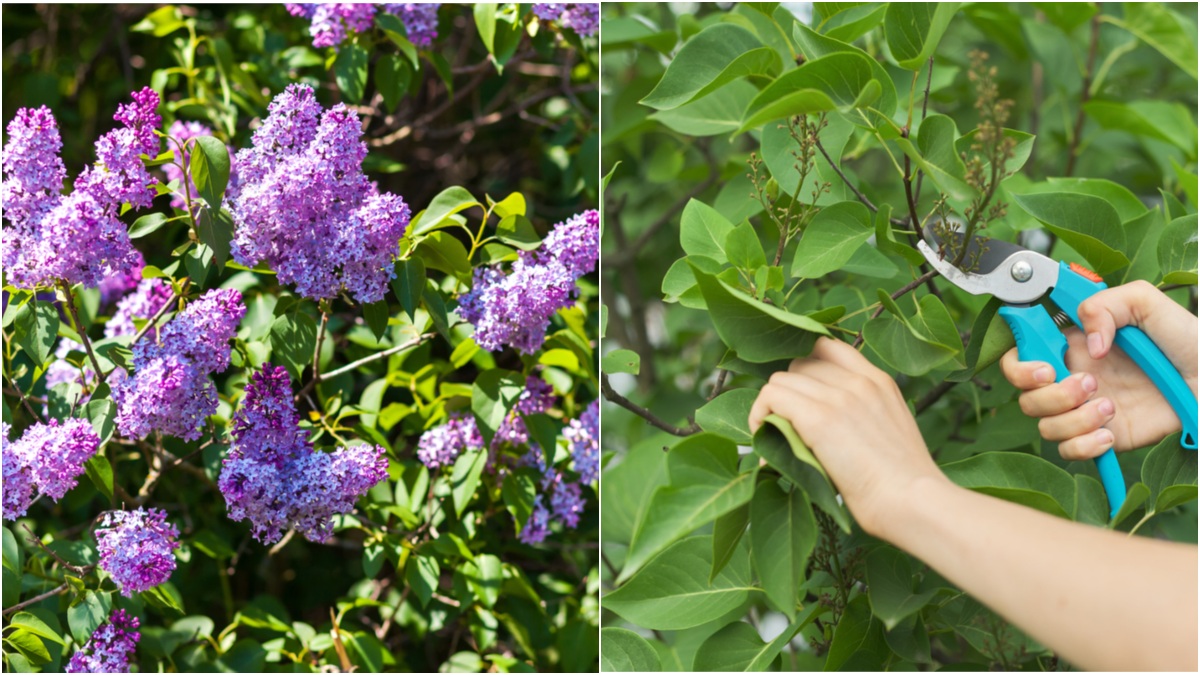
Gardens enchanted by the phenomenal smell of lilacs in spring. What better way to quickly break the winter flower?
Knowing how and when to prune your lilacs will give you beautiful blooms year after year.

They are moderately slow growing with best full sun performance in rich neutral to alkaline soils.
Although these succulent shrubs take a few years to start, they reliably produce lush plumes of lilac for years, sometimes generations.
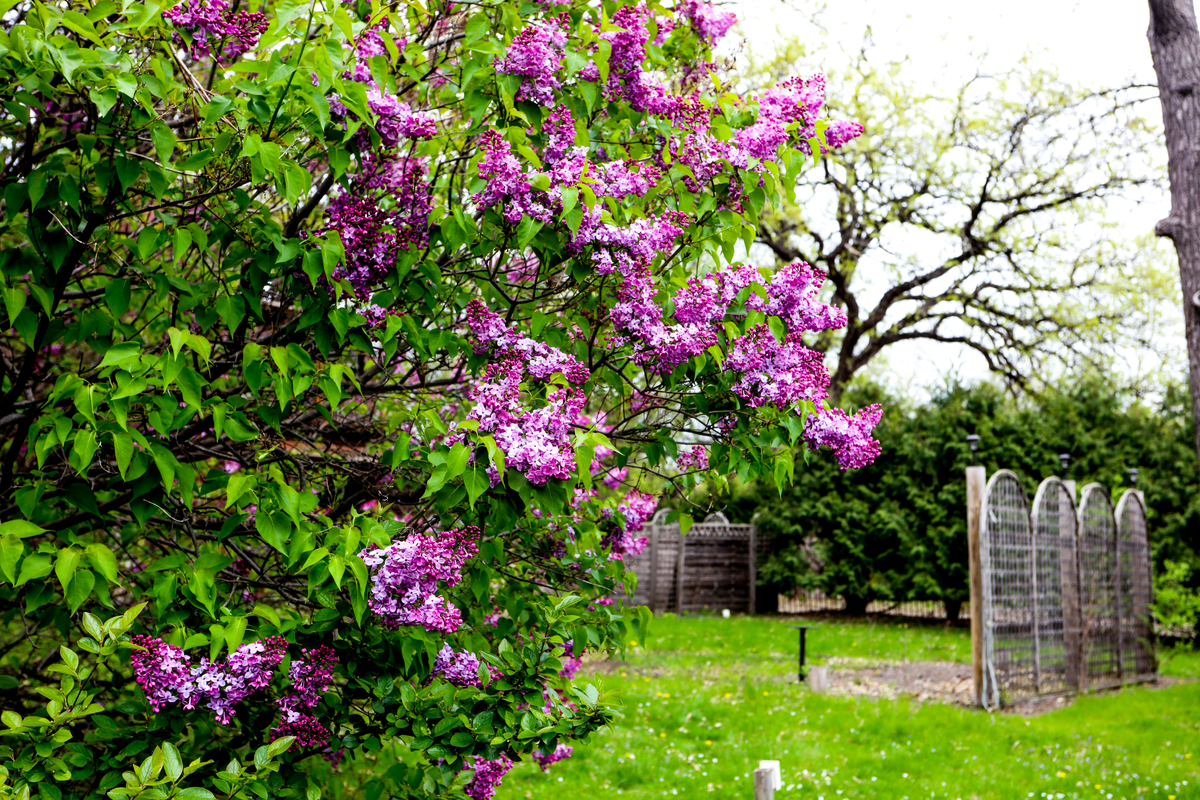
Even left alone, lilacs will participate in their seasonal fragrance festival, but there are a few tricks to maximizing flower production.
the sweetness of spring
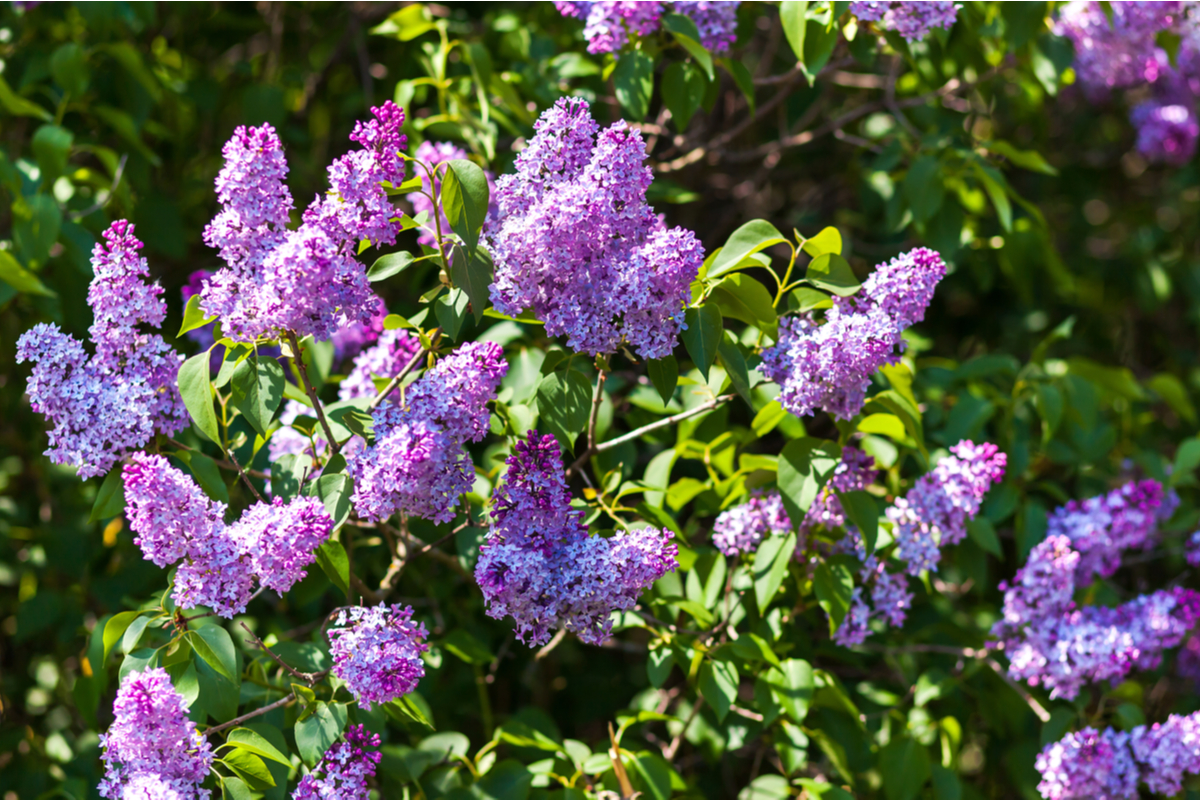
Lilacs are a multi-stemmed shrub of historical beauty that blooms in early spring in last year’s wood.
This means that lilacs will start forming blooms next year just after their deliciously fragrant blooms begin to fade.
Have a nice meeting* Prune lilacs only after they bloom to avoid eliminating next year’s blooming fragrance festival.

Many factors can affect the spring bloom of lilacs, including weather, humidity, and plant and soil health. Keeping this in mind when protecting next year’s flower buds in summer and fall will result in masses of beautiful lilac blooms.
Pruning the lilac Step #1:
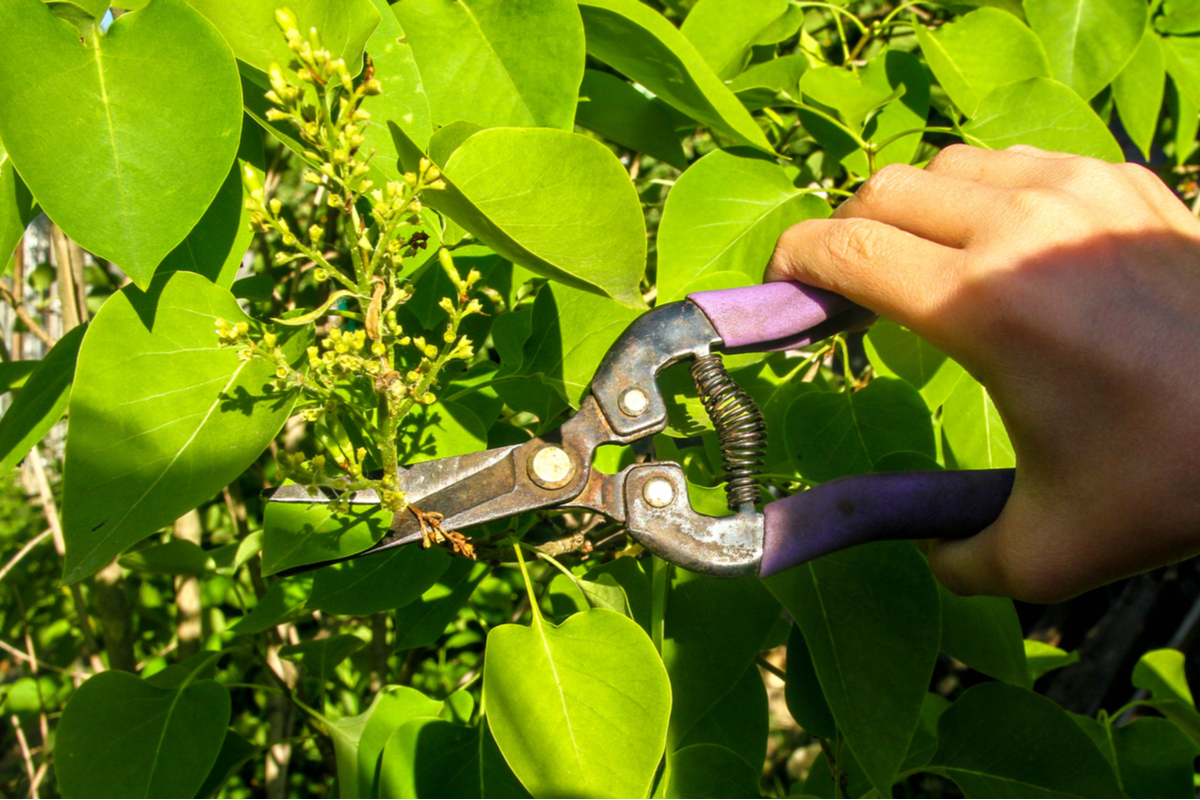
Harvest clumps of lilacs with a pair of pruners for beautiful bouquets and craftsmanship. Cut the lilac stems just above the next non-flowering leaves. Next year, each of these buds will bloom.
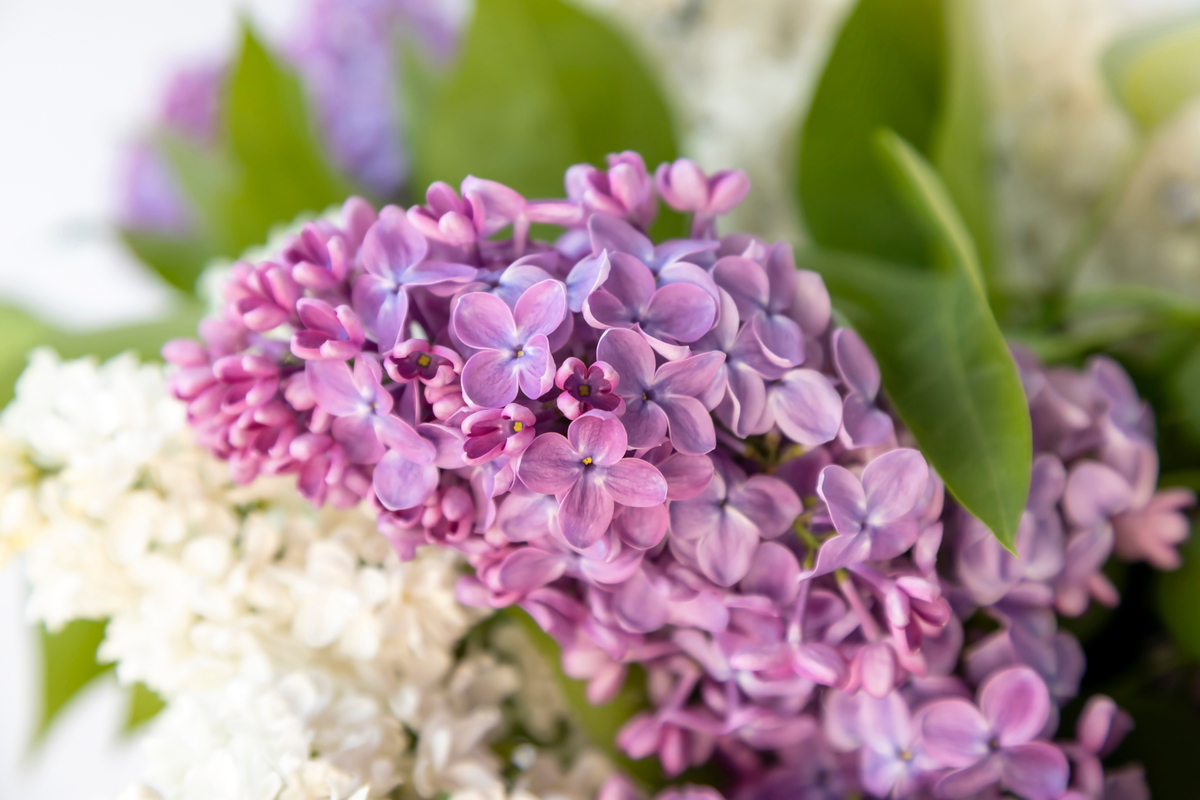
bountiful spring harvest
Bring spring indoors with bouquets of fragrant lilac bouquets.
Not only will it fill every vase you own, but it will also motivate your lilac to give you even more blooms next year!

How to make your lilac bouquets last
- Choose panicles with ¾ of the flowers open.
- Harvest early in the morning and immediately place in clean, fresh, cool water.
- Remove all the leaves. If you want the leaves to be green in your bouquet, simply separate them from the flower stems.
- Lilac clumps will wilt in direct sunlight, so place them in a cool place away from direct light.
More use of lilac flowers
Lilac flowers are surprisingly edible and have many medicinal benefits as well.
The seductive scent of lilac can be added to tea or infused with honey, oil or vinegar for an even higher level of elegance.
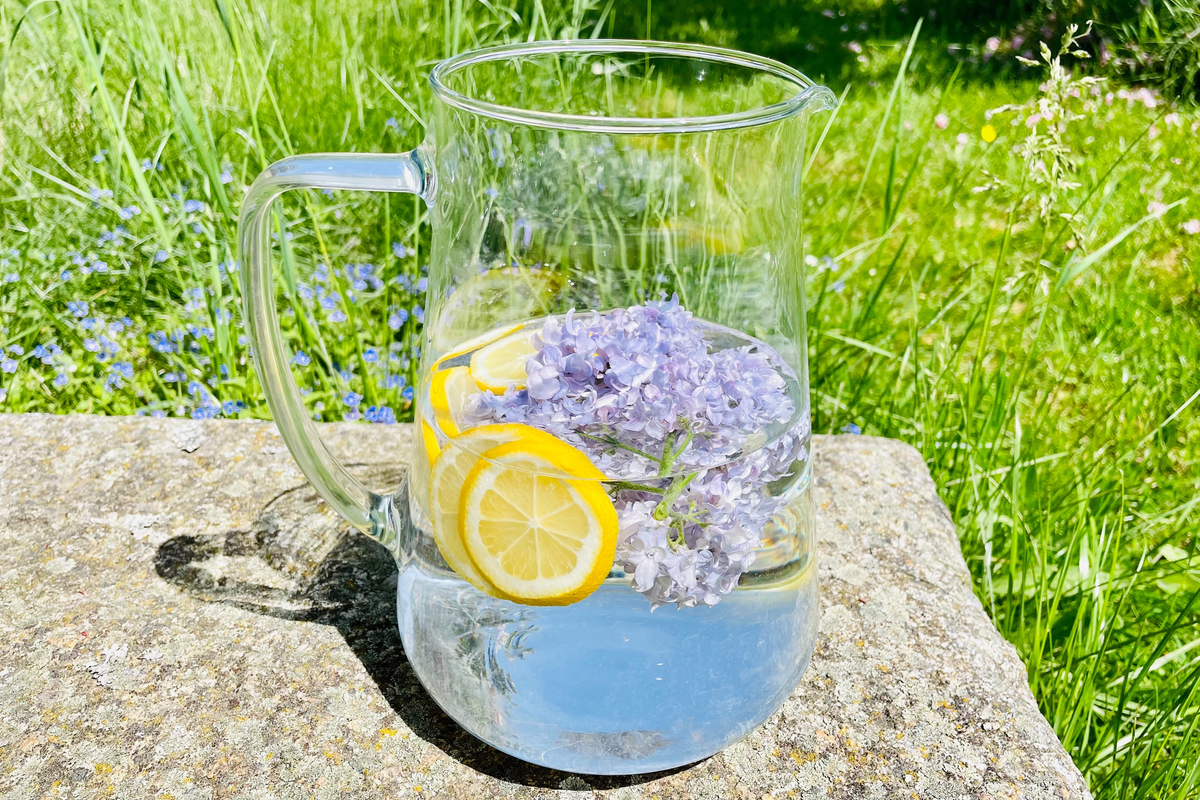
The tiny, flawless lilac flowers, methodically removed from the stems, are wonderfully dried to decorate salads or desserts.
The flowers retain their color and fragrance when dried in a cool, dark place with excellent air circulation.
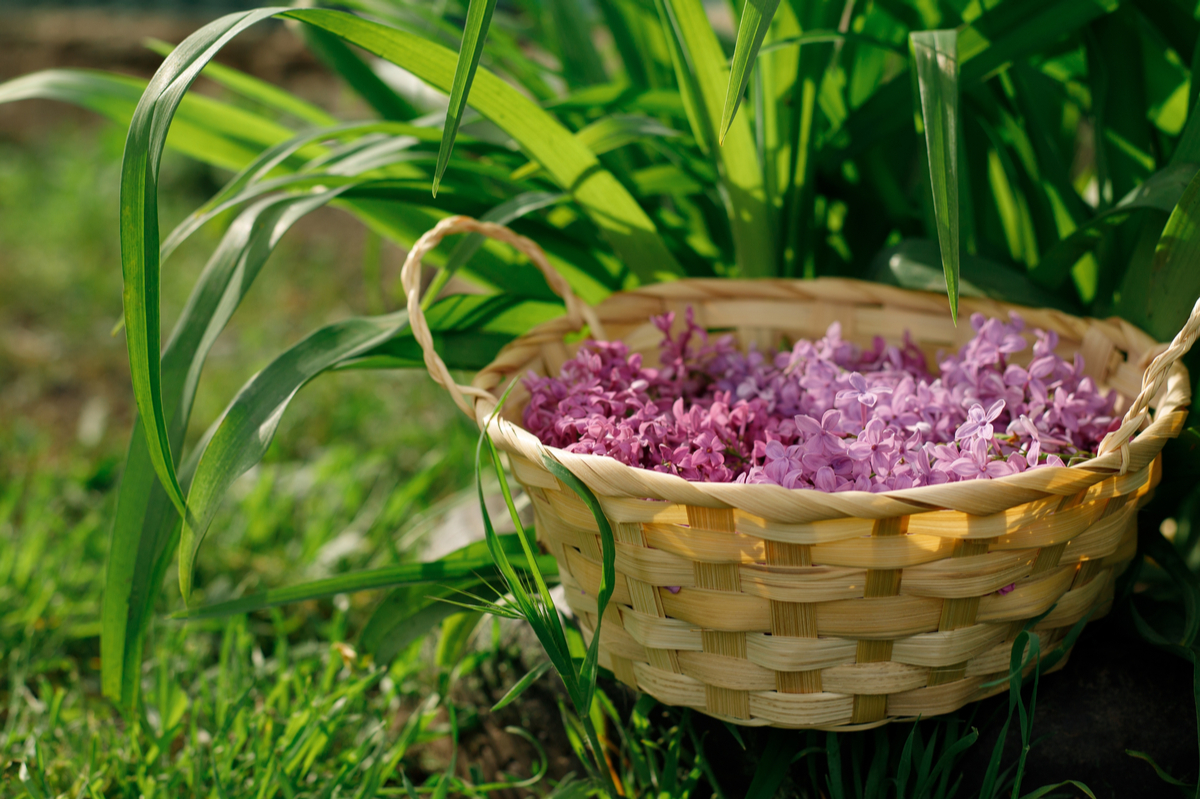
Used in skincare, lilac water imparts an invigorating floral scent that can reduce inflammation and minimize signs of fine lines.
Pruning the lilac Step #2:
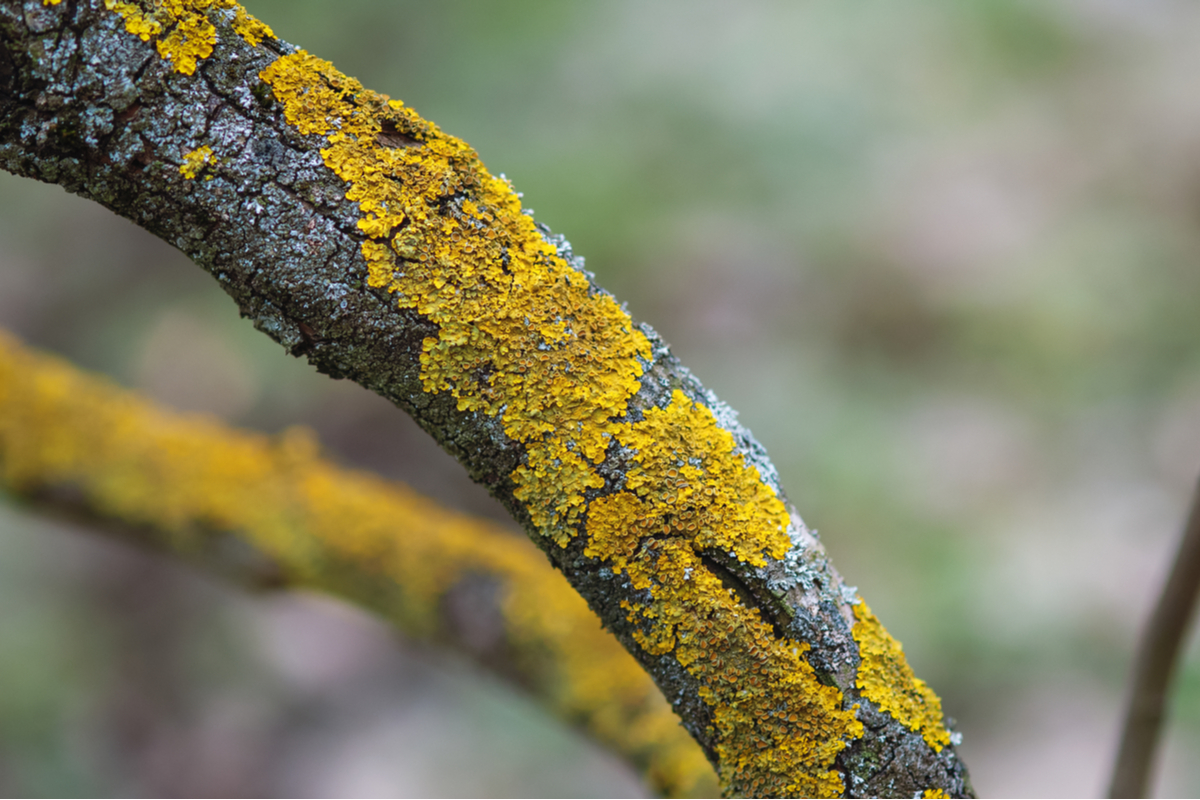
Trim old wood with a diameter greater than 5 cm.
Thick old wood becomes less productive. Pruning promotes vigorous shoots for large, profuse blooms. Lilac wood is hard. Use pruners or a handsaw to make the job easier.
A modern take on a historic favorite
Through decades of dedicated cultivation, many lilac cultivars have achieved a politely compact size and shape.
These hardy shrubs can be found in suburban and urban landscapes and are generally easier to care for.

However, most lilac varieties have strong sucking habits, an advantage for filling space and spreading more lilac bushes.
Regardless of the lilac variety, young shoots ½ to ¾ inch thick are usually the most productive.
Pruning the lilac Step #3:
Observe your bush from all angles. Trim diseased, dead or damaged wood. To improve air circulation, remove any remaining dead flowers, as well as spindly, unproductive buds. Look for inward-crossing branches and remove them to allow outward-facing branches to grow unobstructed.
Pruning lilacs – Annual maintenance
Lilacs have a slow to medium growth rate and generally do not require pruning for the first 3-4 years as they become established.
Even after all the bouquets of fragrant bunches of lilacs, the flowers can still remain.

You may choose to remove any remaining faded lilac flowers. This will improve air circulation and direct the plant’s energy to the next year’s buds.

Do your maintenance pruning once the flowers have finished blooming.
This is also the best time to shape your lilac bush and reduce its size by no more than 1/3 if desired.
How to rejuvenate an old lilac bush
A long-lived favorite shrub, the common lilac (vulgar syrinx) It has a useful life of over 100 years.
You can find forgotten, overgrown lilac hedges at the edge of an overgrown field. A timeless reminder of the long gone farmhouse and the generations that may have lived there.

Older lilacs are usually only productive on the outer ends of branches that have a lot of dead or damaged wood in the plant structure.
Tackling one of those giant 20 or 30 foot bushes will take some serious thought!
There are three ways to choose in this situation.
- Leave it like that. If the lilac is not a threat or an obstacle, you may be able to let it continue its annual flower feast.
- Carry out archaeological pruning. Discovering the rich, ancient, twisted branches is a labor of love that could breathe new life into one of these historic lilac finds.
- Prune the massive bush. The rule of thumb for shrub pruning is to remove only 1/3 of a shrub at a time. Rejuvenating the lilac to its formal glory may take a few seasons, but you could have significant garden property established in the future.

Even if you are lucky enough to have your own lilacs, be sure to seek out a lush and luxurious lilac festival in your area.

2022 is the Year of the Lilac according to the Office National des Jardins. Celebrate the richly fragrant lilacs of this spring.