
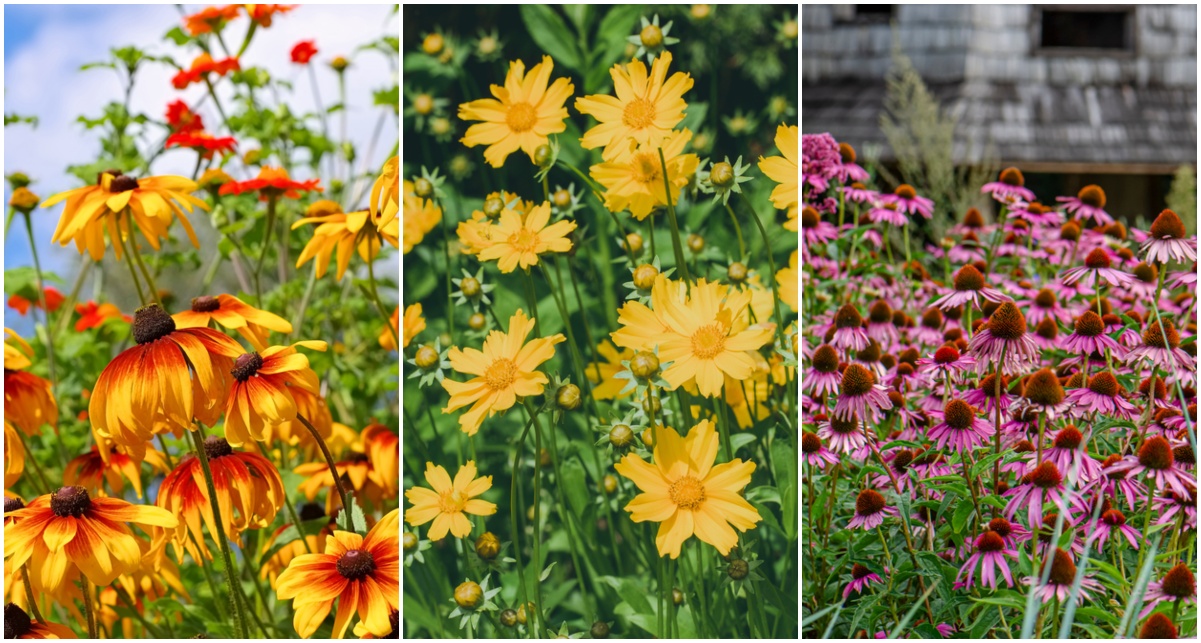
Gardening is like a science, and you need to know which plants do best in full sun, part shade/sun, and full shade. If you are looking for plants in your garden that will last more than two years, it is best to choose perennials.
Perennials can turn a dull garden into an oasis for butterflies and bees, usually blooming in spring, summer or fall, with select blooms in winter.
Most perennials start growing in spring through summer and die back in the fall. Some are evergreen, but those are just a few.
If it’s a garden that gets direct sunlight, you’ll need to know which perennials are best suited for that environment. So what are the ten best perennials for a full sun garden?
1. Cover flower (galliard)
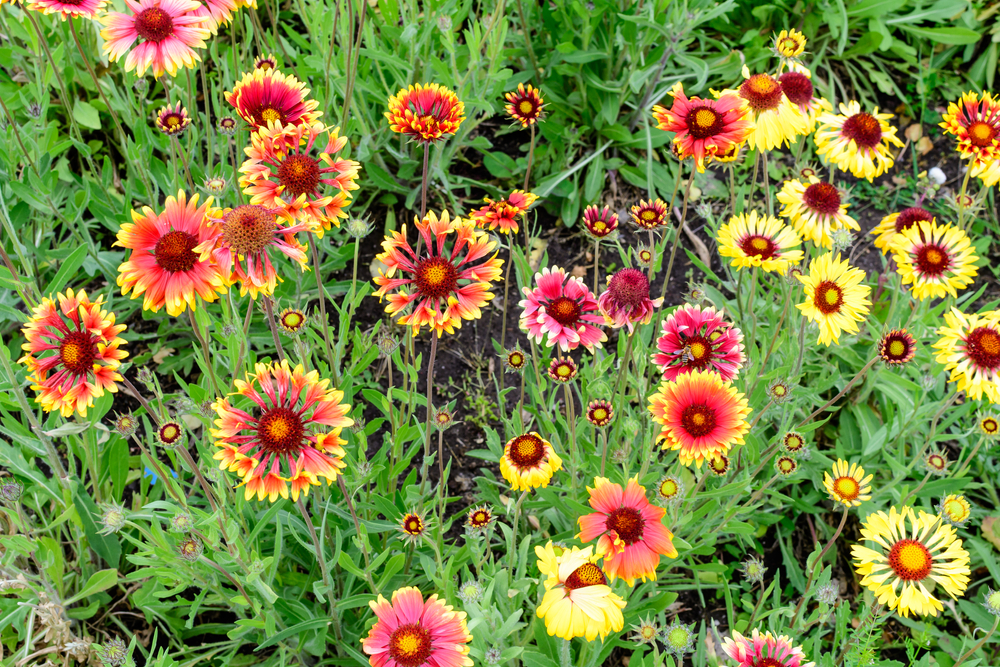
Blanket flower is a drought-tolerant, hardy, sun-loving perennial native to the American prairies. It grows 18 to 22 inches tall and produces clumps of double or single daisy-like flowers, the blooms held high on strong stalks above the plant’s foliage.
Hardy to zones 3 through 11, blanket flower is an easy grow that only needs a sunny spot and the occasional glass of water. They are easy-going when it comes to the soil they are planted in, but prefer to live in a well-drained area that does not remain muddy after rain.
If grown in more northern regions, a light mulch will benefit them in winter, helping them withstand sub-zero temperatures.
Dividing them every few years encourages more vigorous growth. They can sometimes be short-lived perennials, so adding a few plants every few years will be beneficial.
2. Sun hat (Echinacea)
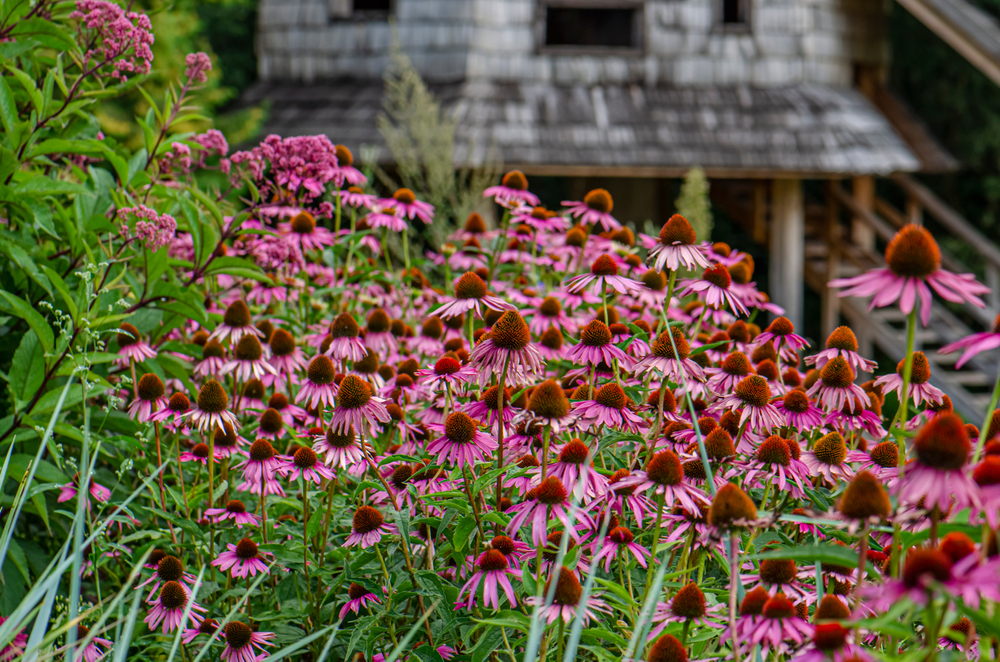
This beautiful perennial is a very hardy plant and is considered one of the best flowering plants for a sunny position.
The most common echinacea produces large, single-flowered flowers, but there are varieties with double or triple flowers. They grow 18 to 36 inches tall and are hardy to zones 3 to 9.
Echinacea needs direct sunlight for at least 6-8 hours a day. If you do not wish to develop additional flower stalks, remove the faded flower heads from the plant.
Echinacea will also survive and look great in containers. They are not picky about soil type, preferring well-drained soils.
3. Black Eyed Susan (coneflower)
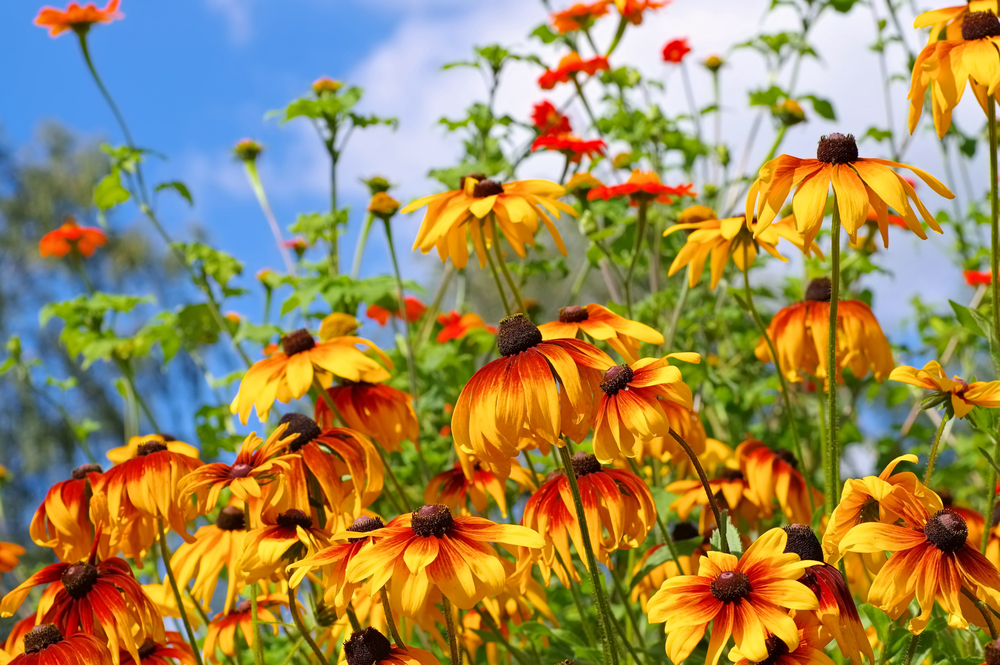
A wildflower native to North America, this beautiful perennial tolerates heat and drought with daisy-like flowers.
Flower colors are gold, yellow and bronze, with dark brown centers. These perennials are hardy to zones 3 through 11 and grow up to 24 inches tall, preferring moist, well-drained soil.
They grow well in your borders, in garden beds and do well in container gardens.
Removing faded flower heads seems to promote new waves of blooming flowers throughout the season.
The flowers are known to attract bees, butterflies and pollinating insects. Birds are also known to be attracted to seeds if left behind.
4. Daylilies (daylily)
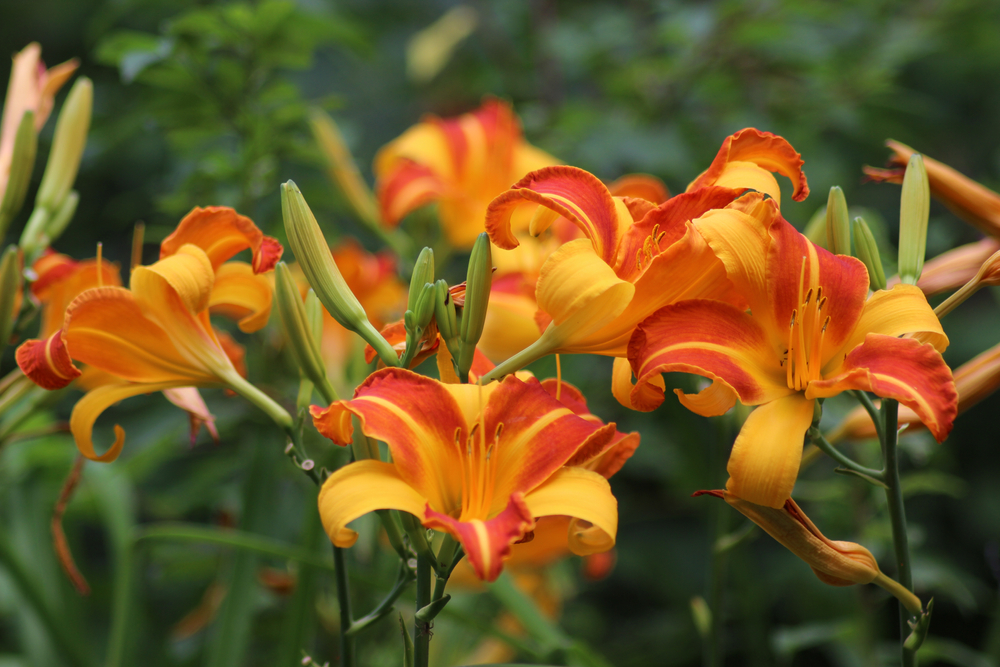
The daylily is often considered one of the most popular perennials in the world.
He grows 18 to 30 inches and can grow almost anywhere and is so super strong he could probably run a car through them without hurting them too much.
Daylilies get their name from the fact that their flowers only bloom for one day. But don’t let that put you off, as each plant will produce so many buds/flowers that you won’t even notice.
Hardy to zones 3 through 9, a day lily is easy to care for, requiring only lots of sun and occasional watering. They would be grateful for a slow-release granular fertilizer given in the spring when new growth begins.
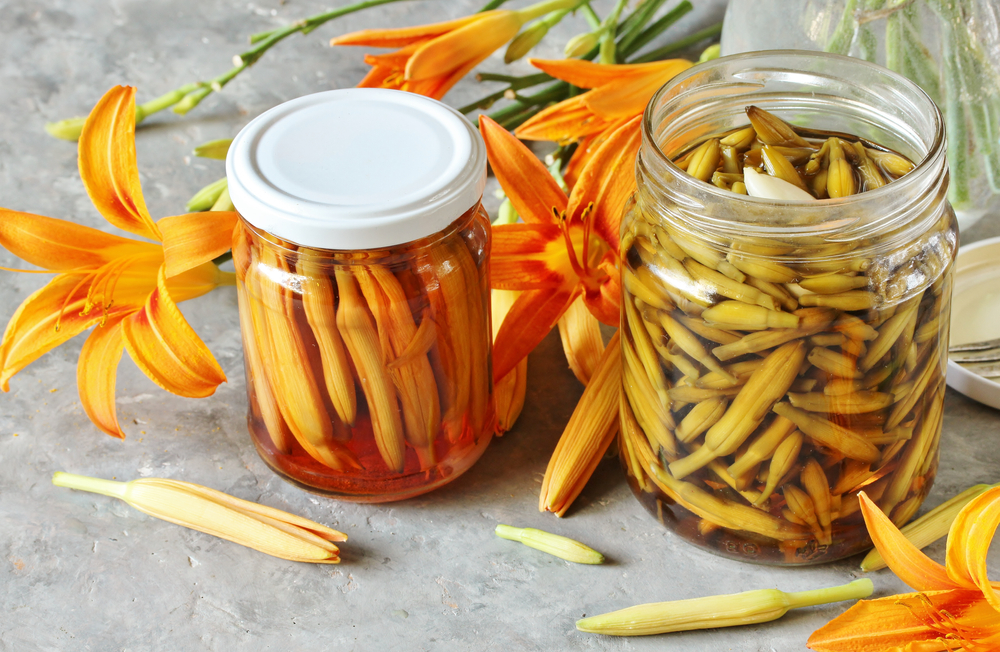
Some lily flowers and buds are edible and can be added to stir fries or salads, but most forms are not recommended for human or animal consumption.
5. Bearded Iris (iris spp.)
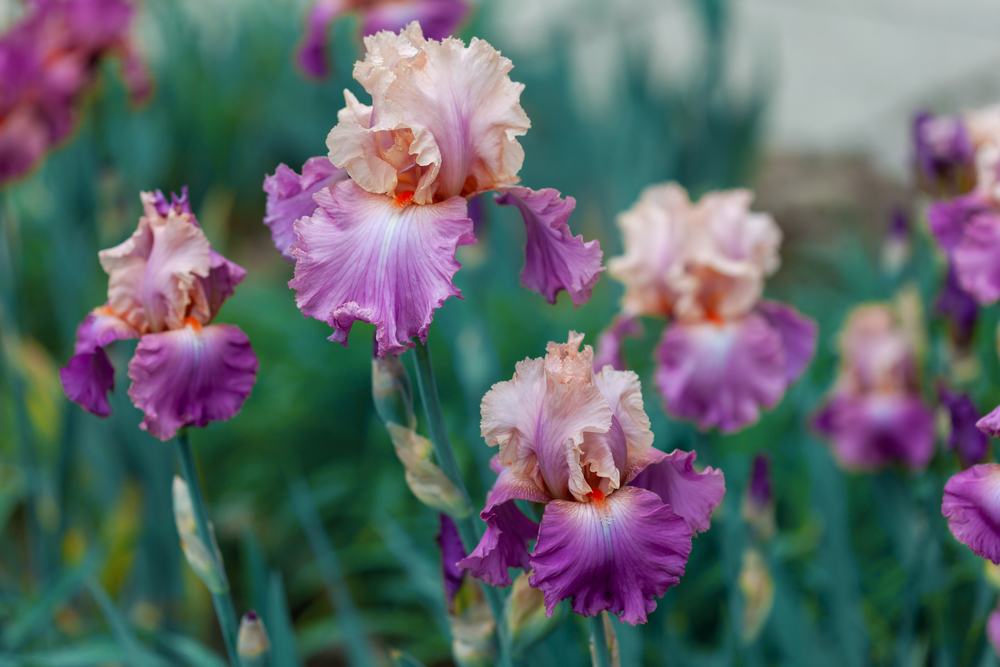
Bearded lilies are easy-to-grow perennials and gradually get bigger and better each year.
Hardy to zones 3 to 9 and growing 18 to 36 inches tall, the bearded iris prefers direct sunlight for at least 6 to 8 hours.
The wide, strap-like foliage is a highlight and looks great even when not in bloom, but the crown-shaped blooms, topped with tall, graceful stems, are the prize of any garden.
Make sure your soil is well-drained and not constantly wet, as this can cause root rot. Plant hearts will begin to die if the plant is not divided every few years; this is due to root crowding.
Adding slow-release fertilizer in early spring will improve the overall health of the plant.
6. peony (Paeonia spp.)

Peonies produce colorful and super fragrant blooms in single and double blooms. Hardy in zones 3 to 8 and 24 to 36 inches tall, these perennials are shrubs that form mounds of attractive foliage, topped with large blooms. Peonies like to be planted in well-drained soil.
When planting your peonies, it’s best to make sure you plant them in the ground at the same depth they were growing in their pots. You should also make sure that the “eyes”, the area where new growth emerges, are planted no more than 2 inches below the soil surface.
By making a wreath of peonies around your plants at the start of the season, you prevent them from toppling over during a violent storm.
Related Reading: Growing Peonies in Containers
7. Lily, Asian (Read)
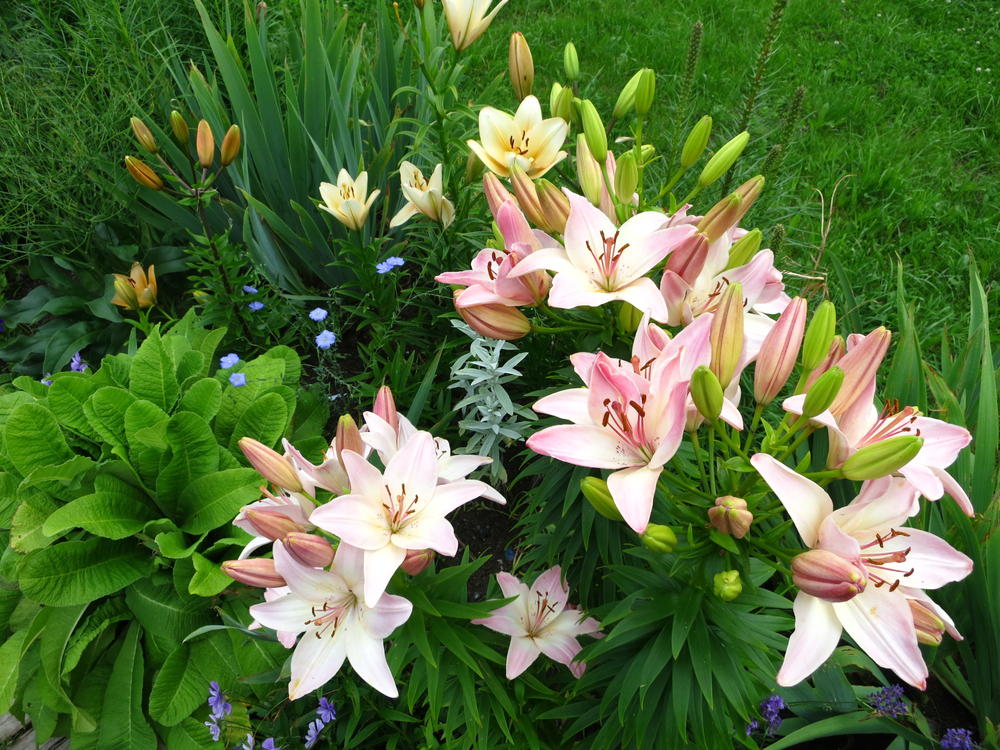
This beautiful summer bloomer is particularly easy to care for, with the flowers growing in clusters at the top of the plant.
The Asiatic lily is a bulb that grows every year and produces more and more flowering plants. Hardy to zones 4 to 8 and grows 18 to 24 inches tall with yellow, pink, orange, red, purple, white, and bicolor flowers.
The Asiatic lily needs a minimum of 6-8 hours of direct sunlight per day, with well-drained soil to prevent root rot. Divide the plants every 3-4 years in the fall.
After flowering, the Asiatic lily will go dormant and bud again in early spring. The flowers are fragrant, attract hummingbirds, and are resistant to rabbits and deer.
8. Tickseed (Coreopsis spp.)
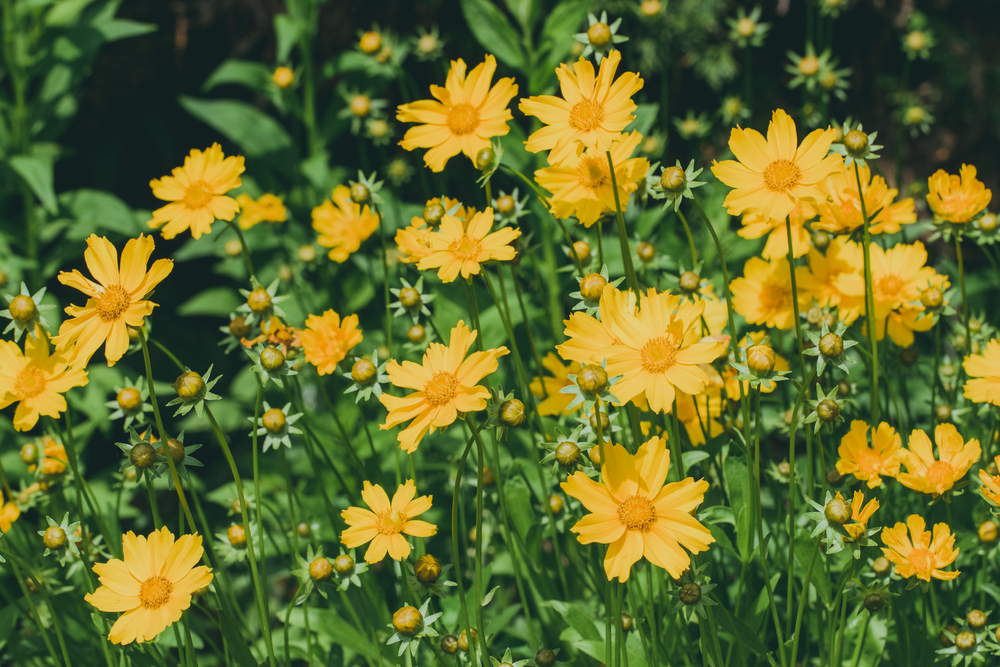
Coreopsis is native to North America and is a drought-tolerant, sun-loving perennial that produces many flowers. This plant needs direct sunlight for at least 6-8 hours a day.
You only need to water this perennial when the soil feels dry. It prefers rich, well-drained soils; but it will survive in drier, poorer conditions.
Coreopsis is hardy in zones 4 to 9 and grows 18 to 24 inches tall; they come in the form of dwarfs that grow 6 to 12 inches tall. Coreopsis is a wonderful ground cover. These perennials are best planted in the spring when the risk of frost has passed.
Flowering will begin the second year after planting them. If you want to encourage extra flowering, you can cut off the faded flowers.
9. Wise (Salvia spp.)
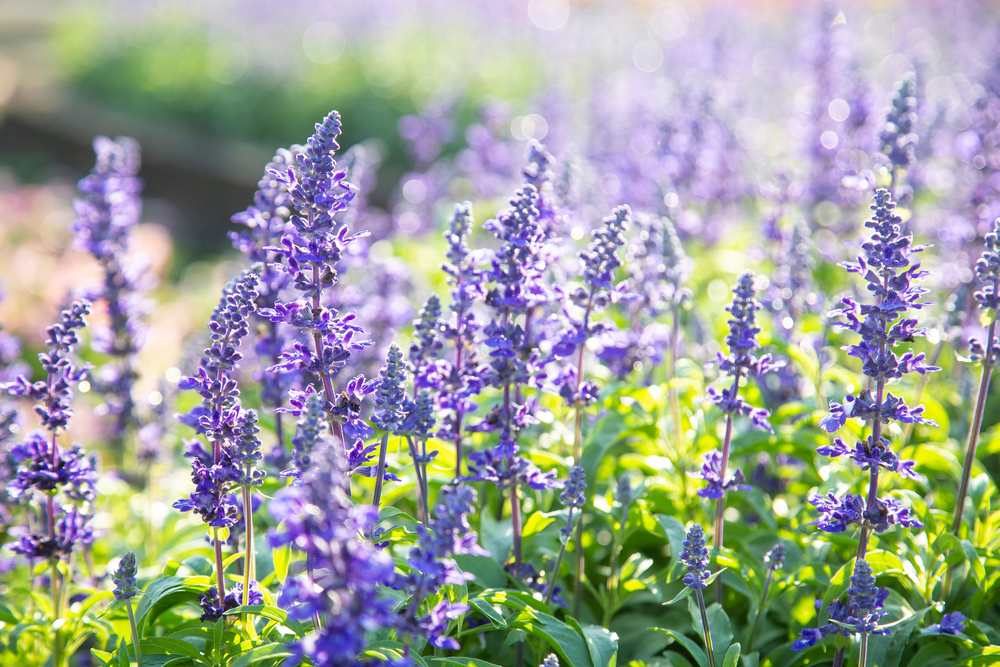
Perennial sage, which closely resembles lavender, is relatively drought tolerant and likes warm weather. There are many different types of sage, and each thrives in its zone, which ranges from 5 to 10.
Plant your perennial sage in an area that receives direct sunlight for at least 6 to 8 hours a day. Height varies by variety, but sage usually stands between 18 and 36 inches.
They prefer a rich, well-drained type of soil. Be careful not to overwater the sages or place them in a damp or soggy place. Some forms of sage benefit from removing the buds after they wilt. Most varieties produce tall, nectar-rich flower spikes and attract hummingbirds and butterflies to your garden.
10. Lavender (lavender angustifolia)
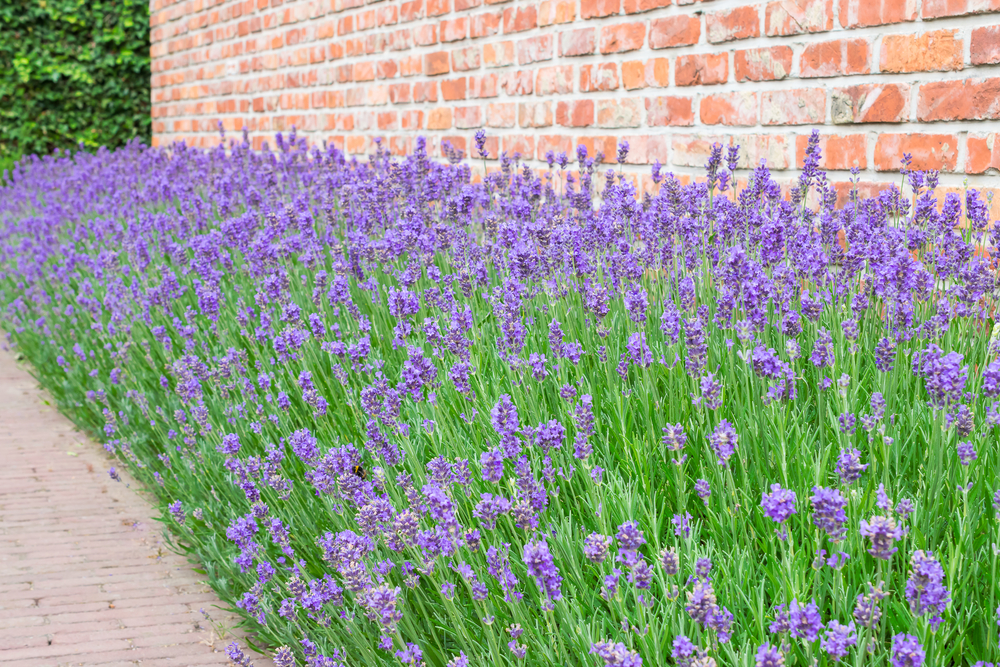
Lavender is a wonderfully fragrant bushy perennial. The green to gray foliage remains evergreen throughout the year in warmer regions. It will survive the toughest garden conditions and is hardy in zones 5 to 8, reaching a height of 12 to 36 inches.
Plant your young lavender in the spring when the ground is a bit warmer, but if you plant it around fall, use taller, more established plants.
In warmer climates, you can prune your lavender in the fall. In cooler climates, it is best to prune plants in the spring when new green foliage begins to emerge. Removing the top leaf of the plant by about a third will prevent the plant from becoming bare and long at the base.
This plant will attract bees and butterflies to your garden.
Related Reading: How to Plant a Lavender Hedge (And 12 Reasons Why You Should)
Creating a beautiful perennial garden that gets plenty of sun requires a bit of research before you start planting.
It’s essential to make sure you have the right plant for the position in your garden so that you don’t plant something problematic in your chosen spot. The above list of ten best perennials for full sun will get you started!