Growing your own vegetables and herbs is fun and rewarding, but sometimes things don’t go your way. In this article, we show you common mistakes you should avoid when growing vegetables and herbs and how to correct them.
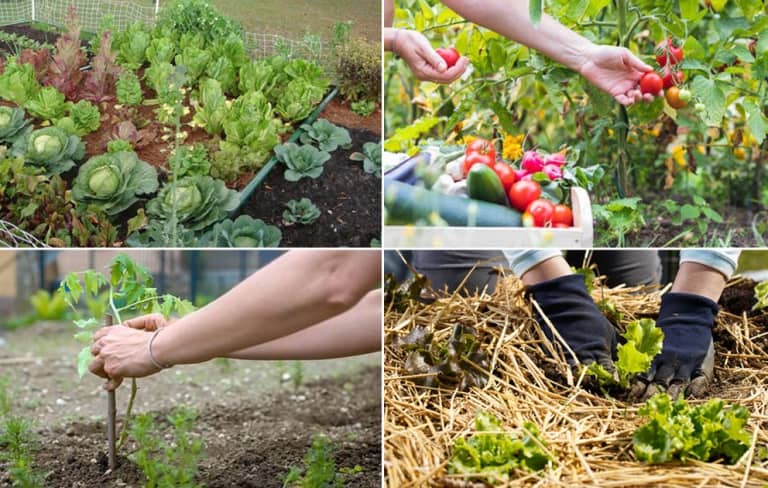
Whether you’ve been a gardener for two days or twenty years, mistakes are sometimes inevitable. However, there are some that can be easily avoided. Take a moment to figure out how to avoid these problems and this year’s harvest could be the best.
10 common mistakes when growing vegetables
1. Planting too early

When spring arrives, most people look forward to returning to the garden or orchard. But if you live somewhere where temperatures can still drop below freezing, avoid planting tender crops like tomatoes, cucumbers, melons, eggplants and peppers.
These vegetables should be kept under cover until nighttime temperatures reach at least 12°C.
If you want to give them a little edge, plant them under a grow cloth, greenhouse, or something that will protect them from frost.
2. Clutter the plants

Some salad crops, like spinach, lettuce, arugula, and kale, don’t mind growing side by side. However, most vegetables grow best when not crowded.
Tomatoes, for example, need good air circulation to stay healthy, so be sure to space them at least half a meter apart. If planted too close together, they are more likely to suffer from problems, such as blight or mildew.
Other vegetables that need a little more space are broccoli, cauliflower, eggplant, sweet corn, potatoes and peppers.
3. Watering too much or too little
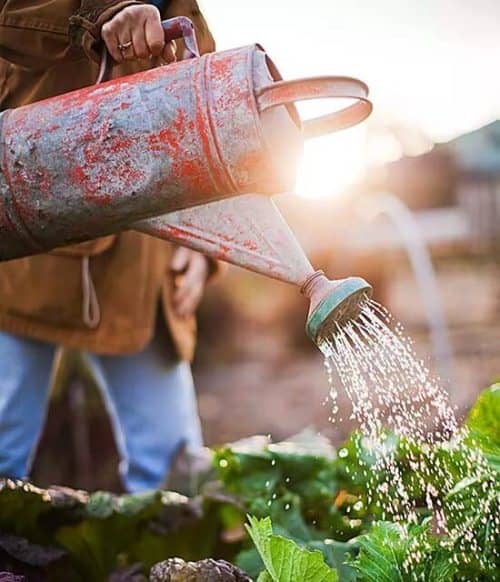
Constant irrigation is essential for good harvests. Most crops do well when they receive about an inch of moisture per week.
If you can, buy a rain gauge to monitor rainfall and use a drip irrigation system or soaker hose to fill the gap during dry spells.
Plants deprived of water will show obvious signs of wilting and yellow leaves, and fruits will be stunted or misshapen.
Vegetables that get too much water are generally fine as long as the soil drains well, although melons and tomatoes can crack if overwatered.
If excess water accumulates in your garden, your crops will suffer and the leaves will turn yellow. The only way to fix this is to improve the soil by adding several inches of organic matter.
A layer of mulch around the crops will also help keep soil moisture constant.
4. Grow in places where the sun does not reach much
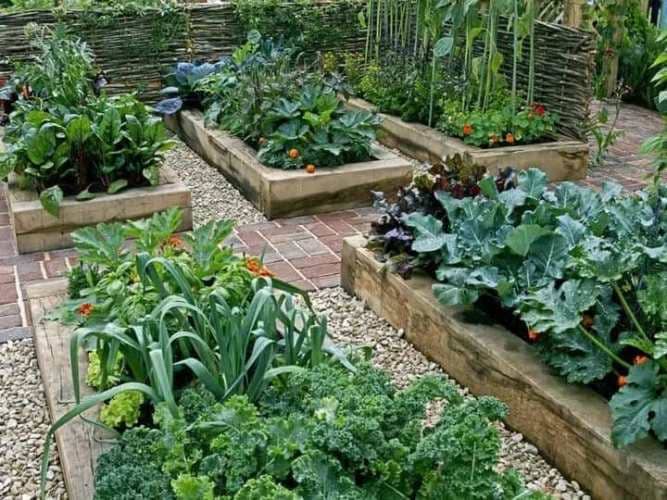
Vegetables and herbs need at least six hours of direct sunlight a day to perform well.
Some leafy crops, such as lettuce and spinach, can be grown in partial shade, but they don’t do very well without direct sunlight.
If you don’t have a sunny plot for a traditional garden, try growing in pots that you can move around the deck or patio to take advantage of the sun.
In general, shade-grown vegetables generally do not produce fruit or, if they do, they will be smaller and less flavorful than those grown in full sun.
5. Not improving the soil
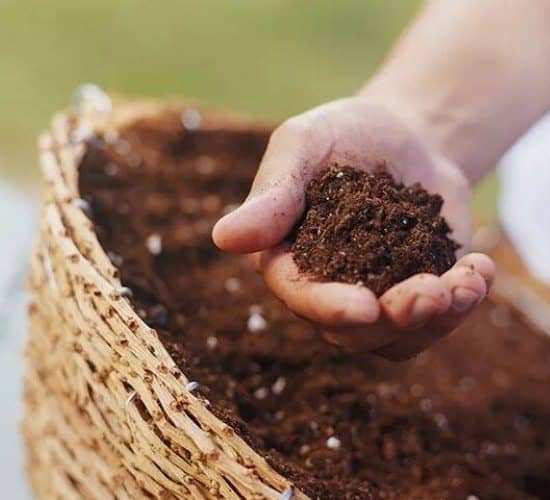
Good soil is the key to success in any orchard or garden, and is especially important when it comes to food crops.
Vegetables eat a lot, so if you don’t improve the soil with several inches of compost, rotten manure, or shredded leaves, your crops will likely suffer.
The best time to fertilize the soil is in early spring, just after it begins to dry out.
Do a soil test or take a handful of soil and squeeze it into the palm of your hand. If the soil forms a compact mass, it is still too wet to be worked. If it holds its shape but can be easily separated, it’s ready to go.
Spread several inches of organic matter on the surface of the soil and shovel it without turning it too much, just spread it in place. When you’re done, your garden will be ready for planting.
6. Let the weeds take over
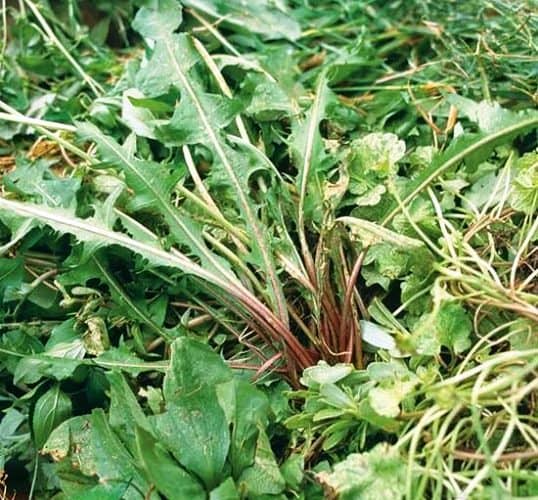
This is one of the most common mistakes when growing vegetables, it probably won’t surprise you that weeds choke out your crops and compete with them for moisture and food.
But did you know that some unwanted weed seeds can lie dormant in the ground for decades? That’s why it’s so important to eliminate weeds as soon as you spot them.
If you let just one ripen and set seed, you will have to struggle with the problem for years.
To keep weeds away, start by spreading mulch on the surface of the soil right after planting.
Then, if any weeds start breaking through the mulch barrier, remove them by hand or with a pointed hoe that will pinch the plants at the roots. Avoid the use of chemical herbicides, especially in a vegetable garden.
7. Overplant
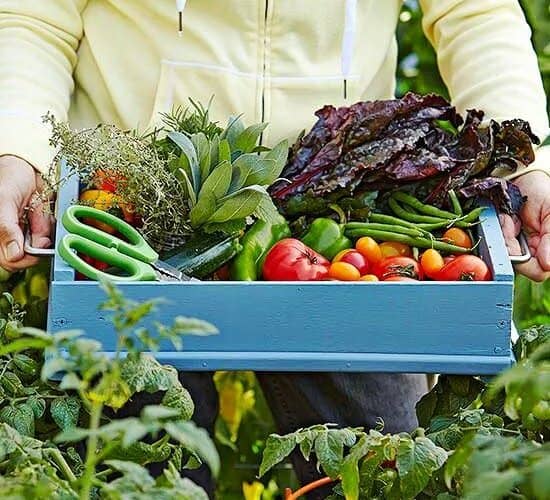
It’s easy to get a little out of control when it comes to growing vegetables and herbs. The idea of harvesting baskets of delicious fresh produce may tempt you to plant crops your family isn’t too fond of.
For example, if your children don’t want to eat green beans, take advantage of the space in your garden to grow other vegetables that everyone loves.
There’s no reason to grow everything in the seed catalog if all you really need are tomatoes, lettuce, and peppers.
And, what is more important, it is not necessary to grow 20 tomato plants when two or three will suffice. Growing so many vegetables at once takes time and energy and can cause you to neglect weeding, watering and other chores.
8. Not feeding your crops
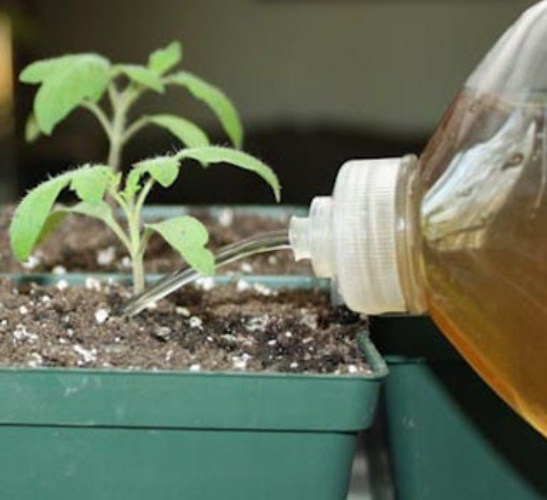
Vegetables are not magic. Without proper nutrition, they cannot produce fruit on their own. In addition to amending the soil with compost, it’s a good idea to add extra compost each time you plant or harvest a new crop.
Liquid organic fertilizers that you can easily make with some herbs and homemade compost are also useful, here are links to learn how to make them:
However, be careful not to overfeed your plants. Some crops, such as tomatoes, will produce more foliage than fruit if they receive too much nitrogen.
9. Not providing enough support

Vegetables, such as tomatoes, cucumbers, beans and melons, grow best when they can grow tall, on or through a support that keeps their fruits from touching the ground.
Tomatoes do well in sturdy cages designed specifically for them or with a cane trellis, and melons and cucumbers can be trained to spread on a mesh tunnel or trellis.
Green beans prefer to climb up a trellis, teepee, or other vertical support. The supports help keep these crops healthier by providing better air circulation, and the fruits stay healthier and cleaner above the soil surface.
10. Let the pests pass
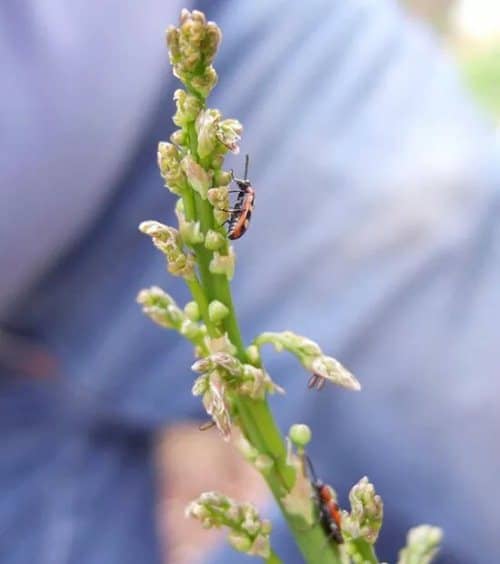
Keep insects at bay by inspecting your crops at least once a week. Spend a few minutes examining the tops and bottoms of the leaves and get rid of any pests you see as soon as possible.
Once they take hold, it doesn’t take long for insect populations to explode and ruin an entire crop.
And keep in mind that most insects only attack a specific type of crop, so if you don’t see any damage on your tomatoes, your pumpkin may be attacked from a few feet away.
The good news is that most pests can be eradicated if you remain vigilant and remove the worst pests by hand. But if you find yourself battling an army of pests, use safe biological control to spray food crops.
Read also : 10 flowers to grow in the garden that improve the vegetable harvest
These are the common mistakes when growing vegetables that even good gardeners make, we hope this was helpful. If you have any questions, comment below.
Share it on the networks: