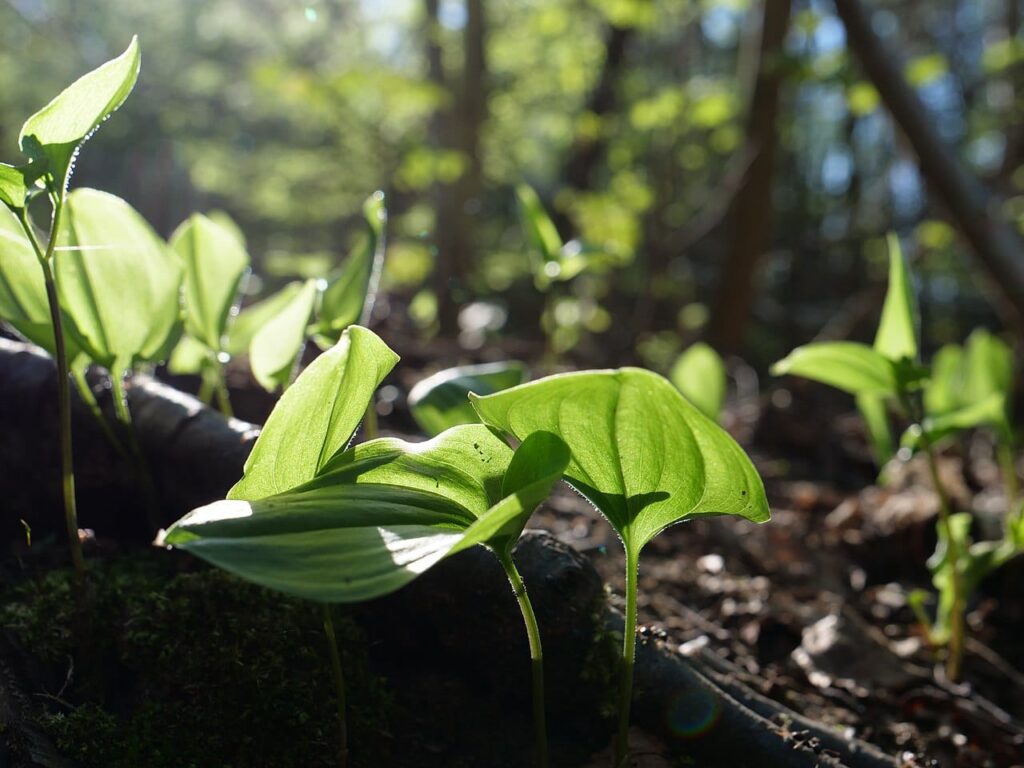
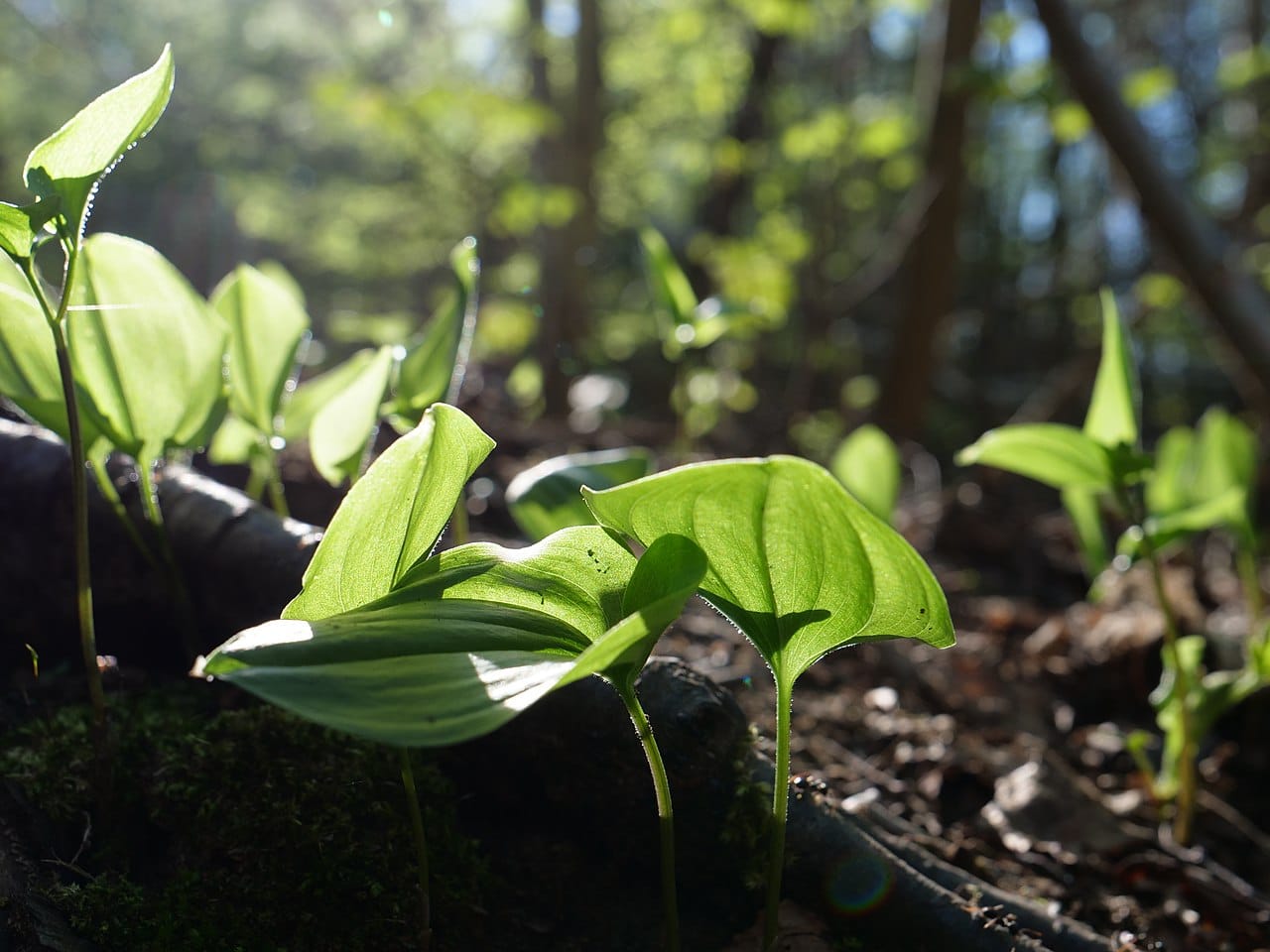
Image – Wikimedia/Leonhard Lenz
Plants. Seemingly motionless, they bloom after a long period of rest, the leaves grow back on the trees after a harsh winter. They are the oldest reigning kingdom on the wondrous planet Earth, the home of life.
And, although what we call “records” are actually adaptations for the survival of the species, the truth is that they are really spectacular. Here we will tell you what are the most interesting plant curiosities.
Carnivorous plants respect their pollinators (up to a point)

Image – Wikimedia/Calyponte
Have you ever wondered why carnivorous plants have such a long flower stalk? In many cases, its length doubles the height of the plant. Well, that’s how it is to protect pollinating insects. And it is that if the flowers were near the traps, these animals would run the risk of falling into them.
But of course, as I say, this protection is relative. If the insect gets confused and falls into one of the aforementioned traps, the carnivore will eat it because he will not know that it is a pollinating insect; he will only know that he is an insect in his trap and therefore prey.
the flowers are modern

Today we take it for granted that there are flowering plants. They are most abundant in gardens, shops, etc. But, What would you say if I told you that they appeared “only” 140 million years ago? Before that, there were only plants without flowers, such as conifers, ferns and mosses. But despite the fact that they appeared much later, what is clear is that they ended up being the winners of this evolutionary race.
Many animals and other microorganisms – such as symbiotic fungi – have established relationships with them. A relationship sometimes beneficial for both parties, but not always, as would be the case with parasitic plants that feed on others without giving them anything in return.
Plants communicate with each other

Image – Wikimedia/David J. Stang
They do this through the roots, but also through the pheromones they release through the leaves.. A clear example of this is what happened in 1990 in South Africa. A large concentration of herbivorous animals was brought to a certain area where there were acacia trees, and over time the animals began to die. I eat? Well, it turned out that these trees were releasing ethylene gas to alert their companions, and so they all started producing substances that turned out to be toxic to animals.
You have more information about this dramatic case here. But beyond that, we are already talking today about the “mother trees” for example, which are those who nourish and protect the rest to the best of their ability (This term has been used by various researchers, such as Suzanne Simard, professor of forest ecology at the University of British Columbia.
There are trees taller than the Eiffel Tower
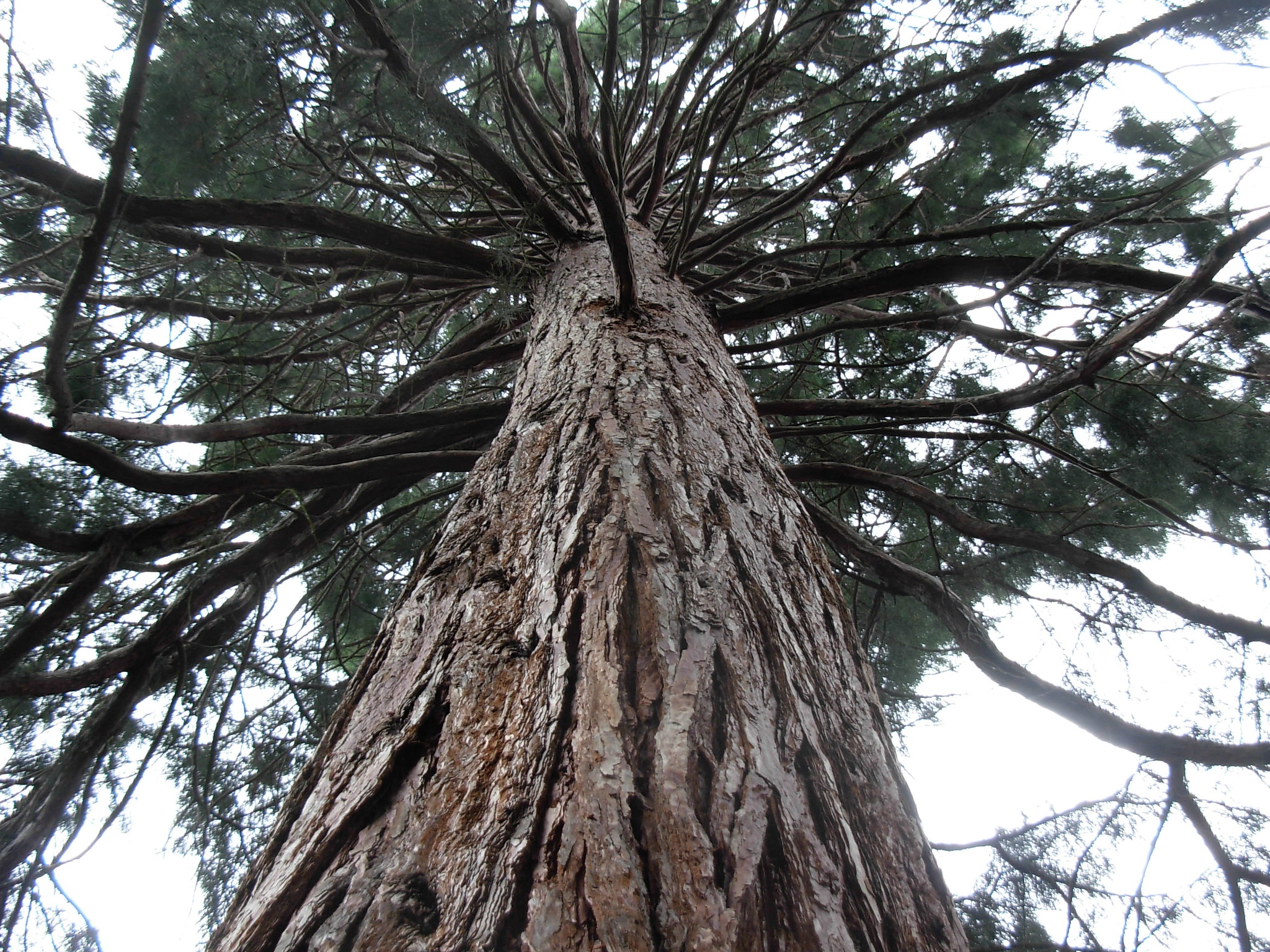
Image – flickr/brewbooks
For example, the sequoia. These are conifers that survived the Jurassic, there are nearly 200 million years old. Its habitat is in North America, reaching Canada. Its growth is very slow. Specimens reaching 122 meters have been found, more than the Eiffel Towerwith a trunk thickness of up to 30 meters.
They have an approximate life expectancy of 3,500 years.
the biggest flower in the world

Image – Wikimedia/Henrik Ishihara
The raffle It is a plant that has a very short, almost invisible stem. It has no leaves. It is composed of a single flower with five petals, which can measure 106 centimeters in diameterand to have a weight of ten kilos around.
Once opened, it gives off an intense smell of decay, thus attracting thousands of flies.
the oldest tree

Image – Wikimedia/rduta
Genre Spruce It is one of the oldest currently in existence. Specimens have been found with an approximate age of 9500 years. They live in very cold climates, in North America and Canada. They are also found near the poles.
The smallest plant in the world
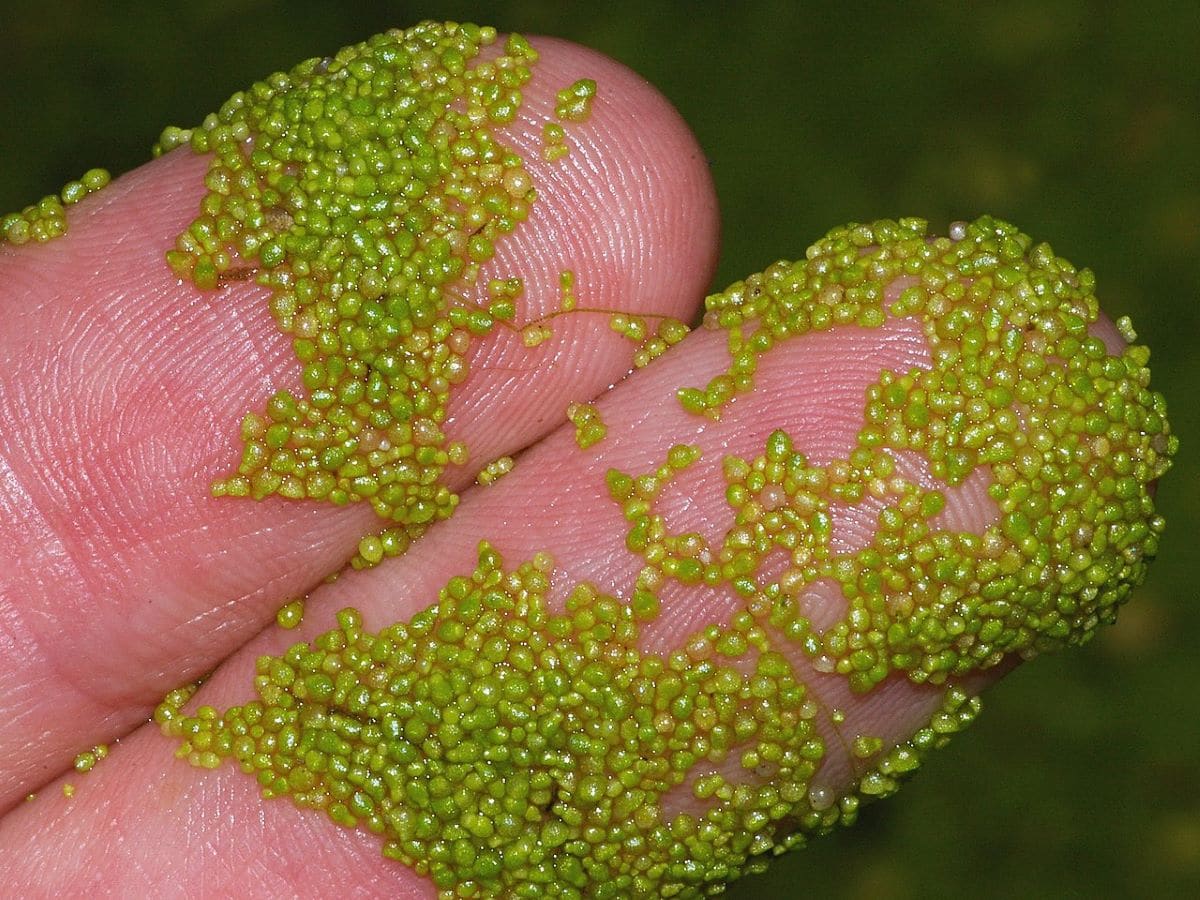
Image – Wikimedia/Christian Fischer
Genre Wolffia they are aquatic plants with no leaves or stems, just tiny flowers less than a millimeter long. They are very curious little plants, because they can clone oneself.
They live in standing water, giving the appearance of floating foam.
The tree that stores the most water inside

Image – Flickr/Bernard DUPONT
The Baobab It is one of the thickest trees that currently exist on Earth. It grows in the shape of a bottle, in Africa. Its trunk can hold up to six thousand liters of waterwhich is very useful for surviving periods of drought.
They have a life expectancy of up to 4,000 years.
palm trees are not trees

Image – Wikimedia/Superchilum
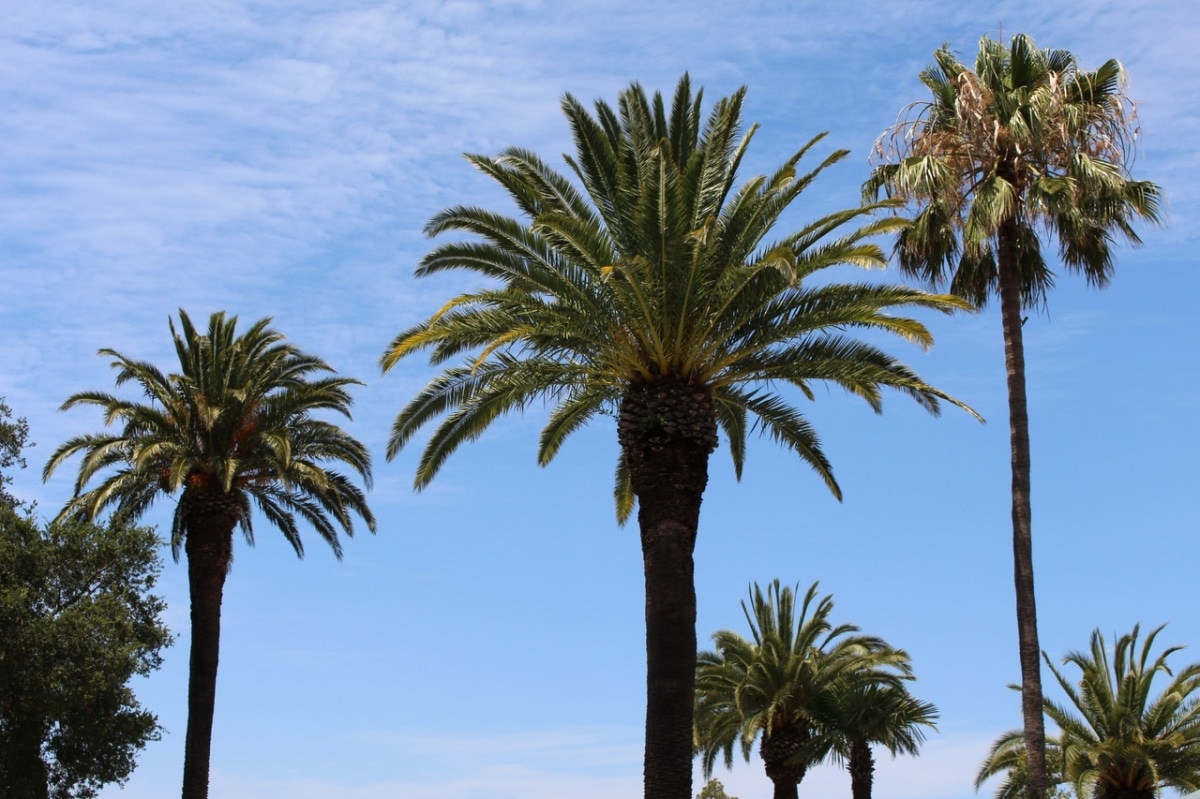
For a long time, and even today, there are books and blogs in which it is said that palms are a type of tree. Even the English and Americans call them “palm trees”, but they are not really related. Palms are giant herbs (the technical term is megaphobia); that is, they are monocotyledonous plants, unlike trees which are dicotyledonous.
Related article:
Why aren’t palms trees?
In fact, among many other differences, it can be said that Palms, when they germinate, produce only one leaf called the cotyledon, while trees produce two.; In addition, palms have adventitious roots, which means that they all come from the same point and they are all very similar, but in the case of trees, one can clearly distinguish a main root and other secondary ones.
Not all cacti have thorns

Image – Wikimedia/Peter A. Mansfeld
When one thinks of a cactus, the typical plant full of thorns immediately comes to mind. But, did you know that there are species that don’t have them, or have them so small that they look like they don’t have any? For example, Echinopsis subdenudata or Lophophora (peyote) do not have any. And neither are all the ‘Nudum’ cultivars, such as the Ferocactus glaucescens “Nude”.
The thorns are a very useful and necessary protection when you are a plant in the desert, because any predator could do everything possible to “steal” the water inside you. But as you can see, some species don’t.
There are succulents (and others) that have thorns

Image – Wikimedia/Chmee2
With succulents, the opposite happens to us than with cacti: we consider them completely harmless plants, but the truth is that some have thorns. You do not believe me? Well look, many agaves have prickly tips; a bit of euphorbia, like Spurge grandicornisalso; the Pachypodium during their youth protect themselves thanks to the thorns they have on their trunk and their branches.
So of course, now you might be wondering how to tell a cactus from a succulent if you can’t because of the thorns. Well it’s quite simple: cacti have areoles, where the thorns grow -if they have any- and the flowers; succulents, on the other hand, do not.
Many garden and indoor plants are poisonous or poisonous.

Image – Wikimedia/David J. Stang
The oleander, the cycads, the euphorbias, the gardenias, the diphenbaquias, the philodendron, the azaleas,… there are many, many plants that we grow in our gardens or indoors that are dangerous to humans and/or their animals. Attention: I am not saying with this that they cannot be cultivated; Yes you can, but you need to know them to know how to handle them safely.
On this site you will find information about each of them, here for example. And if in doubt, ask us and we will answer you as soon as possible.
The truth is that the plant kingdom always surprises us, don’t you think?