
The secrets of the fantastic cascading bell-shaped tube towers are not as mystical as they seem.
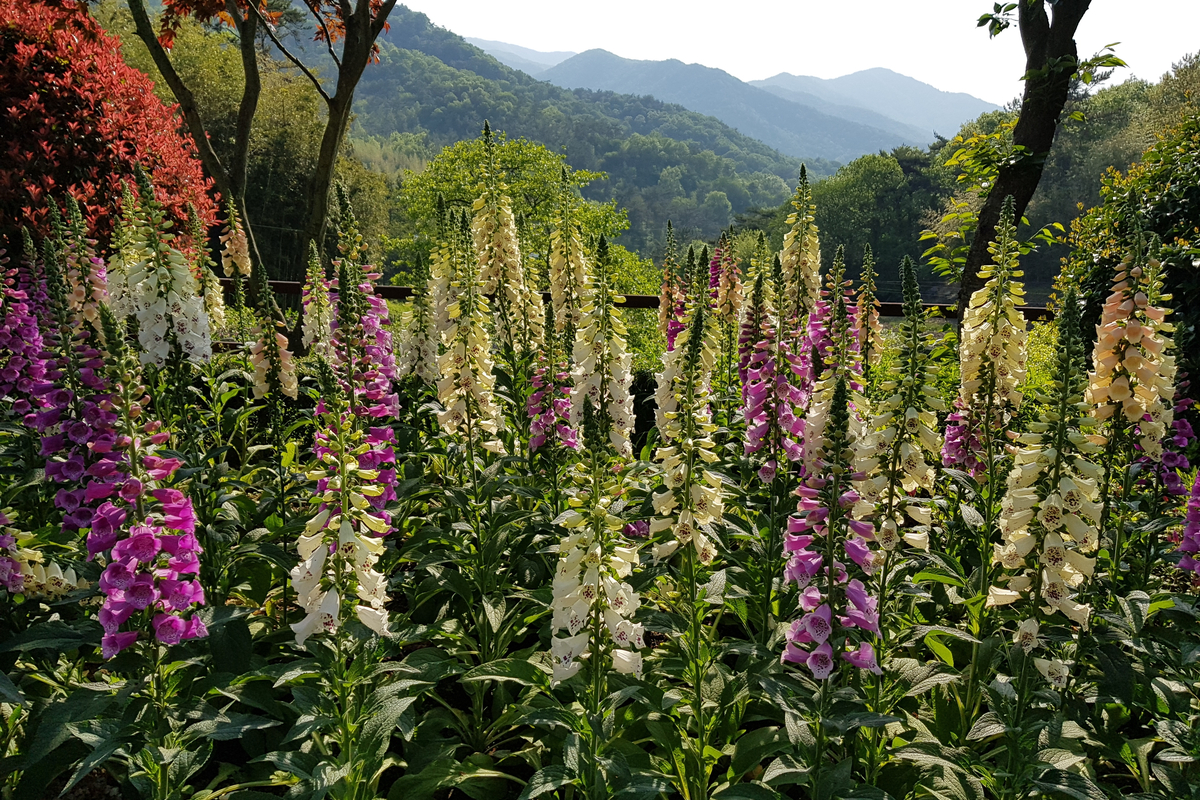
These natives of Europe, Asia, and North Africa are mostly biennials, meaning they only live for two years.
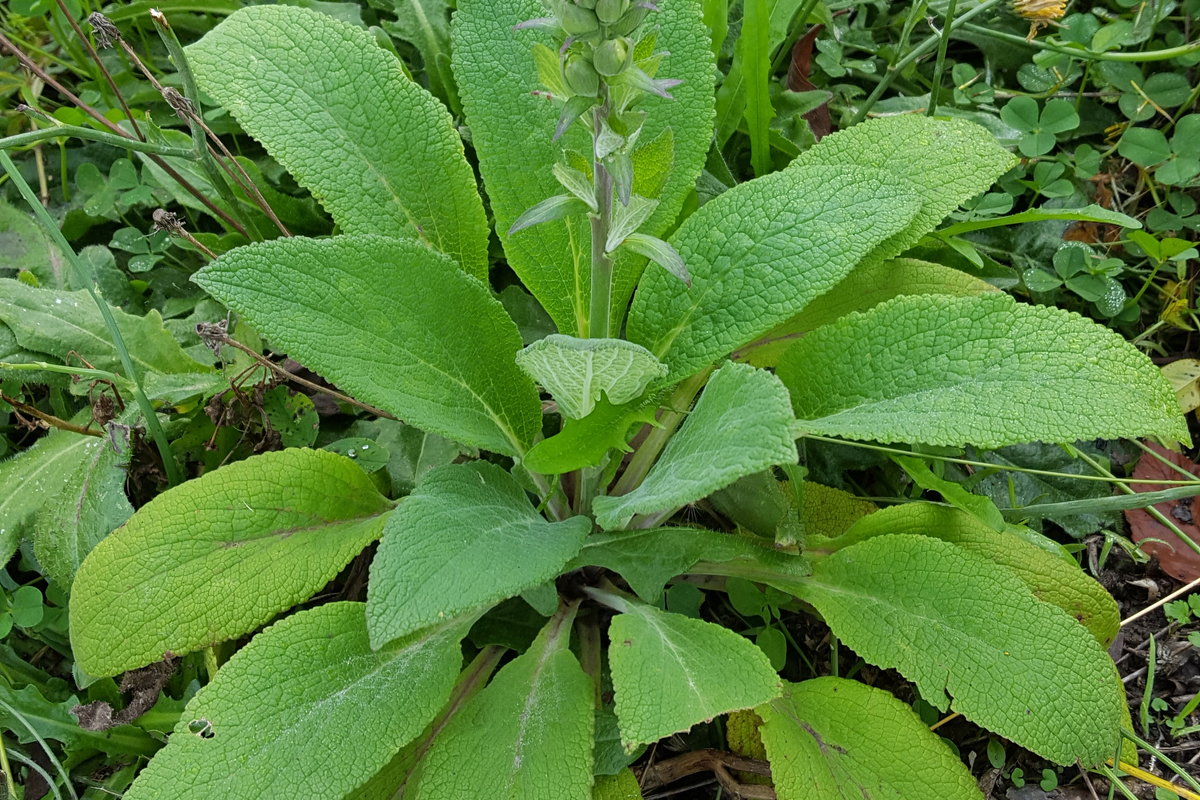
Growing in a mounding rosette in their first year, they produce giant 2-6 foot spikes covered in mottled tubular flowers in their second year.
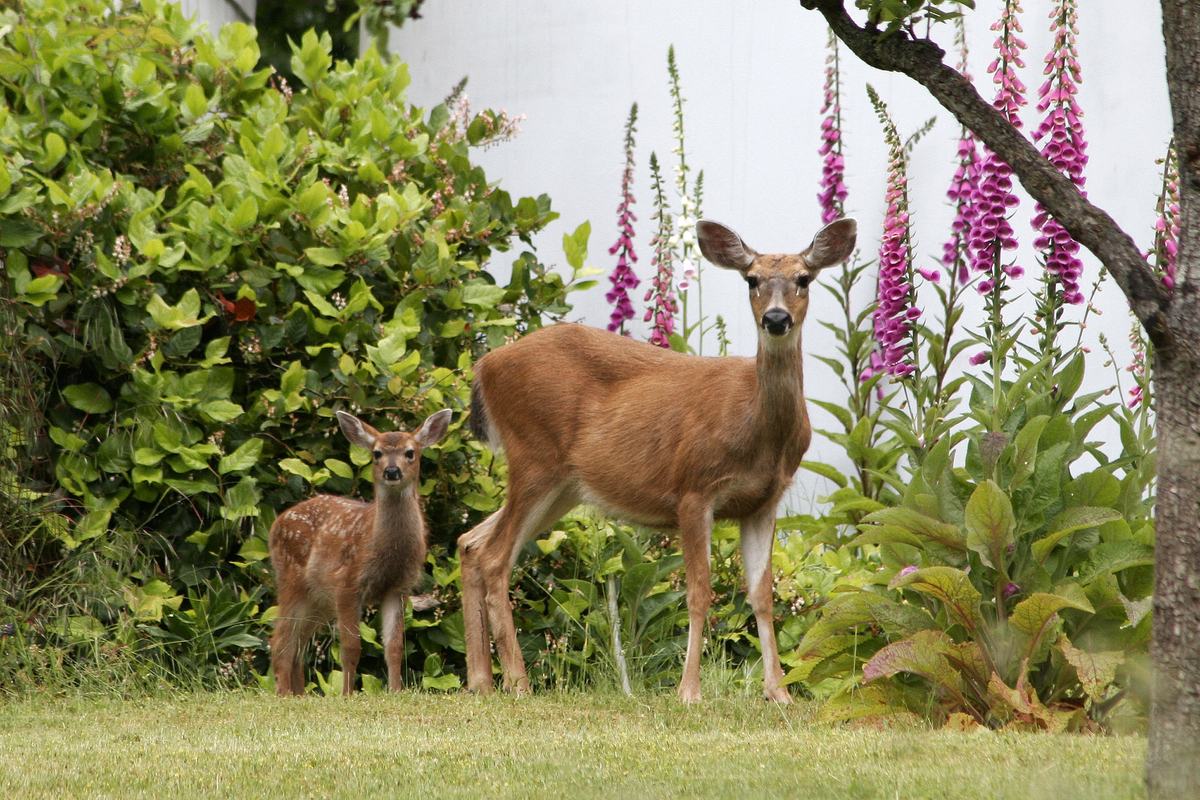
Ignored by deer and rabbits, hummingbirds search for nectar with their long beaks.
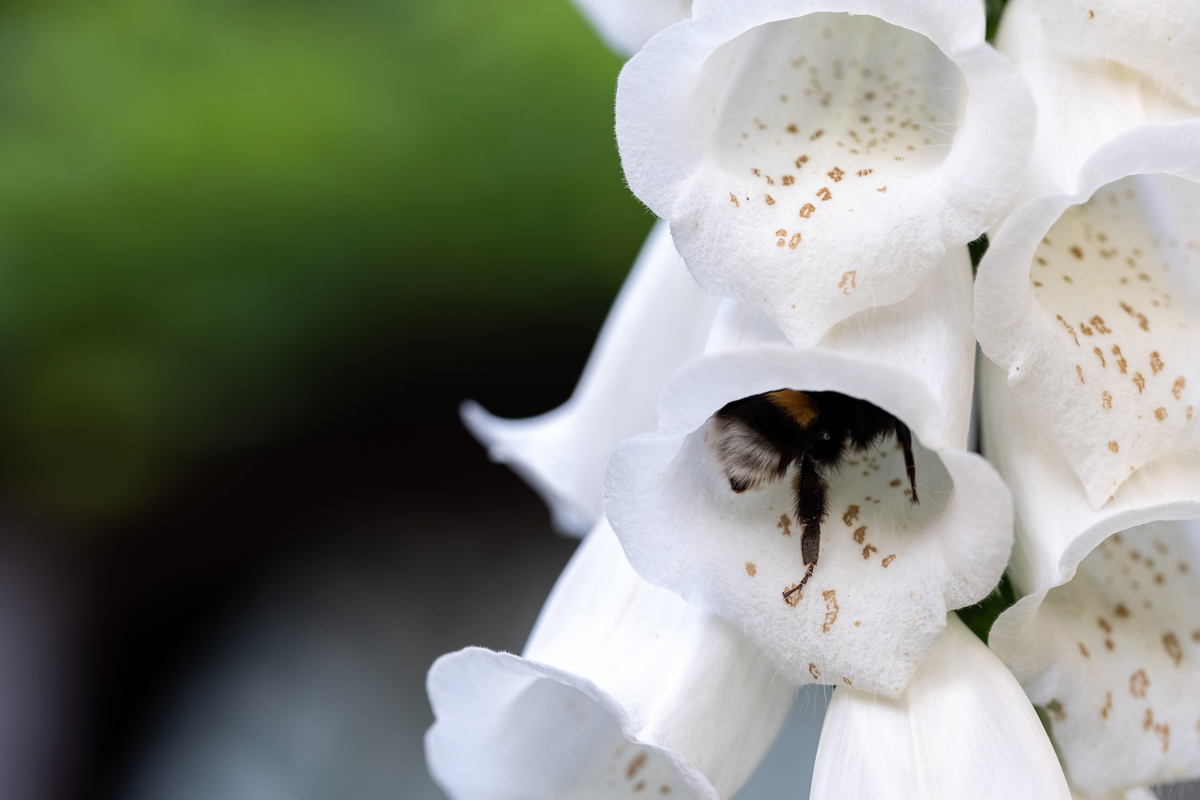
Bumblebees and other critters burrow into the cylindrical flowers to reach the pollen.
Foxglove (digital) They produce powerful heart medicines, but all plant parts are poisonous to humans and animals.
Prized for its long blooming season and spectacular interest in mottled pinks, purples, whites and yellows.
Grown from seed for second-year flowers or two-year-old nursery plants, these tall plants grow 2 to 5 feet tall.
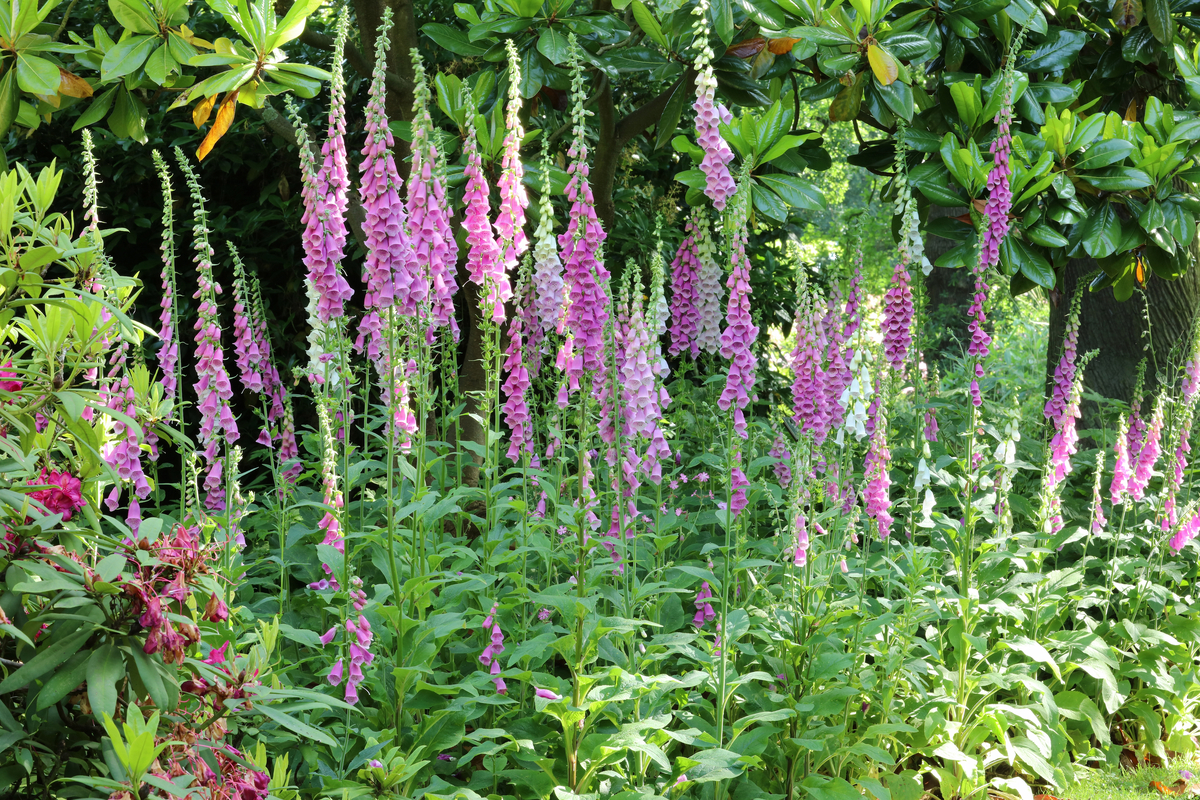
In perfect conditions, this biennial easily self-sows. Plant foxgloves two years in a row and a colony of naturalized foxgloves can develop.
Each plant can produce 1 to 2 million seeds, putting foxglove on the list of invasive plants in parts of the West Coast and parts of New England in the United States.
In whimsical cottage gardens, behind perennial borders and in naturalized self-seeding gardens, here are the secrets of the fabulous foxglove!

10 secrets for a beautiful digital
Secret #1: Foxglove’s favorite land
Natural humus-rich soils covered with compost are the secrets of lush foxglove.
Soils should be well-drained, especially during wet winters when the crown of the plant is prone to rot.
Acidic soil with a pH of 5.5 to 6.5 is also an advantage for foxglove.
A rich, natural soil with organic compost is the best way to feed foxglove, as nitrogen fertilizers interfere with foxglove formation.
Ideal conditions for foxglove are moist forest edges, perfect for shade-tolerant wildflowers.
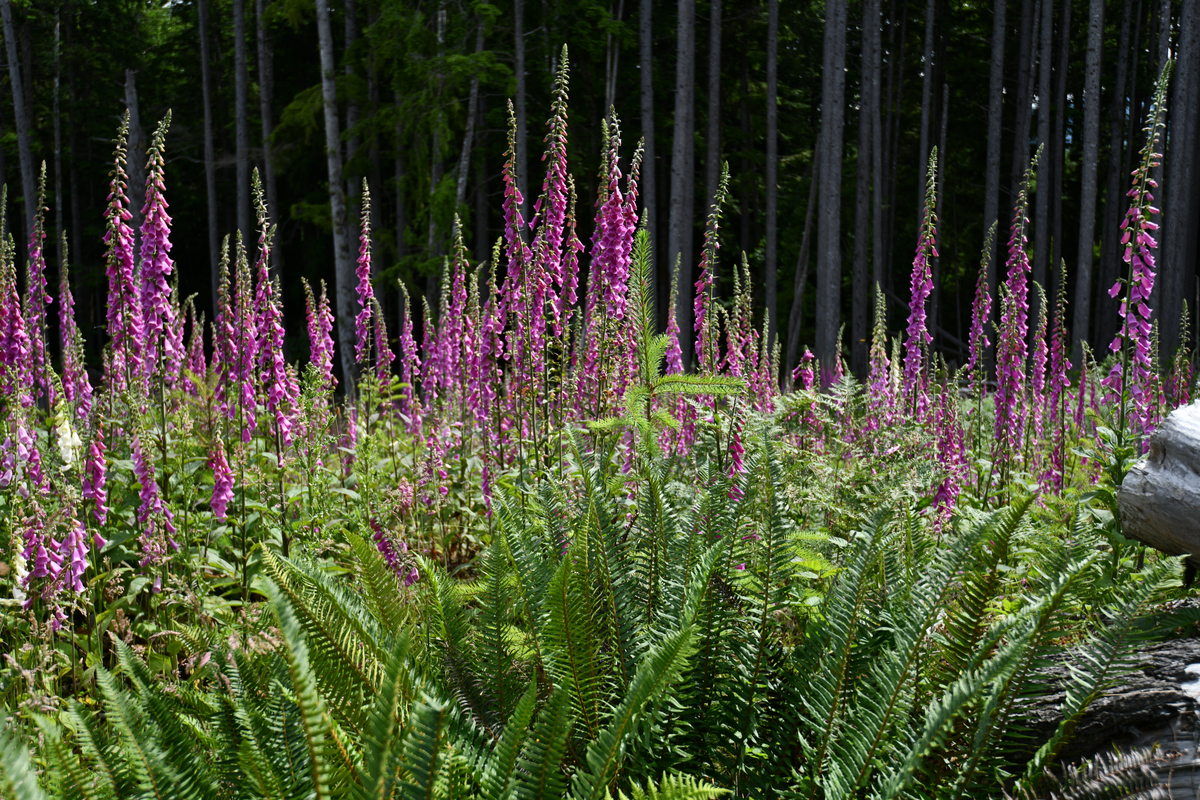
Secret #2: Foxglove’s Favorite Light Exposure
Foxglove can handle the full spectrum from full sun to full shade.
While foxglove is a remarkable plant for thriving in shade, in cool, moist areas more sun will produce more flowers.
In warmer, drier climates, foxglove will enjoy some relief in the evening from the extra shade and humidity.
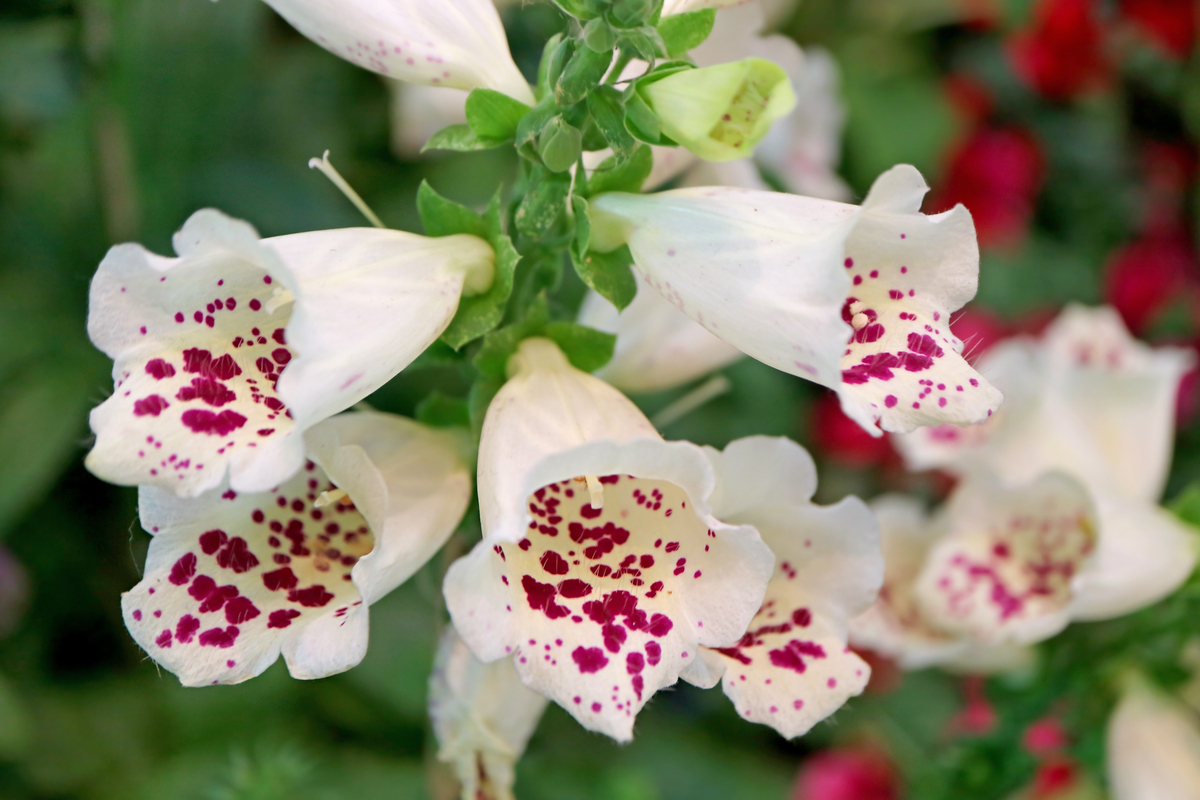
Secret #3: Foxglove’s Favorite Place
Foxglove is a long-blooming favorite in lush country gardens and practical cottage gardens.
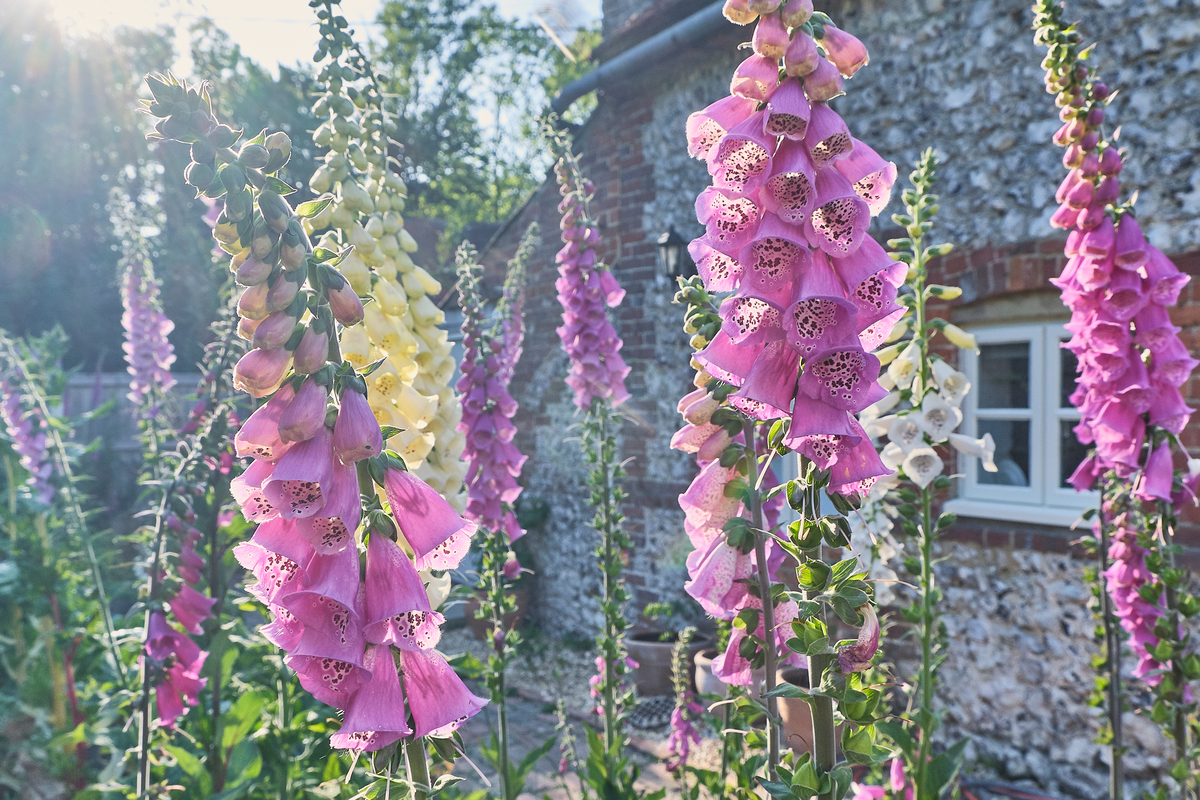
While foxgloves pair well with others, tall towers look fantastic on the back of curbs.
Placing foxgloves behind shorter blooms will help hide the foliage, which may be a little worse after its 2-3 month bloom.
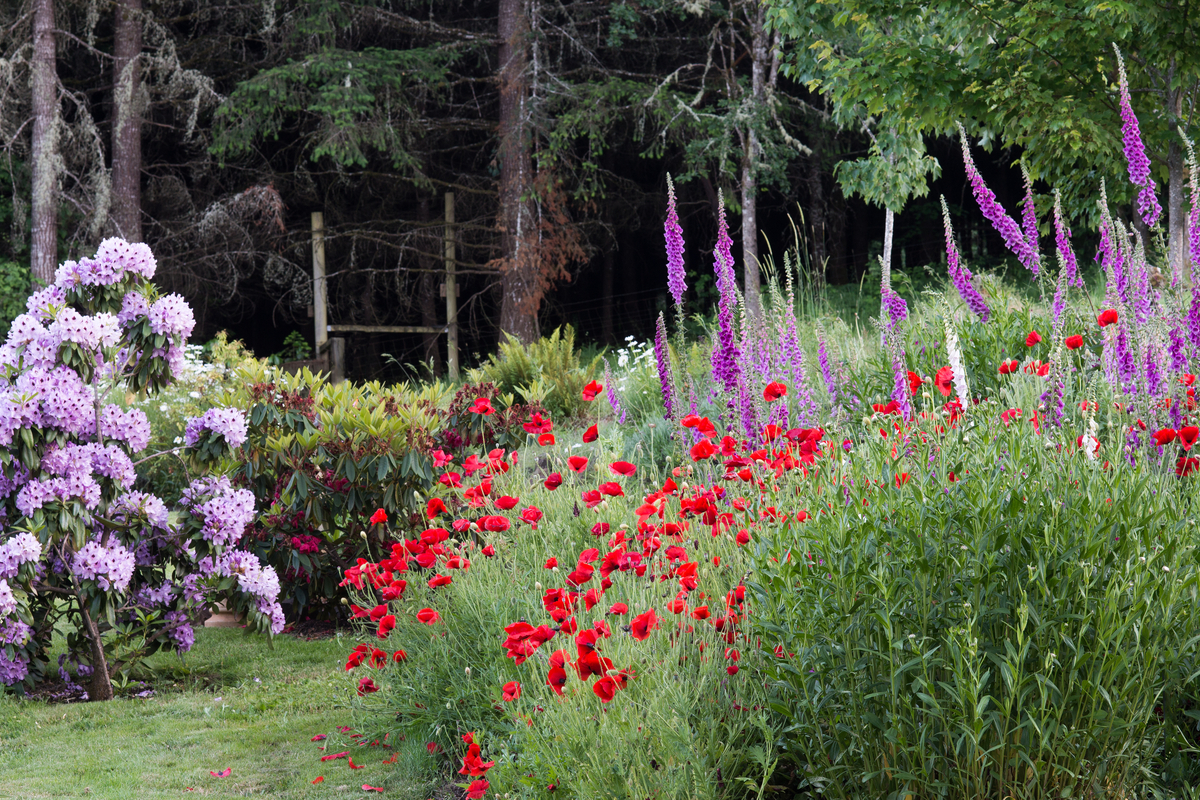
Have a nice meeting* Protect plants vulnerable to deer by planting them with an impressive deer resistant foxglove.
Secret #4: Foxglove’s Favorite Growing Zone and Climate
Moist areas with cool temperatures, along with good air circulation and well-drained soil are the secret to flowering foxgloves.
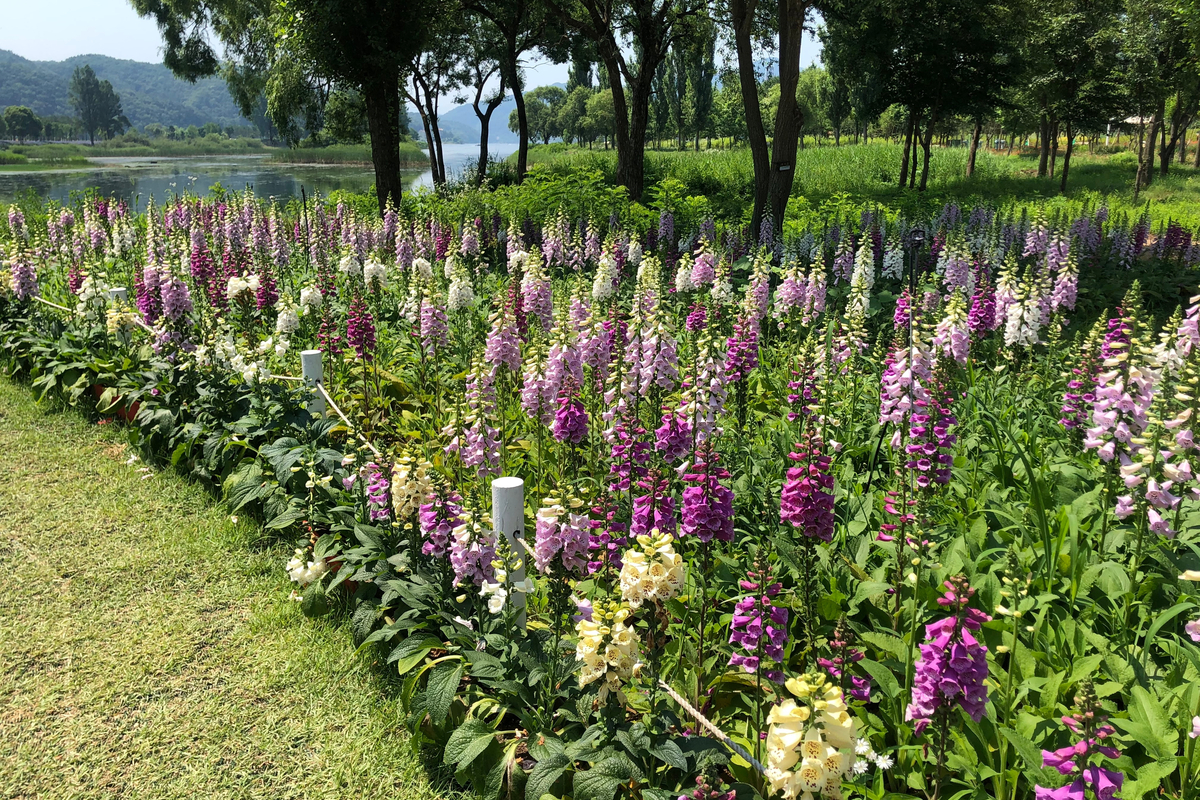
Grow foxglove in zones 4 through 9, providing about an inch of water per week.
At temperatures above 90°F, your foxgloves will appreciate the extra protection from water and sun.
Secret #5: Favorite Foxglove Strains
Find your favorite foxglove traits of flower color and plant height to maximize your fabulous foxglove joy.
Foxglove has bright, marbled colors that always look great in rose-themed gardens.
He “Candy Mountain” The series has upward facing flowers on 3 to 4 foot plants.

He Giant ‘Excelsior’ The sets are amazing, reaching 4 to 6 feet in length in a variety of colors.
Short cultivars are available which rarely require staking. In particular, the ‘Clever’ varieties reach about 27 inches in height.
Look for first year flowers. ‘Camelot’ varieties available in lavender, pink, cream and white. Although not 100%, these 2 ½ to 3 ½ foot plants can produce flowers the first year.
Another foxglove grown to flower the first year (at 10 weeks, so start early!), is ‘Dalmatian’ series in purple, peach and cream.
He ‘Point’ series, with wonderful names like ‘Polkadot Princess’, ‘Polkadot Pippa’ and ‘Polkadot Polly’grows 2 ½ feet tall with massive flowers 3 to 4 inches long.
Secret #6: Foxglove winter care
Because foxgloves are biennials, they complete their life cycle once they flower and set seed.
You can leave them in place for the winter and to spread their seeds or they can be dug up and composted as annuals.

Keep in mind that there are a few species of perennial foxgloves, so don’t throw them away!
However, first-year plants should be sheltered over winter. Cover with leaves, straw or mulch to protect young foxglove plants from winter temperature variations.
To prevent crown and root rot, remove the canopy in early spring to allow the plant to flower.
Secret #7: Foxgloves with a dead head
Two schools of thought will determine whether or not you kill your foxglove.
While many annuals, biennials, and perennials will produce a second bloom after death, not all foxglove varieties will.

Foxglove also has a very long flowering time of 2-3 months. Cob may not be necessary to extend the flowering season.
However, removing the head of the foxglove will cause a reduction in the large number of seeds it can produce.
Also, if you want to limit the seeds produced by your foxglove, either on command or to reduce a foxglove invasion, deadheading may be your style.

Even if you’re saving seeds, it may be a good idea to remove all lower quality flower stalks. It looks good and also produces the best seed supply.
Here are more dead flower tips.
Secret #8: Spreading foxgloves
Yes, foxglove is a great choice for a self-seeding garden!

In perfect conditions of rich, moist soil in full sun to partial shade, your foxglove can reseed itself.
As biennials, two-year-old plants will flower and produce seeds ready for harvest in late summer.
Plant your foxgloves two years in a row, let them spread their seeds and a beautiful colony of ever-expanding biennials will follow.

The seeds are productive! In the spring, thin volunteer seedlings to 18 inches to maximize plant health and vitality.
Foxglove seeds can also be sown indoors 8 to 10 weeks before the last frost, at 60° to 70°F with germination in 14 to 21 days.

Secret #9: Foxglove Friends and Companions
Cottage gardens and perennial borders only get prettier with foxgloves!
Roses love foxglove and they are certainly complementary.
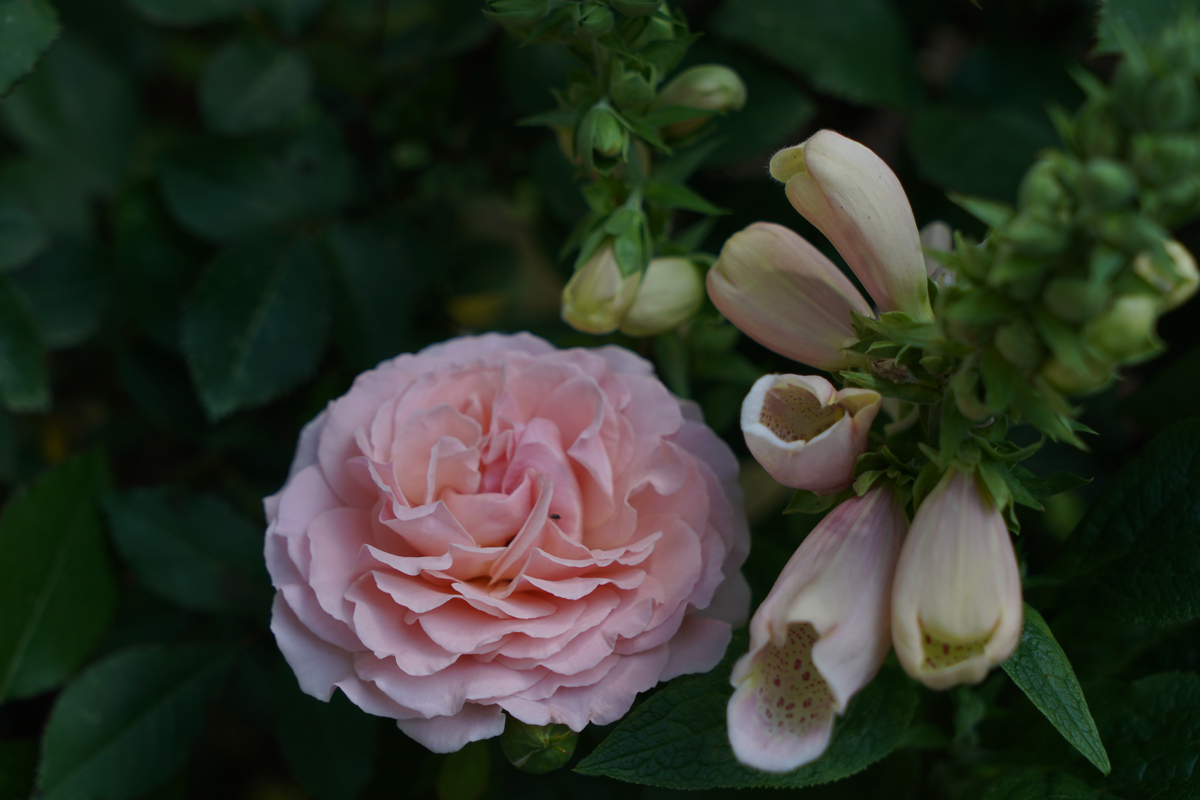
Gardens full of vertical interest and drama with larkspur, hollyhock, snapdragon, astilbe and garden phlox are only enhanced by foxglove.
Good, shorter perennials, complementary or contrasting colors, interesting foliage, and successive bloom times are all things to consider as foxglove friendly plans.

Peonies, daisies, dianthus, petunias, poppies and zinnias are especially beneficial for foxglove gardens.
Secret #10: Avoid foxglove pests and diseases
Like plants that love rich, humid gardens, foxgloves can suffer from aphids, slugs and fungi like powdery mildew.
Good air circulation, well-drained soil, and stimulation from predatory insects are often enough to keep foxglove pest and disease free.
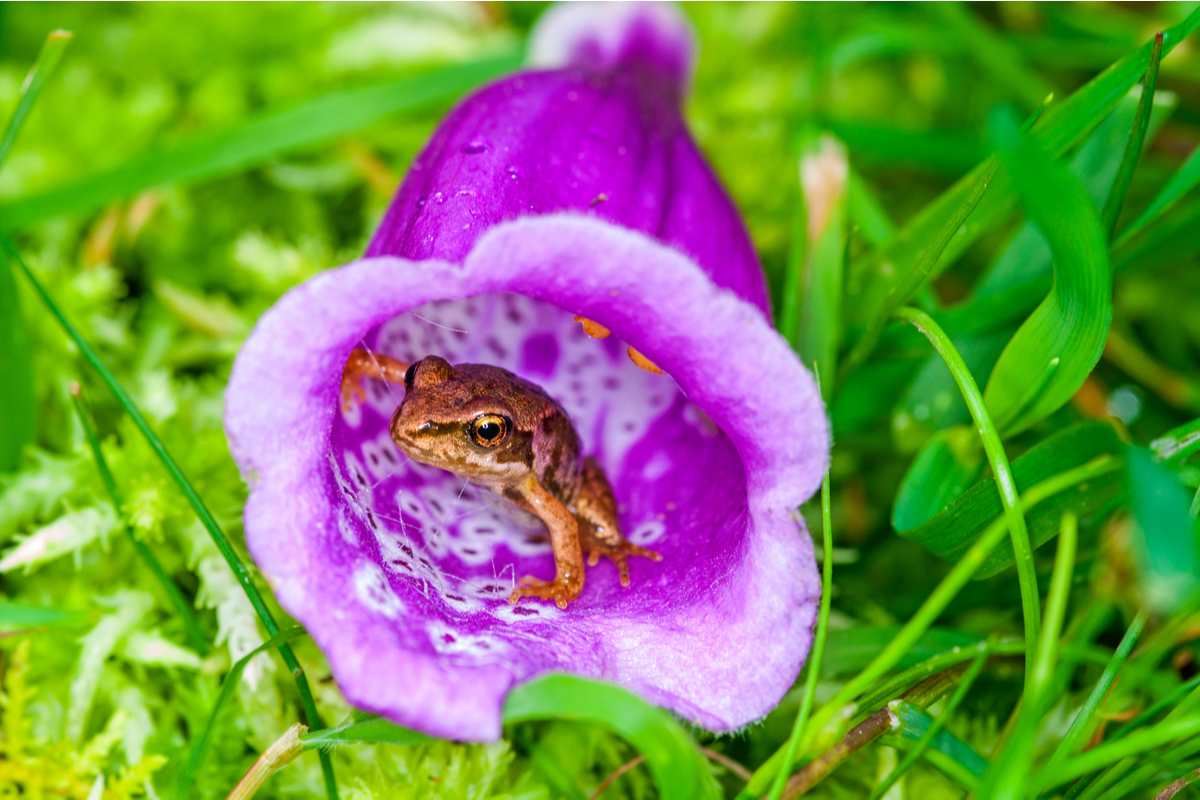
digital snapshot
| botanical name | purple digital |
| Common names | Foxglove |
| type of plant | biennial with herbaceous flowers |
| aboriginal origin | Europe, Asia, Northwest Africa |
| USDA hardiness zone | 4 to 9 |
| flower color | Pink, purple, white, red, cream, yellow and nicely mottled |
| flowering period | Late spring to early summer |
| Growth and size | 2 to 6 feet tall, depending on variety |
| Exposure | Full sun to full shade. Needs shade in hot areas. Blooms best in sun in cooler locations. |
| Appropriate soil and pH | Rich, moist, well-drained organic soil with a pH of 5.5 to 6.5. |

With these ten secrets to beautiful foxgloves, fabulous foxgloves will give you heartfelt and dramatic interest with abundant tubular blooms.