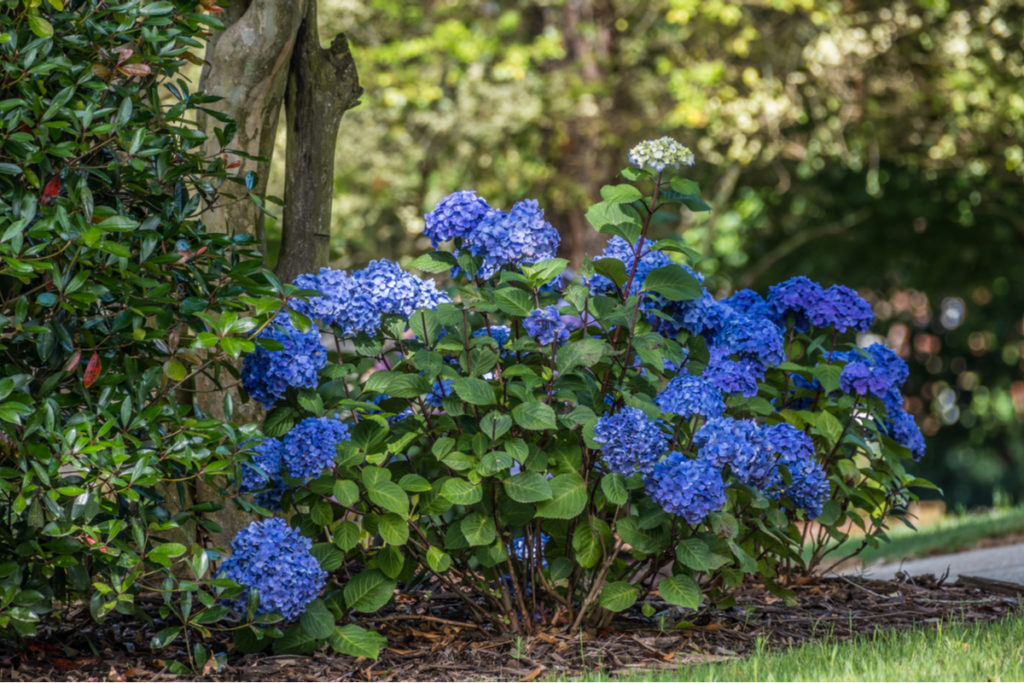

Shade in the garden is either a treat to enjoy or a challenge for a dark, damp gardener.
Fortunately, shade-loving shrubs will add valuable lushness to any shady garden.
Moisture requirements, air circulation and soil composition are all characteristics that are affected by shade.
Shade can be a relief from the hot, dry sun that is too harsh for some shade-loving shrubs. Add soil amendments that retain water and protect shade-seekers from even short periods of hot, dry sun.
The Dry Shadow Challenge
The shade can cast a shadow dark enough to even prevent rainwater from entering. Or as a shade tree, its roots can absorb all available moisture.
This is the seemingly insurmountable challenge of dry shade for the gardener.
To remedy this, use soils that hold water, water plants deeply, and look for drought-tolerant, shade-loving shrubs.
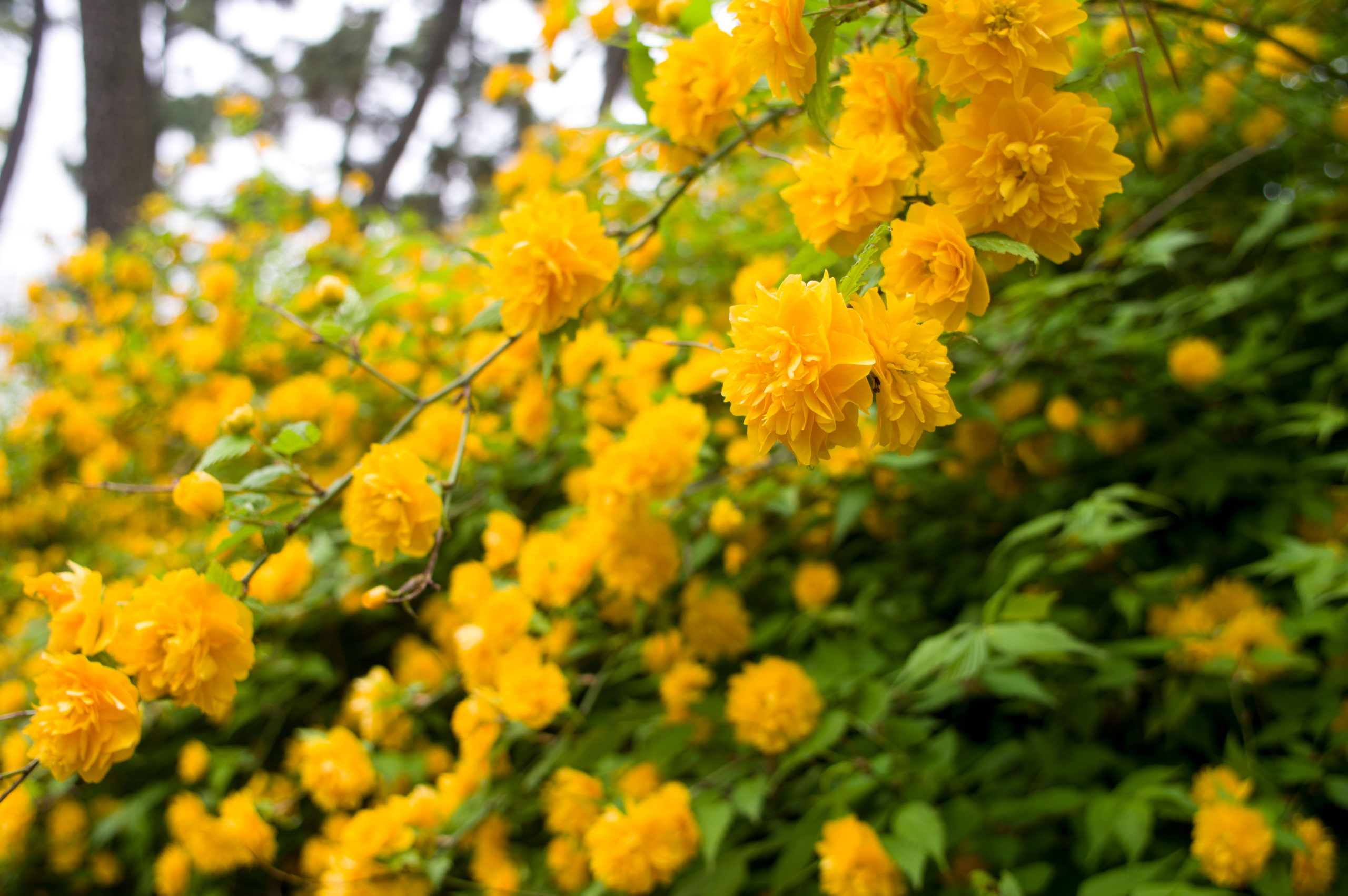 #7. japanese rose (Japanese Kerria)
 humidity and darkness
Together, poorly drained soils as well as a damp shaded area allow mold, moss and mildew to spoil the enjoyment of the garden.
Add coarse materials like sand or gravel to growing areas to improve soil drainage.
Give the plants plenty of space for good air circulation. This helps plants deal with low evaporation and high humidity.
2 questions to ask yourself before choosing a shrub for shade
Will my shrub also keep its shape in the shade?
 Boxwood
Some shade-tolerant shrubs absorb little light and grow full and dense. Others may have long legs and stretch to reach unavailable light.
In very dense shade, see our plant list for full shade.
An incredible shade superstar and a great companion for shade-loving shrubs, check out our favorite hosta varieties for any shady situation.
Will my flowering shrub also thrive in the shade?

It’s true, many flowering shrubs do best with a bit of sun. Fortunately, there are some varieties of shrubs that bloom even in dense shade.
Rhododendrons like dappled shade, north sides of structures, high humidity and acidic soil. If this is your situation, you can even thrive in the shade!
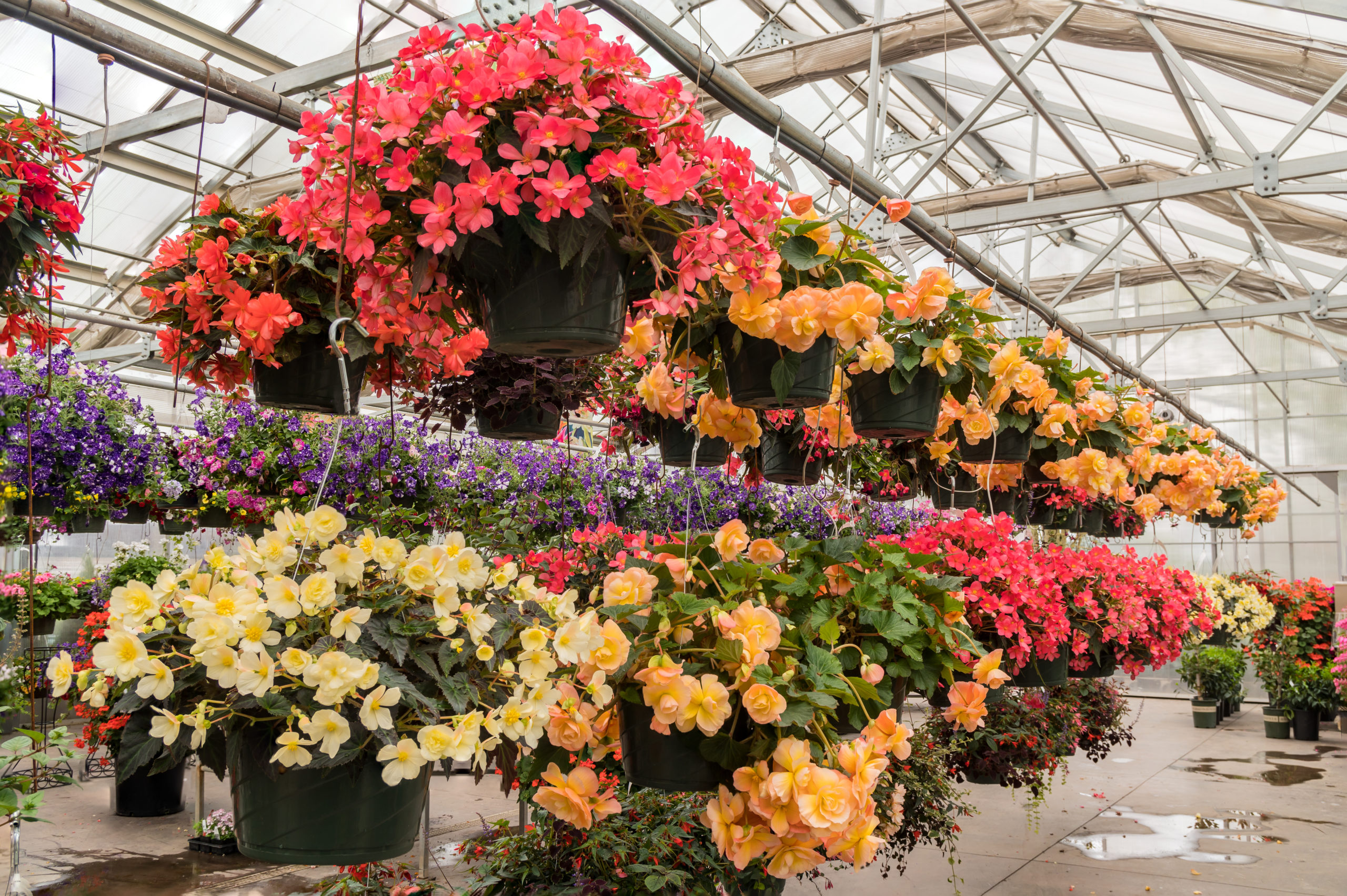
13 Best Shrubs to Grow in Shade
1. rhododendrons (Rhododendron sp.)
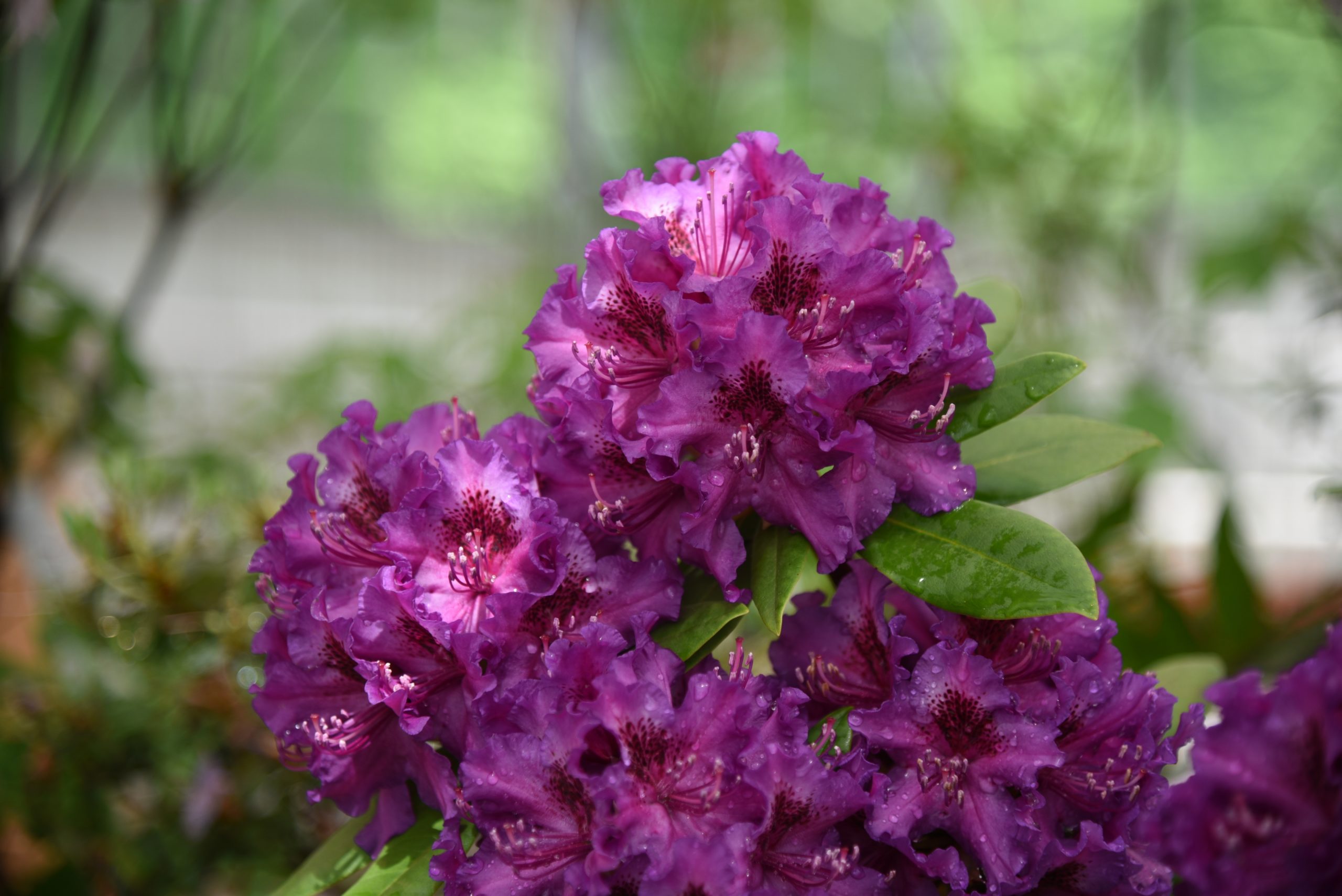
The impressive, brilliant spring flowers of this huge genus of evergreens are spectacular in acidic soils, partial to full shade, in zones 4 through 9.
From varieties over 20 feet tall to low-growing dwarf varieties that only reach 16 inches, rhododendrons have a wide variety of options.

Large, tubular flowers borne in huge clusters arrive in spring in vibrant colors of pink, white, yellow, purple and red.
2. Azaleas (Rhododendron sp.)

Azaleas are a fascinating branch of the rhododendron plant genus. Shade-loving, evergreen or deciduous, they prefer hard, acidic soil in zones 4 through 9.
Azaleas tend to stay smaller than other rhododendrons at 2 to 8 feet with smaller, thinner leaves and open branching.

In an amazing array of colors, azaleas have large single or double tubular flowers in coral, orange, red, yellow, white, purple and lavender.
3. Camellia (Camellia sp.)
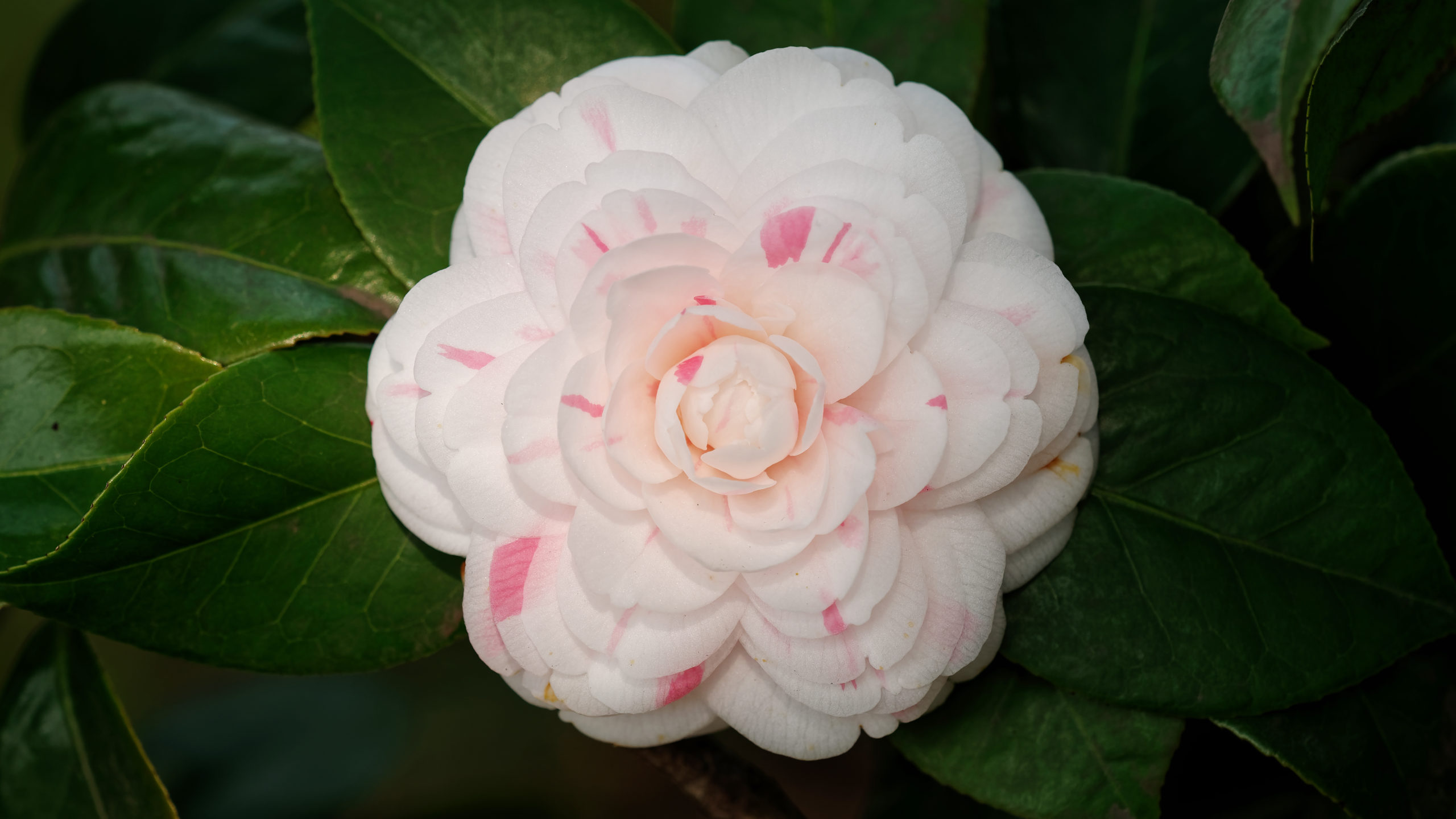
Related to fragrant black tea, many camellia plants thrive gracefully in zones 7 to 10, preferring sandy, acidic soils and partial shade.
Native to southern Japan, there are over 3,000 named camellias. They average 6 to 15 feet tall, although there are also smaller and taller varieties.
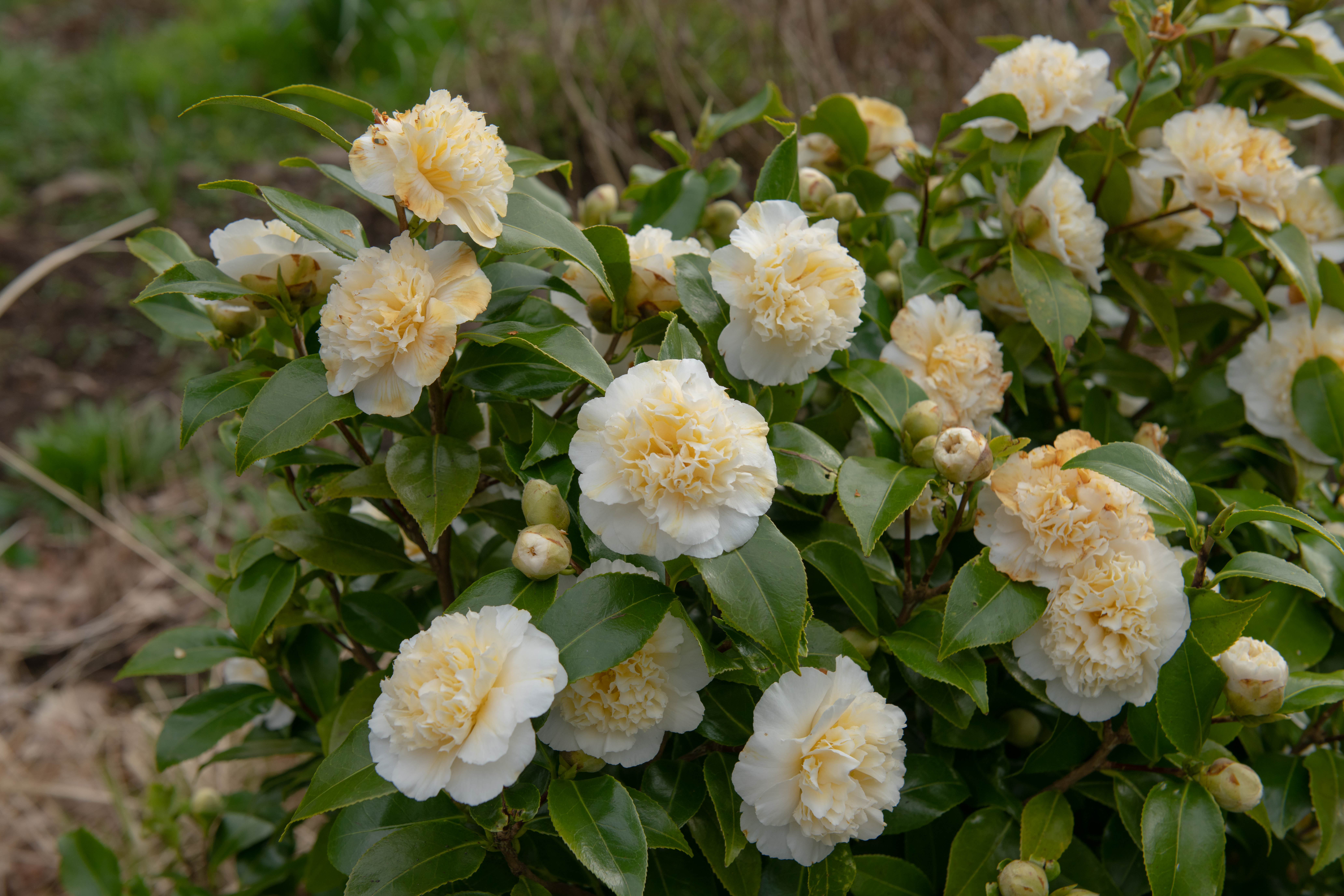
The glossy, fragrant leaves provide the perfect backdrop for lightly fragrant fall blooms in shades of white, pink and coral.
4. Boxwood (Box sp.)

Perfectly manicured boxwood topiary, borders and hedges look beautiful in sun or shade in formal gardens in zones 4-9.
Spherical, columnar, low-growing, or giant boxwood types come in all shapes and sizes.
The slow-growing nature of Buxus makes them fun to model and care for, but their shiny new growth is also fantastic.
5. Alpine Bay (Ribesalpino)
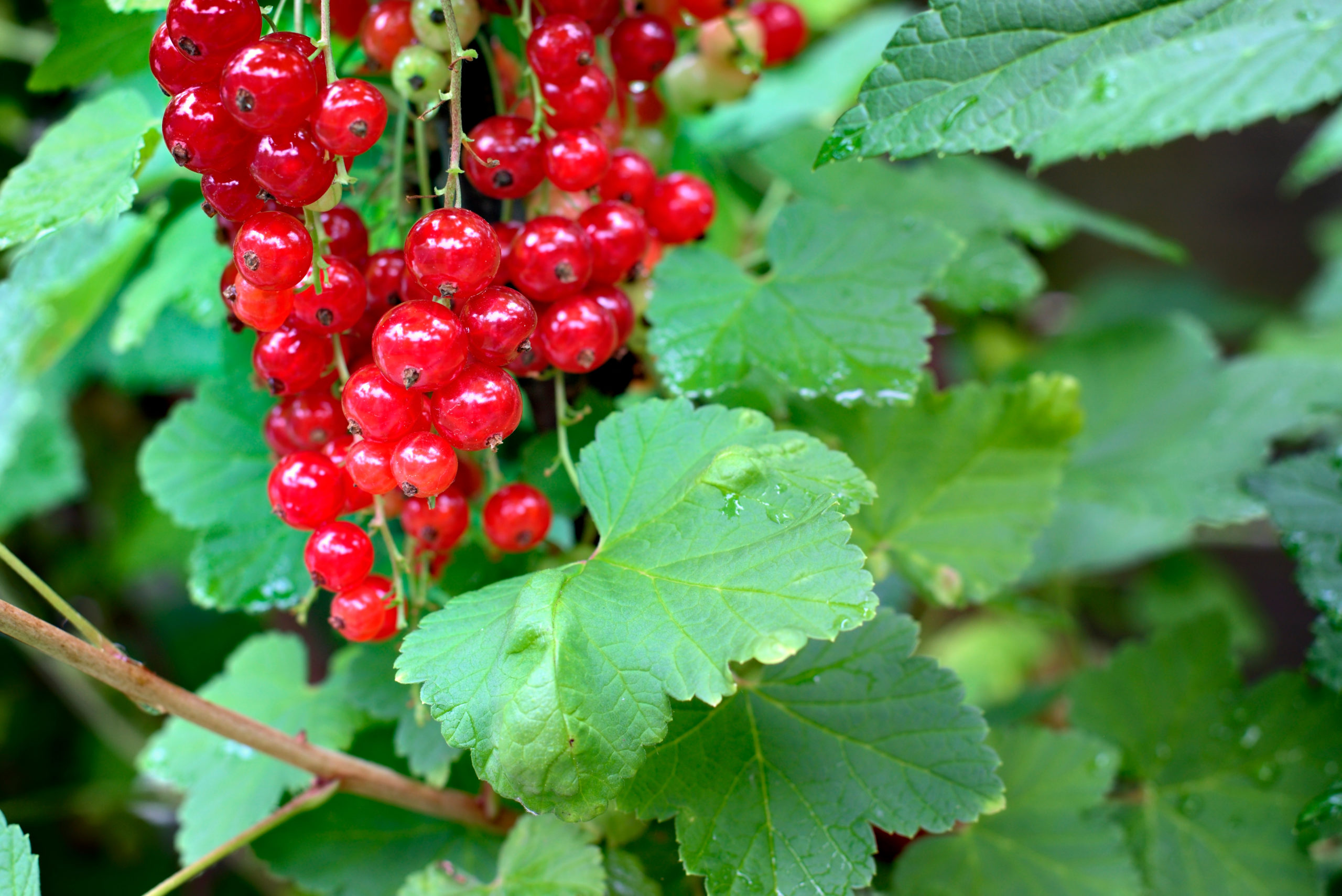
Those in cooler climates envy the boxwood that makes an alpine stream well, has bright green scalloped foliage, and thrives in zones 2 through 7.
This European native grows 6 feet tall and wide in sun or shade, which is important for growing tall hedges in any situation.
The small yellow flowers in spring turn into attractive red berries on female plants if male plants are nearby.
6. if (Taxus sp.)

Yews thrive in zones 4 to 7 in partial shade, they do best in full shade, but will survive even full sun.
Versatile enough for borders, displays or ground covers. Yews come in a wide variety of sizes ranging from 3 to 65 feet.
Hardy, low-maintenance evergreen shrub also popular as a traditional winter holiday plant for its striking red berry-like cones.
7. Japanese Rose (Japanese Kerria)
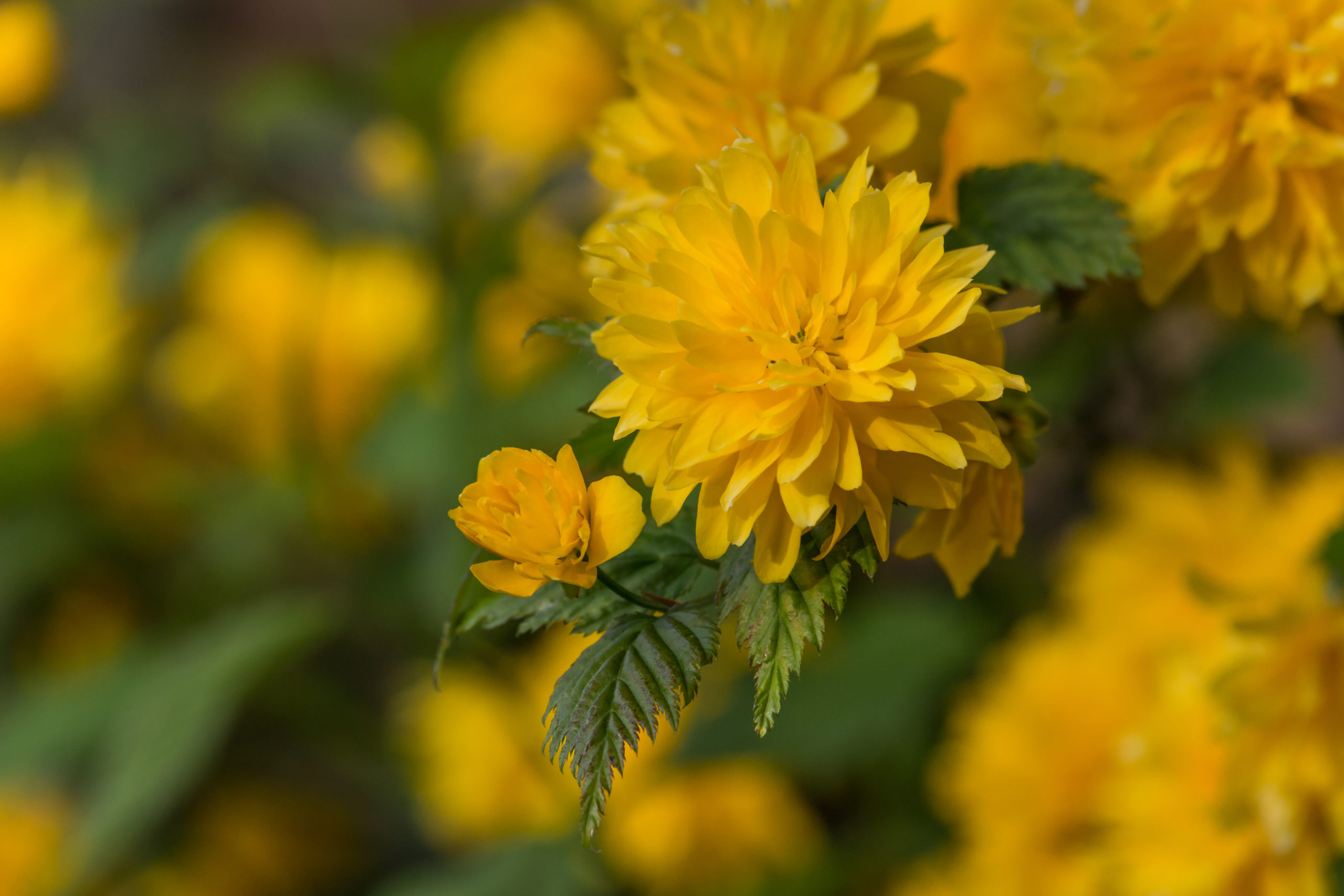
The Japanese rose is a very shade-tolerant shrub that likes poor to loamy soil in zones 4 through 9.
This shrub reaches 6 feet at maturity with some varieties, ‘Pleniflora’ being more vigorous.
With bright green stems in winter, the Japanese rose is covered in a succession of 1-inch yellow flowers beginning in spring.
8. Mountain Laurel (Kalmia latifolia)

This shade-loving, woody understory shrub is native to the eastern United States in zones 4 through 9. A relative of the rhododendron, Mountain Laurel thrives in acidic, well-drained soil.
Cultivars grow 5 to 15 feet tall and wide and also include dwarf varieties.
Large clusters of cup-shaped flowers arrive in spring in white to pink with deeper colors in a more vivid hue.
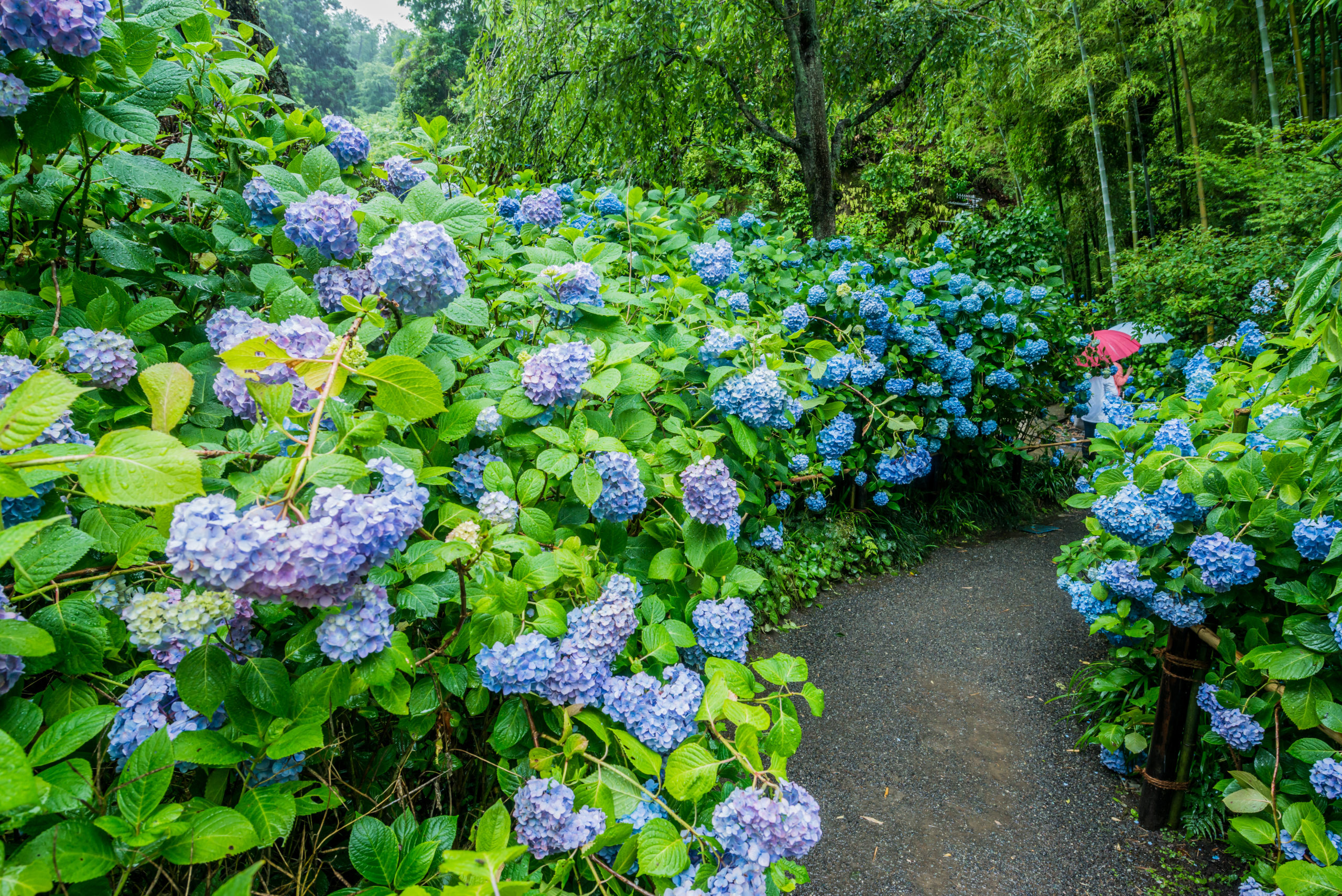
9. Hydrangea (Hydrangea sp.)
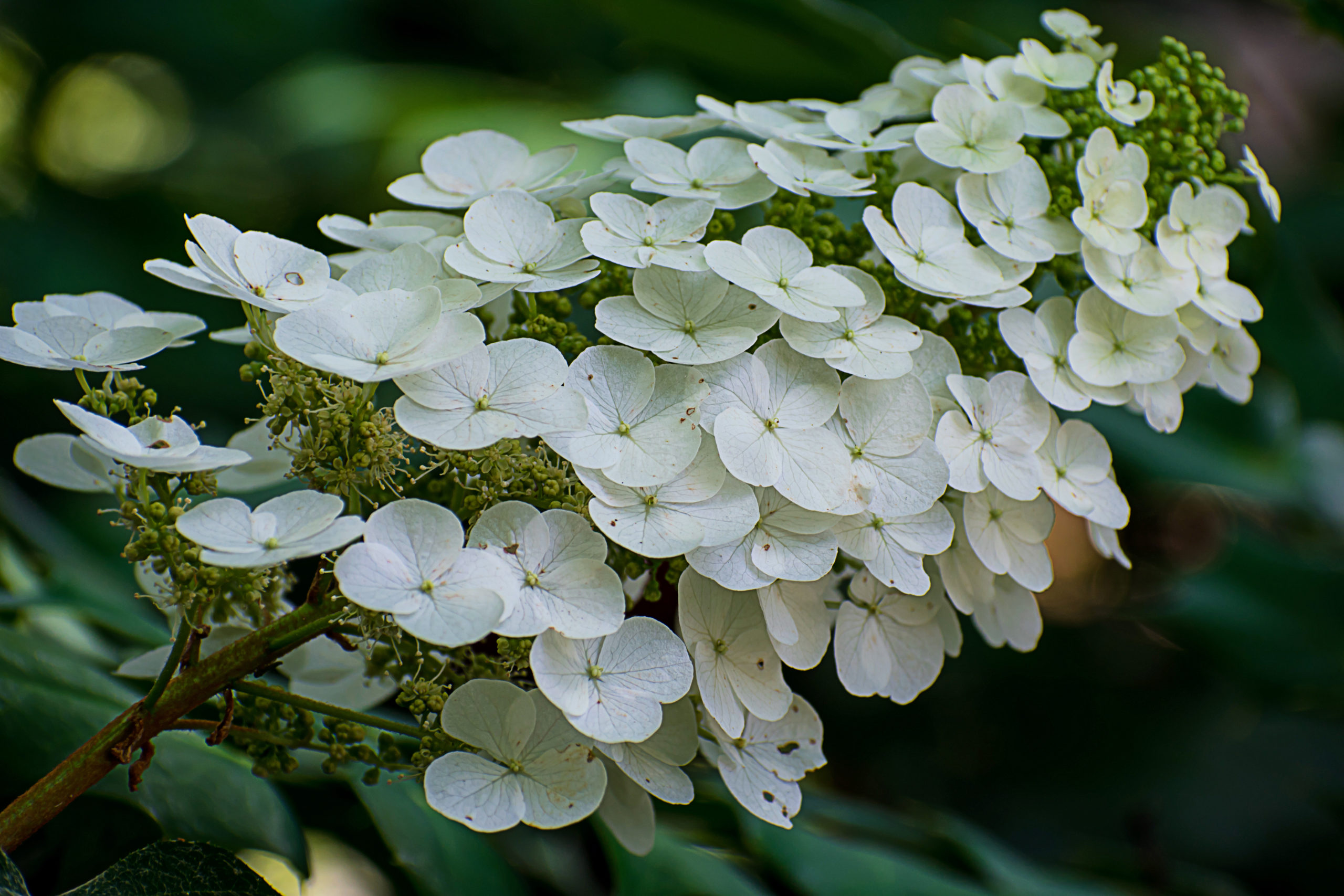
Obsessive hydrangea varieties thrive in zones 3 through 7, tolerating neutral soil and shade protection from afternoon sun.
Interestingly, spectacular variations of hydrangeas are only 1 foot tall, but can also reach 20 feet tall and wide.

The giant spherical or pyramidal flower clusters continue throughout spring to fall in changing shades of white, pink and blue to complement the attractive foliage.
10. viburnum (Viburnum sp.)
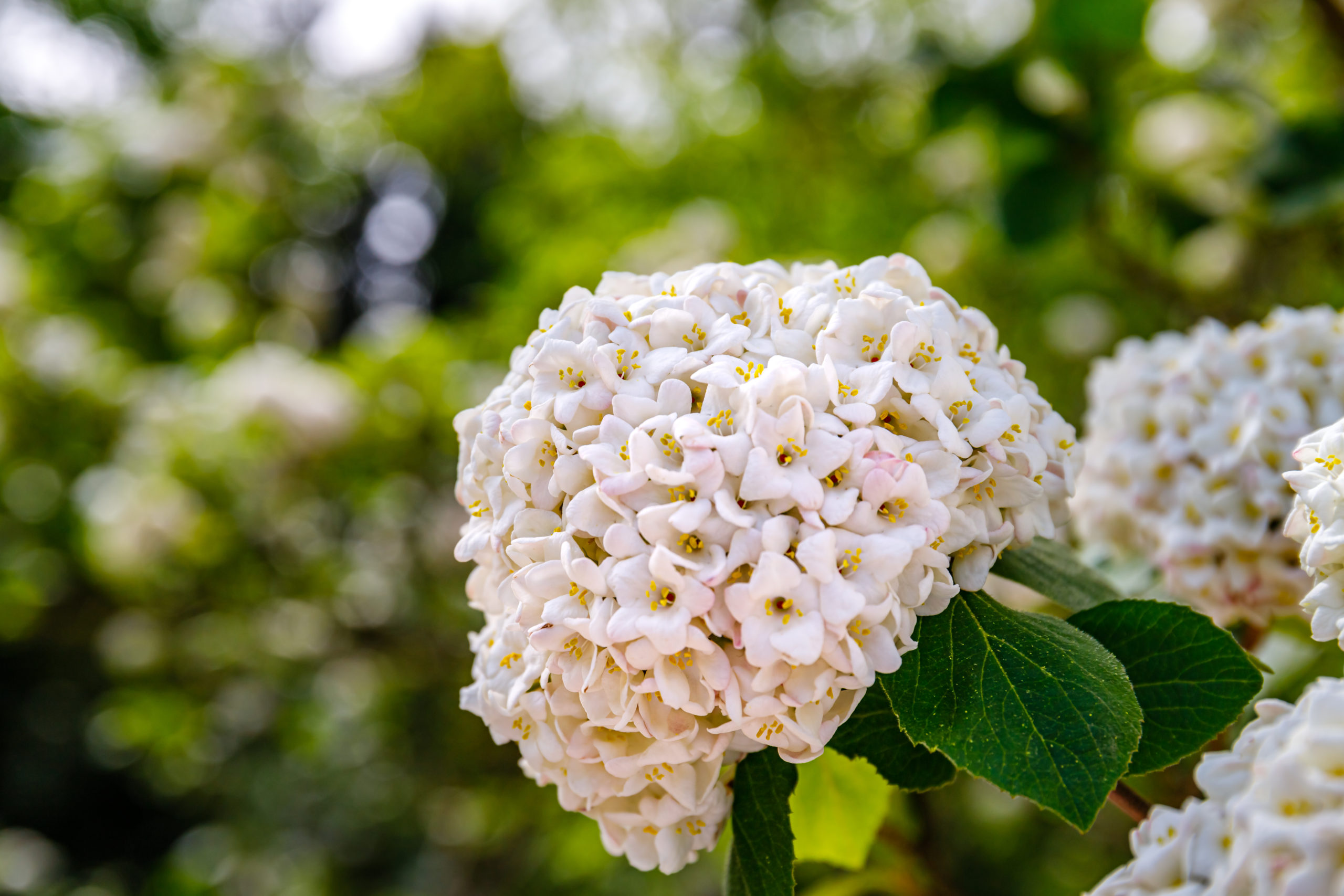
With more than 150 species, the viburnum produces neat, deciduous or evergreen shrubs that love shade and moisture in zones 2 through 9.
Ranging from 3 to 20 feet tall, the viburnum makes a good wild planting, although it will tolerate formal pruning.

The four seasons of Viburnums include beautiful fall foliage, attractive berries that last all winter, and fragrant white spring flowers.
11. Sweet Whorl of Virginia (Itea virginica)

A native shrub that prefers moist areas, loamy soils, partial sun to even deep shade in zones 5 through 9.
A low-spreading deciduous shrub reaching 3 to 4 feet tall and 4 to 6 feet wide.
The drooping branches are covered in fragrant white flowers throughout spring, although the striking dark red fall foliage is also fabulous.
12. Elderberry (Sambucus canadensis)
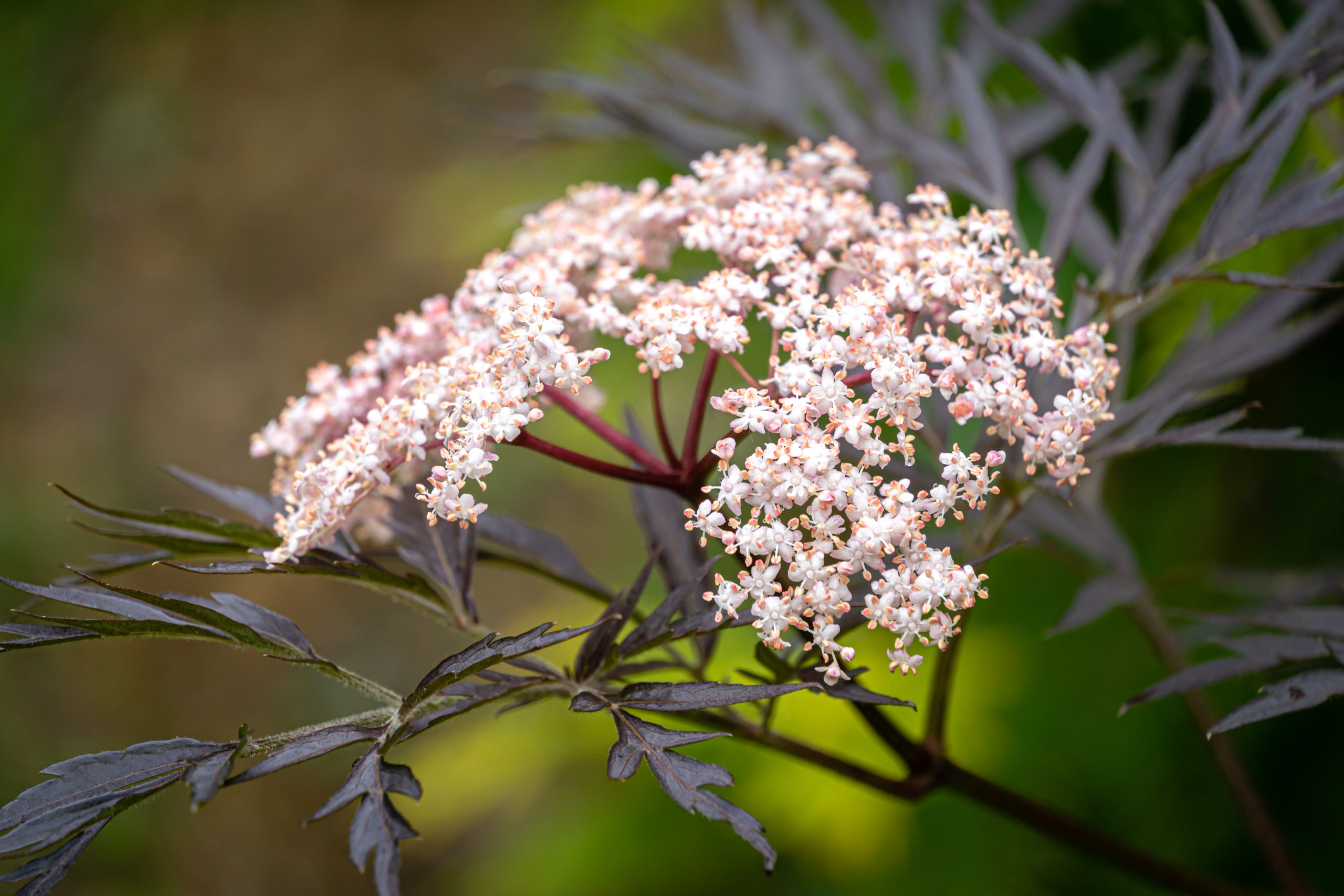
This native deciduous shrub is hardy in zones 3 to 9 and likes full sun to partial shade and moist neutral soils.
Elderberry grows 5 to 12 feet tall and 3 to 6 feet. For added interest, lace-leaved varieties, as well as varieties with nearly black foliage, make elderberries a unique choice.
Succulent berries are borne deep black from creamy white clusters of fragrant flowers in summer.
13. Dogwood (Cornus sp.)
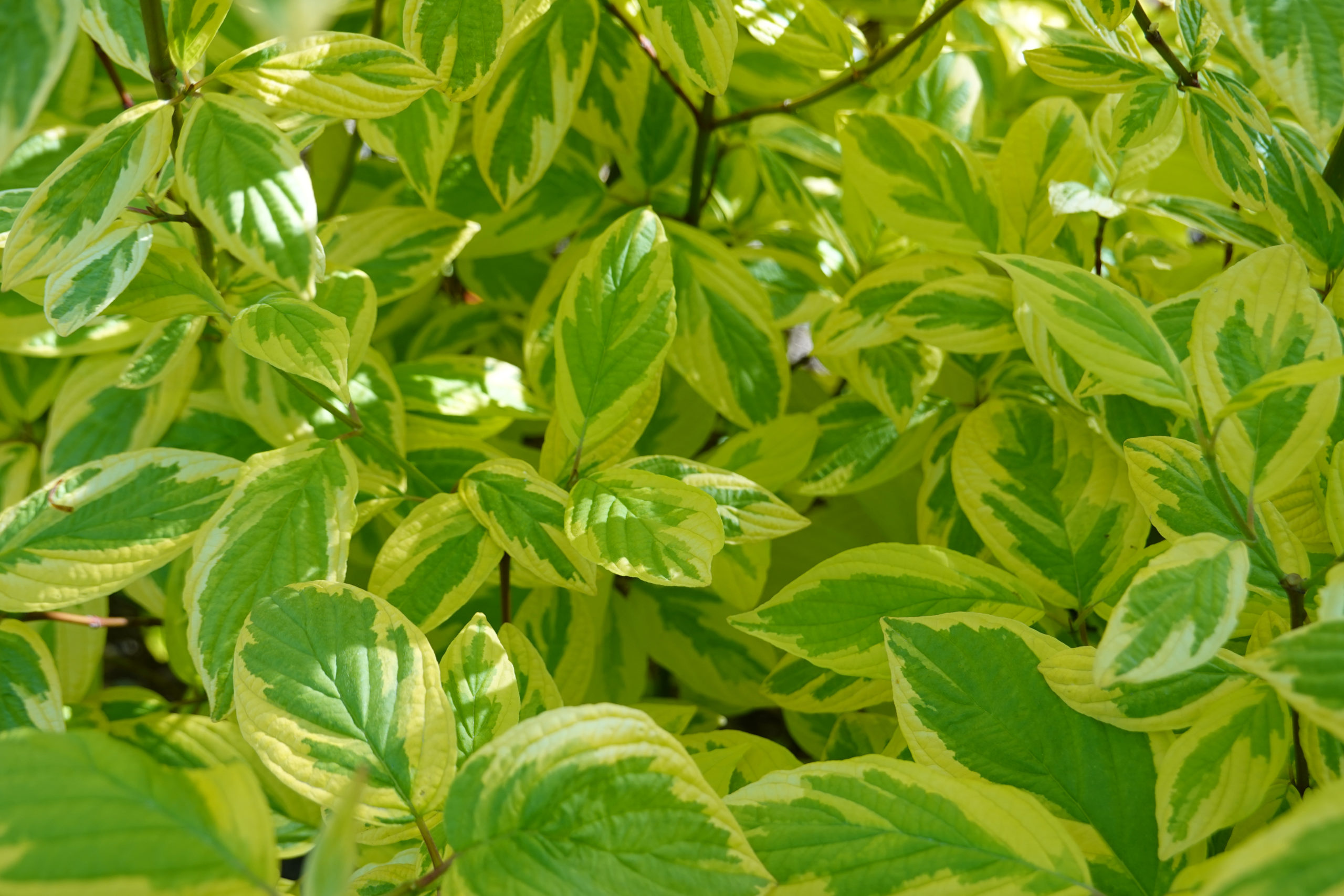
A genus containing 30 to 60 species of shade-loving understory plants can be found on every continent in zones 2 to 9.
There are pretty ground covers as short as 4 inches tall, but most varieties of shrubs and trees grow 10 to 25 feet tall.
Depending on the variety, the bright red stems, large clusters of white flowers, and interesting foliage options, dogwood trees are incredibly useful in the shady landscape.

Combining the best shade-loving shrubs with their perfect shade conditions will create delicious garden treasures!