
If you purchase an item through links on this page, we may earn a commission. Our editorial content is not influenced by commissions. Read full disclosure.
Many indoor plants need lots of indirect light and warmth. They thrive in warm rooms with plenty of sun throughout the day. Does this mean that cool rooms with less light should be devoid of indoor plants? The answer is a definite no.
With the right choices, even cool, dark rooms can have the joy of houseplants.
If you have a room that could use some plants, but you’re worried about light and temperature, worry no more. Let’s look at plants that are suitable for low light and cool temperatures.

Plants to choose for cold, low-light rooms
Don’t let past failures put you off. Often plants succumb to their conditions because it was simply the wrong plant to be where it was. Some plants are tender and specific to the environment.
There are few rooms where at least some types of plants do not grow and thrive. Sometimes it’s enough to experiment.
We look for plants that tolerate both low light and cool rooms. Many plants will take one, but houseplants that can survive both conditions are less common.
1.ZZ factory

ZZ factory (Zamioculcus zamiifolia) is a wonderful choice and definitely tops this list. You may be familiar with this plant because it is often found in indoor public spaces. Indeed, it requires little attention, does not fear the cold and always looks perfect even in low light positions.
In fact, she looks so perfect out of sheer negligence that many people think she’s a plastic plant.
Water only when the soil is dry. Overwatering in cool rooms is a recipe for root rot. Another great thing about the ZZ plant is that if you want to move it to a warmer, brighter room, you can. As long as it is not exposed to direct sunlight, otherwise its leaves will turn yellow or curl.
2. Maidenhair Fern
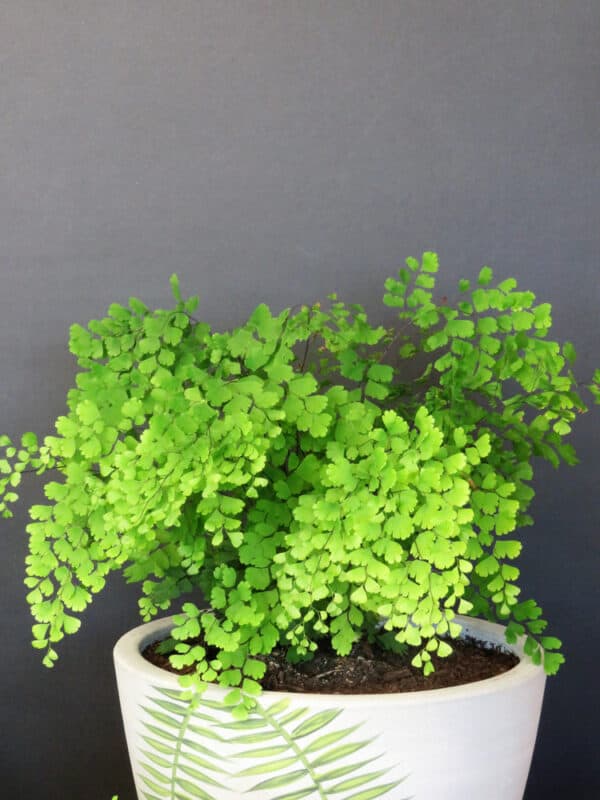
Although this houseplant is suitable for low light and cooler rooms, it is certainly not as hardy as the ZZ plant.
Maidenhair Ferns (adiantum spp.) require soil to remain moist. This can be a challenge in cool rooms, so make sure the potting soil and pot drain well.
Maidenhair ferns do well in bathrooms that are often dimly lit and not heated or kept cooler than the rest of the home. They don’t care about the steam created in the bathroom or varying temperatures.
3. Snake Plant
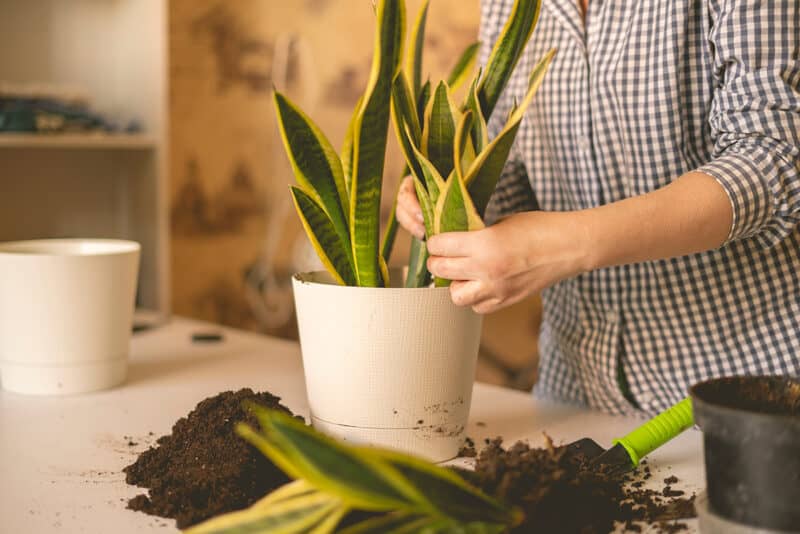
Snake Plant (Dracaena trifasciataPreviously Sansevieria) is another easy-to-grow plant. It accepts dimly lit and cool rooms and forgetful gardeners who let the soil dry out. They also recover quickly if they start to deteriorate.
4. Jade
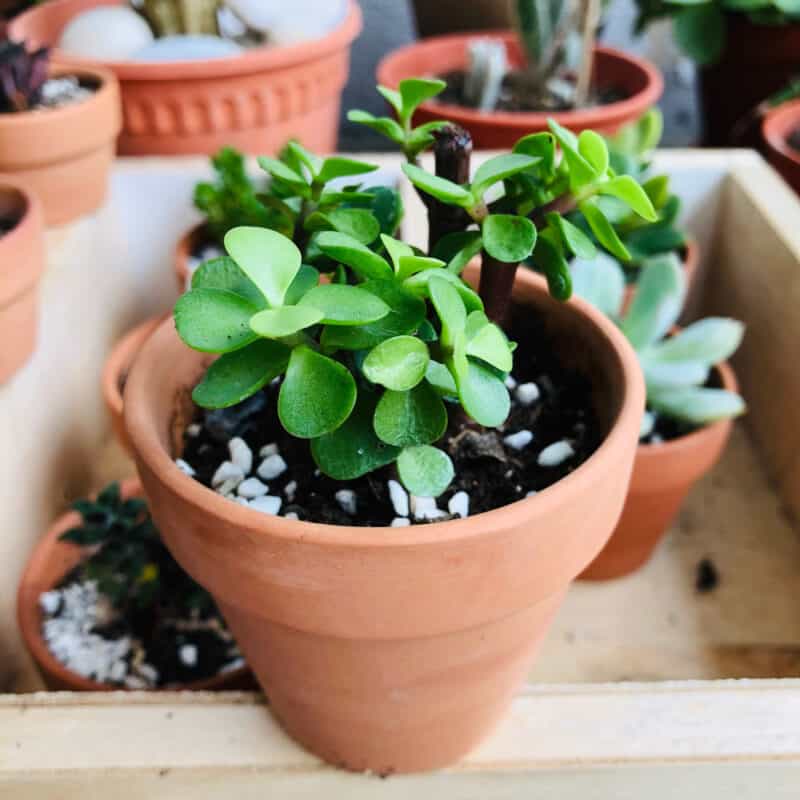
Although the jade houseplant (Crassula oval) prefers indirect sunlight, it will also tolerate poorly lit rooms. Jade can withstand cool, sudden winds, so it is acceptable to place it near a window or doorway.
Jade requires constant watering, and to keep foliage shiny, fertilize with liquid fertilizer monthly in spring and summer.
5. Philodendron
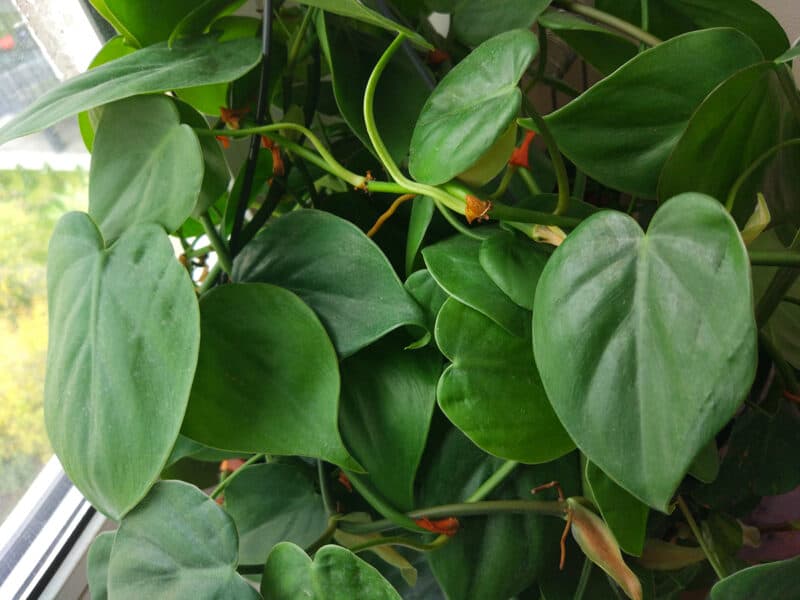
Philodendron (Philodendron spp.) is a tough houseplant. The only difficult thing is its need for quality potting soil and a reasonable amount of moisture.
It is relatively unaffected by cold temperatures and does not require much care. Low light does not bother him, as long as there is light in the room.
6. Chinese Evergreen
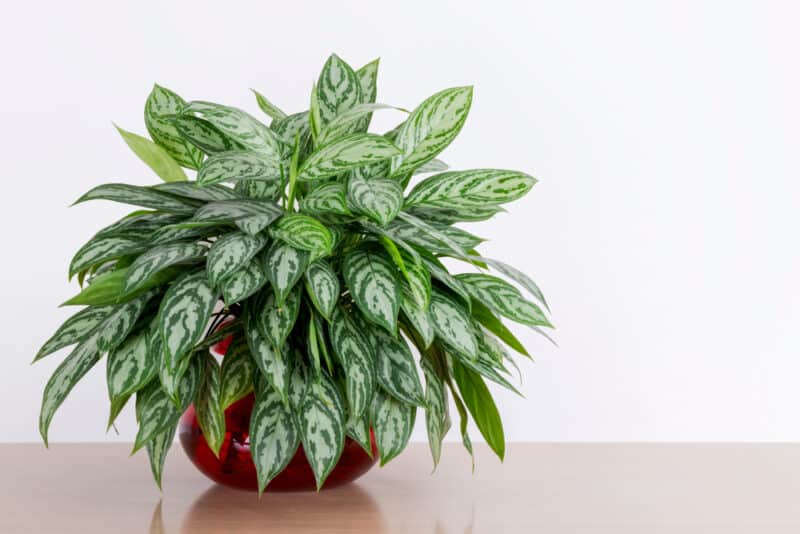
Chinese evergreen leaves (Aglaonema spp.) is perfect for cooler rooms with lower light levels. It even remains lush and green in these conditions, especially since it normally likes subtropical environments.
Keep it evenly moist. Never overwater the Chinese evergreen.
7. Cast Iron Factory
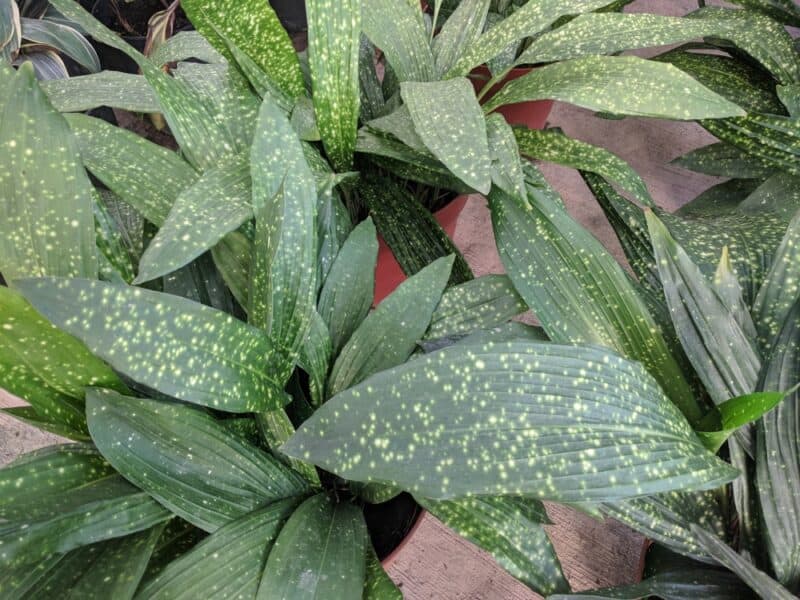
Like cast iron itself, this plant is nearly indestructible. Low light is not a problem for the cast iron factory (Aspidistra elatior). A cool room won’t phase it either. Just give the cast iron plant some water when the soil dries out and it will keep looking great.
8. Rubber factory
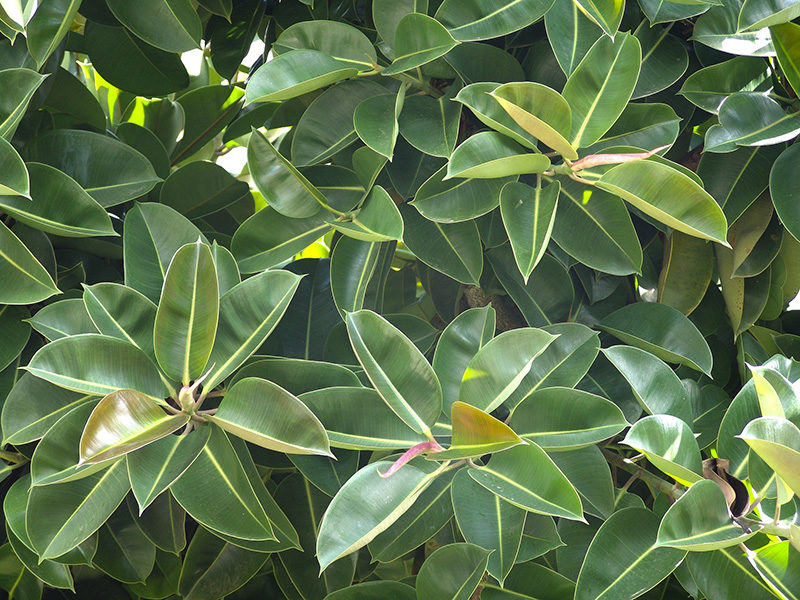
Rubber factory (elastic ficus) was a popular houseplant that went out of style for a while.
Recently it has become popular again, and one of the reasons is that it is such an easy plant to grow. The rubber factory also looks good even when the conditions aren’t perfect. You can place this plant in low light areas and it will take temperatures as low as 39ºF.
When the rubber tree is in a low light situation and the temperature is low, you need to water it precisely. Let the soil dry out between waterings, but not too long. Don’t overwater it and don’t let the soil get soggy.
9. English ivy

I have included English ivy (hedera propeller) as it thrives in dark rooms and can withstand cool, but not consistently low, temperatures. This indoor plant is ideal for a room that you can heat and cool regularly.
I have an office that I only heat when I’m in it and stays cool the rest of the time. My English ivy is happy and thriving.
When planted outdoors, English ivy is invasive and cannot be planted in some areas. Indoors, however, it can be planted in a hanging basket or in a container that allows it to hang and hang around.
Pinch out the growing tips for a bushier shape.
10. Lady Palm

lady palm (Rapis excelsa) is a plant that prefers moderate temperatures and humidity, but is adaptable. It can thrive in a constantly cool room or one where the temperature fluctuates.
Although palm trees do better in indirect sunlight, they do well in low-light rooms if you’re careful.
Start your new Lady Palm houseplant in a cool, low-light room. If you find you need to move an existing palm tree from indirect sunlight to a darker, cooler room, do it gradually if you can. Every few days, move it a little further out of indirect light and into lower light.
I did and the lady palm fit well. If he looked a little stressed, I left him where he was longer and moved him when I thought he could handle it.
11. Kentia Palm
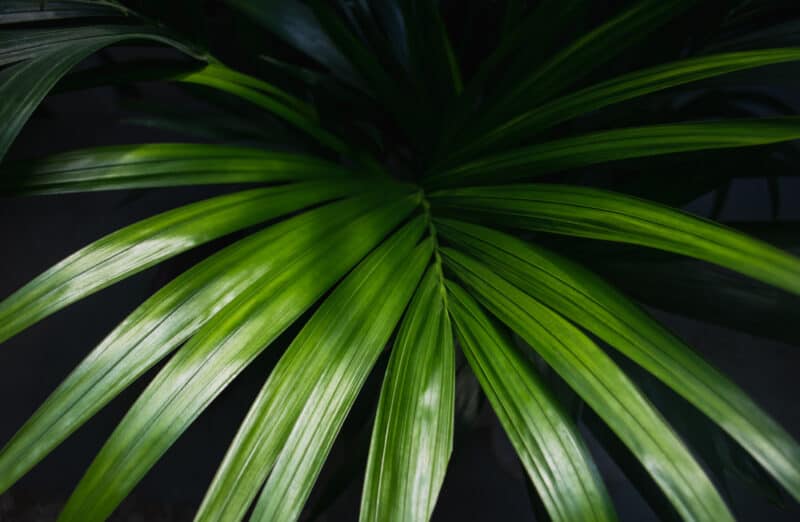
Kentia Palm (Howea forsteriana) will produce more fronds in indirect sunlight but will work well in low light conditions. It will just produce fewer fronds.
The Kentia palm will do best in warm homes, but has been known to do well in temperatures as low as 25°F for brief periods.
It is a tall plant and is often used for the “wow factor”. The fact that it is so adaptable makes it perfect for low light and cool rooms.
12. Prayer Plant
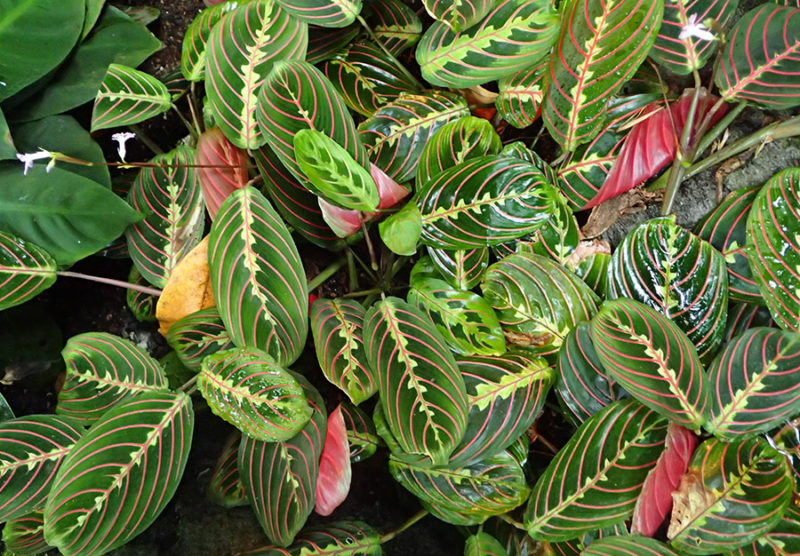
Prayer Plant (Maranta leuconeura) loves low light areas and will provide colorful foliage even without much sun. The color actually fades with sunlight.
Although it only tolerates cold down to around 65°F, it will do well with consistent cool temperatures around that. Most warm rooms are well above this, but if you go cooler, be aware that the prayer plant’s humidity requirements increase.
I achieved this by placing a few cold tolerant plants with the prayer plant in the middle of the group. Temperatures below 55ºF are detrimental.
13. Peace Lily
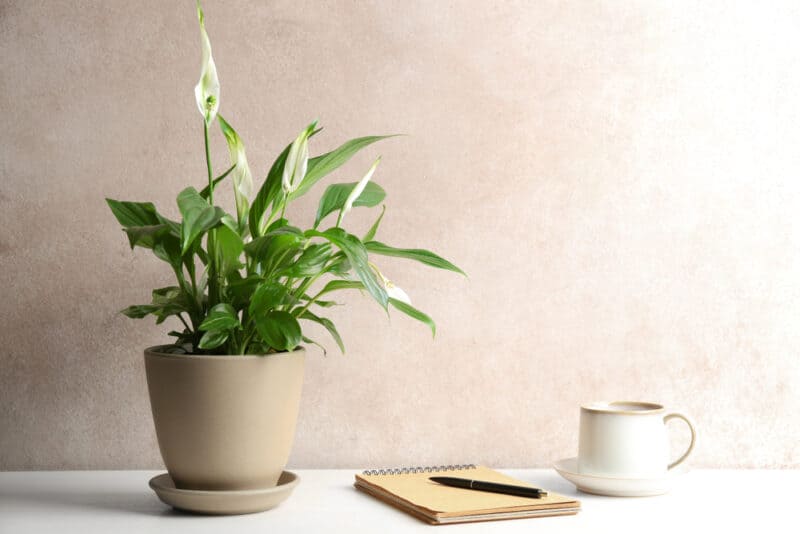
The peace lily is a houseplant that tolerates low light or brighter indirect light.
It will tolerate nighttime temperatures as low as 60°F, so if you have a room that is warm during the day and cool at night, the peace lily is perfect. If you have a room that is consistently cool around 60°F all day and night, your peace lily should be fine.
Any lower than that and this plant will struggle.
Avoid drafts and sudden temperature drops. Also avoid placing a peace lily in the direct airflow of an air conditioning unit or drafty window.
Tips for houseplants in low-light and cool rooms
- Even light from LED fixtures helps plants, so don’t be afraid to place your plants near artificial light sources in low-light rooms.
- Consider hanging baskets in dark rooms if the main light source is from the ceiling.
- Do not overwater plants in cool rooms. Cold, wet soil is a recipe for root rot and other soil-related problems. You may only need to water for a week or two depending on the plant you have.
- Keep plants as healthy as possible. Dust the leaves so they can take advantage of the little light in the room.
- A little light can make a big difference. If a plant struggles in low light and cool temperatures, moving it a few feet to more light or a warm wall or area can make all the difference it needs.
- Be prepared for houseplants to slow down in low-light, cool rooms. Even plants adapted to these conditions may not grow quickly.
- If temperature and light vary in the room, avoid extreme shifts. Try to ensure subtle changes to prevent the plant from being stressed. It is often the changing conditions that cause problems, not the cool or dimly lit environment.
Was this article helpful?
Yes No ×
We appreciate your helpful feedback!
Your response will be used to improve our content. The more feedback you give us, the better our pages will be.
Facebook pinterest