Many of us have that stubborn stain in the garden that refuses to drain properly. After rain, water accumulates and does not seem to go away, which makes planting incredibly difficult.
But before you give up looking for a solution, take a look at these moisture-loving perennials. These not only tolerate these tough areas of your garden, but they thrive there. They are also ideal for planting in bog gardens or along streams or ponds to add something extra.
In addition to thriving in moist soil, these plants are generally easy to care for. If they get the humidity they like, they will take care of themselves for the most part.
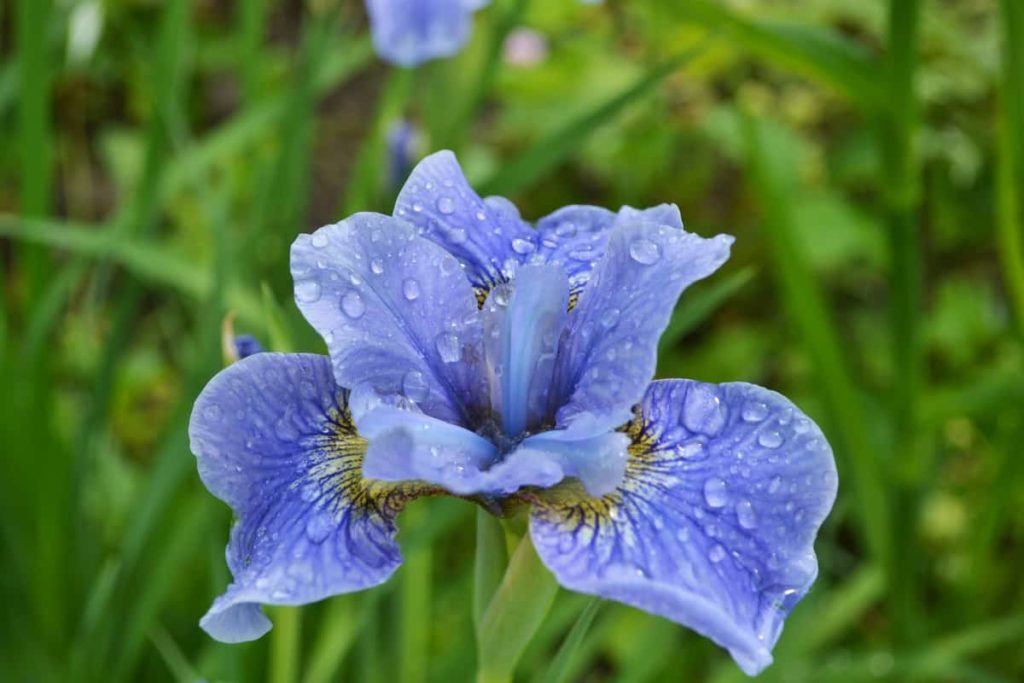
Iris

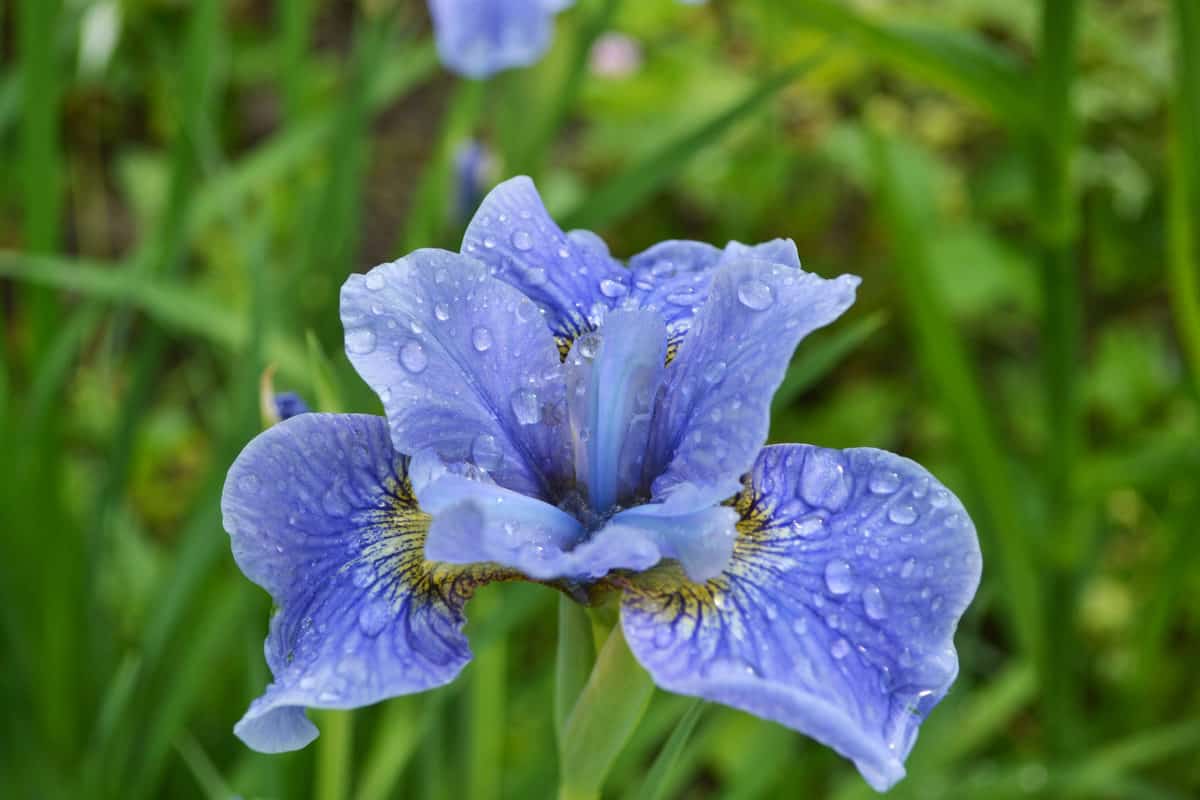
The iris grows along river banks and in swamps and is a classic water-loving plant. They produce intricate, colorful blooms throughout spring and summer in a variety of shapes and sizes, depending on the variety you choose.
In fact, there are over 200 different types to choose from. The most common is germanic iris, a bearded iris. As long as the tall stems stay dry, the roots like to be in consistently moist, fertile soil and actually prefer these conditions.
rustic hibiscus
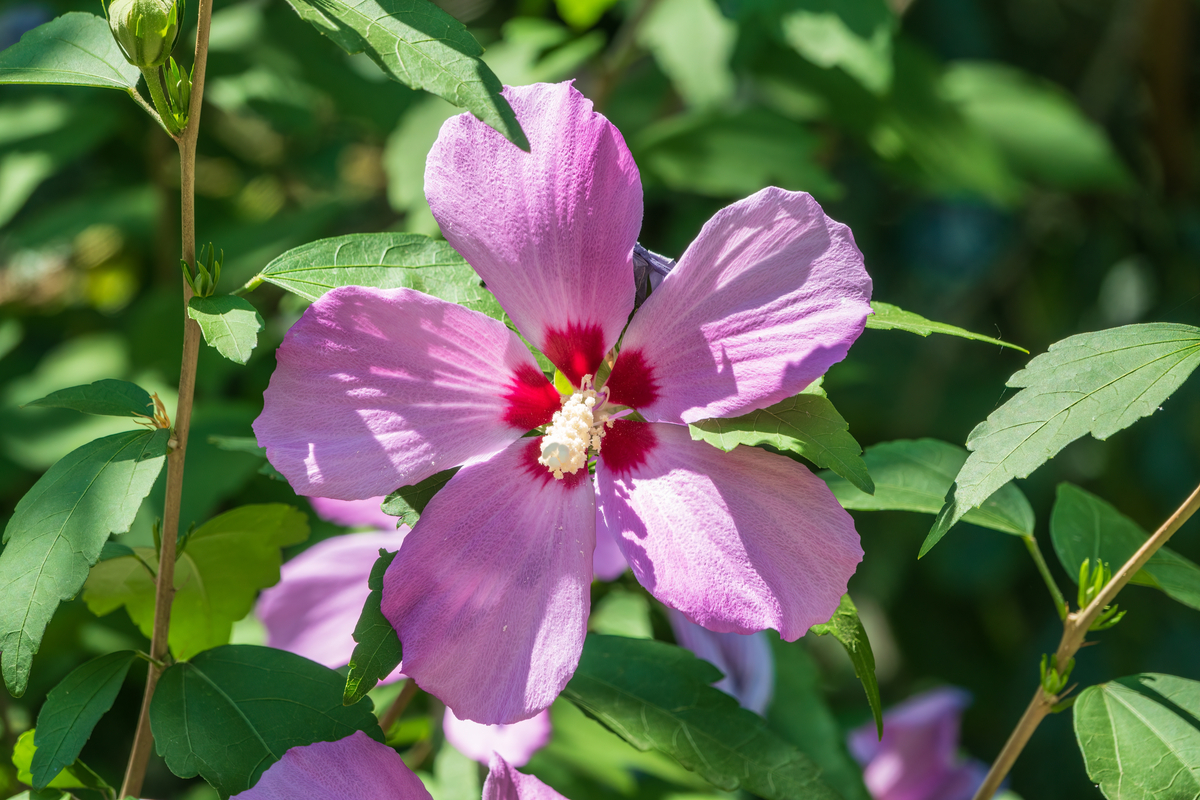
Hibiscus is a gorgeous tropical beauty with large flowers that is a feast for the eyes in any garden. While most species need warmth and well-drained soil to survive, some species with different native habitats are ideal for areas with moist ground. Some of them are known as hardy hibiscus.
Native to humid areas, these plants like to sit in moist soil for long periods of time. They are perfect for planting near ponds where their large flowers can really sparkle in the sun. Choose from several interesting cultivars in red, white, pink and even blue.
Power
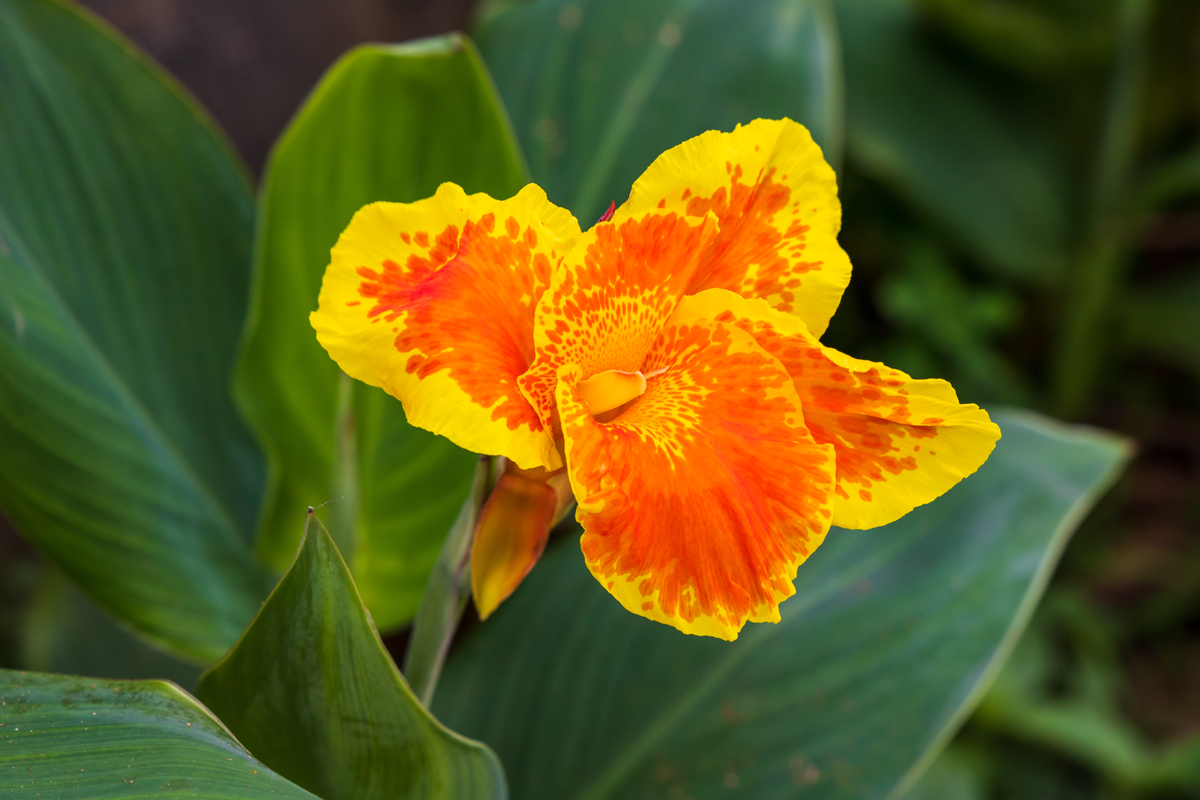
If you want to add bright, fiery color to your garden, look no further than the canna lily. Standing upright with straight, smooth leaves, the interesting spiny flowers provide a wonderful contrast not only in shape, but also in color.
Canna lilies are perennial members of bog gardens due to their affinity for moist, nutrient-rich soils. They are ideal for areas of the garden where water tends to pool after a rain, making planting difficult. Although one or two plants are sure to stand out, these beauties look best planted Mass.
Spider

Scientifically known as Tradescantia, spiders have interesting flowers that range from purple to pink to white. Although the flowers only bloom one day, these plants are very prolific, ensuring there is always color to enjoy throughout the season.
Spiderworts are not used to wetting the soil too much in their natural habitat. But because they tolerate a wide range of soil conditions, they can grow happily for short periods in wetter soil than usual. They may even thrive better with a constant supply of water, although they are somewhat drought tolerant.
cardinal flower

Lobelia cardinalis is known for its showy dark red flowers which attract various pollinators to the garden. And if that wasn’t reason enough to love them, you can add humidity lovers to the list.
In their natural habitat, cardinal flowers grow along streams or other water sources and in areas of high rainfall. They like water better than most plants and will get the most flowers in these conditions.
calla lily
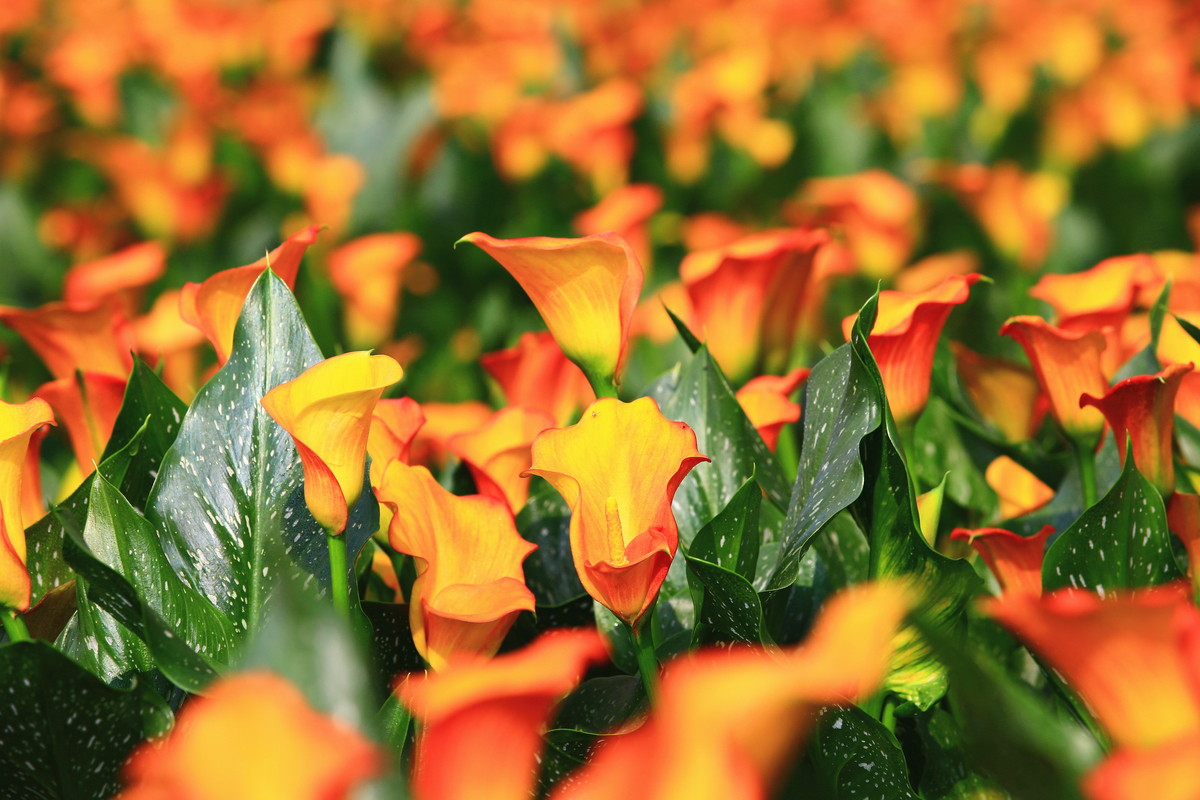
Not to be confused with the aforementioned canna lily, water lilies are beautiful plants in the family Araceae, related to popular houseplants like the peace lily. Native to South Africa, Zantedeschia is incredibly easy to grow due to its tolerance to a wide variety of growing conditions.
Calla lilies love moisture and need plenty of it to stimulate their interesting, colorful blooms. However, they do not tolerate very soggy soils and are therefore not suitable for areas that are often flooded. The soil should remain moist but not soggy to prevent root rot.
The ear of an elephant
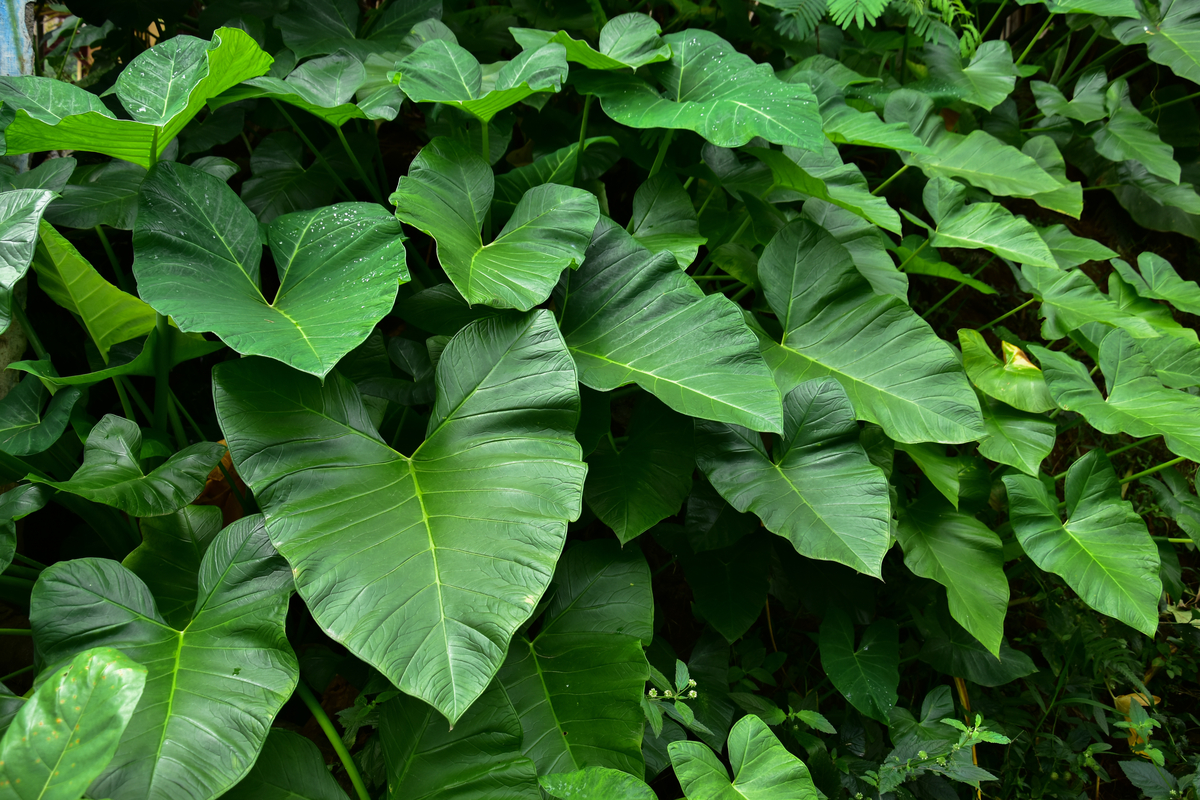
If you prefer foliage to flowers, the elephant ear is for you. colocasia esculenta (also called Taro) is a beautiful, showy plant with huge green leaves that give it an instant tropical look. They are also easy to grow, happiest when given moist, nutrient-rich soil.
It is important to be careful when planting these tall foliage plants. They are classified as invasive in tropical areas because the tubers tend to spread quickly in humid areas, choking out other plants and absorbing nutrients. If you live in California, Florida, Alabama, George, or South Carolina, steer clear of these plants and opt for one of the others on this list.
marsh sunflower

The common name of Helianthus angustifolius just explain what kind of conditions you like. Native to the United States, the bog sunflower is an ideal candidate for wetlands in your garden, brightening up the area with its sunny blooms.
These plants also have the common name narrow-leaved sunflower because of the shape of the leaf. This makes them ideal to combine with plants with large foliage for a good contrast. The flowers’ brilliant color is sure to stand out no matter what water-loving companion they’re paired with.
astilbe

With delicate blooms and mesmerizing colors, there’s nothing not to love about the Astilbe genus. The stems of these plants reach a few feet tall and are covered in captivatingly colored blooms that come to a point. The foliage is also soft and lush, adding to the delicate appearance of the plant.
Astilbes love both shady and moist areas of the garden, adding a splash of color to dark areas. Once they’re in bloom, you can cut off the long stems and bring them indoors to use as a cut flower, or hang them upside down to dry longer.
Ponytail

Something like bamboo, Equisetum hiemale it is a unique plant to consider for the more humid areas of your garden. Growing with erect stems that give the appearance of an ornamental grass, this perennial plant grows up to one meter in height and is incredibly easy to care for.
Horsetail is so easy to grow that it spreads in almost any condition and can become invasive if not carefully controlled. This makes them ideal for areas of the garden where nothing else will grow, including areas with standing water such as ponds. But if you don’t want them to take over, better keep them in a pot.
Papyrus

All history fans probably already know all about the Cyperus papyrus, commonly known by its specific epithet papyrus. They were widespread in ancient Egypt and are best known for their use as paper, but they were also used for food, clothing, and furniture. And they also make wonderful perennials in home gardens.
Papyrus grows near water sources. When planted in wet, muddy areas, or even in shallow water, they grow quite quickly. Combine that with warm temperatures and you should have no problem growing this helpful plant.
Tremendous

The common name of Caltha palustris it’s confusing in some ways and incredibly useful in others. This plant is actually not a marigold and even comes from a completely different plant family. But the “swamp” part of the name is perfect, as it describes the ideal growing conditions for these beautiful plants.
Native to North America, these plants are ideal for bog gardens. Its roots can be almost completely submerged in water and still bloom, producing pretty clusters of yellow flowers.
ostrich veil

Ferns have a reputation for being somewhat difficult to care for. They like warm weather, high humidity and high humidity. Fortunately, most of these problems when planting in a humid environment have already been solved without much effort on your part.
ostrich ferns (Matteuccia struthiopteris) are among the most popular outdoor ferns with a classic upright, bushy form. Native to forests and swamps, they are happiest when in consistently moist soil with lots of clay. Combine that with plenty of shade and extra nutrients and your ferns will thrive without issue.
royal fern

Although less common than the beloved ostrich fern, king ferns are also an excellent choice for moist, shady areas of your garden. Scientifically known as osmunda regalisThe fronds of this fern are bright green and erect, erect among other shady plants.
King ferns are excellent choices for planting near streams or ponds, as long as they are shaded by a nearby tree. In the right position, they can live happily for years without any intervention from you.
ligular
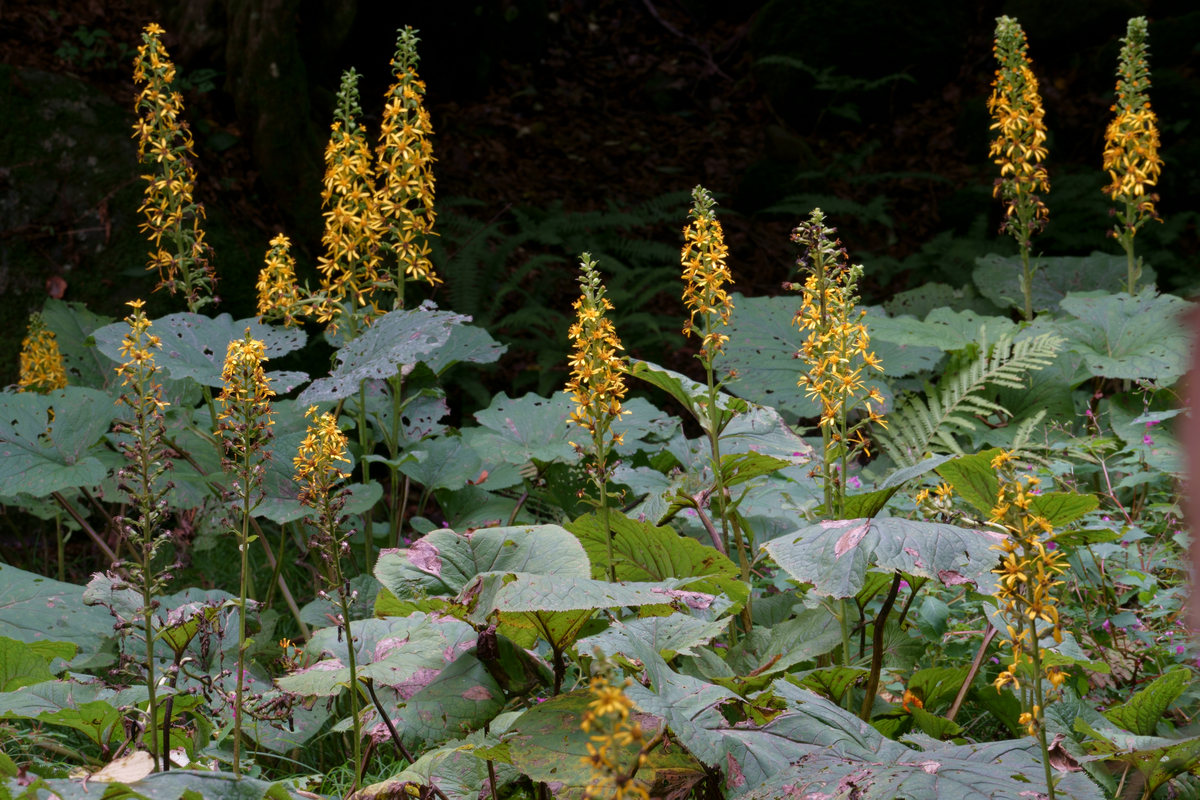
With over 100 species in a diverse genus, Ligularia is an excellent foliage plant for wetlands. They are also called ragwort flowers, but they are not related to the troublesome ragwort which is a different genus.
The large green leaves of the Ligularia genus stand out in shady gardens. And when planted in the moist, boggy conditions they love, these plants will produce clusters of bright yellow flowers that vary in shape depending on the species.
trumpet vine

Campsis radicans is a “set and forget” vine native to North America. When planted in the right place, trumpet vine will spread quickly without any attention. These plants are so aggressive that they often take up space and need to be controlled if you want them in your garden without killing other plants or spreading outside.
Since trumpet vines can grow almost anywhere without a problem, they are well suited to wet areas where other plants struggle to grow. But before planting, be prepared to do maintenance to limit growth.
grass lace

Native to coastal areas and often found in shallow water, soft string grass is the perfect grass for wet areas of the garden. This soft, delicate grass looks best when planted in large clumps, as found in their native North American habitats.
Cordongrass is often planted along rivers or in swamps to prevent soil erosion. They also make excellent hiding places for local wildlife, especially to attract birds to your garden. With enough moisture, this grass grows with very little effort.
Flooded areas of the garden don’t have to be difficult or even boring. You can be sure that these perennials will thrive in moist areas of your garden.