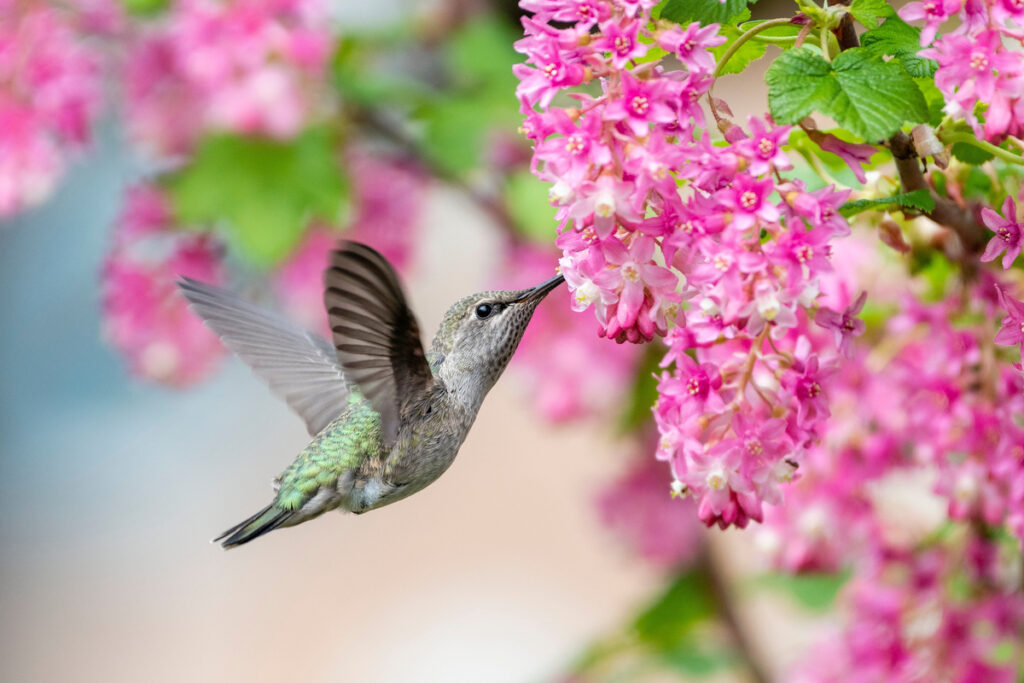
Hummingbirds are a celebration of environmental stewardship with every feather iridescent.
Plants that provide floral nectar, as well as secure perches and nesting areas, are surefire ways to attract hummingbirds to the garden.

Increase hummingbird visits by providing food and shelter year after year with a variety of trees, shrubs, perennials, wildflowers and annuals.
hungry hummingbirds
Consuming 5-8 meals per hour and eating half their weight in sugar per day, hummingbirds consume flower nectar, sap, and small insects to support their vibrant, high-energy lifestyles.
Hungry hummingbirds thrive on brightly colored, nectar-rich flowers.
Hummingbirds help us in the garden by eating many small insects, such as aphids.
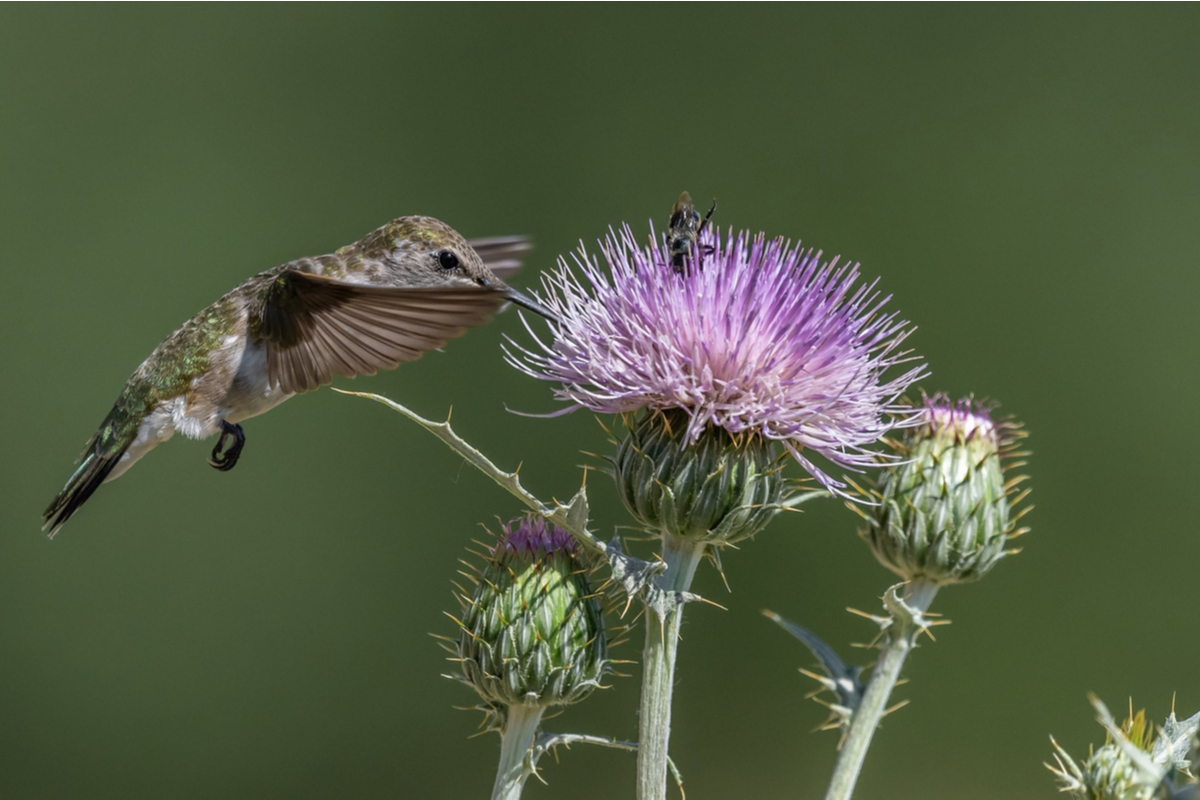
small but mighty
Mesmerizing in flight, hummingbirds’ aerial dominance in diving, weaving and stopping adds drama and intrigue to our flourishing backyards.
With tiny hearts beating 1,200 times per minute, wing beats around 80 times per second, and diving speeds reaching 60 mph, hummingbirds are evolutionary marvels.

Only 3-4 inches long, weighing about 3.5g, imagine a migration distance of 1800 miles with hummingbirds traveling up to 800 miles non-stop across the Gulf of Mexico!

Of the 325 hummingbird species in the world, 8 species breed in the United States and about 24 hummingbird species visit seasonally.

Good date: Hummingbirds make their nest with lichens and spider webs!
Territorial and aggressive, hummingbirds bravely protect themselves and their territory from much larger birds, including hawks.
Happy Hummingbird Habitat
Here’s how to create a happy hummingbird habitat to keep hummingbird populations healthy.
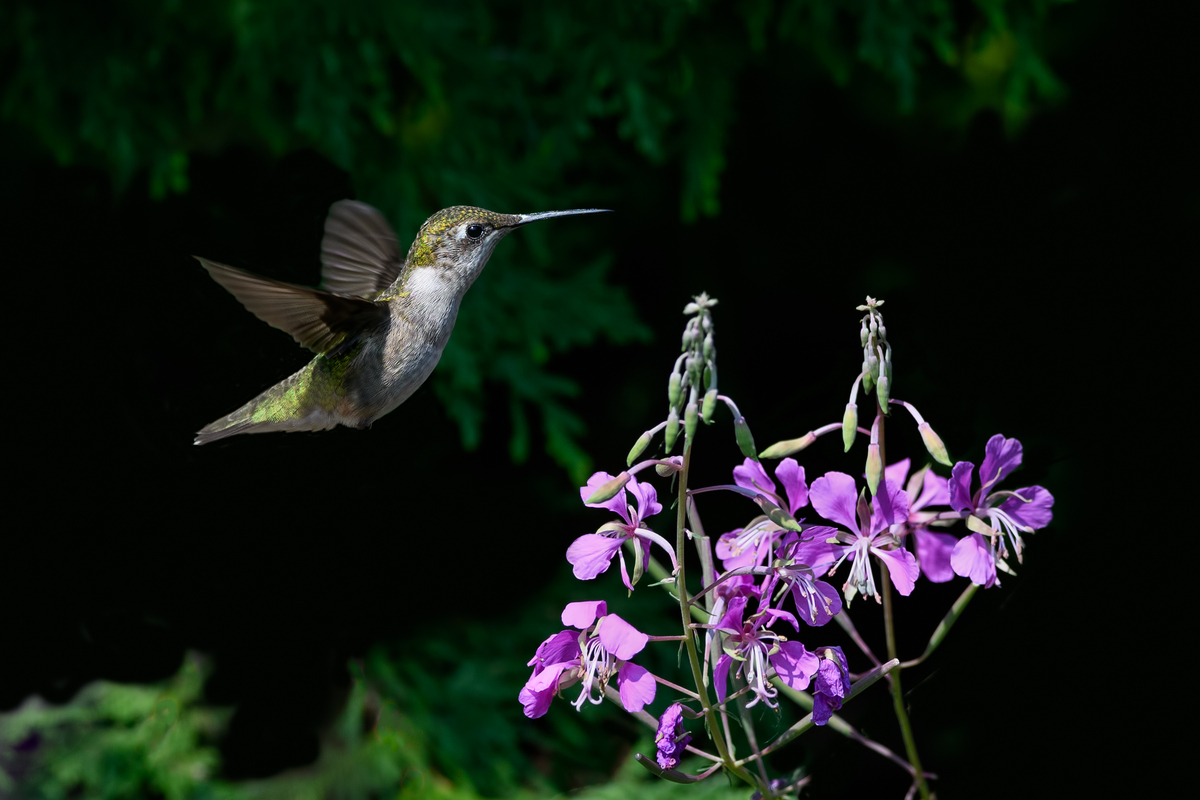
- Grow nectar-rich flowering plants.
- Plant a wide variety of flowering plants to provide multiple food sources.
- Grow plants with a wide range of flowering times to spread the feast of nectar.
- Provide winter shelter and food sources, as surprisingly some hummingbirds hibernate in parts of the United States and southern Canada.
- Encourage wild and free native plants to welcome visiting hummingbirds.
- Hummingbirds rest on perches that you can provide with wire, branches, vines, and fencing.
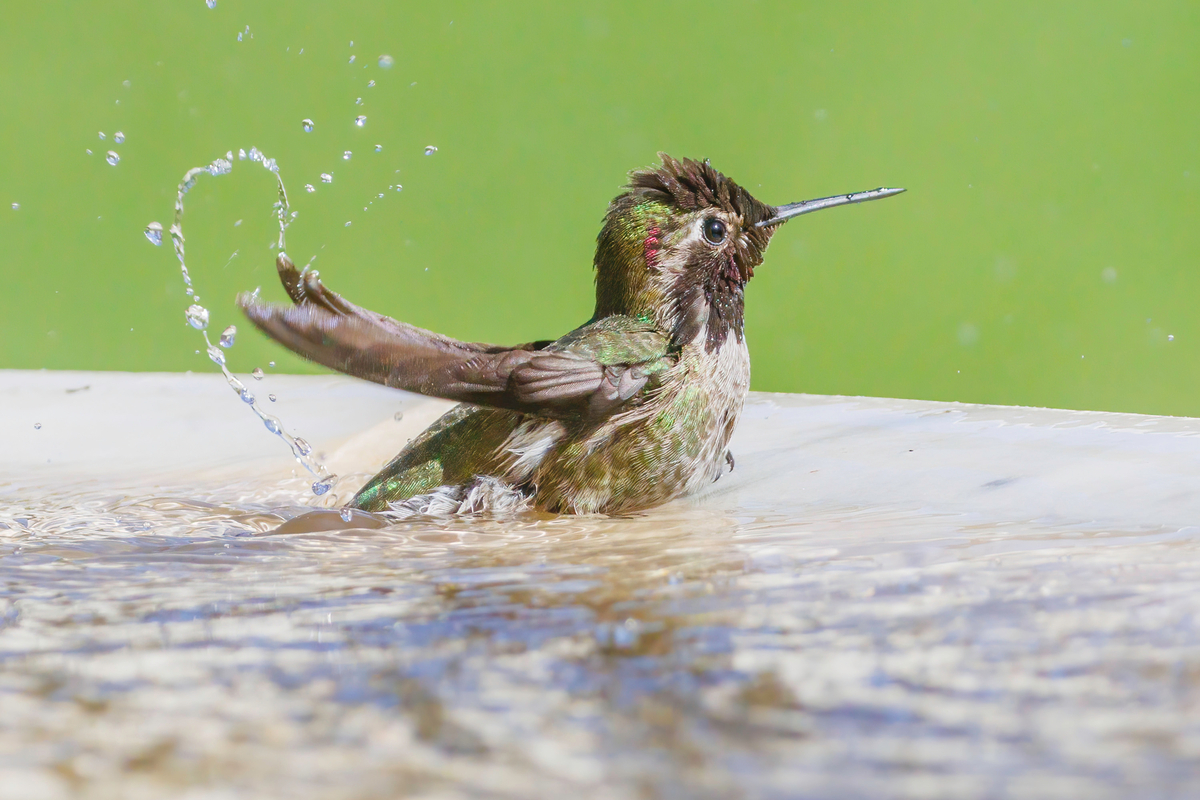
- Provide shallow water and misters for hummingbirds to cool down or remove sticky, sweet nectar.
- Isolated sheltered areas on branches provide safe breeding grounds for hummingbird nesting.
- Hummingbirds eat insects. Avoid the use of pesticides to protect this important food source.
- Share the love by talking to your neighbors about how to foster a happy hummingbird habitat.

20 Best Plants to Attract Hummingbirds
Put to the test, hummingbirds visit these annuals, perennials, vines, shrubs and trees at every flowering opportunity!
annual
Annuals bloom profusely, providing hummingbirds with energy-rich nectar for many months in spring, summer, and fall.
1.lantana (Lantana)

A broadleaf evergreen shrub in zones 8 to 10, lantanas are grown as annuals in cooler climates and bloom yellow, orange, pink and purple all summer long.

In full sun, the brightly colored and prolific flowers of the lantana provide tons of nectar to feed hummingbirds, even in hot, dry conditions.
2. Zinnia (Zinnia)

Commonly grown as flamboyant annuals, zinnias are ½ to 4 feet tall and bloom from early summer until the first frost with layers of petals in pink, purple, red, orange, yellow, white and green. .

Thriving in moist, well-drained soil in full sun, zinnia petals make perfect perches for hungry hummingbirds.
3. Petunias (Petunia)

Masses of timeless, effortless color from spring through fall with hillside habits that are glorious in gardens and hanging baskets.

Petunias like full sun and rich, moist soil to summon hummingbirds with their giant, trumpet-shaped flowers.
perennials
Accustom your visiting hummingbirds to these abundant perennials that attract hummingbirds and bloom year after year.
4. Bee Balm (Monarda sp.)

During the summer, with profuse blooms in pink, purple, red, and white, bee balm grows 1 to 5 feet tall in zones 3 to 9.

A natural source of native nectar, lemon balm is a hummingbird magnet that thrives in varying conditions, from full sun to partial shade in rich, moist soils.
5. Cardinal Flower (Lobelia cardinalis)
Luxuriously red, in zones 2 through 9, scarlet spikes of 8-inch flowers tower over this native perennial, 1 to 5 feet tall in early to late summer.

In moist locations, cardinal flowers can colonize, creating a 6-week flower feast for visiting hummingbirds.
6. Beard Tongues (thought)

Penstemon is a long-blooming North American native, with spikes of white, blue, purple, red, yellow, and orange flowers from May through October that grow 1 to 4 feet tall in zones 3 through 9.

Full sun and excellent drainage are all you need to grow these easy-care wild hummingbird feeders.
7. Red Hot Poker (Kniphophy)

Also known as the torch lily, Red Hot Poker blooms 2 to 4 feet tall in red, orange and yellow, nectar-rich bottlebrush flowers all summer in zones 5 to 9.
This extravagant nectar producer attracts hummingbirds because it thrives in full sun in dry, dry conditions.
8. Echinacea (Echinacea sp.)
Found in gardens and growing wild, spectacular varieties of Echinacea come in fabulous colors and flower shapes for zones 3 through 9, blooming all summer long up to 4 feet tall.

The quintessential plant for all forms of wild gardens, Echinacea provides abundant nectar in full sun to partial shade and likes both dry and moist conditions.
9. wise (Wise)
With over 700 species growing 10 to 60 inches tall, sage varieties are both annuals and perennials with spikes covered in whorls of red, blue or purple tubular flowers in summer.

Not only is sage tolerant of drought, but its high nectar content makes it a veritable feast for hummingbirds.
10. Bleeding Heart (Dicentra)
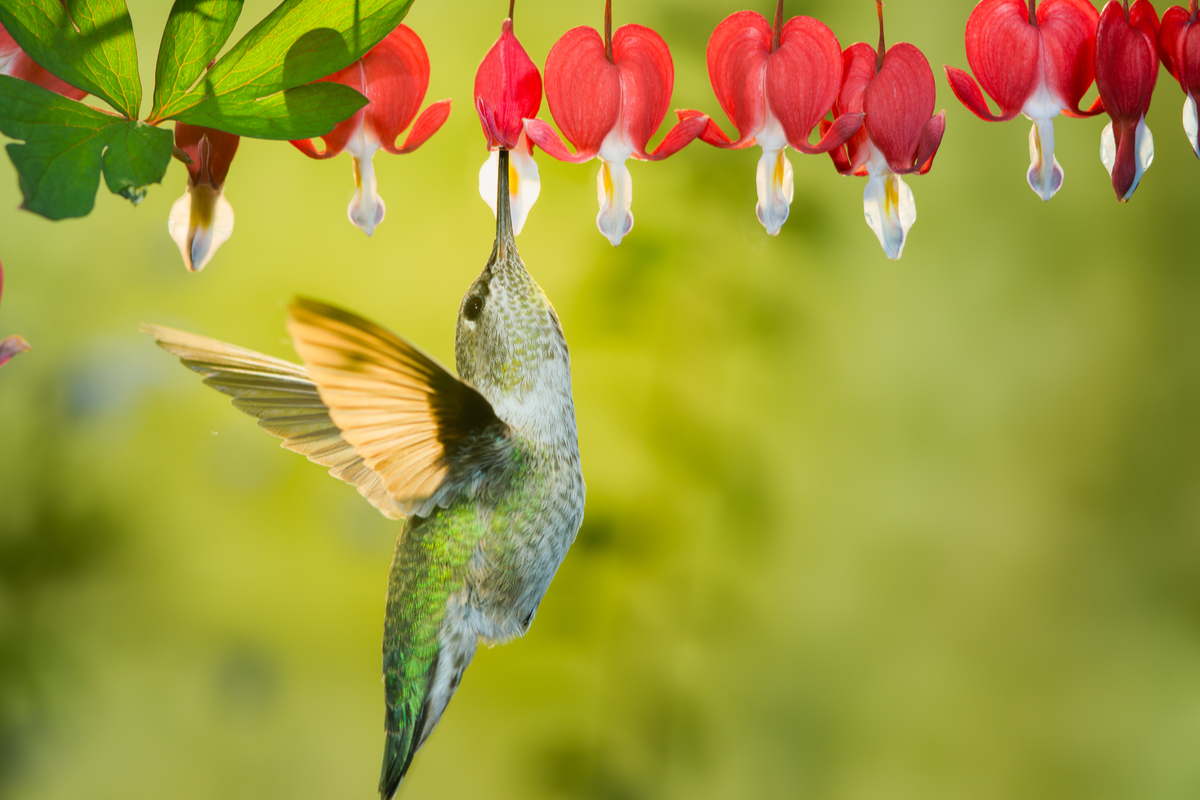
Intricately sculpted leaves and arching stems with heart-shaped red, white and pink flowers that hang gracefully in spring in zones 2 through 9, bleeding heart is a surprisingly hardy, shade-tolerant perennial.

Perfect for perching, hummingbirds visit this classic perennial year after year, resting on the arching stems in the shade and enjoying the nectar.
11. Colombian (Aquilegia)

Keeping it wild, spring-flowering columbine’s multi-colored tubular flowers – red, blue, purple, pink, yellow and white – are a perennial plant native to North America, Asia and Europe that thrives in zones 3 to 8.
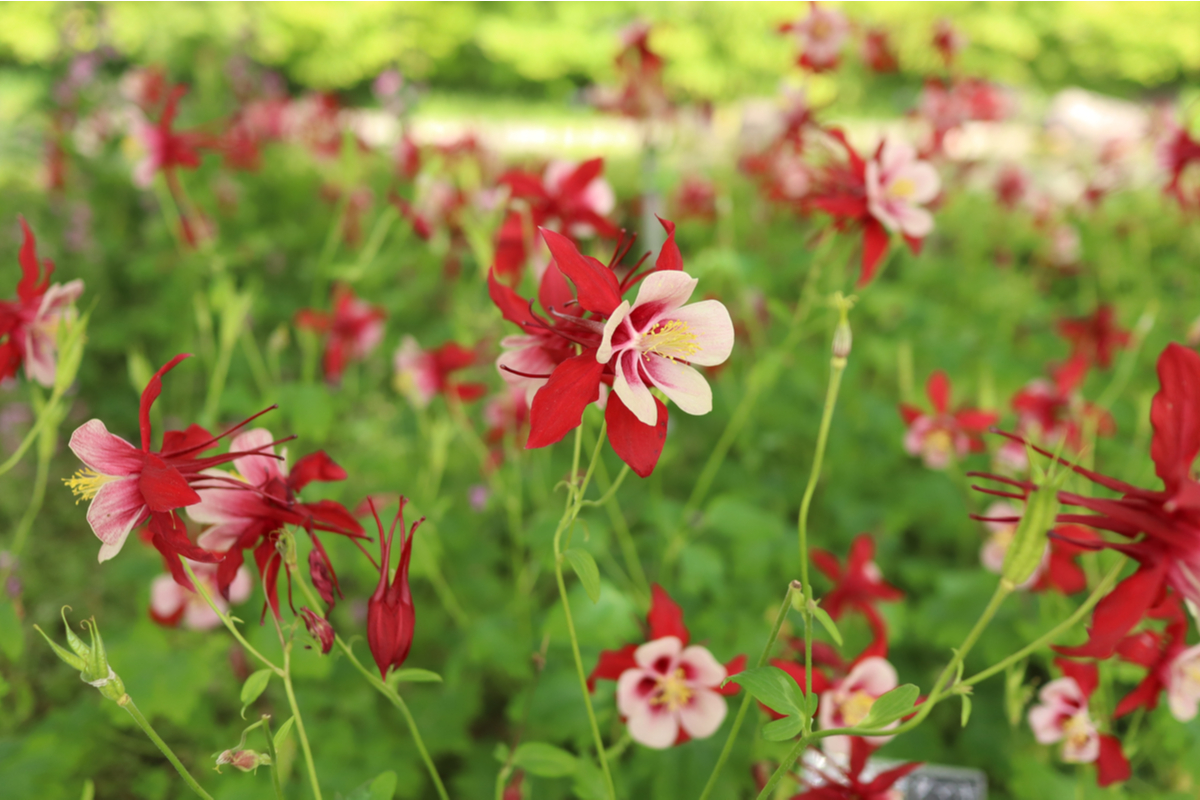
By the way, hummingbirds help pollinate drooping columbine flowers that grow in woods and meadows in full sun to partial shade.
12. Garden phlox (Painted Phlox)
The tall, 2 to 3 foot tall, upright garden phlox is a fragrant, nectar-like, long-flowering summer perennial with showy, brightly colored panicles covered in white, pink, red and purple flowers.
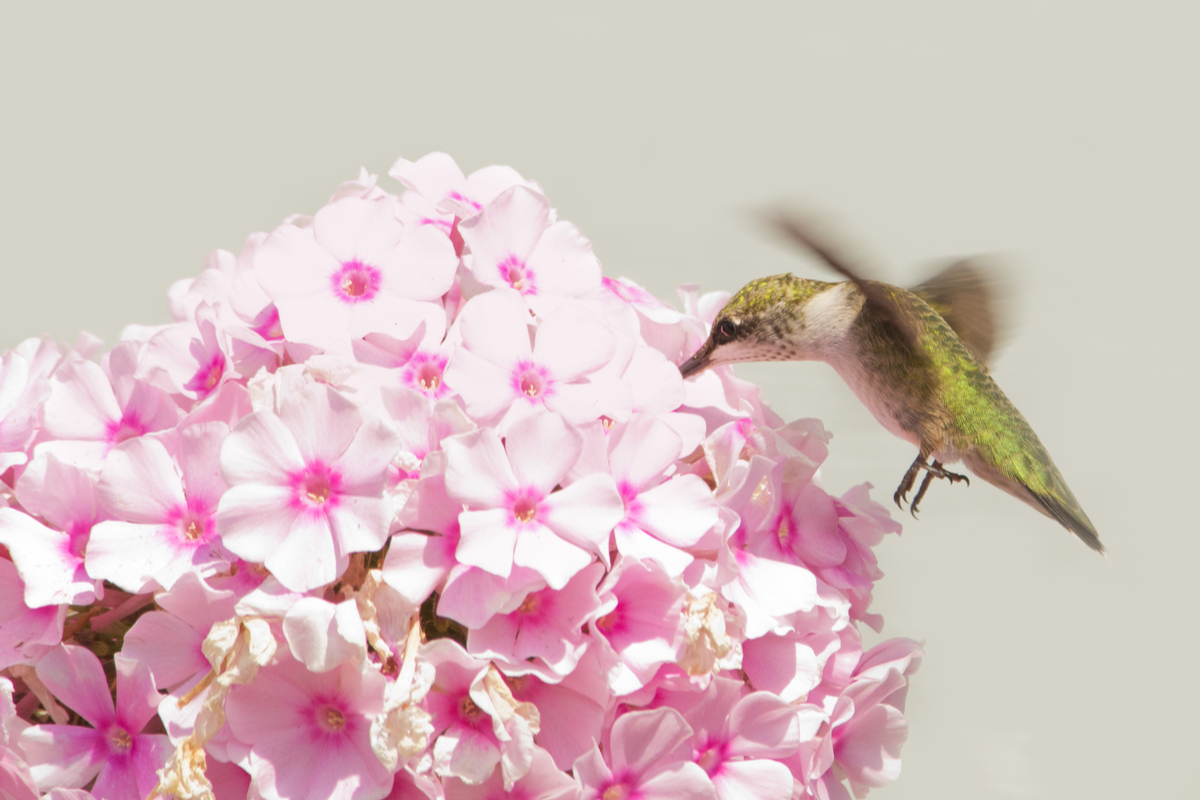
In zones 4 through 8, phlox is a hardy, long-lived perennial loved by hummingbirds and avoided by deer.
13. Delphinium (Larkspur)
Along with hollyhocks, delphiniums are prized in cottage gardens, in epic whorls of blue, purple, pink and scarlet blooms that swirl in summer on 2- to 9-foot stems in zones 3 to 7.

An important source of nectar, Delphinium grows best every year, adapting well to the back of perennial borders, preferring slightly alkaline soil and excellent air circulation.
14. Crocosmia (crocosmia)
Late-season funnel-shaped blooms in shades of red, orange, and yellow attract hummingbirds in late summer in zones 5 through 9.

A bushy bulb that grows up to 3 feet tall in full sun to partial shade, crocosmia will propagate or can be grown as tender summer-flowering bulbs in cooler climates.
vines
Reach for the sky with vines on support structures to give hummingbirds plenty of aerial flower options.
15. Honeysuckle (Lonicera)
Abundant, non-invasive native varieties of honeysuckle are available for zones 3 through 9, which typically reach 15 to 30 feet and bloom from spring through summer.

Harken hummingbirds with tubular orange, red and yellow honeysuckle flowers that thrive in sun or partial shade in woodland gardens.
16. Trumpet Vine (Camsis radicans)

On a support structure, large orange, red and yellow clusters of 1 to 3 inch tubular perennials can reach 40 feet in zones 4 to 10.

Known for growing in poor soils, this vigorous native vine may have fed hummingbirds in eastern North America on sunny forest edges for thousands of years.
shrubs
Hummingbirds like to place their nests near sources of nectar, such as those found in these flowering shrubs.
17. Butterfly Tree (Buddleja)
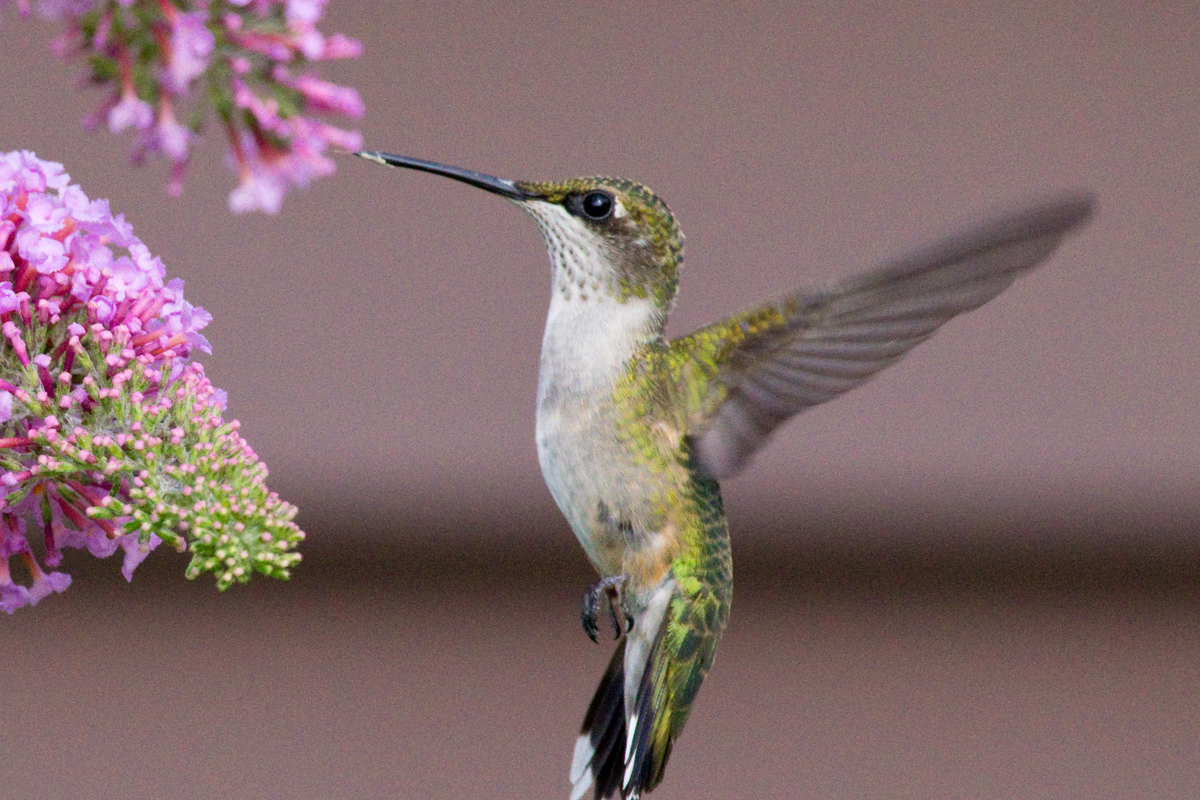
Butterfly shrub grows 5 to 6 feet in zones 5 to 10 and prefers full sun and well-drained soil.

The delicate, pendulous lilac flowers attract pollinators, and hummingbirds also visit the sun-loving butterfly bush.
18. Rose of Sharon (Hibiscus)
The giant tropical flowers of the rose of Saron are red, blue, pink or white and arrive in late summer on 8 to 10 foot shrubs in zones 5 to 9.
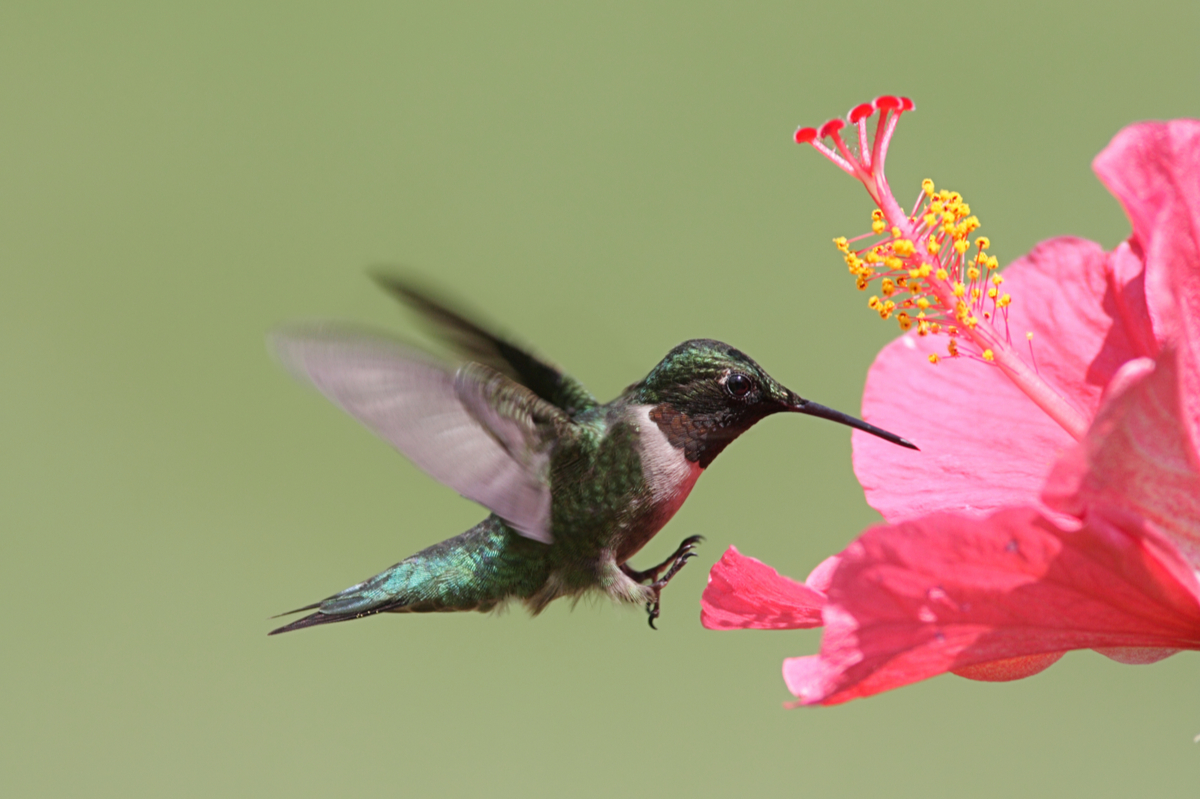
The flat, nectar-filled flowers attract small insects and serve double duty for feeding hummingbirds in full sun and slightly acidic soil.
Trees
Established trees provide hummingbirds with reliable rest and relaxation for many generations.
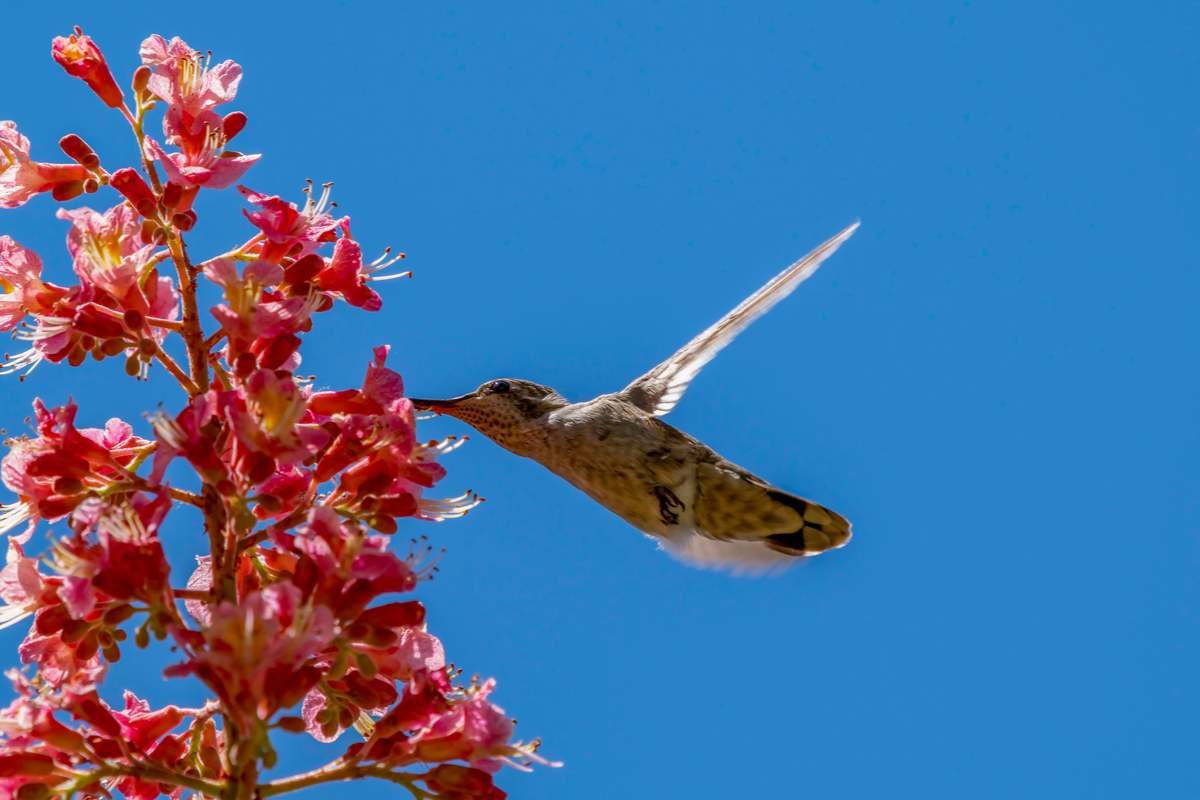
19. Red Buckeye (Aesculus Pavia)
This small tree grows 10 to 25 feet in full sun to partial shade in zones 5 to 9, and blooms in early spring with large 4 to 8 inch red clumps.

Its red chestnut tree provides an oasis and well-deserved fuel at the end of or during the long spring migration of hummingbirds.
20. Wild Apple (Malus sp.)
A spectacular choice for crabapple trees that grow 15 to 20 feet in zones 2 to 11 and bloom profusely each spring with excellent consistency.

Establish a haven for hummingbirds and butterflies, flowering crabapples are a delight that significantly nourishes and protects animals in many ways.
Cultivate an attractive habitat for hummingbirds

Celebrate every iridescent feather with great environmental stewardship alongside these 20 hummingbird-attracting bloomers to add drama and intrigue to the blooming backyard.