
A staple of the traditional garden, hydrangeas are back in fashion.
The beautiful flower heads of various colors and shapes adorn our gardens in summer and autumn, depending on the variety.
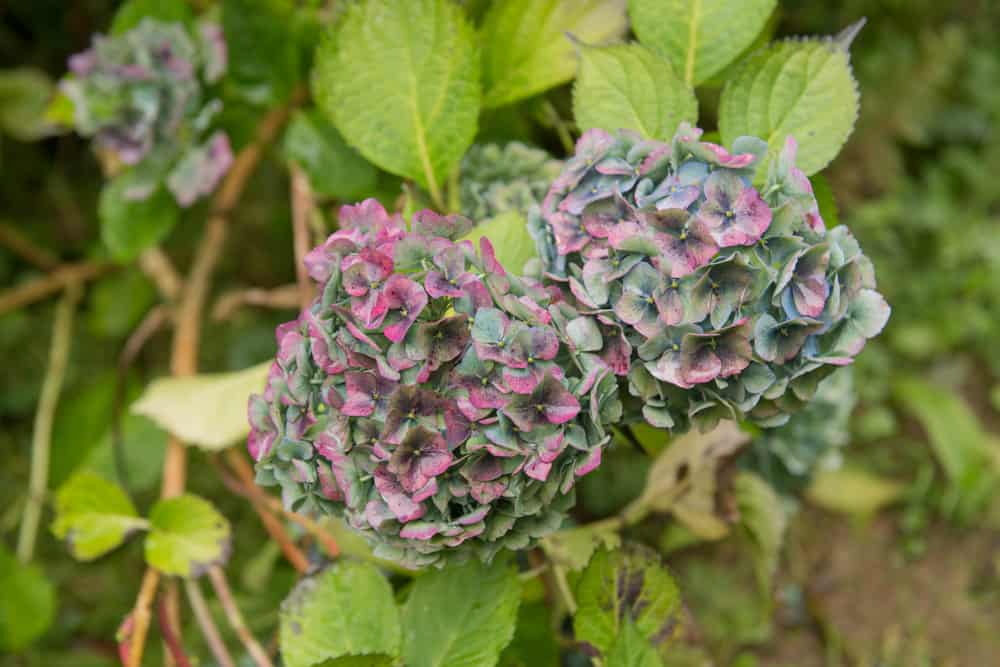
Unfortunately, its beauty does not last all year round.
Once the flowers and foliage die back in the fall, head to the garden for your annual hydrangea maintenance session. These tasks are essential to keep your plants in good condition and come back even stronger next year.
This interview can be tricky, especially when it comes to pruning. Do these five essential tasks this fall to prepare your plants for the seasons ahead.
1. Collect the remaining flowers

If you are lucky enough to have flowers on the plant, cut them off now to bring out their beauty. Hydrangeas look great in cut flower displays any time of the year.
In early fall when everything else is starting to die back, bringing the remaining flowers indoors extends the season a bit.
If you want to enjoy it for a few more days, you can also dry the flower heads.
Dried flower bouquets are currently dominating social media and look great anywhere in your home. They require much less maintenance than fresh bouquets and remain a beautiful decorative piece even after a few weeks in a vase.
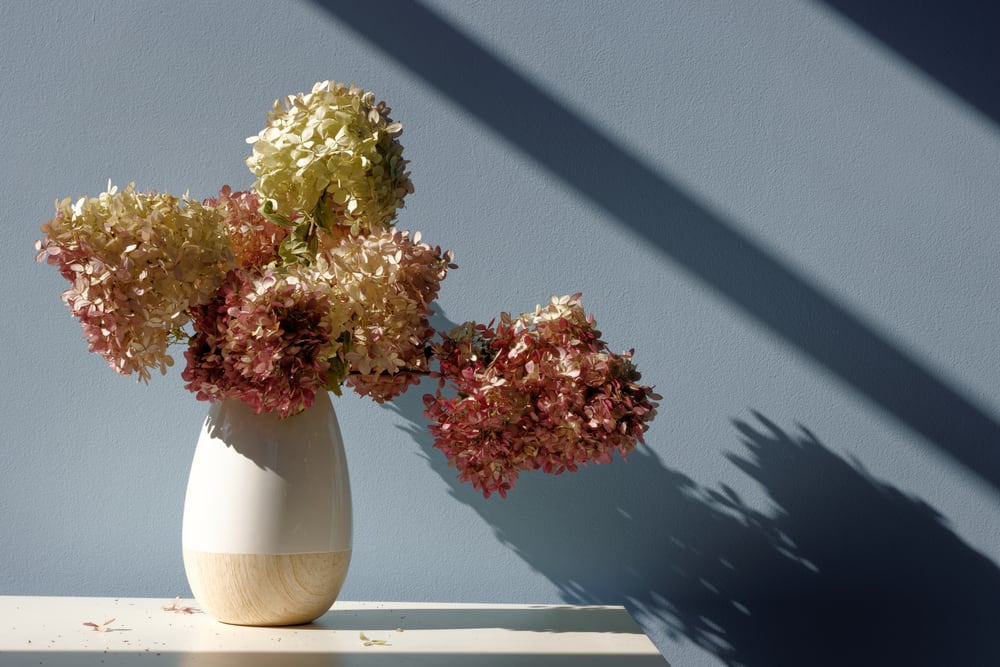
You have several options for drying.
The first, and by far the easiest, is to simply let them dry naturally in a vase without water. You can also hang them upside down in a dry place.
If you are incredibly impatient, put them in your car and leave them in the sun for 1-2 days. This method only works in hot weather, but it is guaranteed to dry flowers faster.
Check out our article here to learn more about the best flowers to grow for dried flower displays and how to dry them.
2. prune
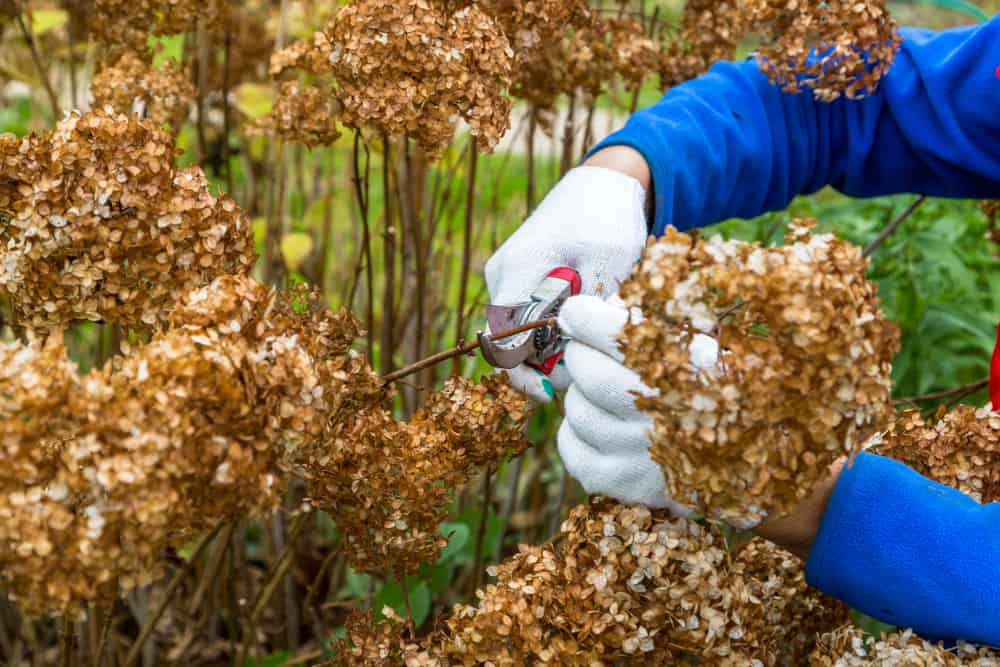
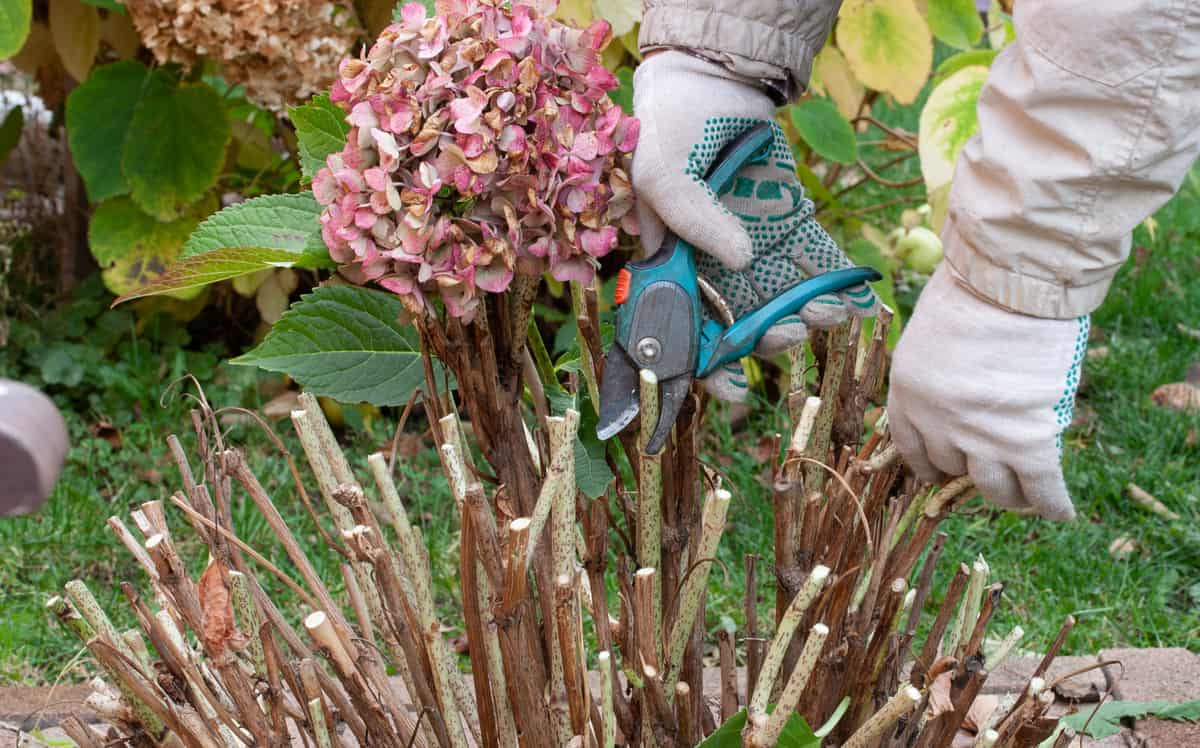
Trimming hydrangeas isn’t a chore, and most don’t need trimming for several years. However, hydrangeas can get quite tall after a long time and quickly get out of hand. If you like to keep your garden tidy, pruning may be an option.
However, pruning isn’t as simple as arming yourself with a pruner and cutting off a few stems. Pruning the wrong variety at the wrong time or in the wrong way can completely destroy any chance your plant will flower the following season.
Only fall blooming hydrangeas should be pruned this season..
These are varieties that thrive on new wood, such as hydrangea paniculata either hydrangea arborescensknown as Peegee Hydrangeas and Smooth Hydrangeas respectively.
Depending on the size of the plant, they can be completely pruned to the ground, lightly pruned, or left to grow naturally. The choice within you. These plants grow vigorously and will regrow without a problem the following season.
Summer-flowering hydrangeas, such as the popular bulbflower or oakleaf, should only be pruned in mid-summer. These flowers bloom on old wood from buds that emerged the previous season. If you cut off those buds in the fall, you won’t have flowers the following season.
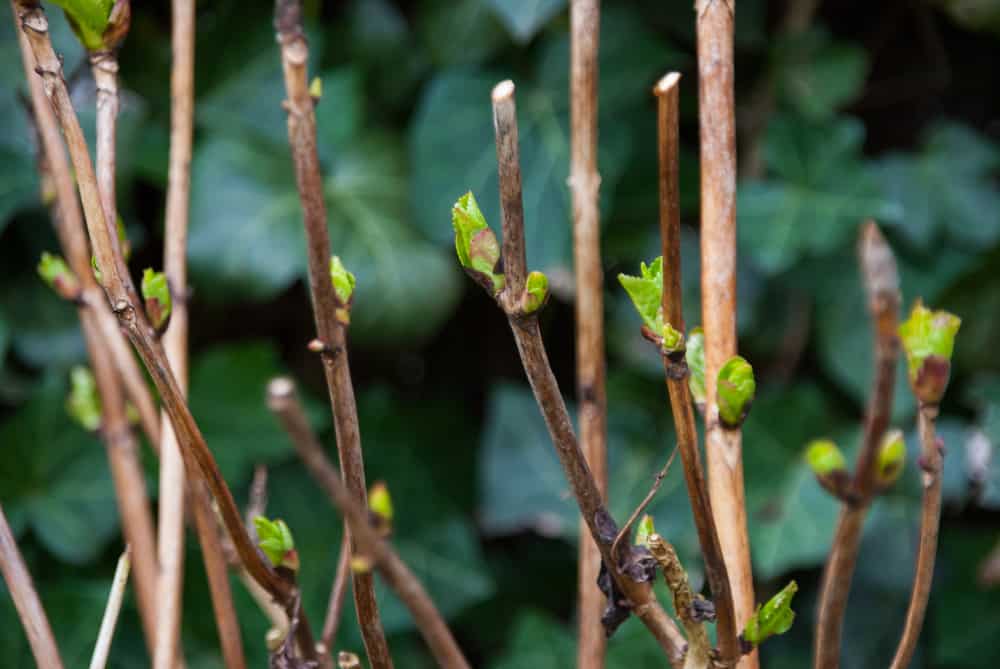
Other essential pruning steps, such as removing spent flowers and dead branches, can be done any time of the year. Always use sharp pruners to avoid damaging branches and compromising new growth.
3. neat

Now that your hydrangea is pruned and looking its best, you can begin the task that almost all gardeners avoid: tidying up.
Grooming around the base of plants can be tedious and time-consuming, but it’s a must to ensure your plants stay healthy. Debris left around plants, especially in the fall, can become a safe haven for the reappearance of harmful pests and diseases when the plant begins to grow again in the spring.
Remove all fallen leaves and flowers from around the base of your plant. Continue cleaning throughout the season as more and more plant parts drop off in response to cooler temperatures. As long as the plant is disease-free, you can throw all that waste into your compost pile.
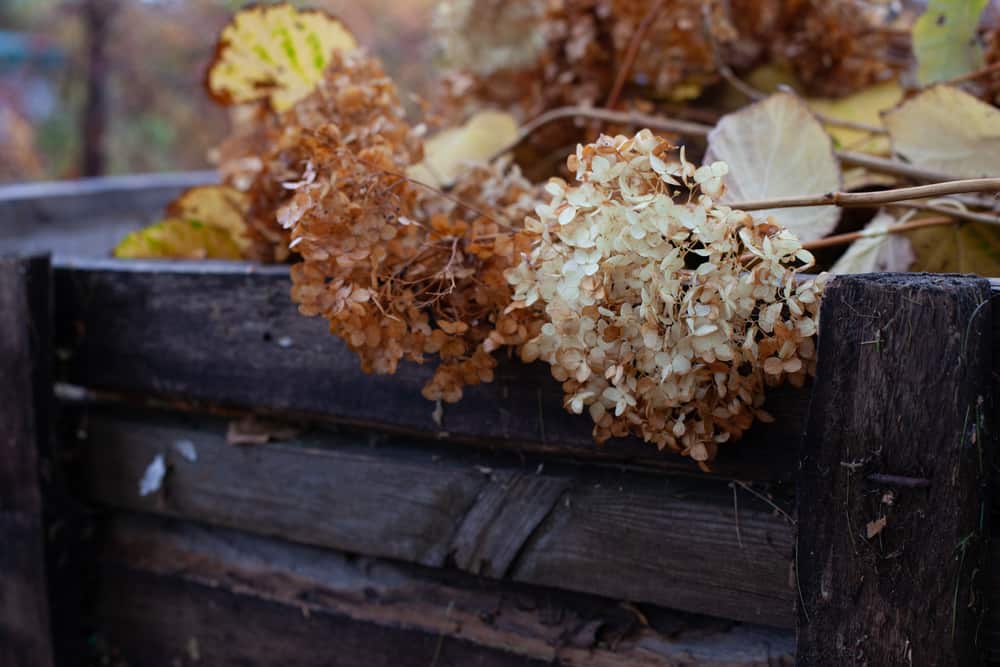
At the same time, remove any branches you see hanging from the ground. This will lift the plant, improve air circulation at the base, and prevent disease from taking hold of dead or decaying branches that touch the ground.
4. Padding

Fall mulching is another chore that may not be essential for every gardener, but can do a lot in the right situation.
Those who live in colder regions with hard frosts or harsh winters will need to mulch when cold weather arrives. This insulates the soil and protects the roots from damage.
Mulch also retains moisture and inhibits weed growth, which is especially important when temperatures start to rise again in early spring.
A layer of organic mulch, such as bark chips or straw, is ideal as they will slowly break down into the soil over time. About two inches should be enough in most climates, but cold regions in particular can thicken this layer a bit.
With your fall hydrangea works out of the way, you can sit back while the plants die back in winter. In spring the foliage returns and we surround ourselves with carpets of beautiful flowers to wait all summer.
More fall jobs in your garden
- Planting Allium Bulbs and 15 Amazing Varieties to Try
- 23 beautiful perennial flowers to plant this fall
- How to preserve and store bulbs in winter
- 7 beautiful spring bulbs to plant this fall
- Deadheading Mums + More Tips for Mums to Last Longer