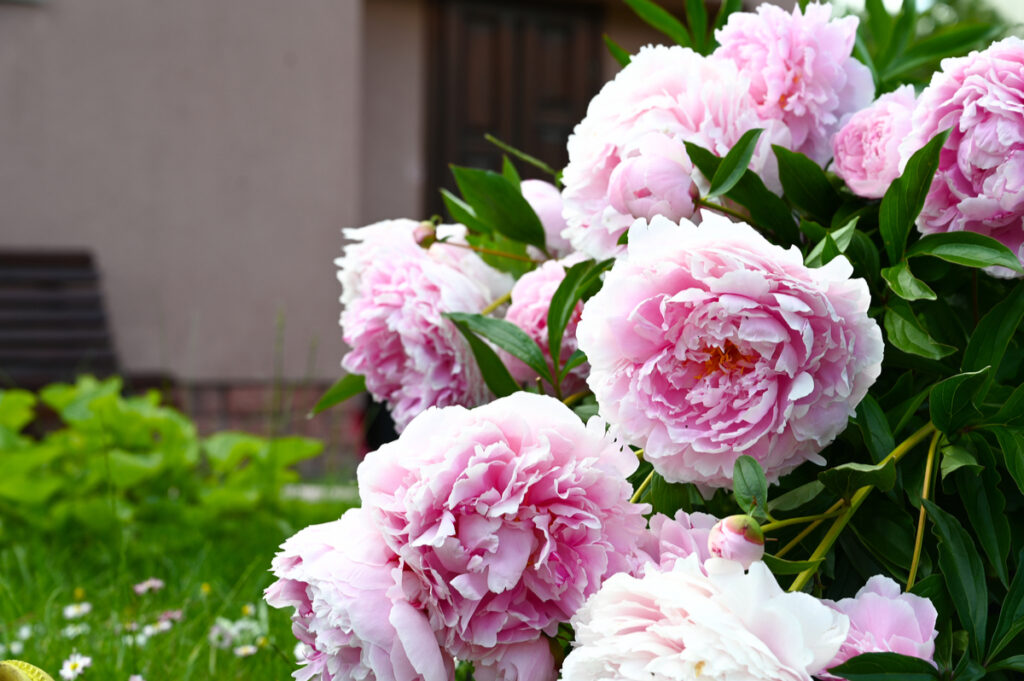
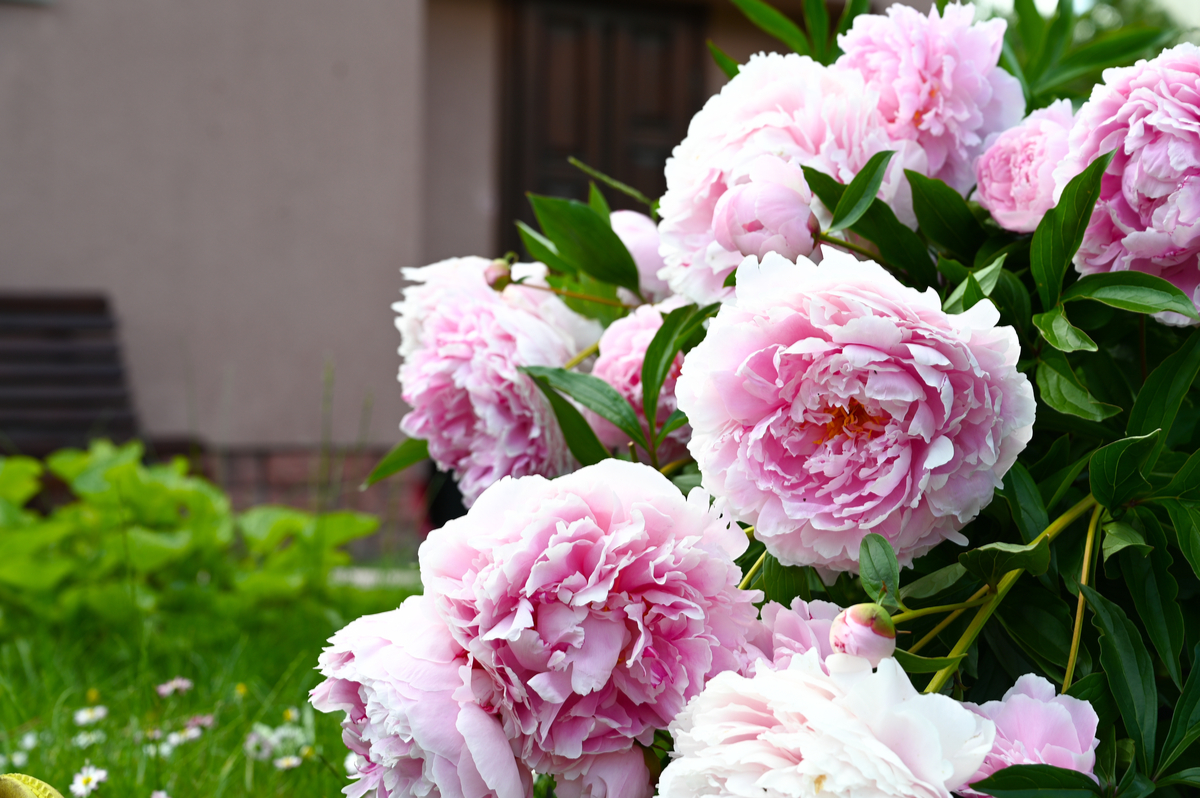
Peonies are undeniably gorgeous, gorgeous in a vase and just as good in the garden. With proper care and attention, they will produce masses of short-lived, but no less beautiful flowers.
These plants are known for their long lifespan. You can even visit a tree peony these days. Planted over 400 years ago, it continues to thrive. But this longevity requires constant care, especially at the end of flowering.
Post-blooming peonies are not picky. As long as you don’t forget them at the end of the season, you should have no problem keeping them alive with these simple tasks.
About peonies
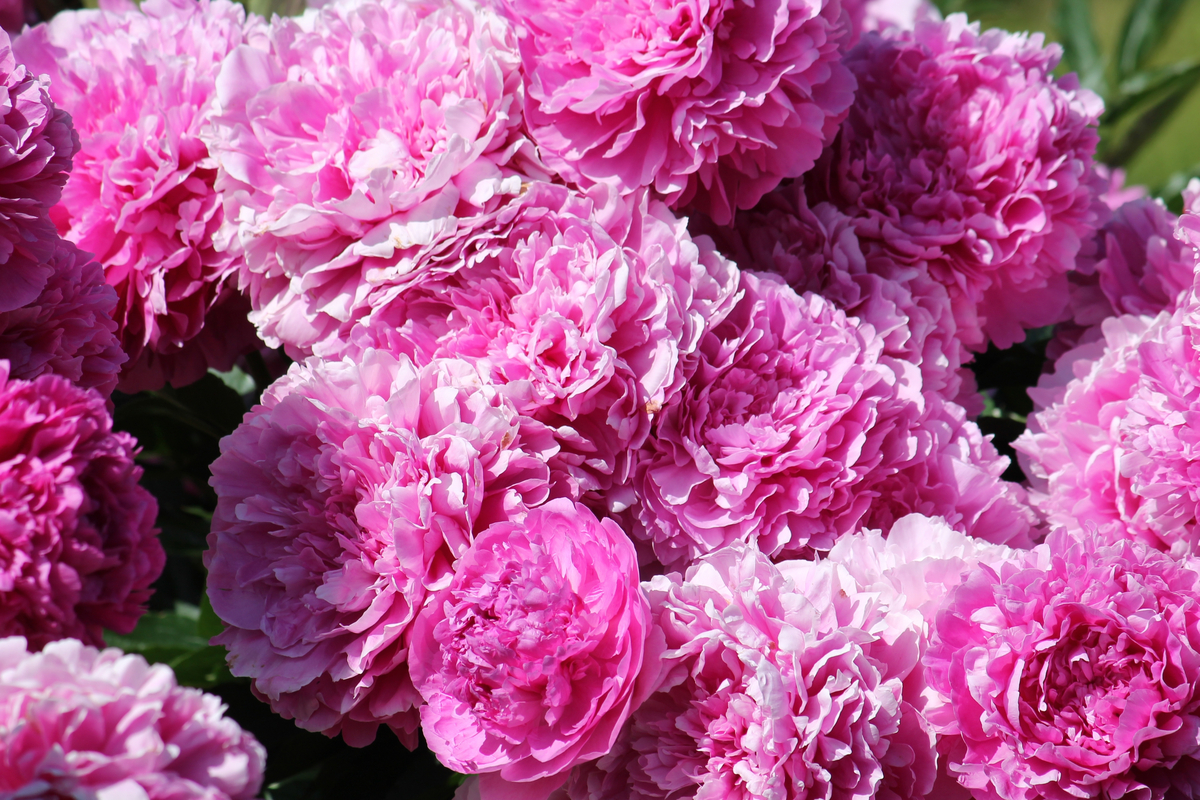
Peonies are part of the genus Paeonia and are the only plant in the family Paeoniaceae. This family contains about 33 species, although scientists are constantly debating this number. Their natural habitats span the northern hemisphere from the Americas to Europe and Asia, and are found primarily along the coast in mountain habitats.
One of the most sought after cut flowers, peonies are widely grown as an ornamental plant. Their ability to withstand the cold, and indeed their preference for the cold, make them ideal garden plants for colder regions where many popular ornamentals cannot grow.
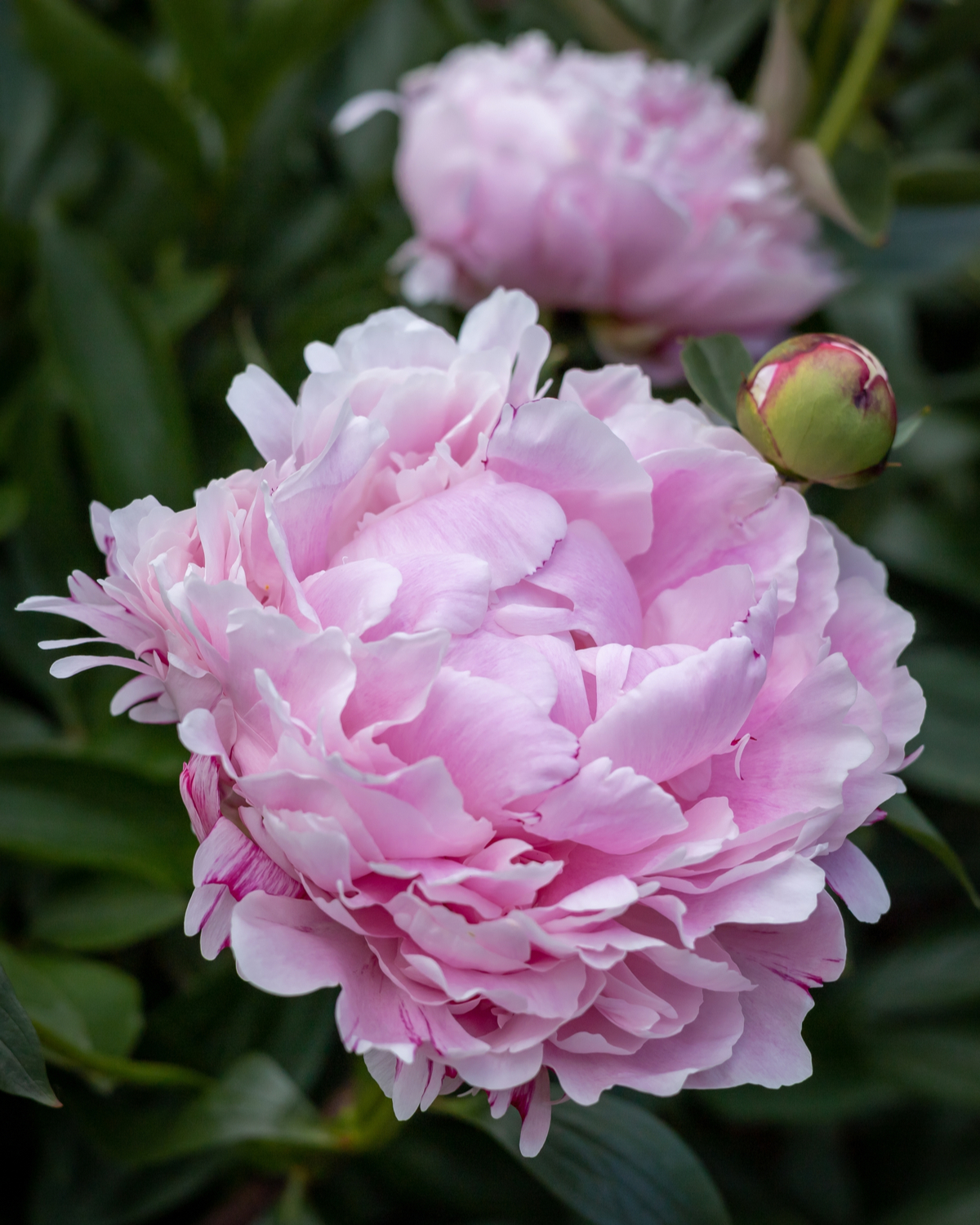
There are three different types of peonies, separated by how they grow. Herbaceous peonies are the most widely grown, including the popular variety Paeonia officinale Yes Paeonia lactiflora. They are also called bush peonies.
Tree peonies have a different growth habit and are more tolerant of hot weather. They also don’t die back in the winter unless the temperatures are too cold for the leaves. Intersectional peonies are a combination of the two, producing the most flowers and blooming the longest.
Peonies blooming season
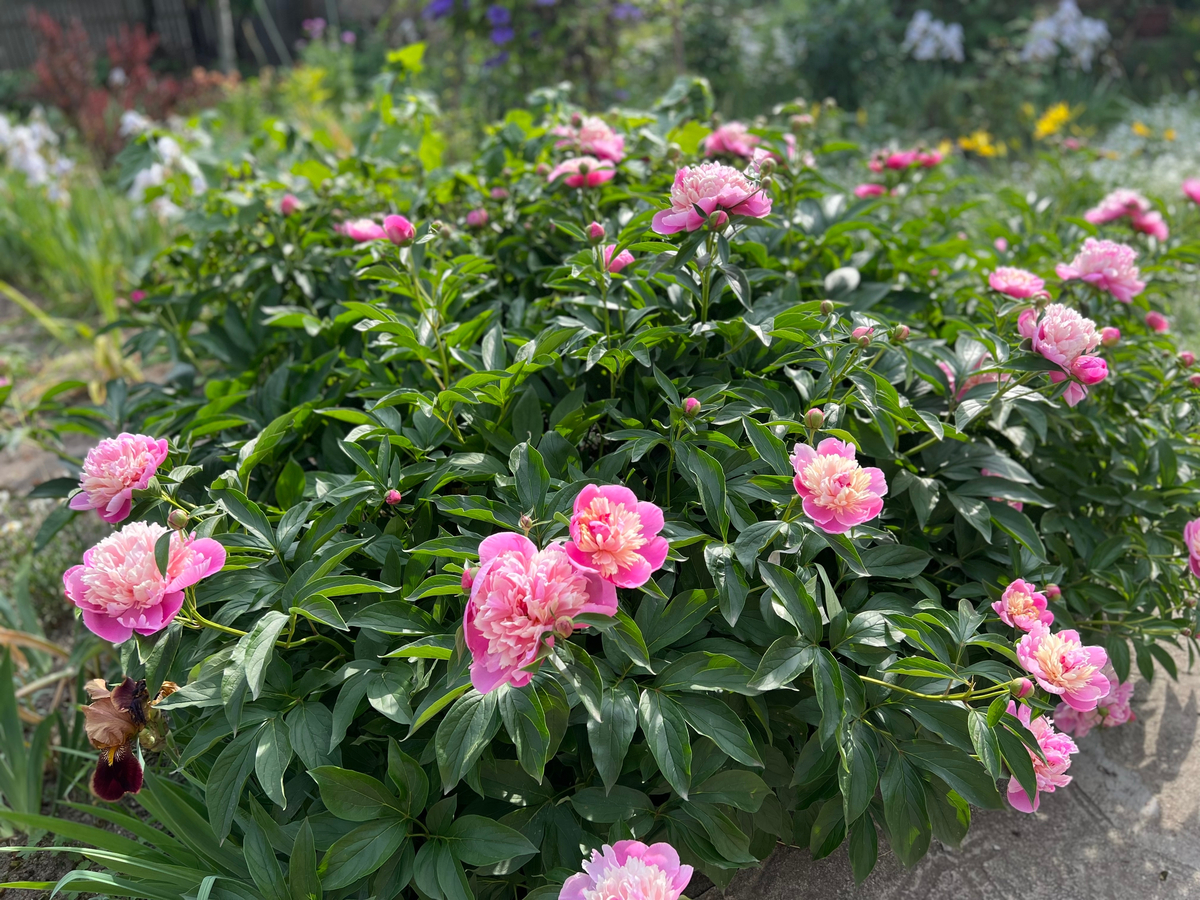
The peony bloom season is one of the shortest of all ornamental plants. These pretty flowers appear about one week a year when growing herbaceous varieties and about two weeks when growing tree peonies.
The season is influenced by weather and variety. Some bloom earlier than others in mid-spring, while others may not appear until mid-summer. But its very short flowering period is constant for all herbaceous species.
Since flowering is only short-lived each year, post-bloom care is important to keep your peonies in good condition for the following year. These tasks are essential if you want to improve flowering and get the most flowers possible in such a short time.
Because tree peonies don’t usually die back or require much trimming, these steps will focus on the most commonly grown peonies: herbaceous peonies.
How to care for peonies after flowering
Skull
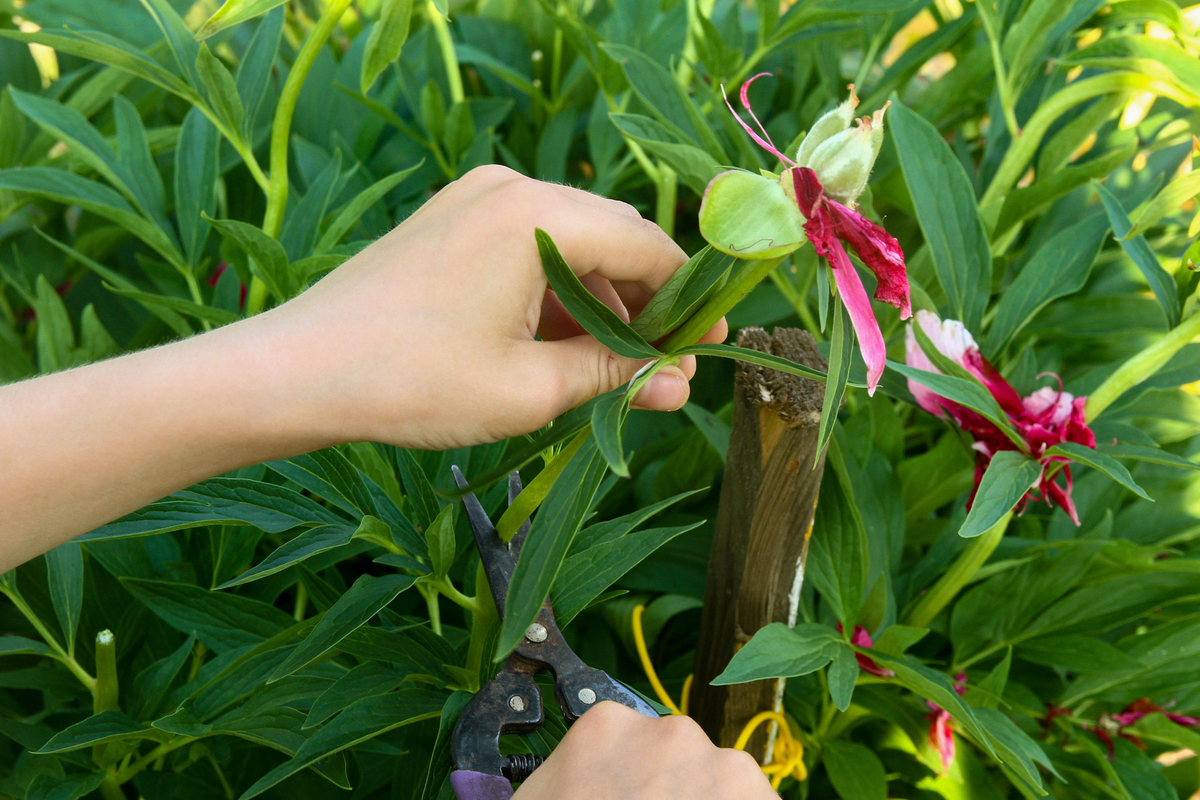
During the flowering season, regular pruning is important to preserve the plant’s energy, not only for this season, but also for the next. The less effort it takes for the plant to establish and maintain its flowers, the more effort it can put into getting it to bloom the following year.
Deadheading also gives the plant a cleaner look and allows the remaining flowers to grow bigger and better. Although it does not encourage repeat flowering, it has many benefits that make the practice worthwhile.
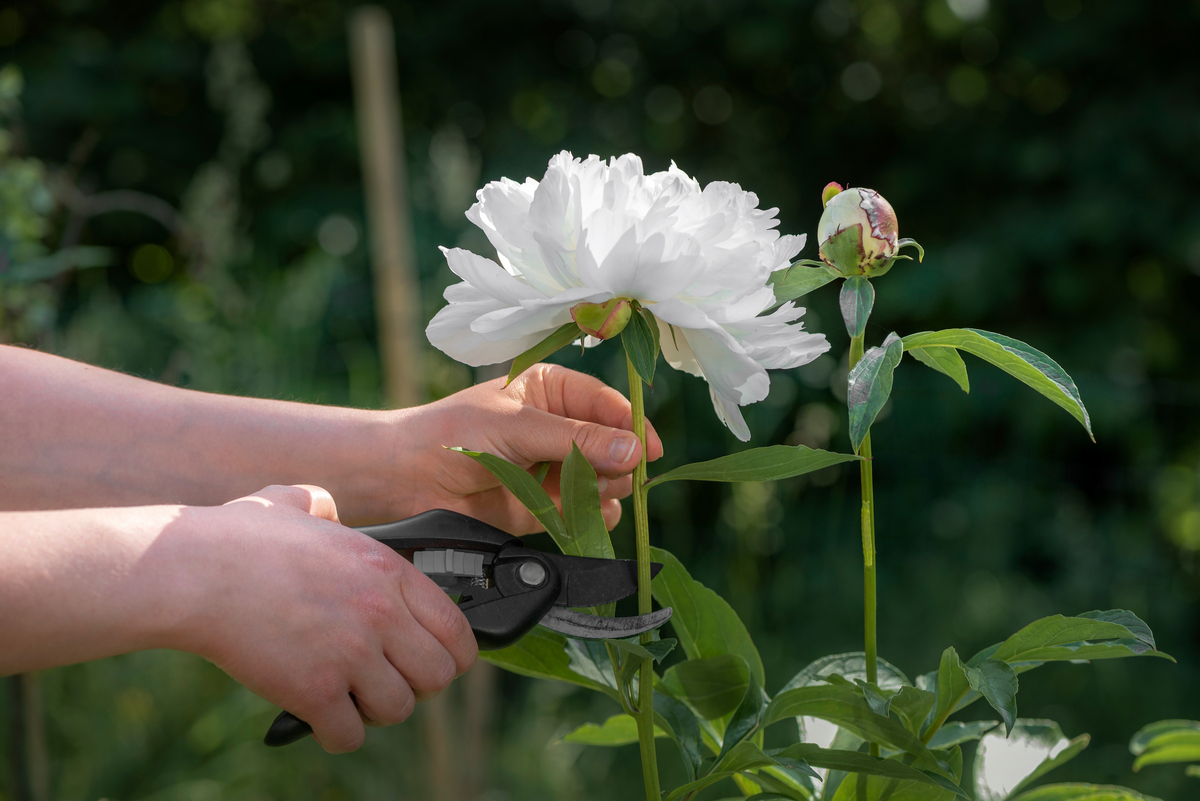
Once the flowers begin to wilt, support the base of the flower and cut the stem back to the first set of leaves. Prune regularly until all faded flowers have been removed. You can enjoy the lush foliage for the rest of the season.
To pay
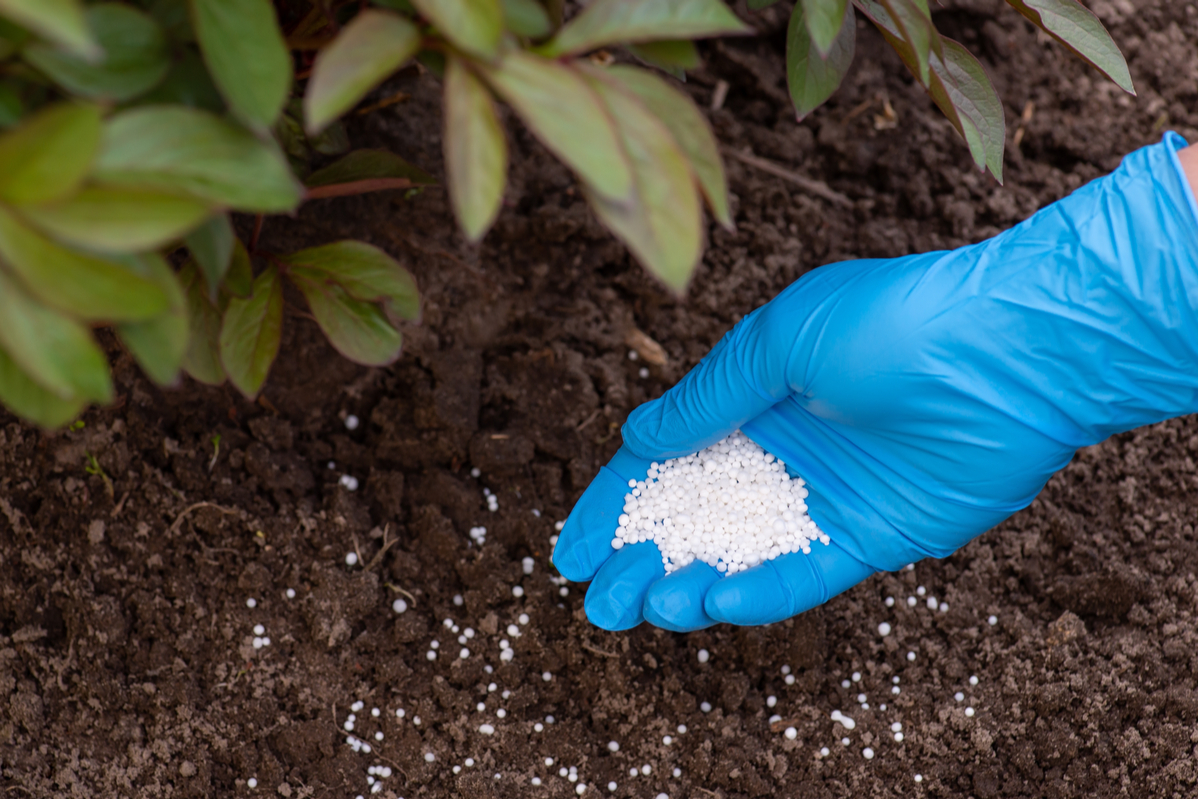
Although it may seem strange to fertilize after the plant has finished flowering, this step can greatly improve your blooms the following season. (You should always fertilize your peonies in the spring for large flowering plants.)
Flowering absorbs a large amount of nutrients, and soon after flowering the soil often fails. To replenish these nutrients and improve soil health before the tuber becomes dormant, fertilizers are helpful.
Apply a fertilizer designed for bulbs and other flowering plants. They generally have higher levels of phosphorus and potassium and less nitrogen to direct the plant towards flower production rather than leaf and stem growth. Follow package directions to avoid over-fertilizing and damaging roots at this critical time.
If you are concerned that your soil is lacking in nutrients, you can also add a small dose of fertilizer in late summer. This gives the roots time to absorb more nutrients before the plant begins to die.
Control pests and diseases
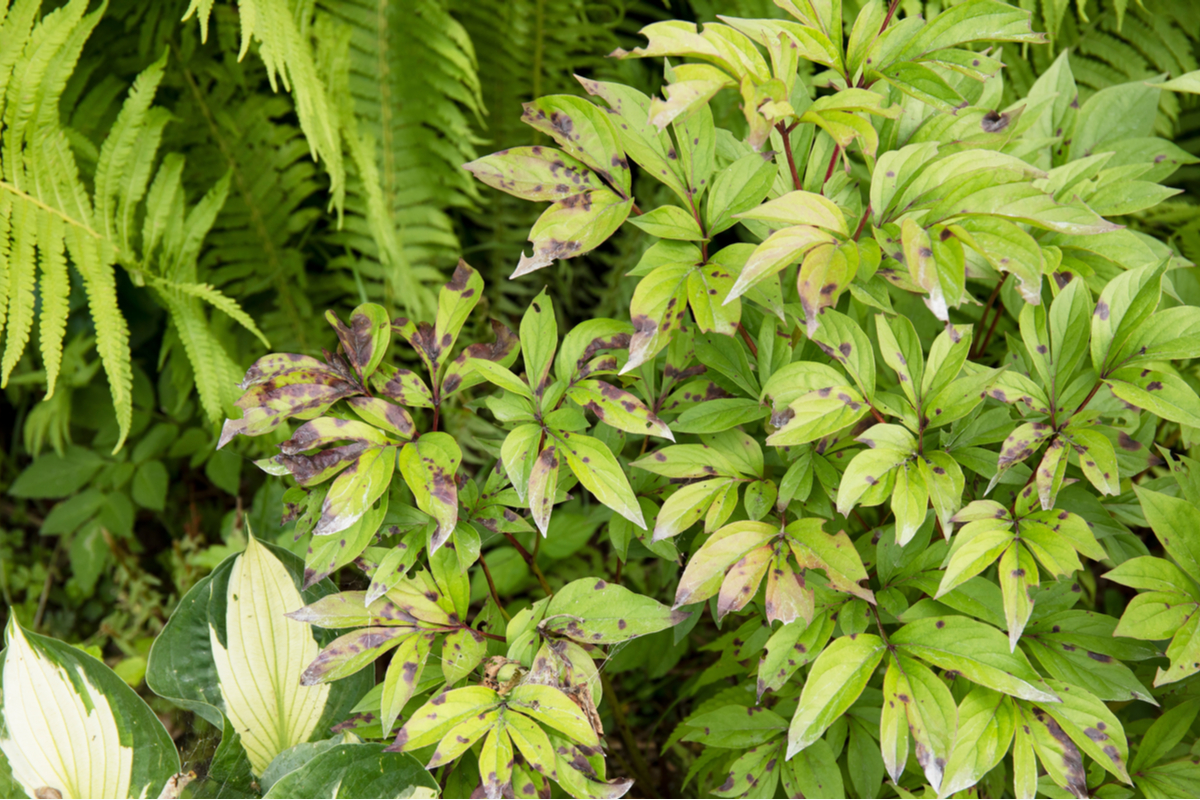
Most peonies finish blooming by midsummer, leaving glossy green foliage for the rest of the season. At this point, many tend to forget about their plants and enjoy the cut flowers they’ve brought inside. However, it is important to keep your plant healthy through the summer if you want your peony to bloom again the following season.
Peonies are not adept at high temperatures and are more stressed in hot weather. This stress makes them more vulnerable to pest and disease problems. The warmer weather is also enjoyed by many pests and creates ideal conditions for mold growth.
Check the foliage regularly for signs of disease and pests, even if there are no flowers. Remove all debris around the base of the plant to prevent pests from finding refuge there. If you live in a humid environment, allow enough space for the plant to avoid fungal problems like powdery mildew.
Also continue to water the soil as usual, avoiding overhead water. Peonies are not very susceptible to disease, but problems can still occur. Deal with any problems as soon as you find them, as these plants need all the foliage they can get in the fall.
Wait for the foliage to turn brown.
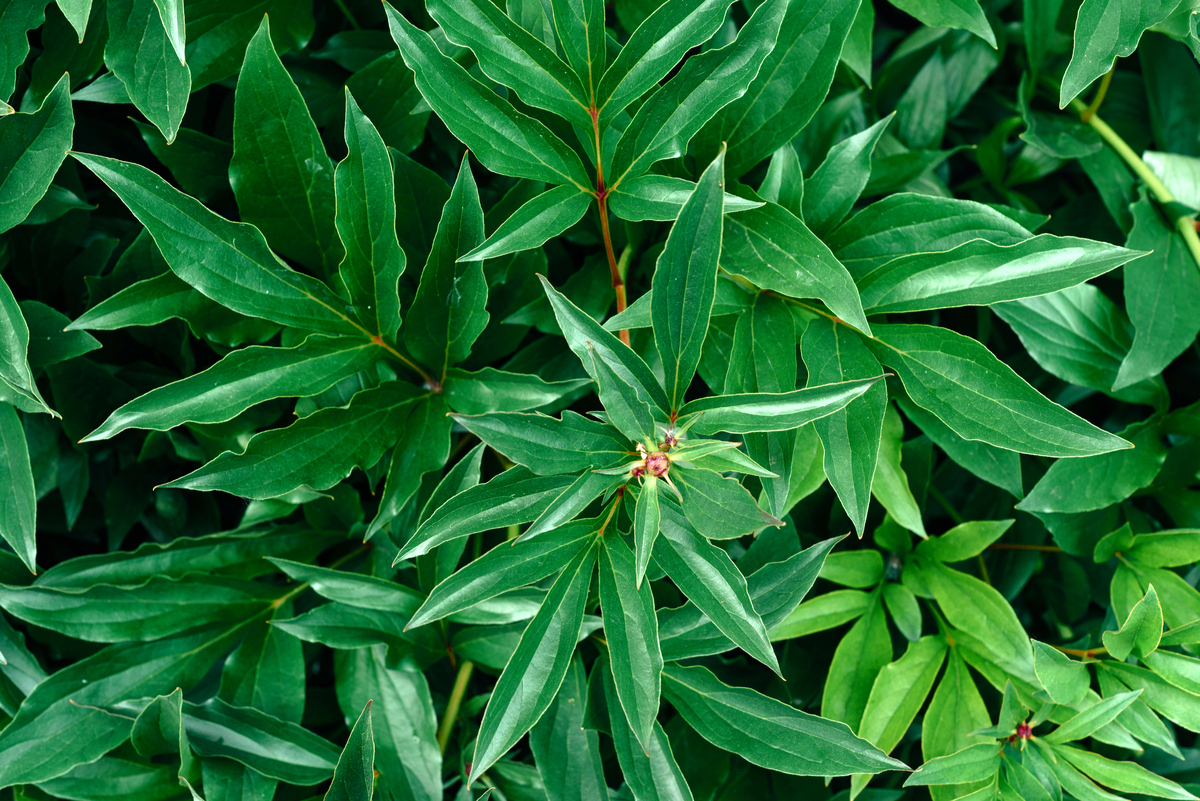
When temperatures begin to drop in the fall, the leaves begin to wilt, turn yellow, and then turn brown when the plant dies. This process, as complicated as it may seem, is necessary for the tuber to reabsorb nutrients and gain some energy to regrow next spring.
Never prune peonies before the leaves begin to die back, or worse, just after they bloom. The tuber does not have time to store, which makes it difficult to regrow the following season. Wait until they begin to brown before preparing your scissors.
Reduce
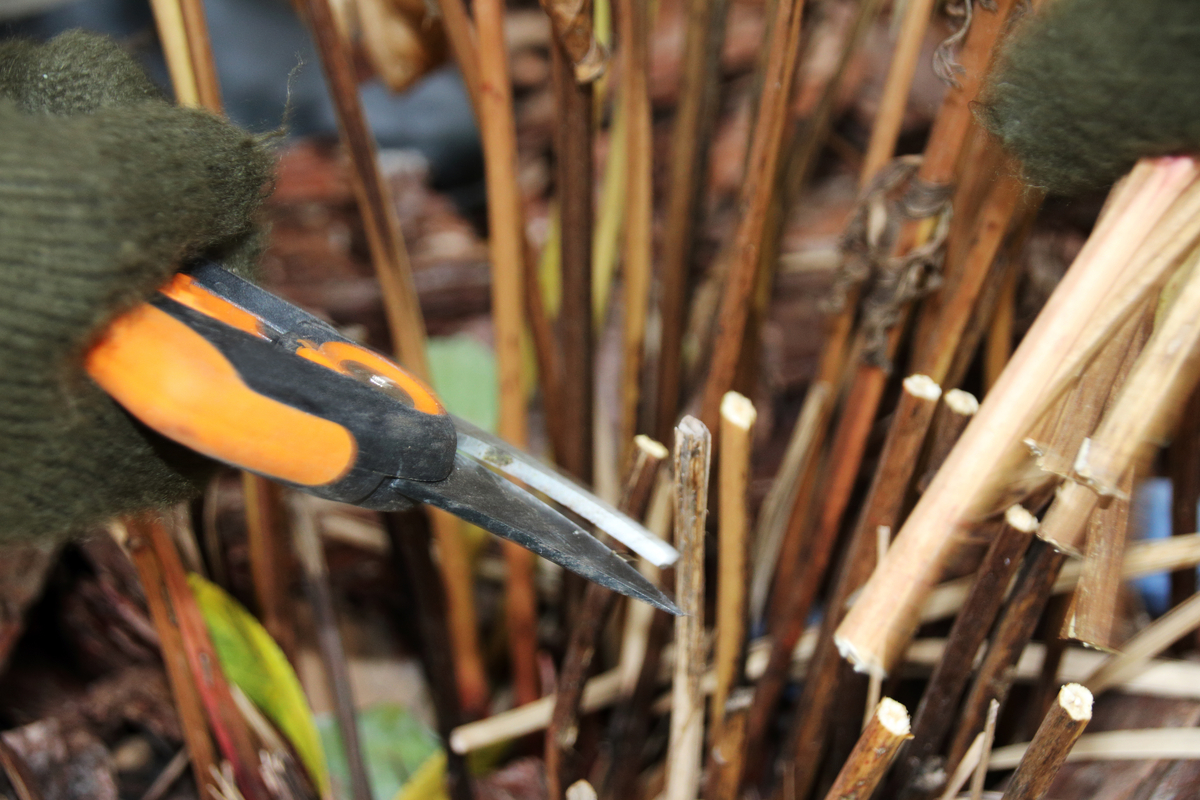
While it’s important to wait a bit before pruning the leaves, don’t leave the dead leaves hanging around the plant for too long. This debris provides a safe haven for pests and diseases, which not only affect your peonies, but other plants in your garden as well.
Cut the leaves and stems to the ground and remove any growth above the soil line. Use sharp scissors to make the process quick and easy.
cut wood
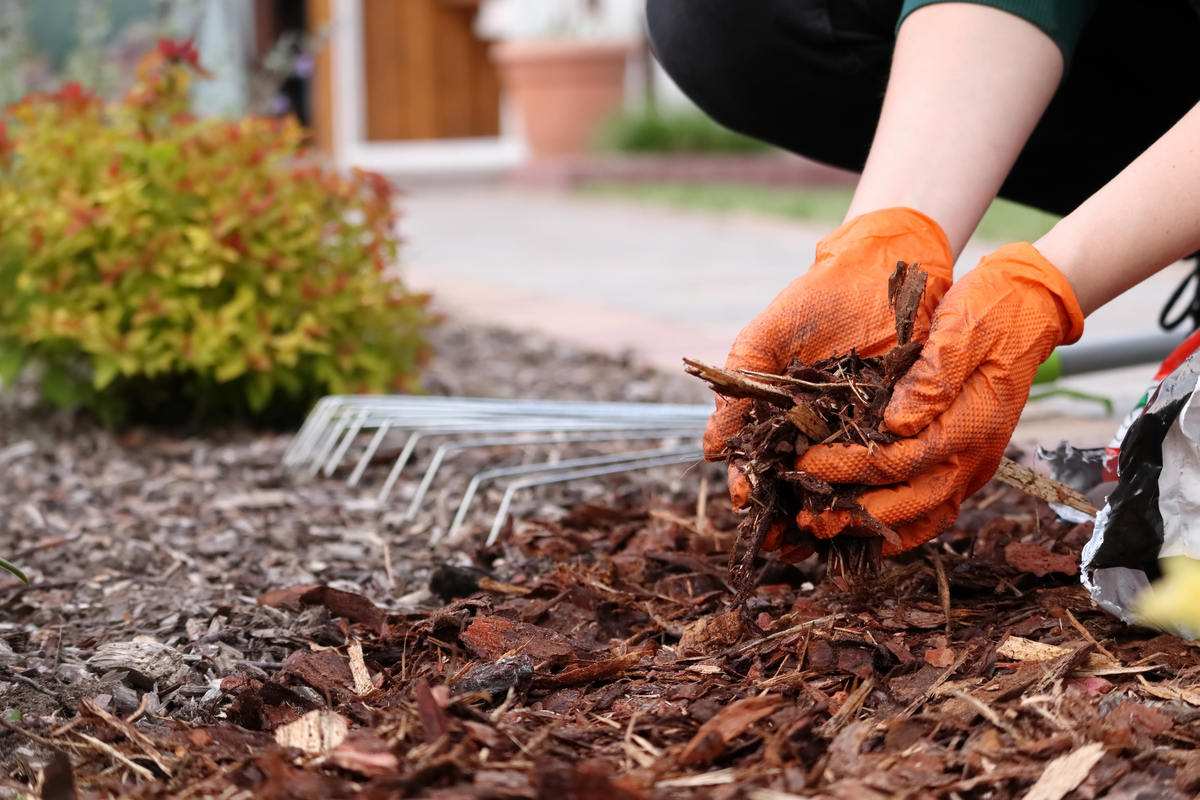
After pruning, apply a layer of organic mulch about two inches thick to the soil. This insulates the soil and protects the tubers from severe cold weather damage. They need a cold snap to bloom later in the season, but will be damaged if not protected in zone 2.
After mulching, the hard part is waiting for the weather to improve so that these beautiful plants start growing again. With constant care, they can last more than 20 years and even outlive their owners.