
If you’re trying to be as self-sufficient as possible, you’re likely familiarizing yourself with the materials available to use around your home and property.
For example, you might be interested in making ropes with local plants or processing wild herbs into medicine. While you’re at it, don’t forget to add Conifer Resin to your repertoire!
Tree resin is easy to find and harvest and has many uses. Here’s what you need to know:
What is Tree Resin?
Unlike sap, which is a watery, sweet liquid that runs through deciduous species such as maple and birch, resin (also called “pitch”) is a sticky amber-like substance that is found in some conifers.
You’ve probably encountered this before when you rubbed against a pine log and stuck it to your clothes.
This sticky substance has been used around the world for millennia.
It is also invaluable for various medicinal and household purposes and has been used for sacred rituals. After all, frankincense and myrrh are both created from resin, and they have a pretty solid history when it comes to religious purposes!
Medicinal uses
Tree resin has several medicinal properties and can be used for a wide range of health conditions. Below are some of the top ways to incorporate it into your medicine cabinet.
1. Healing Balm

The resins of conifers from Pinaceae family, such as pine, spruce and fir, are invaluable in chest ointments. Indeed, aromatic oils act as bronchodilators. As such, they help open up clogged airways and relieve congestion for a wide range of chest issues.
Even in the absence of congestion, such as with asthma attacks, these oils can ease spasms and increase oxygen supply.
In addition, conifer resins have antimicrobial and antifungal properties. As such, they can be valuable allies in the fight against wound infections.
A standard first aid ointment to relieve breathing, as well as cuts and scrapes, can be prepared with:
- 1 cup olive or coconut oil
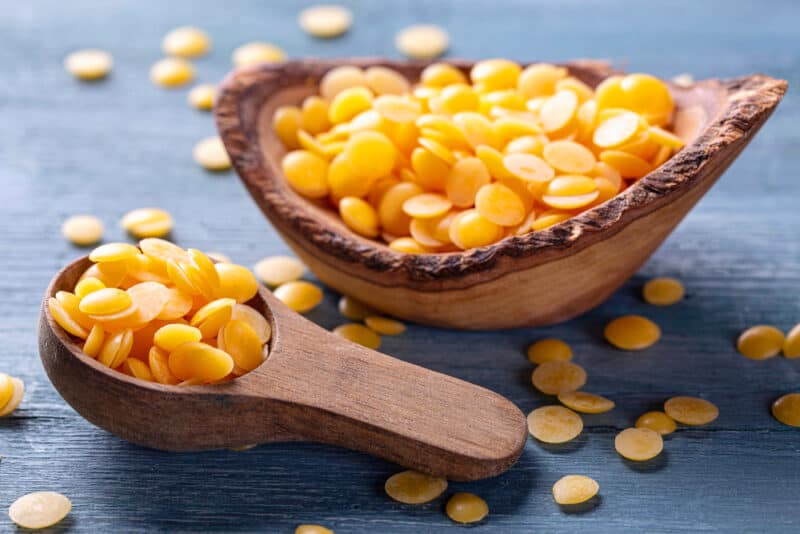
- 1/4 cup beeswax or carnauba wax (grated or in lozenge form)
- 1 1/2 tablespoons white pine or balsam fir resin
Heat the oil in a slow cooker over high heat until hot, then add the resin. Reduce the heat to medium and let steep for 4 to 6 hours. Then slowly stir in the wax until everything is evenly mixed. Transfer to a jar or one or more cans of ointment and let cool completely.
As a bonus, this ointment can relieve arthritis pain and swelling. Simply rub the ointment around aching joints and let it work its magic.
2. Sore throat relief
If you are out in the wild and have a sore throat, use pine resin as a lozenge. Its antibacterial effects can help treat inflammation or infection. In addition, it can cover and thus soothe painful and raw mucous membranes.
3. Styptic
A little tree sap can keep a small wound from bleeding. The resin is sticky enough to help seal small cuts together, and its medicinal properties help speed up the healing process.
Practical Home Uses
You can also use tree resin around the farm! If you have evergreens on your property, you should be able to harvest their resin for various purposes.
4. Glue

Depending on where you live, a trip to the hardware store for glue can take several hours out of your day. On the other hand, you can whip up a batch of pine pitch glue pretty quickly.
This glue is excellent for attaching DIY arrowheads to shafts and coating rawhide or sinew string to securely bind items.
Remember that pine pitch hardens as it dries, becoming brittle and prone to breaking. If you need a softer glue, add wax to the mixture while it’s warm and runny.
5. Waterproofing sealer

The same adhesion that allows tree resin to be used as a glue makes it an excellent sealant. For example, Indigenous peoples used pine pitch mixed with powdered charcoal to laminate and waterproof wooden canoes and snowshoes.
If your favorite pair of winter boots are leaking, warm up some pine resin and add some charcoal. Then, while it’s still semi-liquid and malleable, use a paintbrush to spread it into any cracks or tears.
6. Lighting the fire
One thing that is extremely important to know about tree sap is that it is very flammable. Also, it can be quite difficult to turn it off once turned on.
The advantage of being so flammable is that you can use it to start a fire even in wet conditions. Simply swirl through the driest twigs, birch bark, etc. in some sticky pitch from a nearby tree. Then toss that bad boy into prepared kindling and light it. Then step back so you don’t lose your eyebrows.
7. Light
Fire provides warmth and light, and resin from trees can also be used as fuel for lamps. However, that doesn’t mean you can fill a standard oil lamp with resin. Instead, it’s more like a shallow bowl filled with a flammable substance and a wick you can light.

The closest comparison is an Inuit qulliq lamp.
Fill a heavy stone or ceramic bowl with moss and place a piece of twisted cotton or linen in the center of it. This will act as the wick of your lamp. Next, pour melted pine pitch over the moss, making sure to wet the wick.
Once lit, it should provide you with light as long as there is pitch left to burn. You can either keep adding more or turn it off by smothering it.
Alternatively, you can create awesome temporary torches with it. Take a dry mullein stalk and pour some melted tree resin on top before lighting it.
Use caution and common sense
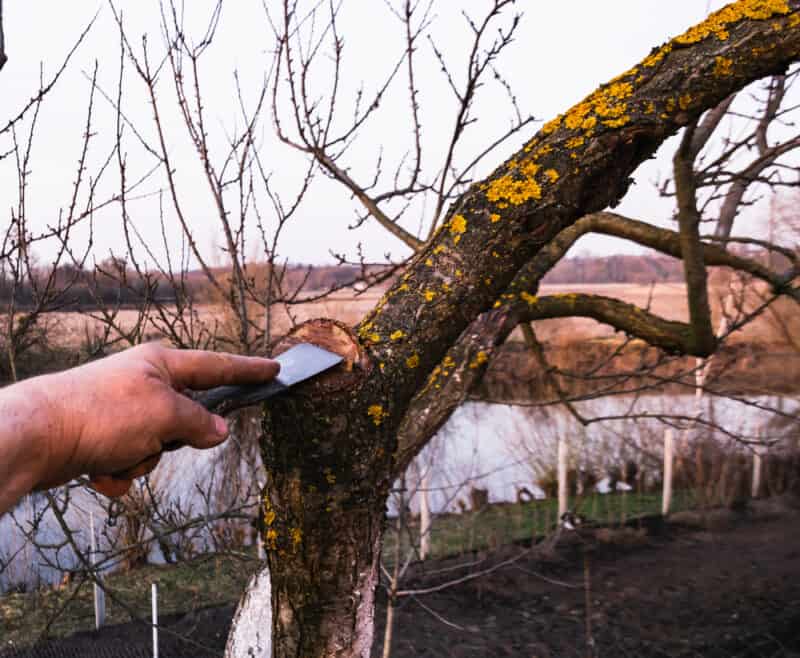
When harvesting tree resin, please do so responsibly. This means collecting common resin from trees that are already giving off it. Please do not intentionally injure living trees to encourage them to bleed resin.
Alternatively, you can ethically extract this resin if and when you prune evergreen branches and limbs or cut them down for firewood and carpentry.
Also, if you are considering using this resin for medicinal purposes, make sure you are certain that you are harvesting from a safe species and that you are not allergic to it.
For example, although yews are coniferous (evergreen), every part of this tree can be fatal if eaten or left in an open wound. Your health and well-being are your responsibility, so try to be as careful as possible!
If in doubt about a species, consult an arborist or botanist to help you identify it.
Was this article helpful?
Yes No ×
We appreciate your helpful feedback!
Your response will be used to improve our content. The more feedback you give us, the better our pages will be.
Facebook pinterest