

Daffodil blindness sounds like a dramatic problem, but it describes a common problem: a lack of flowers. In fact lack of flowers. power be quite dramatic for those looking forward to those first spring blooms.
As with many plant problems, there are many possible causes for this problem, ranging from improper planting to overcrowding to pruning at the wrong time. Assess which of these causes is most likely based on your care and the conditions around your plants.

What causes blind daffodils?
Wrong planting depth
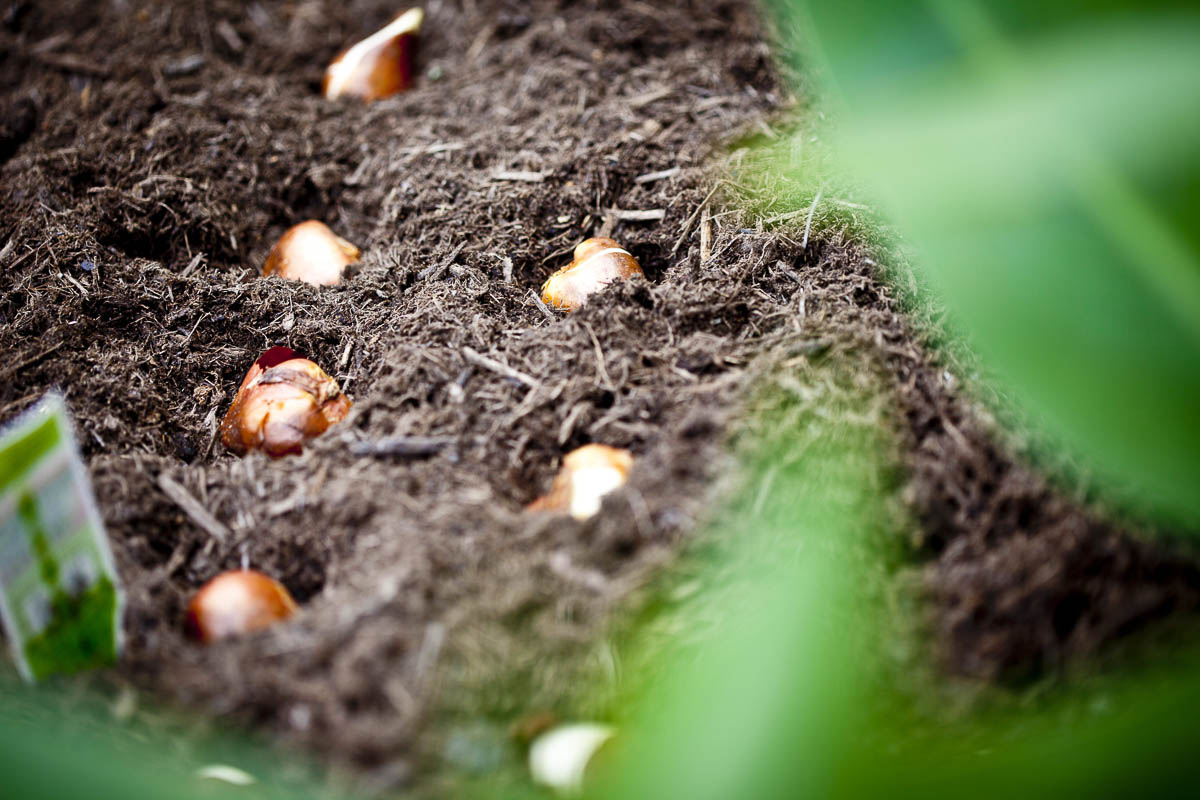
The first possible cause starts early: the wrong planting depth. Daffodils must be planted deep enough for them to grow successfully. In general, it is recommended to plant daffodils two to three times deeper. This gives the roots enough room to grow and have the right base for flowering.
If daffodil bulbs are planted shallow, they often prefer to spread out below ground rather than produce more green growth and flowers above ground. Newly produced bulbs will also be quite small due to the smaller root system, so they are unlikely to flower for a year or two.
You’ll know this is the likely problem if you recently planted your daffodil bulbs and they haven’t bloomed yet. However, if your daffodils bloomed in previous years and are not blooming now, look for one of the other causes.
Related Reading: 10 Tips for Planting Bulbs for Beautiful Springtime Displays
Plant at the wrong time
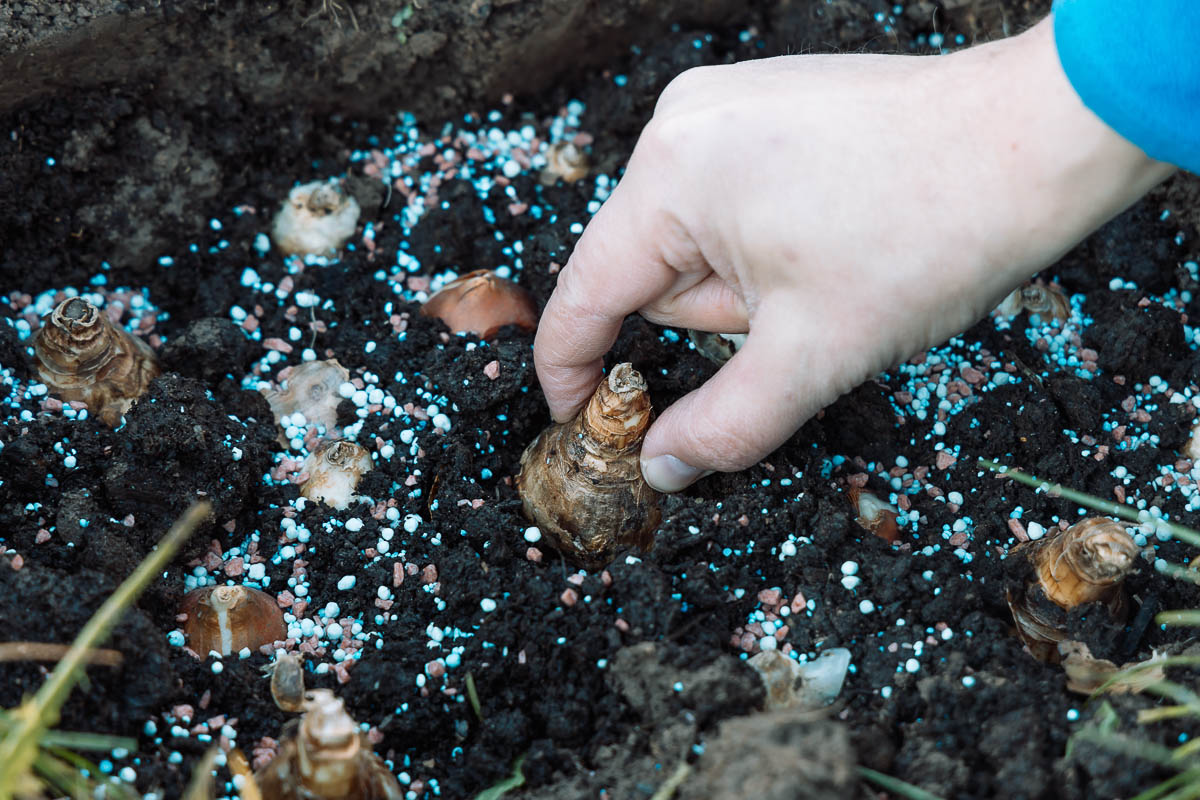
Daffodils, like other spring-flowering bulbs, should be planted in the fall. Although it can be difficult to wait that long for new shoots to appear, this extra time is needed for the roots to take root, giving the plant the foundation to sprout in the spring.
Planting daffodils too late will interrupt their natural growth cycle. They don’t have enough time to make strong roots before the ground warms up, which means they don’t have the resources to produce flowers.
bad background
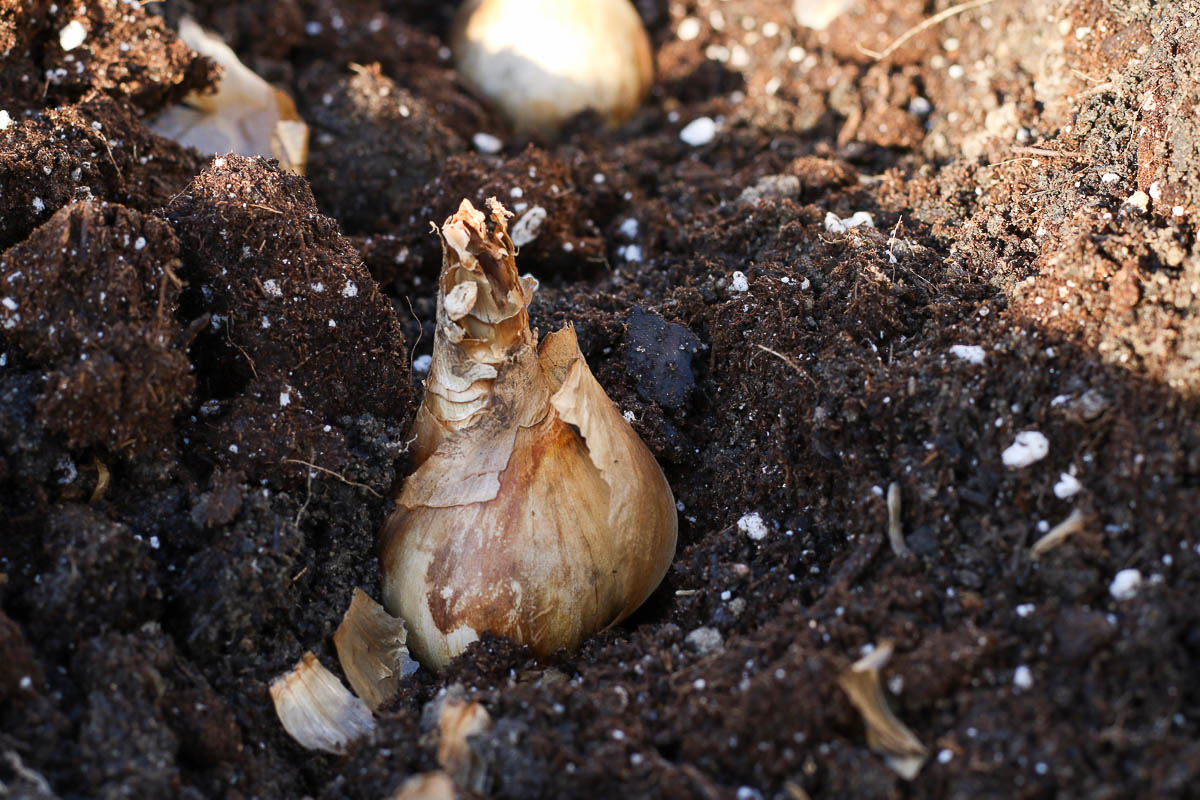
Soil has a huge impact on the growth of all plants, so it makes sense that poor soil can also have a negative impact on daffodil flowers.
Daffodils need rich, nutrient-dense, well-drained soil to prevent waterlogging. If it retains too much water, the bulb will rot, preventing flowering or even leaf formation. If it does not retain enough water, the roots will continually dry out, preventing flowers from emerging.
Soil should be amended with organic material and any amendments to improve texture if necessary. These amendments should also be mixed deep into the soil where the roots will grow.
Overcrowding
 These daffodils can be a bit crowded and can benefit from being split and divided.
 For daffodils that used to bloom profusely and are now underperforming, overcrowding may be the problem.
Daffodils naturally spread underground and produce large clumps of growth. Lots of foliage with no flowers usually means these clumps are overcrowded and competing for available nutrients, which means none of them have exactly what they need to produce flowers.
Unfortunately, your daffodils will not produce flowers this season. However, they can be increased and divided at the end of the season. As long as the bulbs are large enough, they should produce flowers the following year if planted in the fall.
lack of nutrients
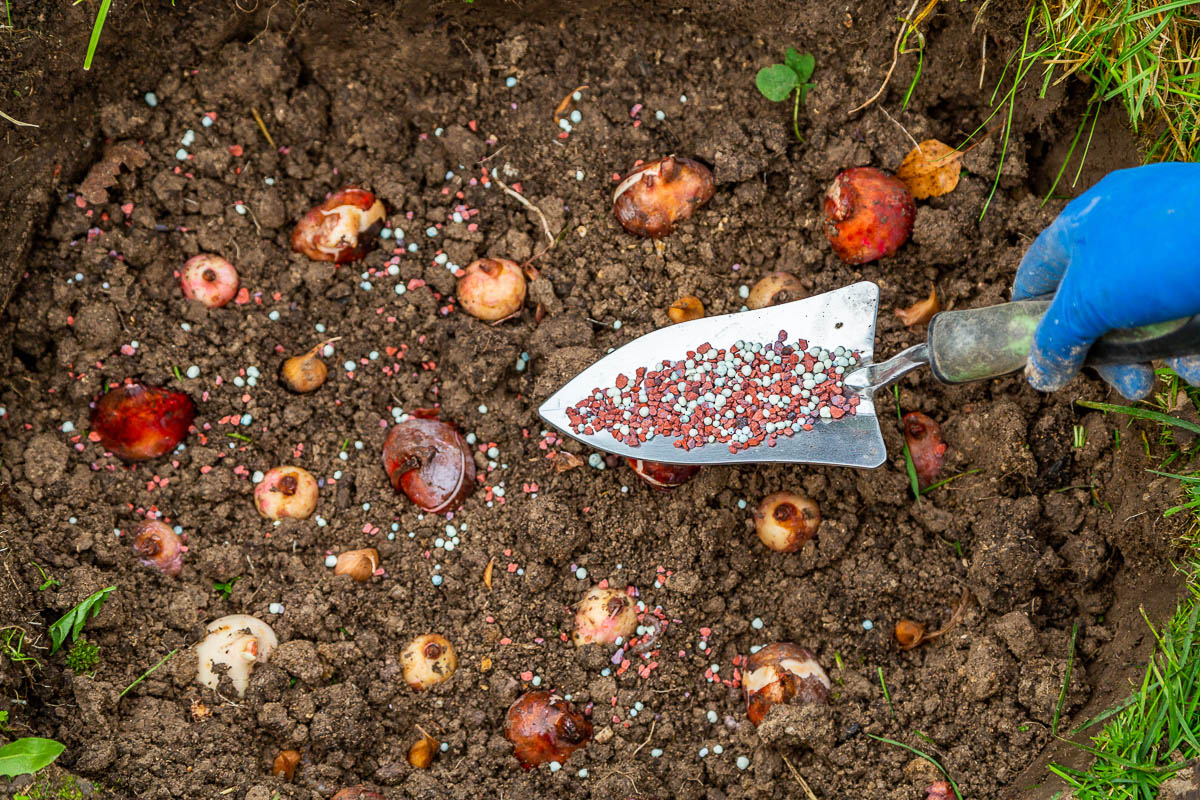
Although they are made to bloom, producing flowers is not an easy task. These complex structures require a lot of energy and nutrients to produce. If your daffodils don’t have enough of what they need, you may see green growth, but they may not bloom.
It can also happen if there is an imbalance of nutrients in the soil, especially an excess of nitrogen and a lack of phosphorus or potassium. While these three macronutrients work together to stimulate growth, nitrogen is largely responsible for leaf growth, while the other two have a greater impact on flowering.
A soil test is the only way to determine if there is an imbalance or shortage of nutrients in the soil. You can fertilize to see if adding nutrients solves the problem, but if there is an imbalance, it could make the problem worse.
cut too early
 After the daffodil flowers fade, allow the foliage to die back naturally for 4 to 6 weeks before pruning.
 Late in the season, daffodil foliage begins to die back. Yellowed leaves may look messy, but it’s important not to prune them for at least 4 weeks. As these leaves die off, resources are slowly transported into the bulb to be stored during the colder months. This is what gives the bulbs the energy to produce again the following spring.
Cutting daffodils too soon will stop this vital process. The bulbs do not have what it takes to bloom the following year, or even produce leaves in extreme cases. Wait for the leaves to die back completely before pruning, even if your flowerbeds look a little messy for a while.
 These daffodils were pruned last year immediately after blooming by an overzealous gardener. This is probably why few flowers are blooming this year.
 harmful

Pests are always a threat in the garden, especially when it comes to bulbs. If the bulb structure is damaged at any time during the growing season, flowering will be affected and the entire bulb may die.
The big culprits to watch out for are bulb flies and bulb mites, which can cause blind daffodils. Other common garden pests can feed on foliage, but this will likely only affect flowers when infestations become severe.
Blind daffodils or late bloomers?
 The daffodils in the foreground are not yet open, but the daffodils in the background have been blooming for several weeks.
 Some daffodils can bloom until January, but some varieties don’t bloom until mid-March. If you’re worried your daffodils won’t bloom, wait a bit and see if you have a late-blooming variety.
Will blind daffodils bloom again?

Fortunately, blind daffodils can bloom again as long as the source of the problem isn’t a damaged bulb. All you have to do is rectify the conditions that caused daffodil blindness and your plants should bloom again next season.
If the problem is plant-related, lift and divide the bulbs, making sure you plant them in the right soil. If it’s care or related to the environment, make sure it’s planted in the right conditions. Always keep an eye out for pest problems and divide them every few years for strong blooms season after season.