

A lavender tree is pure magic, straight out of a fairy tale!
Lavender, a woody perennial, can be pruned and shaped into a tree. This is called the formation of standard or topiary plants.
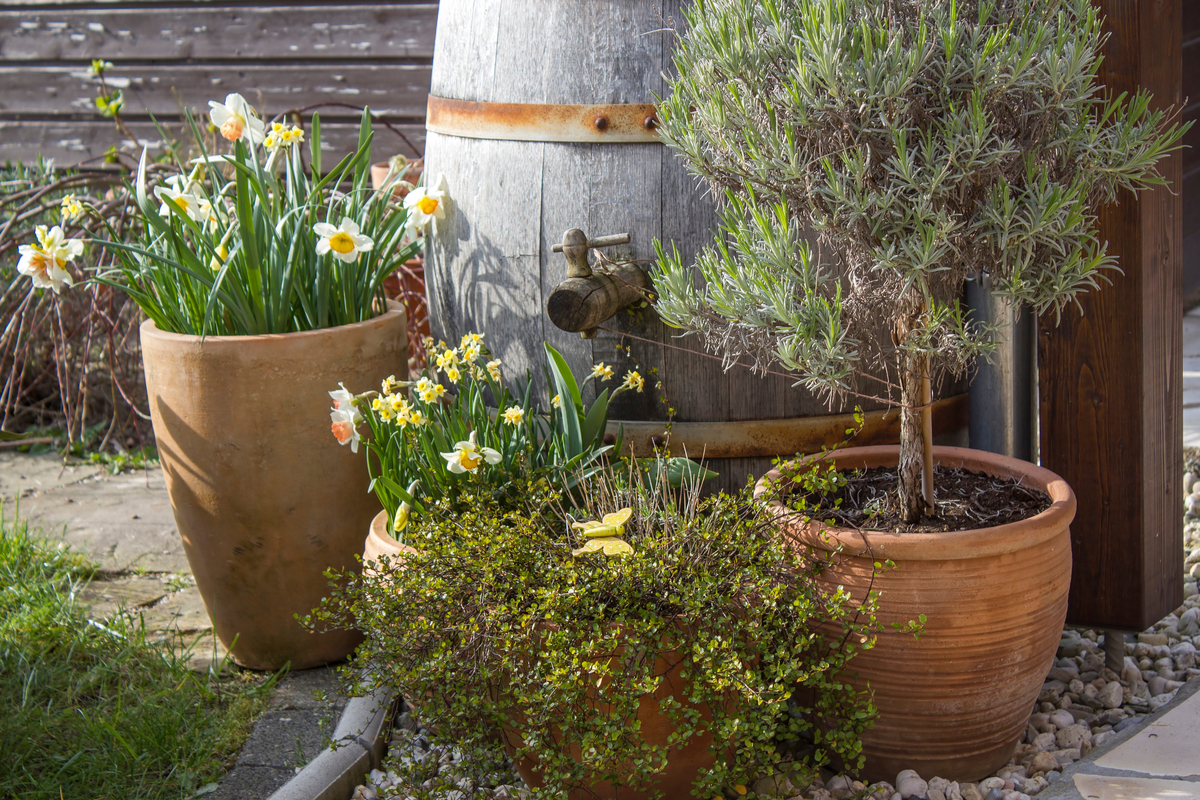
Topiary has an ancient history, especially the ancient Romans and Greeks were excellent at it.
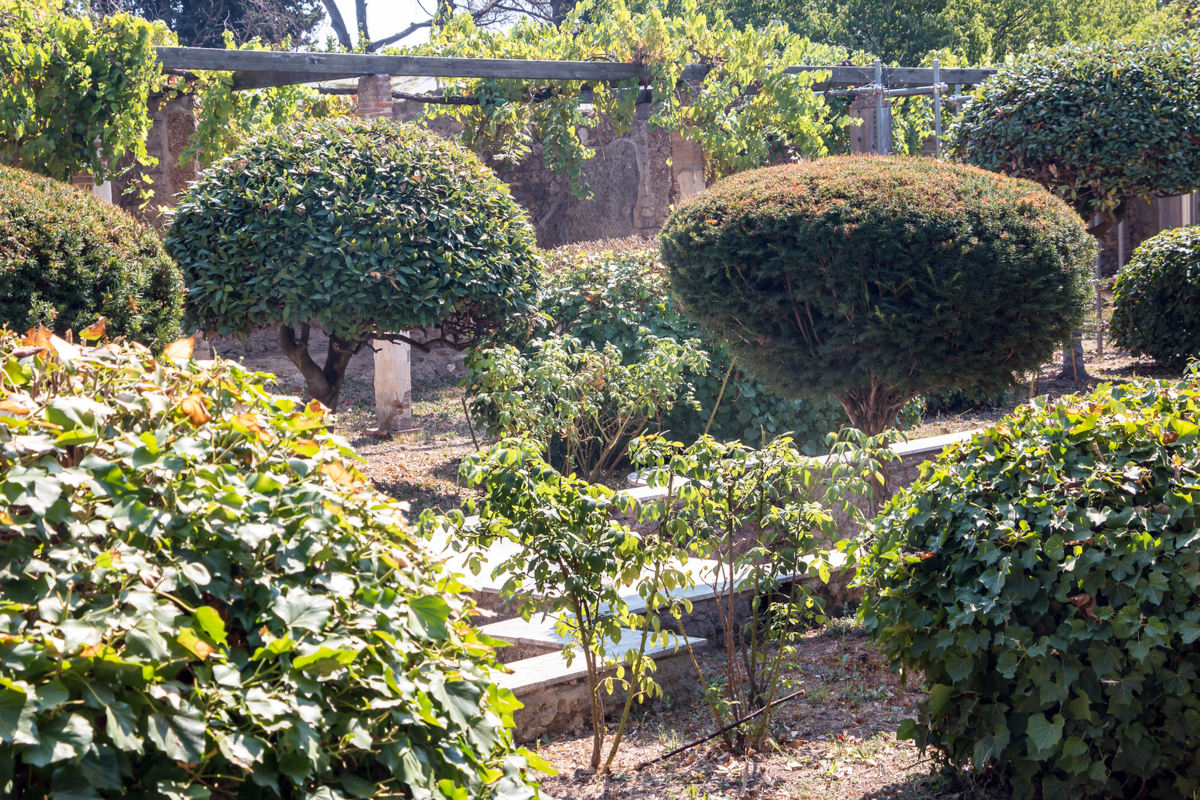
Topiary has been practiced in Asia for centuries, including many styles such as the art of bonsai.
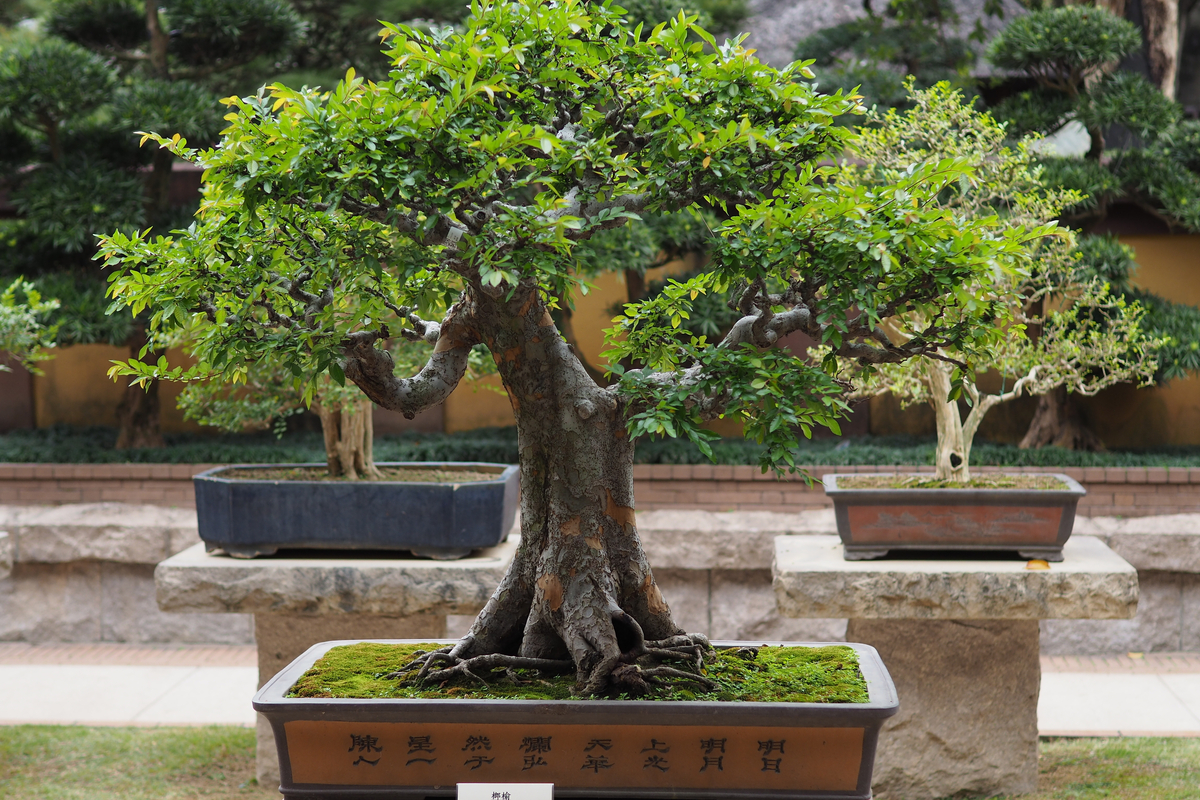
Topiary, an addiction induced by art
Trimming and shaping woody plants into ornamental shapes, or topiary, is an addictive art.
In its simplest form, forming a hedge into a geometric architectural form is a style of topiary.
Evergreen shrubs, including boxwood, yew, and tree of life, form soft, rounded shapes, angular shapes, geometric shapes, or even picturesque animal scenes.
Woody perennials, especially fragrant lavender, also make excellent plants for standard plant training.
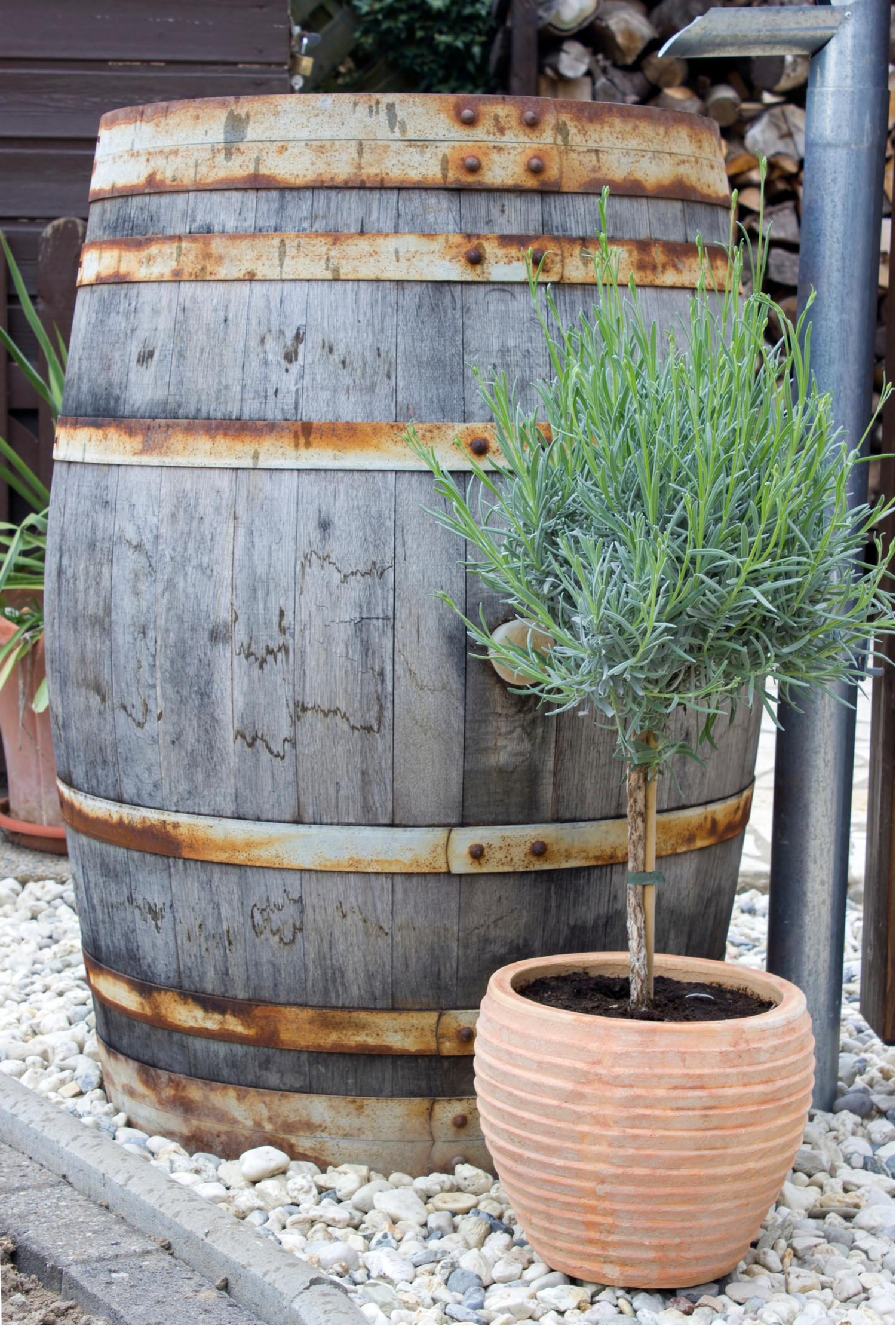
Lavender topiary, an architectural adventure
Lavenders are hardy woody perennials, ideal for topiary or to form a standard tree.

Lavender trees are grown by patiently training lavender to grow from a main stem. We will share the process of forming your own lavender at the end of this article.
Nurseries and topiary artists also grow lavender ready to enjoy and we share some of the best places to buy lavender later in this guide.
Why grow a lavender tree?
The great reasons to grow a lavender hedge are reinforced by training standard lavenders!
Lavenders are drought tolerant, making them an exceptional choice for growing in dry climates or containers.
A lavandin adds extraordinary to a garden of magical, mythical and fairy herbs.
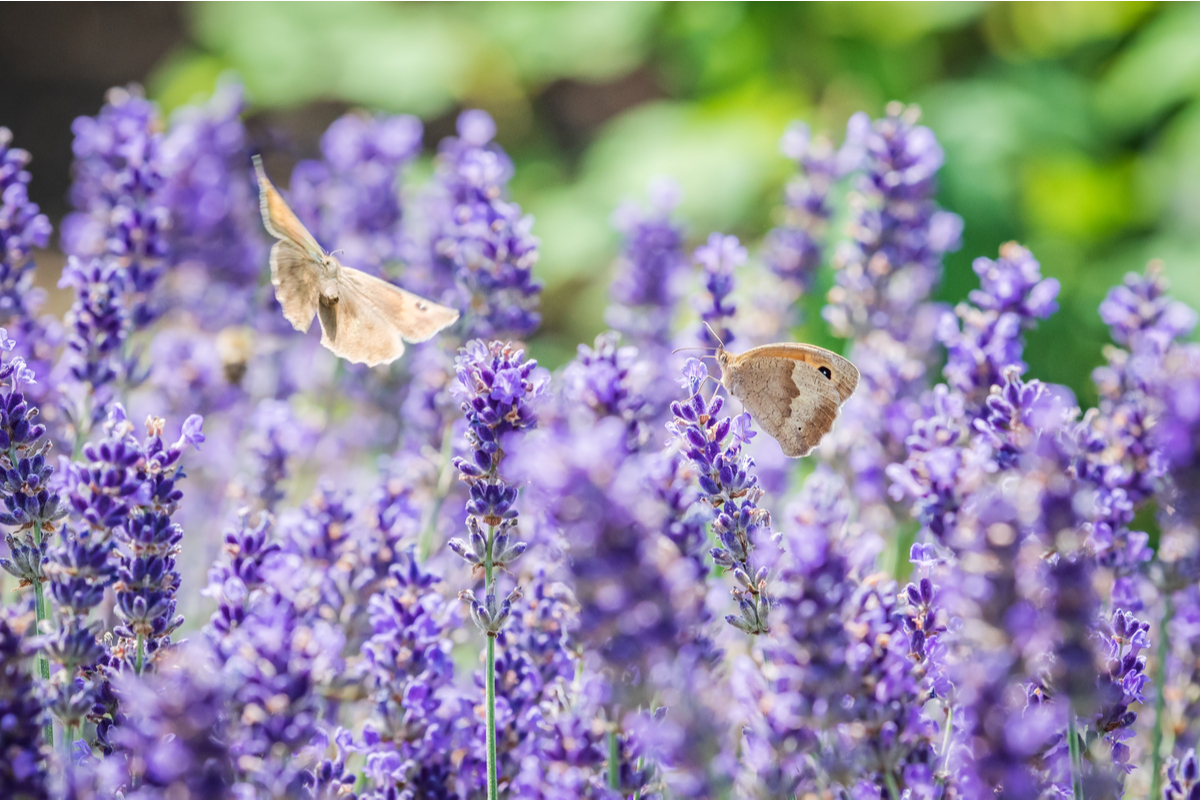
For the occasion, your flowering lavender will attract beautiful winged pollinators and beautiful butterflies.
Elegantly fragrant, a lavender tree will elevate any indoor or outdoor space or patio to new heights of style and sophistication.
Lavender is famous for its spectacular in cut flower gardens as well as for dream-worthy dried flower crafts.
The clean, soothing scent of lavender is also a natural sleep aid that reduces anxiety and restlessness.
The best type of lavender for a lavender tree.
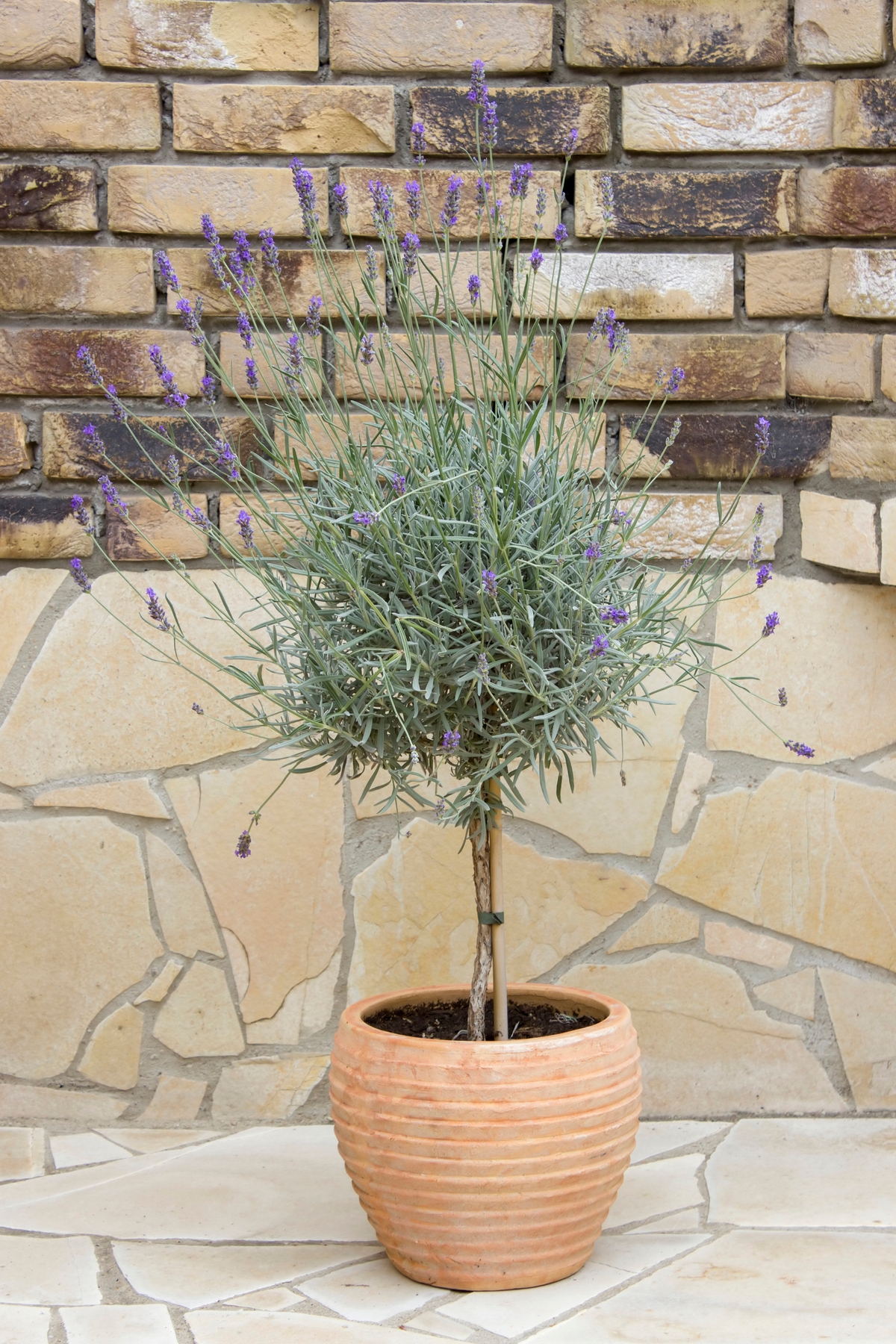
Lavender ‘Grosso’ (Lavandula x intermedia ‘Grosso’)

A tall, exceptionally fragrant variety that reaches up to 3 feet. The long stems bear gray-green foliage and dark blue-violet flowers in summer.
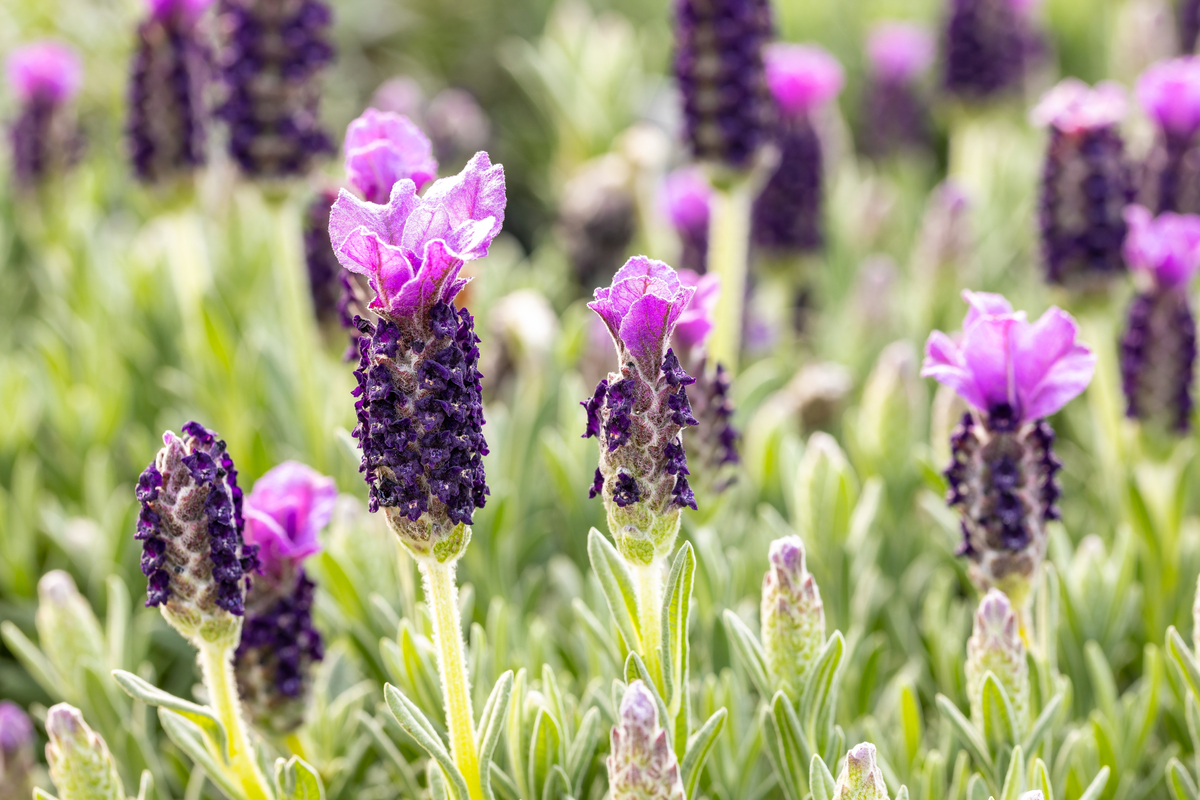
Silver Spanish Anouk Lavender (Lavandula stoechas ‘Silver Anouk’)
Blooming from late spring through fall, the dark purple flowers are made even more beautiful by their showy, petal-like bracts. Thriving in warm, humid climates, the dense silvery-blue foliage perfectly accentuates the abundant repeat blooms on plants growing 24 to 30 inches tall.
Goodwin Creek Gray Lavender (Lavandula x ginginsii ‘Goodwin Creek Gray’)

One of the tallest varieties of lavender, Goodwin Creek Gray Lavender reaches up to 4 feet tall with long spikes of dark purple flowers. A lover of hot, dry climates, this lavender is suitable for growing in containers and can easily be moved indoors in winter all year round.
Where to buy a lavender tree

Lavenders may be available at your local nursery. They can even grow them themselves. If not, they may be able to order your lavender especially for you.
When it comes to buying a lavender tree online, Bloomscape offers this beautiful Spanish lavender tree with five different pot color options.
Some other online retailers specializing in standard lavender topiary are Nature Hills. com, Brighter Flowers. com, FastGrowingTrees.com, TopiaryTree.net and bellavintagehome.com.
How to Care for a Lavender Tree
Lavender plants like full sun, warm temperatures, and moderately well-drained soil.
At home on rocky cliffs overlooking the Mediterranean Sea, lavender plants thrive in similar climates and conditions.

Your lavandin can be planted in the ground or in a container.
Some varieties of lavender are hardy to zone 5. However, most are hardy to zones 7 through 9.
Since most of the living plant parts of your lavender are elevated above ground, additional winter protection may be needed for plants that stay outdoors year-round.
Growing your lavandin in a container allows you to move the tree indoors to enjoy it during periods of bad weather.
Factory Location:
- Area: 5 to 9
- Light: full sun
- To land: Average to poor, well-drained soil with a neutral to alkaline pH (6.5 to 7.5 pH).
- Original habitat: Mediterranean, North Africa, Southern Europe, Arabia and Asia.
- Temperature and humidity: Relatively dry, warm and temperate conditions.
Care needs:
- Humidity: Water moderately until established. Tolerates dry to dry conditions once established.
- Interview: Simple. Well-drained soil is essential.
- Power source: It is rarely needed.
- Size / Headless: Prune annually to maintain the shape of the tree. Cut the flowers you want for bouquets or dried flower projects. Save the topiary when harvesting branches and flowers.
- Hibernate: In cold climates, in zones 5 to 7, bring your lavender indoors in the winter. Sit in the sunniest spot available and enjoy. In zones above 7, your lavender can overwinter outdoors. If necessary, protect yourself against harmful cold and wind. Do not overwater your lavender. Provide well-drained soil.
If your lavender or plants aren’t looking their best, check out 6 Reasons Your Lavender Is Dying.
Lavenders, inside or outside?
Choosing where to place your own special lavender tree is an unavoidable question.
If you are lucky enough to live in the perfect climate for growing lavender—hot, dry, sunny, and above zone 7—your options are essentially limitless.
Planted among your favorite perennials and garden herbs, your lavender is sure to steal the show.
In the garden of aromatic plants, in the rockery, in the priest’s garden or in the French garden, your lavender will find its place.
A lavender tree grown in your favorite elegant container will perfectly accent any indoor or outdoor space.
Even better, a potted lavender plant will move with you, whatever the weather and wherever you live.

Lavender Companion Plants
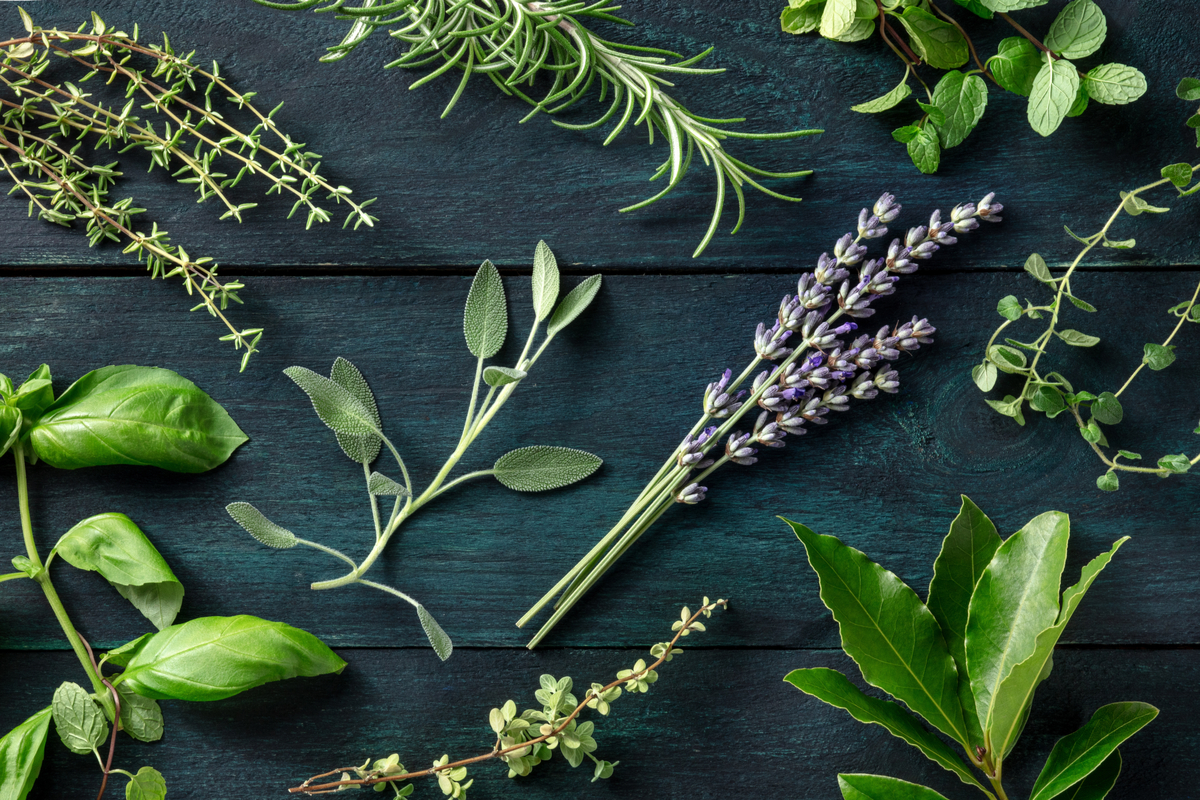
Lavender grows well with many Mediterranean herbs such as oregano, sage, thyme and rosemary.
Avoid planting lavender with mint or moisture-loving hostas and impatiens.
Imagine a topiary herb garden of lavender, rosemary and sage!
Lavender’s most popular annual and perennial flowers are coneflower, black-eyed daisy, African daisy, and zinnias.
Climbing roses and topiaries will complement your lavender beyond imagination.

Transplant a lavandin
A fine mulch or fine gravel is ideal for covering the soil under your lavender.
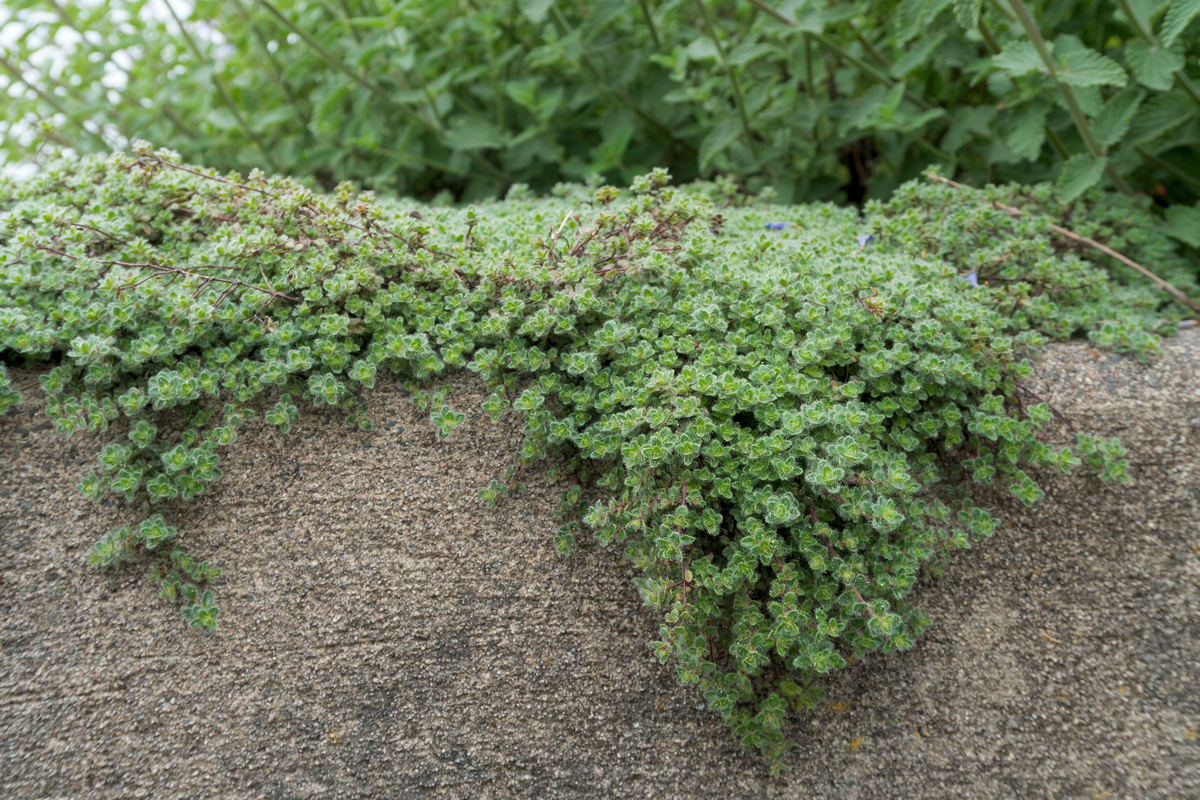
You can also transplant your lavender. Experience the dreamy fragrant blend of succulent creeping thyme under a lavender tree.
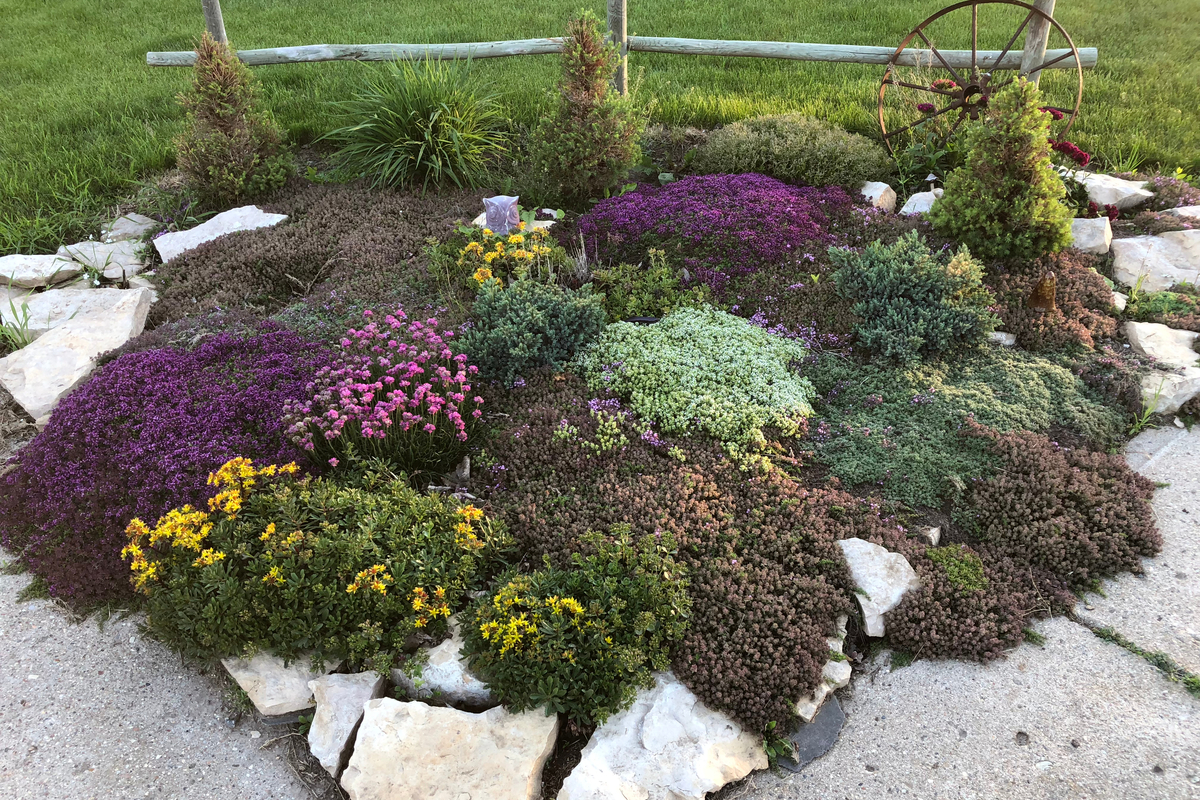
Or perhaps the colorful variety of drought-tolerant trailing sedums happily under the fragrant branches.
Charming and cheerful, spring and fall flowering emerging pansies look lovely under a lavender tree.
How to Train Your Own Lavender Trees
Following on from our How to Propagate Lavender from Cuttings, here are some tips for training your lavender into a standard or topiary tree shape.

You can also turn mature lavender plants into a tree or topiary. Although it may be easier to start with young plants.
- Choose seedlings or plants with a strong, prominent main stem.
- Pinch or prune shoots or branches while leaving the main stem in place.
- For seedlings, allow to grow upwards, pinching and pruning side shoots as the plant matures.

- Keep practicing until the lavender plant has a tree-like main trunk.
- Allow the plant to begin branching above the desired height of the main stem.
- Continue to pinch and prune the “tree top” to allow for full, bushy growth. This forms a ball or treetop structure on the main trunk.
Perfect balance between well-being and elegance, a lavender tree is incredibly special inside and out!