
Spring is a great time to give yourself a bouquet of fresh flowers, trim the grass and harvest the first produce from your garden. But, for some people, blooming flowers and freshly cut grass can lead to spring allergies.
Depending on your condition, spring allergies can make it difficult to be outdoors and interfere with your quality of life. Itchy eyes, clogged sinuses and headaches are no fun.
For homesteaders, the last thing you want is to be housebound during the busiest time of year.
Don’t be afraid of the changing seasons at the end of winter. This guide can help you.
Signs and Symptoms of Spring Allergies
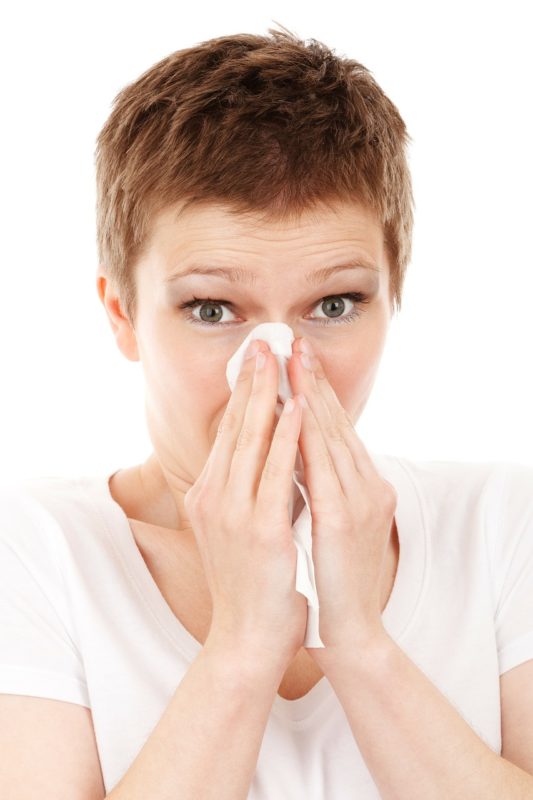
The most common type of spring allergy is allergic rhinitis (hay fever), which affects 400 million people worldwide. This type of spring allergy is often triggered by exposure to pollen from trees, grass, and weeds.
Although the exact symptoms vary from person to person, for most people the most common are:
- Runny nose
- Nasal congestion
- Wheezing
- To cough
- Chest tightness
- Itchy eyes
- Sore throat
- Headache
If you’ve suffered from spring allergies from a young age, you know how difficult it is to deal with them. If you have young children, keep an eye out for these symptoms so you can get a diagnosis as soon as possible and start helping them.
Managing Spring Allergies
There is a myth that you can avoid allergens if you pull plants from your garden to which you are allergic. It might help a bit, but you can’t pull the grass from your neighbor’s yard or kill the elm tree in the nearby park.
It’s just not practical to try to completely avoid all allergens. Pollen can travel for miles with the wind. The only reliable way to avoid something you’re allergic to is to move to a place where that plant doesn’t grow, and that’s not something most of us can or want to do.
However, you can keep an eye on the pollen count. If you know that the number of things that trigger you is high, there are things you can do to minimize your exposure during these times.
Usually, you can find pollen count information in the weather forecast or by doing a quick search on the Internet.
So what are your options for spring allergy relief? Here’s what you can do.
1. Medicines

This is probably not the solution you were hoping for, is it?
One of the most effective ways to manage spring allergy symptoms is to get over-the-counter medications or prescriptions from your doctor. It is best to consult a doctor before starting spring allergy medication, as there are many options available.
Your doctor can guide you to what is best for your particular situation.
Here is a list of the most common types of prescription medications for spring allergies:
- Oral antihistamines
- Corticosteroid nasal sprays
- Cromolyn Sodium Nasal Sprays
- Oral decongestants
- Eye drops
If none of these options work for you, there is also the option of subcutaneous immunotherapy (allergy injections), given under the supervision of a doctor. For starters, allergy shots are given in small doses to see how your body reacts.
Then, if your body responds well to the allergy shots, your doctor may increase the dose. Eventually, your body will stop reacting so strongly to the allergens that irritate you.
You can also try eye drops to help soothe the itchiness and dryness when your spring allergies kick in.
If you are on allergy medication, it is a good idea to start your allergy medication a month before high pollen days. Instead of waiting for your allergies to kick in, you should take the medicine ahead of time.
2. Stay indoors when the pollen count is high

Let’s say you don’t want to rely on prescription drugs because you prefer a holistic approach, because you’ve tried those drugs and they don’t work, or because you hate the side effects. In this case, it is essential to minimize your exposure to allergy triggers.
There are many ways to reduce the risk of triggering your allergies in the spring while still being able to take care of your plants and crops.
First, try to stay indoors if it’s windy outside. When there are high winds, pollen levels often increase as the wind carries the allergen away.
Likewise, you should also minimize your time outdoors when it’s dry. It might not seem like the best time, but when it’s raining or just after it’s rained, it’s ideal. Humidity lowers pollen levels and makes life outdoors more pleasant in case of allergies.
It’s a good idea to check the weather forecast every night before bed so you know what to do the next day.
3. Avoid stirring up pollen

Ideally, you should avoid mowing the lawn and weeding during dry, windy periods. If you don’t have any symptoms, you can do these tasks in small steps, but be careful not to overdo it and make the effects worse.
You should also avoid pruning trees, tilling the ground, or doing anything else that will disturb the pollen and cause it to fly back into the air.
I know, it’s hard to do when it comes to preparing the gardens and moving the cattle. Do your best and wait until after a bit of rain to get to work.
You should also watch out for mold spores. Unfortunately, spring is a common time for mold spores to grow as the spring rains fall.
Do not disturb the leaf cover if you are allergic to mold.
4. Keep pollen out

You must remove your clothes as soon as you leave your garden. Then jump in the shower. This will remove extra pollen that has stuck to your clothes, skin, and hair while you were working outside.
When you hang laundry, keep it indoors or dry it in the dryer. You can hang your clothes outside when allergy season passes, but for now, keep them indoors.
Keep windows and doors closed in the spring when pollen counts are high. I know, a spring breeze is nice, but you don’t want to bring that pollen back inside.
5. Stay indoors in the morning

When you have a busy day of gardening work, it can be hard to stay indoors. If you can, avoid doing your yard work in the early morning when pollen counts are usually highest. Most plants pollinate in the morning before 9 a.m.
Sleep, read a book, or watch TV with a cup of coffee on pollen-rich mornings. Take advantage of some spring allergy benefits and relax!
Ultimately, there’s not much you can do to avoid spring allergies without locking yourself indoors for weeks. But if you strategize, you can always get away by simply avoiding the worst time of day for spring allergy sufferers.
6. Purify the air
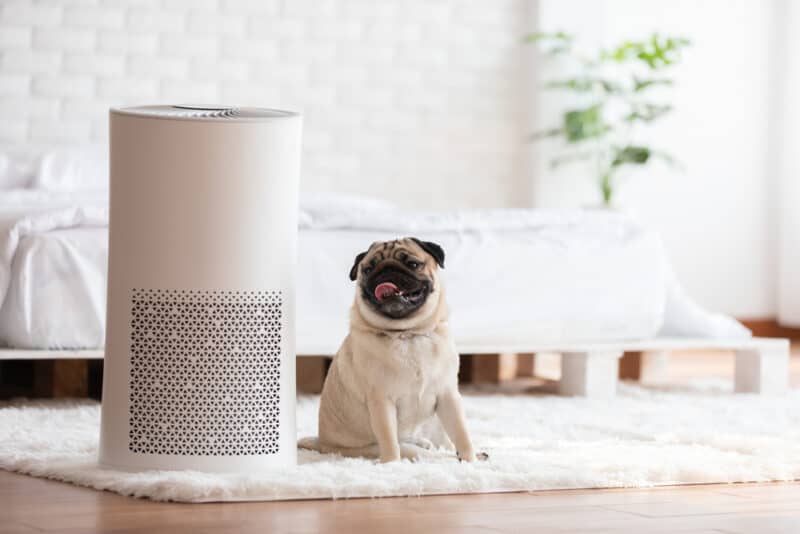
Another way to manage your symptoms is to use air filters.
Don’t rely on your air conditioning system. The vast majority will only make your allergies worse because they bring in pollen from outside and stir up dust and any pollen that already exists inside the house.
Some air filtration systems will remove allergens from the air. If you suffer from allergies, it may be useful to have a few in your home. Just be sure to check reviews and certifications. Not all air filters are created equal. Some do not filter fine particles.
Look for HEPA technology filters.
Regular vacuuming and floor cleaning will go a long way to reducing pollen levels in your home. You can put on your favorite music and spend half an hour tidying up your house to relax in the evening.
You should also make sure to change the filters in your home HVAC system frequently.
7. Turn to the (good) plants
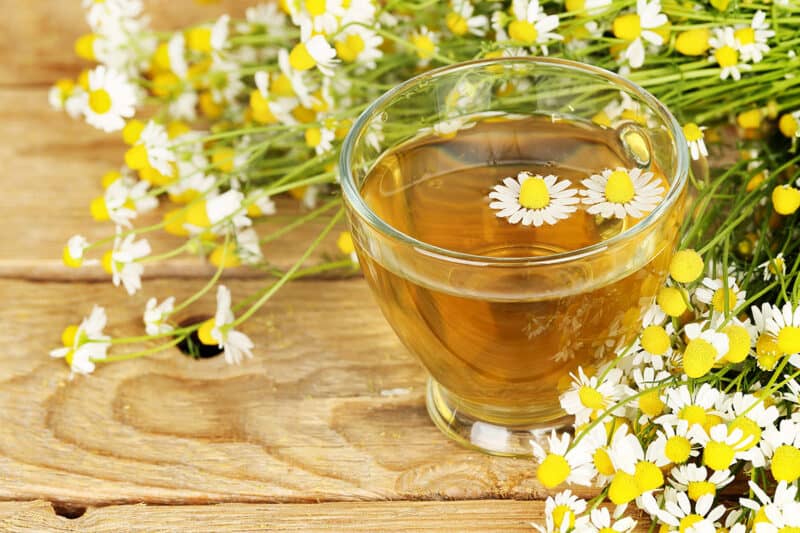
Try natural remedies like essential oils and soothing tea. Essential oils like peppermint or eucalyptus are excellent for clearing your sinuses and relieving nasal congestion.
Herbal teas like chamomile can soothe sore or irritated throats. You can add a little honey for a sweet taste and cheer you up during allergy season. Remember, if you are allergic to ragweed, avoid chamomile.
8. Use a Neti Pot
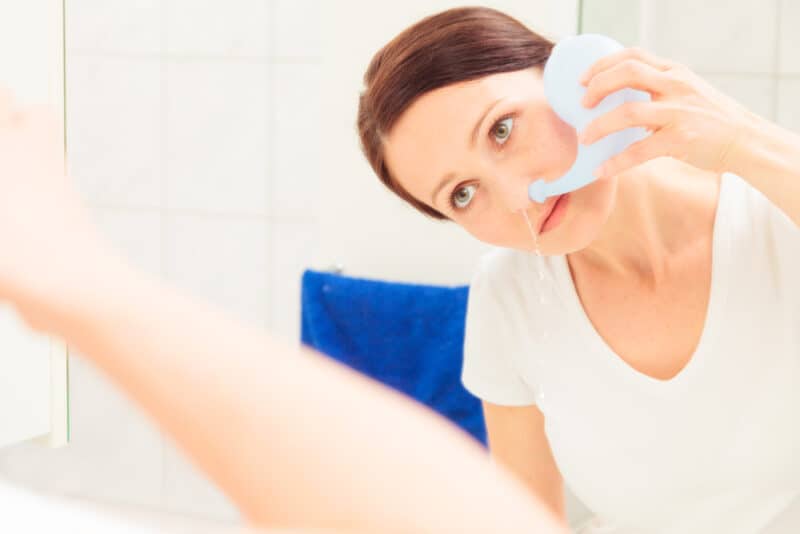
A neti pot is an effective way to cleanse your sinuses. You need to make sure that you are using clean, sterile water to flush the saline solution. Once you have your saline solution, you just pour it into one nostril and it comes out the other, clearing your sinuses along the way.
9. Add anti-allergy foods to your diet

Certain foods help your body fight allergies. In the spring, add these foods to your diet:
- Citrus
- Ginger
- Dear
- Tomatoes
- Turmeric
- Nut
Vitamin C also helps because it acts as a natural antihistamine, so add plenty of foods containing vitamin C to your diet.
Hope these tips help you fight spring allergies and feel better for summer!
Was this article helpful?
Yes No ×
We appreciate your helpful feedback!
Your response will be used to improve our content. The more feedback you give us, the better our pages will be.
Facebook pinterest