
In this blog, I will cover all the benefits of the purple heart plant, also known as tradescantia pallida.
What is the purple heart plant used for?
Purple Heart plants serve people and the environment. The air purifying properties are considerable. Purple Heart is the best way to remove harmful VOCs from indoor air. It improves air quality and reduces pollutants, making it a perfect houseplant. A popular houseplant, Purple Heart purifies the air and is easy to grow. Dark purple foliage and small lavender flowers make it beautiful.
When planted incorrectly, Purple Heart can become invasive. However, the Purple Heart Plant is an excellent air-purifying plant for beginners.
8 benefits of the purple heart plant
The rich purple colors of the Purple Heart plant offer more than just beauty. Five reasons why the Purple Heart plant should be in the home or garden.
Breathe Easy with its air purifying properties:
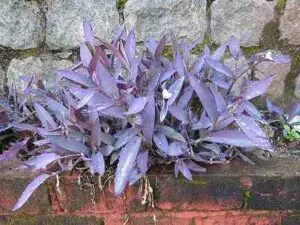
Did you know that indoor air quality can be five times worse than outdoor air quality? The Purple Heart plant naturally removes pollutants from the air. Studies show it removes four out of five indoor volatile organic pollutants, making your home healthier.
The Purple Heart plant is an excellent air purifier. They beautify your home and purify the air. Formaldehyde, benzene and trichlorethylene are naturally present absorbed by the plant, cleaning. Cleaning products, carpets, paint and glue all release these toxins into the air. Reduce air pollution and improve health. Purple Heart plants make fantastic houseplants due to their easy care and long term benefits.
Purple Heart plants reduce harmful toxins in your home. The plant breaks these pollutants down into harmless molecules and releases them into the air. This natural air filtration mechanism keeps indoor air clean and healthy.
Purple Heart plants have several benefits beyond just cleaning the air. It is resistant to many indoor pests and is easy to maintain. Reduces stress, improves sleep and improves mood.
Indoor air pollution can harm human health. Indoor VOC reduction techniques are being studied.
The reduction of VOCs in houseplants has been compared in one study. According to this study, four out of five VOCs were better removed at the Purple Heart plant.
Houseplants with purple foliage called Purple Hearts. The Purple Heart removed more benzene, formaldehyde, trichlorethylene and xylene from the sky than the other houseplants tested. Purple Heart’s porous leaves can absorb and retain VOCs.
According to research, the Purple Heart plant needs water every week. This makes it ideal for anyone looking to reduce indoor air pollution without caring too much about plants.
The Purple Heart plant minimizes indoor air pollution and should be explored to improve indoor air quality, according to the study. Decorate with a Purple Heart plant for a healthier home.
Purple Heart plants are known for their ability to absorb heavy metals from the rainforest floor. Phytoremediation naturally cleans the air and the environment. These plants are ideal for homes because they minimize air pollutants. These plants can also make a modern looking terrarium. Purple Heart plants are a unique and natural way to improve indoor air quality.
The rich purple colors of the Purple Heart plant offer more than just beauty. Five reasons why the Purple Heart plant should be in the home or garden.
Effortless growth:
For those who neglect plants, the Purple Heart plant is ideal. You can grow a plant from a cutting and soil. They can survive drought and excess water.
Wearing:
The Purple Heart plant thrives both indoors and outdoors. It grows in many soils and is resistant to most pests. When planting in the ground, beware of its invasiveness.
Beauty without comparison:
The rich purple color of the Purple Heart plant brightens up any landscape or home. It grows close to the ground or in hanging pots and contrasts well with light green, gold and yellow-green. For a trendy show, pair it with pink and burgundy.
Health benefits galore:
The Purple Heart plant is beautiful and healthy. It can increase blood circulation and reduce inflammation, making it an antioxidant and antitoxic supplement. The leaves have antimicrobial properties and are used by some Malay communities to treat sore eyes.
However, the sap from the leaves and stems can cause skin irritation and stomach upset in pets, so avoid plants near dogs and cats.
The Purple Heart plant is an asset to any home or garden. For those who prefer a greener and healthier lifestyle, its air-purifying properties, ease of growth, resilience, gorgeous beauty and health benefits make it a must-have.
Reduce stress and mental health.
Purple Heart reduces stress and improves mental clarity. According to research, indoor plants alleviate fear and despair. Purple Heart’s vibrant purple foliage offers style and functionality for any decor.
improve humidity
Finally, Purple Heart increases indoor humidity. Plants release moisture into the air during photosynthesis, which can increase indoor humidity during dry winter months.
Ideal as a houseplant.
The Purple Heart plant is a flexible and multifunctional addition to any indoor garden, providing health and environmental benefits.
Summer
Purple Heart plants have several benefits, including:
- Air purifying properties, removing pollutants and toxins from the air.
- Easy to grow and hardy, it grows well in a variety of soils and is resistant to most insects and pests.
- Aesthetically appealing, a splash of color with a dark purple tint.
- Medicinal properties, in traditional use to improve blood circulation, anti-inflammatory effects and antioxidant and antitoxic properties.
- It can be harmful to pets, causing skin irritation and digestive problems from the sap from the leaves or stems.
About the Purple Heart Plant
The Purple Heart Spider (Tradescantia pallida) is a popular landscape and garden plant. Its scenic appeal has spread across the temperate regions of the original eastern Gulf region of Mexico.
Purple Heart’s dark purple lanceolate leaves stand out against pastel lavender or pink flowers. Despite its beauty, Purple Heart can be invasive and requires careful propagation.
Purple Hearts purifies indoor air and makes it unique. Removes VOCs from indoor air better than 28 other species in one study. Paint and furniture emit harmful VOCs. As a houseplant, Purple Heart may have health benefits.
Purple Heart grows well from cuttings and is hardy. The sterile flowers grow from cuttings, making them a popular houseplant. However, cuttings can become invasive if discarded.
last words
In short, Purple Heart is a beautiful, low-maintenance plant with many health and air quality benefits. Purifies indoor air by removing harmful volatile organic compounds. The purple foliage brightens up any interior and the low maintenance makes it great for beginners or busy people. Indoor growers need Purple Heart for its decorative and air-purifying properties.