If you purchase an item through links on this page, we may earn a commission. Our editorial content is not influenced by commissions. Read full disclosure.
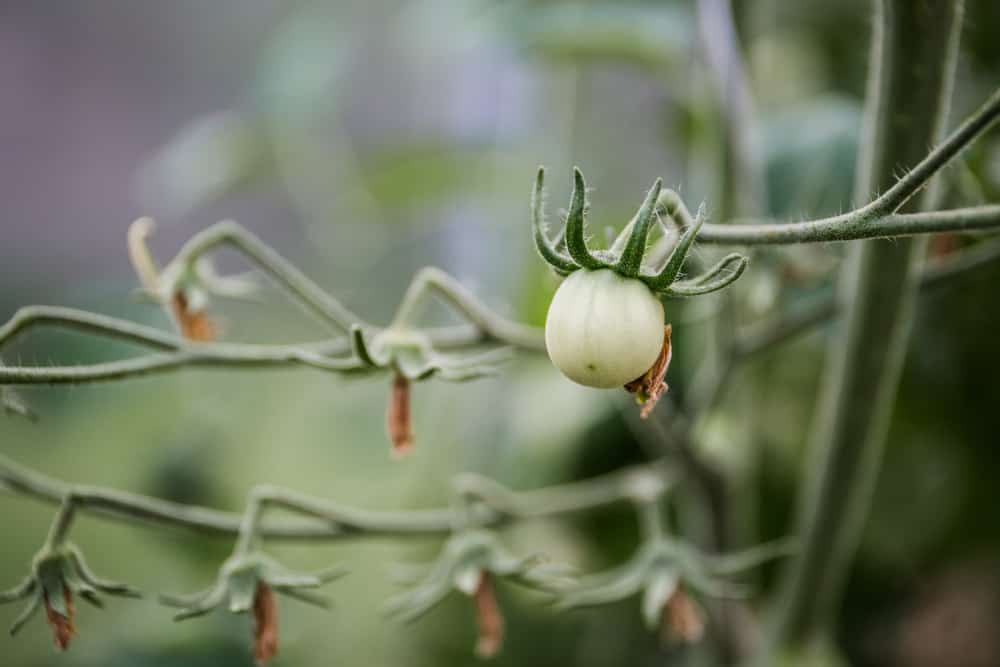
Do your tomatoes have big luscious buds that won’t flower or produce fruit? If so, you might be dealing with Tomato Big Bud disease (TBB).
This problem mainly affects crops in tropical or subtropical environments, but can appear in hot and humid regions of the United States and Mexico.
Since it prevents tomato plants from forming fruit, it results in a massive loss of food crops and a colossal waste of personal time and energy. Want to know what you can do about it? Keep reading.
What is Tomato Big Bud, exactly?
Buckle up, because you’re about to learn all about this pathogen and how it will mutilate your plants.
Tomato Big Bud (TBB) is caused by a phytoplasma microorganism called Candidate Phytoplasma aurantifolia. It specifically affects the sepals of tomato buds, causing them to grow significantly larger and encase or smother the developing bud.
If you’re unfamiliar with botanical terminology, check out this:
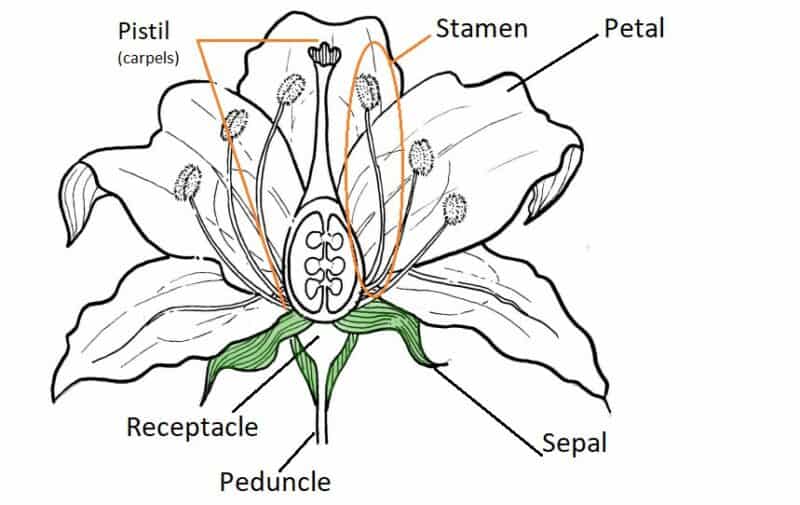
Sepals are the green “foundations” of most flowers. They provide protection during bud development, then provide structural support to the petals once they develop and open.
When Tomato Big Bud kicks in, those sepals can grow up to 10 times their normal size—much bigger than the flowers they envelop.
What happens next is that instead of protecting the buds until they open, the sepals fuse together and don’t open to release the flower bud inside. In fact, they might even grow weird growths and grow even bigger!
Additionally, plants with Tomato Big Bud will develop numerous side shoots and branches from their stems, so that they grow bushy rather than tall.
The leaves often curl and turn yellow or purple, and if by some miracle one of the sepals opens so that the flowers inside can be pollinated, the fruits will be tiny and misshapen.
As you can imagine, that means you won’t get salsa or sauce from your culture if that happens. You also cannot save the seeds of said small malformed fruits. Even if they ripen and ripen, the seeds will become carriers of the TBB.
There is no therapeutic treatment for Tomato Big Bud, so affected plants are not salvageable. It’s not like you can remove the overgrown buds, and the rest of the plant will be fine. Once a plant is infected, all you can do is destroy it.
How to cope
Since there is no way to treat TBB once it appears, your best option is prevention.
The main way this disease is spread is through leafhopper insects. These are difficult to manage unless you want to spray your property with rather intense pesticides, and even these are usually not effective.
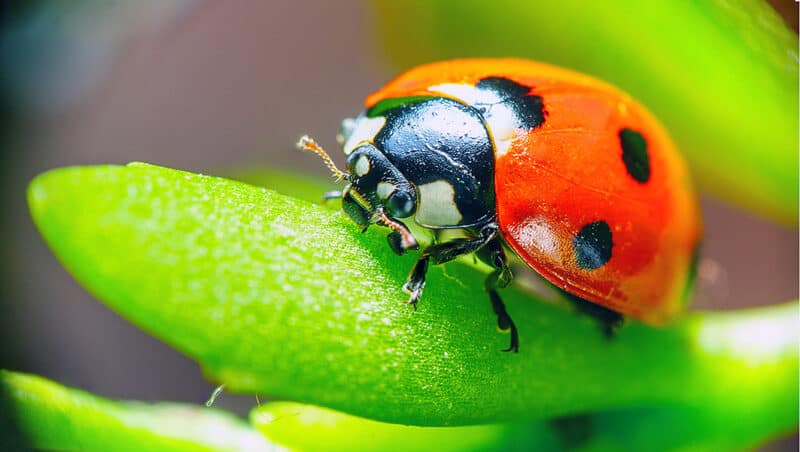
Luckily, assassin bugs and ladybugs prey on them and can help you reduce their numbers.
Another contributing factor to the development of Tomato Big Bud is that many other plant species can harbor and spread it without showing symptoms themselves. They’re kind of like the “Typhoid Mary” of TBB disease, because you won’t see any signs of the problem until your tomato plants mature.
Quarter of lamb (Goosefoot Album), various species of docks, chicory and thistles can be carriers. The disease can pass from them to your tomato plants through cross-contamination, water movement in your soil, or through the aforementioned leafhoppers.
If you find any of the aforementioned species growing nearby, remove and destroy them as soon as possible. Likewise, pull out any nightshade weeds that can also carry TBB.
Depending on where you are, it could be various wild nightshades, as well as wild tobacco, datura, cape gooseberry, and mandrake.
Preventive measures
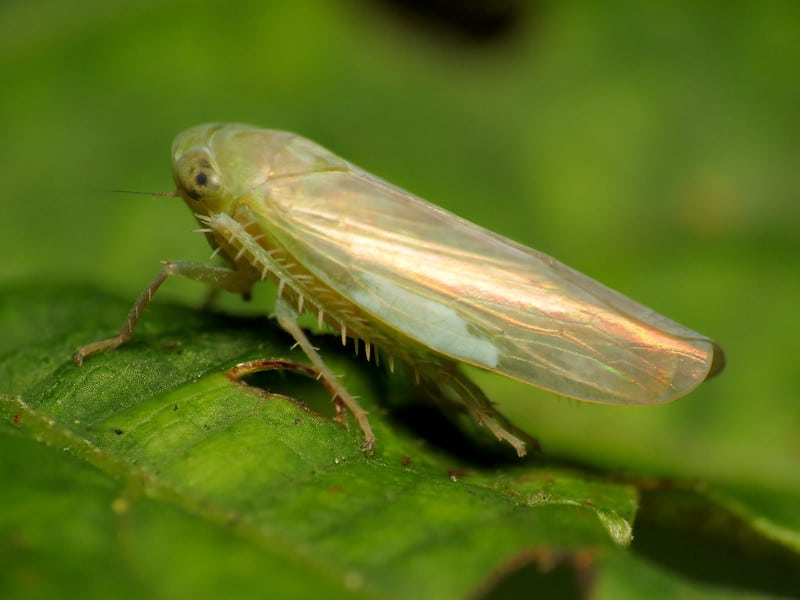 Leafhoppers are the main vectors of Tomato Big Bud disease.
If Tomato Big Bud has appeared in your garden, consider leaving that area fallow for a few years. Dig up, sterilize, and discard the top eight inches of soil, then don’t plant nightshades in it for five to seven years.
If you choose to grow tomatoes on another part of your property, be sure to rotate this crop regularly with roots, greens and legumes.
Pull out potential carrier weeds that could harm future crops and make sure your soil has adequate drainage. TBB can move quickly through the water table and hang out in wet areas. Therefore, good drainage will reduce the chances of it remaining in your area.
When it comes to leafhopper control, attracting birds that like to eat them is one of your best bets. Since leafhoppers and leaf miners move far too quickly for pesticides to be of much use, this is where bird friends come in handy.
Sparrows, finches, cardinals and chickadees are their most common predators, but species vary from region to region. As such, do some research on your local songbirds and what they eat, and attract them to your property with appropriate feeders and birdbaths.
When they come in for a delicious seedy suet snack, they spot their favorite finger foods and spend a day in the field eating them. Fewer hoppers = less risk of TBB.
Other plants that can be affected by Tomato Big Bud

Although TBB mainly affects tomatoes, it can also affect other members of the nightshade (Solanaceae) family. This includes hot and sweet peppers, eggplants, ground cherries (Physalis), goji berries, tomatillos, potatoes and ashwagandha plants. It can also affect certain peanut and Chinese cabbage plants.
If Tomato Big Bud has been known to affect tomato plants in your area, be sure to check your other nightshades as well. Your tomatoes may survive this year, but your jalapenos could all crumble.
Was this article helpful?
Yes No ×
We appreciate your helpful feedback!
Your response will be used to improve our content. The more feedback you give us, the better our pages will be.
Facebook pinterest