
If you purchase an item through links on this page, we may earn a commission. Our editorial content is not influenced by commissions. Read full disclosure.
One of North America’s most destructive garden pests is the tarnished plant bug. This small plant-eating insect is destructive primarily because it can feed on a wide variety of plants.
Tarnished plant bugs can feed on more than half of the crops grown commercially in the United States, as well as various weeds and wild plants. This omnivorous ability makes it impossible to starve the tarnished bug. It will simply switch to eating another plant instead.
When the tarnished plant bug invades, almost every plant in our gardens is at risk. But knowing how to recognize this pest early on can make controlling its damage easier and more effective.
Getting to Know the Pest
Tarnished bugs (Lygus lineolaris) love to feed on young plants, buds, flowers and new fruits. They feed by inserting their long sucking mouthparts into the plant and then rinsing the area with their saliva.
Just as mosquitoes inject a bit of itchy poison with each bite to keep the blood from clotting, the tarnished plant bug injects a bit of the toxin polygalacturonase into each wound it makes in the plant. Polygalacturonase breaks down pectin and plant tissues, aiding the insect’s digestion.
This toxin creates telltale signs of damage to the sight of food.
Browning, scarring and warping of young fruits and flowers are easy to see signs that tarnished plant bugs are running wild in your garden.
Of course, these telltale signs only appear because the polygalacturonase kills plant cells all around the injection site – meaning the damage to the fruit, flower or plant is long term.
Recognizing Tarnished Bugs
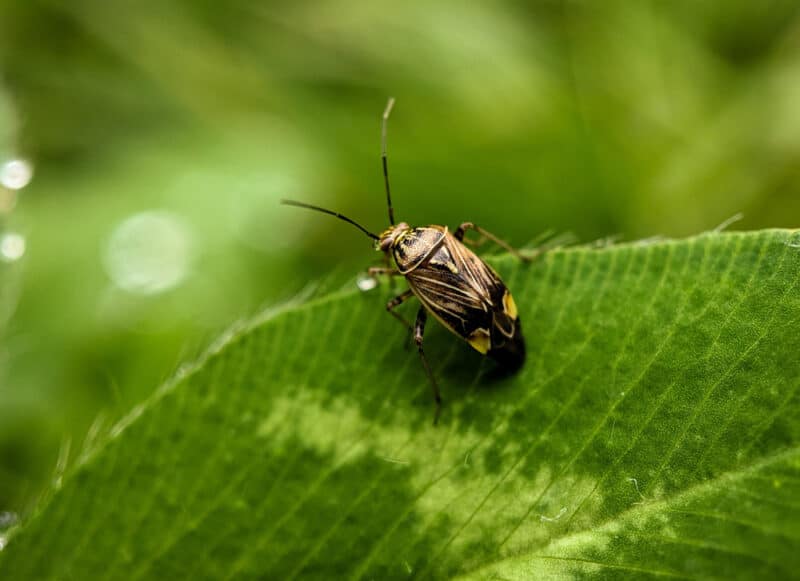
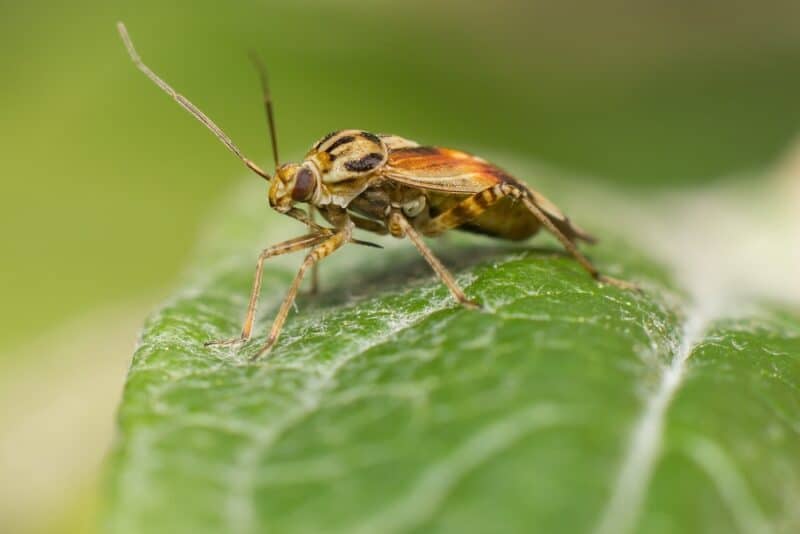
Tarnished plant bugs are named for their “tarnished” coloration. Their brown bodies with orange, red and yellow accents look like tarnished silverware. These insects have a distinctive light-colored “V” on their backs.
Adult tarnished plant bugs are small, flat, flying insects. They are about a quarter inch long with long sucking mouthparts. Adult tarnished plant bugs lay cream-colored eggs. The eggs are light and curved, with a flat end.
About a week after spawning, the nymphs hatch. Nymphs go through five stages of development before entering the adult stage.
It can be difficult to distinguish tarnished plant bugs from aphids in these early stages. Young nymphs are tiny, pale green and soft-bodied.
Tarnished plant bugs, however, are faster than aphids. They also lack the cornicles that all aphids have on their bodies. But, since both parasites are so small, it is difficult to examine the protrusions closely.
Life cycle
Tarnished plant bugs can have 2-3 generations each year. In colder climates they are limited to 2, while warmer areas usually have to deal with three different generations of tarnished plant bugs.
Each spring the cycle begins with overwintering adults laying eggs early in the season. About 5-7 days later, the eggs hatch and the hungry young nymphs are ready to start feeding.
Nymphs are even more destructive and voracious than their adult counterparts. They can fully develop in less than two weeks, or it can take over a month for the nymphs to reach adulthood.
The speed of development mainly depends on the environmental conditions. Temperatures, humidity and daylight hours all contribute to the speed of development.
Once mature, the adult tarnished plant bugs mate and the females begin to lay eggs. Tarnished plant bugs can lay an abundance of eggs in a short time. About 90 to 100 eggs are common.
So for every adult female tarnished plant bug in your garden, you could be dealing with another generation of 100 voracious young nymphs.
When winter comes, the adults overwinter in garden debris such as leaves, dead weeds, old wood and bark. They especially like dormant mullein, clover and alfalfa plants. Then, in early spring, older adults can lay eggs in these ideal host plants.
What Plants Do Tarnished Plant Bugs Eat?

With over 700 plant species on the menu, it seems that tarnished plant bugs will eat almost anything and everything. Of these 700, about 130 are plants that we commonly grow on a large scale. Some notable species are cotton, clover, potatoes, strawberries, apples, and pines.
When feeding, tarnished plant bugs can cause catfaces on tomatoes and cloudy spots on tree fruits such as apples and plums. Lettuce leaves turn yellow and brown, while strawberries and pears are often smaller with shrunken spots on the fruit.
Even individual tarnished insects don’t mind switching between host plants. They can fly easily and move around a large area better than many other insect pests.
With their ease of flight and varied and widespread diet, tarnished plant bugs can go where they need to find food or escape pesticides. This makes their control difficult.
Fight against tarnished plant bugs
You can prevent tarnished plant bugs from moving onto a crop by covering the plants with floating spun poly covers. Flying tarnished plant bugs cannot pass through row covers to attack the plant, so they will move onto unprotected plants.
White, sticky traps are also a great way to control tarnished plant bugs. The traps attract the tarnished insects and then trap them in a sticky coating. Place traps about two feet off the ground for maximum effectiveness.
Environmental controls

Creating an unwelcoming environment for tarnished plant bugs is one of the best ways to reduce their impact on your garden. Start by thoroughly weeding your garden. Like many other pests, tarnished plant bugs overwinter in yard debris and weedy areas.
They can also thrive on many weeds, making every unpulled weed a possible food source for hordes of tarnish bugs. Clean up this garden!
Rake up rotten wood and decaying leaves, pull weeds and clear the yard. Essentially, remove all possible hiding places and host plants so tarnished plant bugs don’t feel safe or welcome in your garden.
Dandelions, Lamb’s-quarters, Mullein, Chickweed and Curly Calf are particularly attractive to Tarnished Plant Bugs. Keep these plants out of the garden.
You can also plant pollen-rich plants around the outside of the garden to attract insects that prey on tarnished plant bugs. Damselfish bugs and pirate bugs eat tarnished plant bugs, so lure them in with the pollen-producing plants they like.
garlic spray
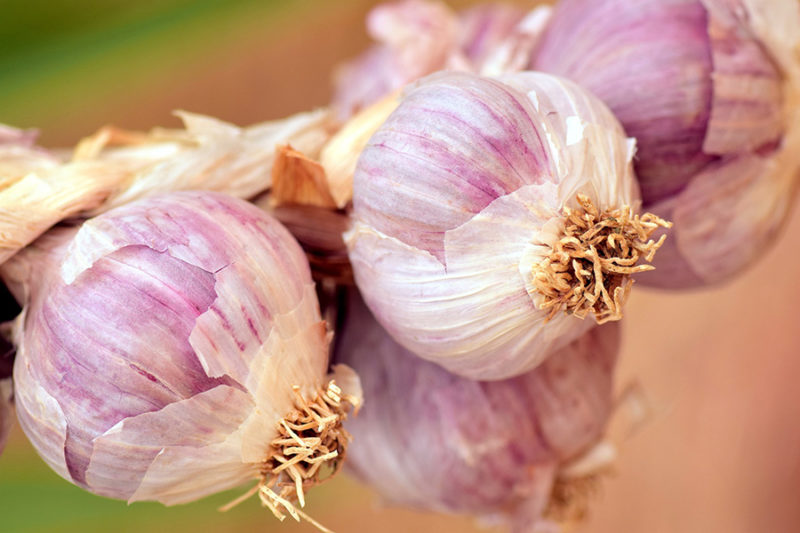
Garlic spray is often used as a tarnished plant bug deterrent. This seems to make sprayed plants much less attractive to insects, both as food and as plants to lay eggs on.
That said, there have been no studies to confirm its effectiveness. But since garlic is cheap and a juice-based oil spray is easy to make, why not give it a try?
As young plants grow, you can spray them regularly with garlic spray to deter tarnished plant bugs.
Of course, as the plants approach harvest time, you will need to avoid this spray. Fortunately, since tarnished plant bugs prefer young fruits and flowers, you won’t need as much control later in the season.
Kaolin Spray

You can also spray young plants with a product containing kaolin clay to lightly coat them. This creates a small breathable barrier between insects and plants. Plants coated with kaolin are not able to harbor dull insect eggs or provide a satisfactory food source.
As the University of Wisconsin-Madison reports, kaolin clay sprays are effective against tarnished plant bugs, plus they’re organic.
Sabadilla
This highly poisonous plant is native to South and Central America. It is becoming popular as an insecticide for organic growers. You can sprinkle sabadilla seedlings early in the morning to kill tarnished plant bugs as they eat throughout the day. Again, do not use sabadilla later in the season before harvest.
If you have a problem with tarnished plant bugs, sabadilla is one of the few organic pesticides that tarnished plant bugs are not resistant to. But, if you have a heavy infestation of tarnished plant bugs, even sabadilla is unlikely to have much effect.
insecticidal soap
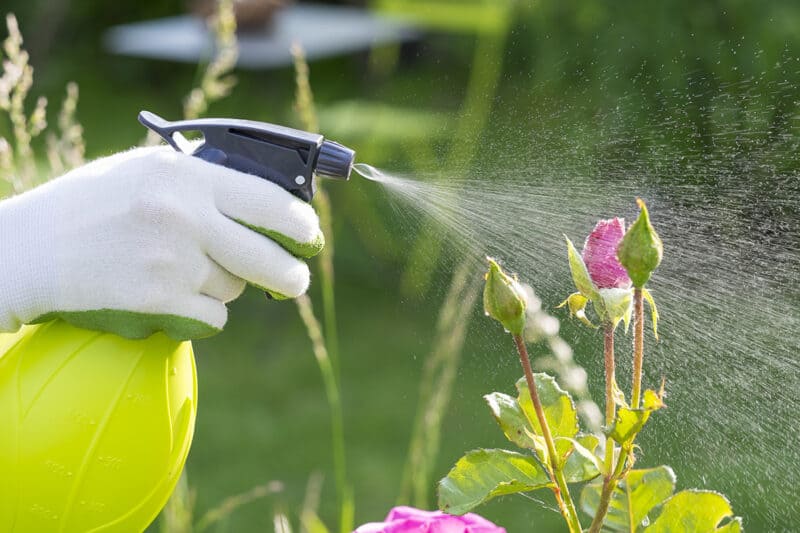
When the young nymphs of tarnished plants devour the plants in your garden, they are also the most vulnerable to sprays. Tarnished plant bug nymphs don’t just look like aphids; they also have soft bodies like aphids.
At this stage of life, they are soft enough to be controlled with regular applications of insecticidal soap.
Apply insecticidal soap twice a month to kill vulnerable young insects during the young nymph stages. Add neem oil to your insecticidal soap applications.
Insecticidal soap does not work on adults.
neem oil
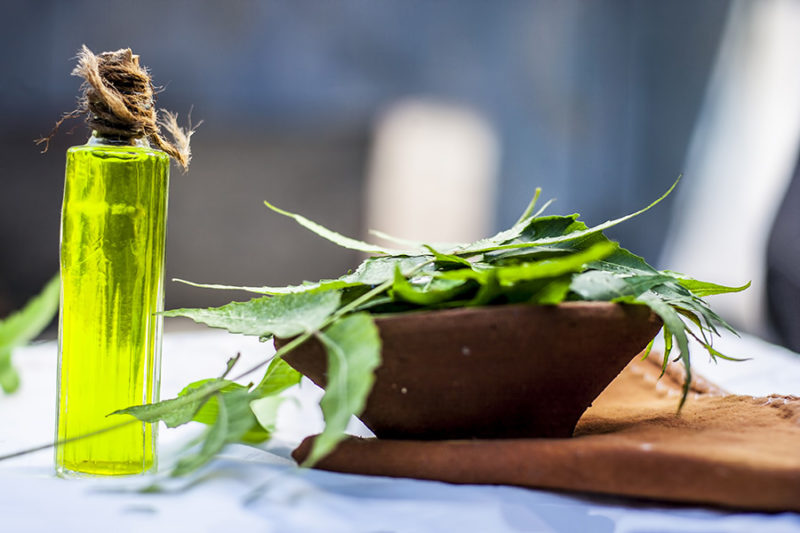
Tarnished plant bugs are vulnerable to neem oil, and the double hit of insecticidal soap and neem oil can do wonders for reducing your pest population.
While tarnished plant bugs are resistant to most insecticides, neem oil is effective at almost all life stages. In adults, neem oil reduces the ability of insects to successfully procreate. At all pupal stages, neem oil is incredibly effective.
Neem oil harms the development of nymphs. They lose the desire to eat and begin to grow abnormally.
The neem oil insecticidal soap will kill the nymphs on contact and then continue to repel them for over a week. Insects that come into contact with the sprayed leaves and survive with them grow abnormally and usually do not reproduce.
Was this article helpful?
Yes No ×
We appreciate your helpful feedback!
Your response will be used to improve our content. The more feedback you give us, the better our pages will be.
Facebook pinterest