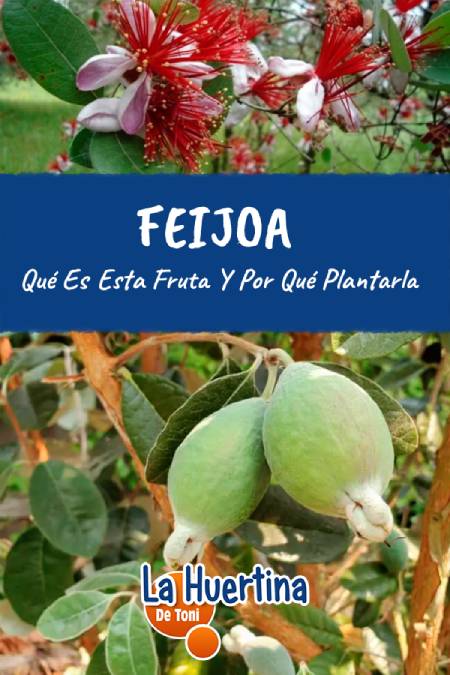
Feijoa is a fruit native to South America whose plant name is acca sellowianathis is why it is also called feijoa sellowiana. It is an oval fruit, dark green in color, with white and sweet pulp and which can be eaten raw or cooked.
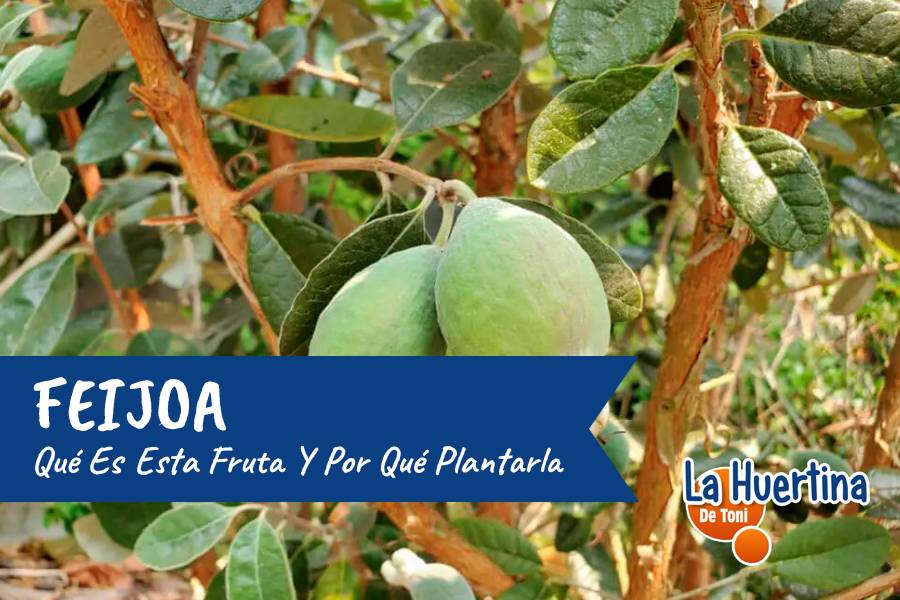

One of the main reasons why this fruit is so interesting is its nutritional properties and the benefits it provides. Feijoa contains nutrients such as vitamin C, vitamin B9 or folic acid, as well as vitamins A, E and several of the B group in addition to folic acid. It is also low in calories and has a low glycemic index, which means it does not significantly raise blood sugar levels.
And finally, it is a good source of minerals such as calcium, phosphorus, iron, magnesium, potassium, sodium and zinc, as well as caffeic acid.
Vitamin C from feijoa
Vitamin C is an important nutrient for the body because, among other things, it helps form, maintain and repair tissues and improves iron absorption. Feijoa is a good source of vitamin C, as it contains more than half of the recommended daily intake for an adult.
Plus, like vitamin C, it also contains antioxidant properties, which means it helps protect against cell deterioration and free radical damage.
Feijoa antioxidants
Feijoa contains a variety of antioxidants in addition to vitamin C, as it contains vitamin A and vitamin E. Free radicals are unstable molecules that can damage cells and cause disease, while antioxidants help to neutralize them, which can help protect the body against diseases such as cancer and neurodegenerative diseases.
Other Outstanding Feijoa Nutrients
Among the benefits of feijoa we can also highlight those that provide the following nutrients:
caffeic acid
brown acideico is a compound found in many plants, including feijoa. Caffeic acid has antioxidant and anti-inflammatory properties. It has also been shown to help protect the liver from damage caused by alcohol and other toxic substances.
Folic acid
Feijoa is a good source of folic acid. Folic acid is an important nutrient for pregnant women as it helps prevent neural tube defects in the baby during pregnancy. It is recommended that pregnant women consume 400 micrograms (mcg) of folic acid daily. Feijoa contains more than half the recommended amount of folic acid for an adult person.
Folic acid is also important for the health of the liver, an important organ that helps detoxify the body. Folic acid helps keep the liver healthy and may help prevent liver disease such as cirrhosis.
dietary fiber
And as if that weren’t enough, feijoa is also a good source of dietary fiber, a type of carbohydrate found in plant-based foods. Dietary fiber is not digested and does not provide calories and helps maintain regular intestinal transit, and can help prevent constipation.
It can also help with weight management because it binds to fat and sugar molecules in the stomach, causing them to form into larger balls. It makes you feel full and reduces your appetite. And it can help lower cholesterol if it combines with cholesterol molecules and removes it from the body. It can help prevent heart disease, such as heart disease.
calories
Feijoa is low in calories. 100 grams of feijoa contain only 38 calories. It is a good option to take a low-calorie fruit as part of a healthy diet.
It is also low in sugar, since in 100 grams of feijoa there are only 4 grams of sugar. Most of the sugar in feijoa is in the form of fructose, a type of sugar that does not significantly raise blood sugar.
As we said, fruits are also low in carbohydrates, since they contain only 9 grams of carbohydrates per 100 grams of fruit.
Planting feijoa in the garden
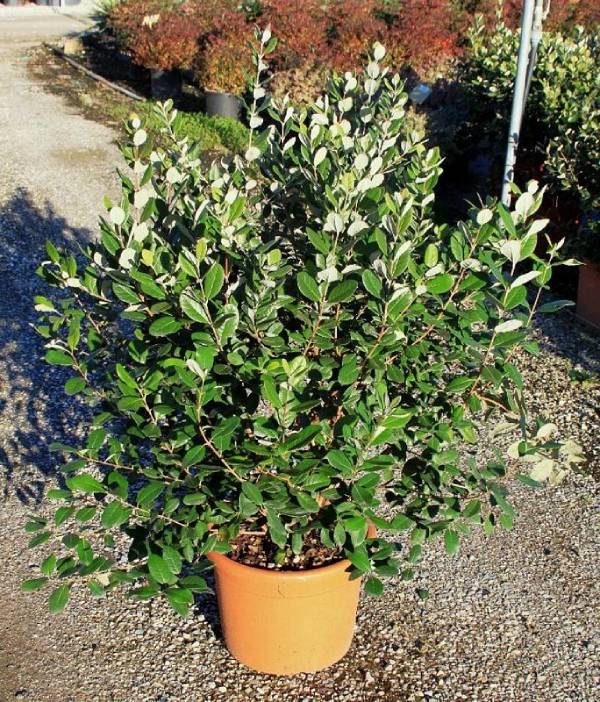
The feijoa is a perennial plant that can reach 4 meters in height. Feijoa is native to Brazil, Argentina and Uruguay, but is also grown in other South American countries, such as Chile and Peru. It can be grown in temperate climates, as is the case with strawberry guava.
Although it can be grown from seed, I recommend buying a small tree and transplanting it. At least the first time.
Needs of feijoa cultivation
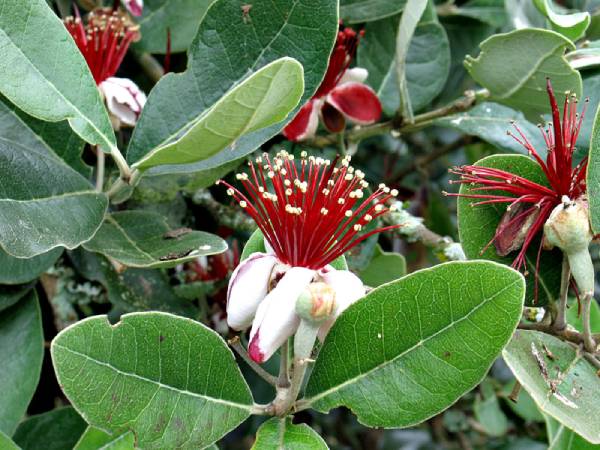
The plant needs plenty of light and water to thrive, and well-drained soil. It can be grown both in pots and in the garden. The plant produces white or pink flowers in spring or summer. The fruit ripens between autumn and winter.
If you are planting feijoa in a pot, choose one that has good drainage at the bottom to avoid overwatering.
Irrigation
Feijoa needs a lot of water, so be sure to water the plant regularly. Don’t let the soil dry out, as being a plant native to tropical climates, it is used to high humidity levels, without waterlogging which could rot the roots.
Cut
Prune the feijoa so that it has a compact shape and prevent it from losing its strength due to branches that do not bear fruit. An example that can be used is the apple tree pruningbecause despite the fact that they are very different plants, it can serve as a guide, since the two trees share seasonal rhythms.
You can prune the plant once a year, in spring or summer.
To harvest
As we said, the fruit of the feijoa ripens in autumn or winter. To tell if the fruit is ripe, gently press the fruit with your finger. If the fruit is soft, it is ripe. If the fruit seems hard, let it ripen a little longer on the tree.
Uses of feijoa fruit
Feijoa is a fruit with a sour and sweet flavor, so it is usually eaten as is, peeled or unpeeled.
It can also be used in desserts, salads, sauces or as an ingredient to make liqueur. In Brazil it is used to make jam, fruit juices, juices or feijoa candies.

Benefits of eating fruit
Feijoa fruit may be beneficial in the treatment of arthritis, gout, and diabetes due to its anti-inflammatory and antioxidant properties. Feijoa fruit has been shown to help reduce joint pain and inflammation, as well as lower blood sugar levels in people with diabetes. In addition, as we have already seen, thanks to its vitamin C content, the feijoa fruit can also help improve the immune system, skin health and cell regeneration.
Feijoa fruit contraindications
Feijoa fruit is not suitable for people who are allergic or intolerant to the fruit, foods or substances that contain it. It may seem obvious, but it’s not uncommon for it to scare someone who didn’t know they were eating it because it’s an ingredient in a cake or dessert.
Also, since it is related to guava, people allergic to guavas should avoid eating it.
Possible side effects of feijoa fruit include diarrhea, vomiting, nausea, stomach pain, and allergic skin reactions. These usually appear when consumed in excess, as is the case with other fruits such as kiwi or plums, which must be consumed in very measured quantities.