

In Spain you will find different species of native pines, but in general, pines can be said to belong to the Vascular, Coniferous and Pinaceae families. There are many people who have pine trees in their garden and want to know how to pin size.
For this reason, we are going to dedicate this article to explaining to you how the pine is pruned, what are the steps to follow and what aspects must be taken into account.
main Features

Pine trees tend to grow in mountainous areas, but since they don’t need a lot of nutrients, they can be seen on almost any terrain, forming small forests. In the mountains, its roots adhere to stones and are able to support the full weight of the tree on steep cliffs or cliffs.
It has male and female flowers, which are characterized by the fact that they are never on the same branch. Each branch bears only flowers of the same sex. Pine leaves are pointed and thin, the fruit of this tree is called pineapple, and the seeds are pine nuts.
All very well, but there is no doubt that in Spain the pine tree is closely associated with Christmas. Who hasn’t seen a tree decorated with balls and garlands?
When should a tree be pruned?
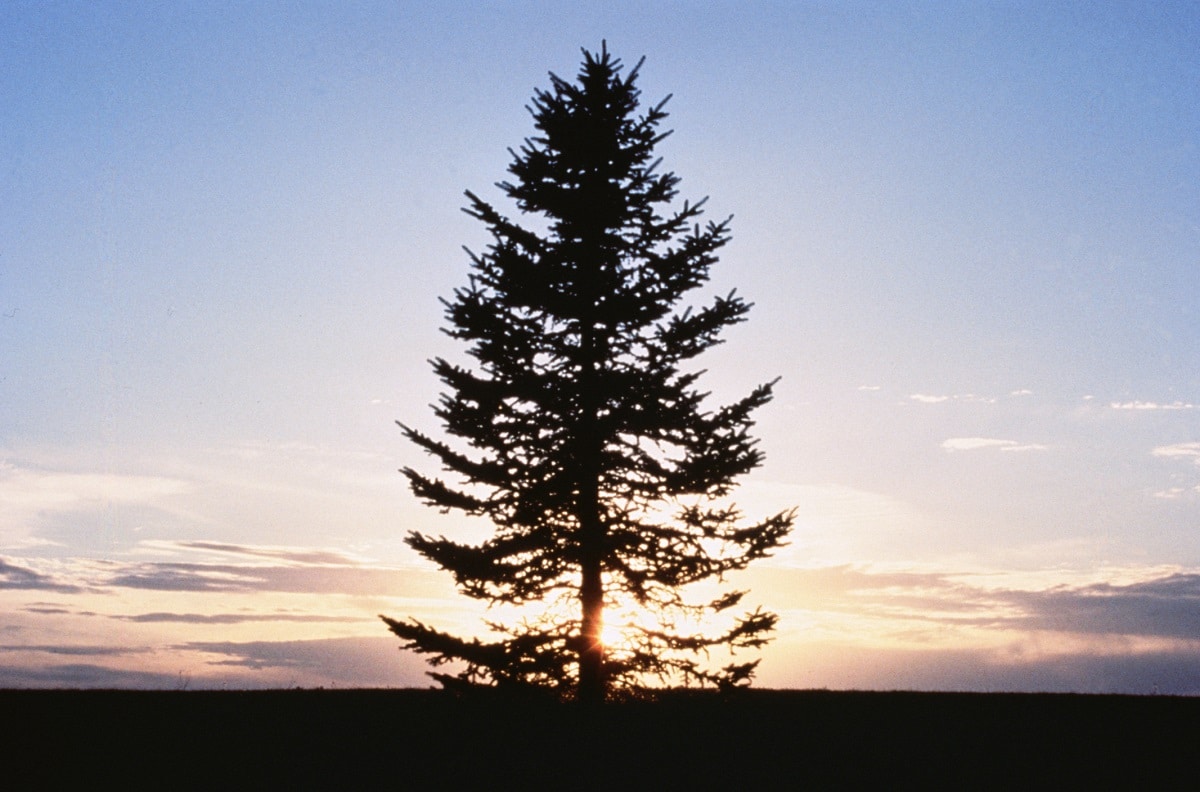
Like other conifers, pines should be pruned to suit the environment and location. We may decide to prune pine trees in one of the following situations:
- Lodgepole pines are at risk of being uprooted or falling.
- Very dense pines that barely let light through.
- The pines are aesthetically incorrectly oriented or planted in inappropriate places.
- Sick pine attacked by pests.
- Pine trees can affect certain building elements and adjacent properties as they grow.
A distinction must be made between pruning and felling. Felling may also be considered necessary, but only if there is not enough space or if the tree is in danger of falling. To prevent felling, it is advisable to use specialized techniques to maintain the trees and treat them to strengthen the trees and their roots.
Main aspects of pine pruning

Pine trees begin to be pruned when they are at least 6 years old, and the best time to prune them is late summer and next fall. If we can in the summer, we expose the tree to attack by insects, specifically beetles, during the summer months. On the other hand, if the pruning is done in the coldest months, that is, in winter, there is a good chance that we will lose strength and even die of the tree.
It is recommended to start trimming from the bottom and work your way up. The first branches to remove are those that are dry, in poor condition or diseased, do not forget the branches that grow in the lower part, by eliminating these we thicken the trunk. If you want your tree to have a nice aesthetic look, it is necessary to pay attention to the proportions and not to let the height exceed two thirds of its base.
As with all trees, pruning is very necessary as it keeps the specimen in better condition and prevents the tree from falling due to being overweight or not allowing air to circulate properly inside. Air circulation is more important than it seems, because it prevents pests from settling inside. Of course, one of the reasons for pruning pine is for aesthetics. A pine is a very beautiful tree, even more so when pruned by a professional.
How is the pine pruned?
To prune a pine, it must be done from bottom to top, removing the branches that are born too low from the trunk and working along those that have dried up in the lower crown for lack of light.
The first pruning is recommended between 6 and 8 years in pines. When first pruning, the lower branches are usually pruned, which will help increase the thickness of the trunk and make the crown thicker and more vigorous.
If the pine is in a place where there is enough space, only the dead branches should be pruned, the canopy should be removed, and sunlight will penetrate the lower branches, allowing them to grow freely and show their beauty. The best time of year to prune a pine is in late winter, so the pine can quickly heal wounds on its trunk.
Here we give you some steps you must follow to learn how to prune pine:
- Avoid pruning pine trees when rain or snow is forecast, as there may be a risk of insects or fungi appearing.
- Start cutting from the bottom and work your way up, or at least the top you want to cut.
- When it comes to pruning a pine, in addition to the branches that are born at the base of the trunk and the lower part of the trunk, you also need to remove the branches that have dried up. This will thicken the trunk and make the canopy more vibrant.
- Also remove branches and leaves from the canopy so that sunlight also reaches the lowest points.
- Always use a sharp pruner and cut at an angle. more recommended in the case of pine.
- Never prune pines less than 6 years old. It must be older than that or it may not be able to withstand the effects of pruning.
- Aesthetically, the most desirable size is two-thirds the height of the trunk without exceeding the viewing angle.
types of size
There are 3 limits to the amount of pruning a pine tree can sustain without damage. It is not possible to cut a trunk longer than a third of the pine’s living crown at one time. No live cover less than one-third of the total height of the tree may be left, and no more vertical leaves may be cut during pruning than the number of years since the last pruning.
Pine branch pruning should begin when the diameter of the tree is not too large and thinning to remove lower dead branches. The first pruning of a pine requires careful guidance from our pruners on the choice of pines to be pruned and the limits of pine pruning.
- Maintenance Size: Maintenance pruning of pine is divided into two broad categories, gradual maintenance pruning of its lower branches by pruning more inner or shaded branches, and sparse pruning of the crown of pine.
- Rejuvenation pruning: One of the characteristics of the pine aging process is the imbalance between the aerial system and the root system, which ultimately fails to meet the demands of the pine canopy. Trim low, shady branches to redirect nutrients to the top of the pine.
I hope with this information you can learn more about pine pruning and its characteristics.