
These utensils, whose use is widespread, they take up to hundreds of years degrade. The cutlery of Plastic 400 years old and the glasses between 65 and 75 years old.
What are compostable cutlery? Cutlery ecological compostable An ideal alternative to traditional petroleum-based plastic utensils, our range of forks, spoons and knives are made from PLA, an organic, plant-based plastic that is formed from renewable resources to minimize environmental impact. ‘environment.
What are biodegradable spoons? The biodegradable spoon It is suitable for direct contact with all types of food and temperatures. Its structure is resistant, it does not have whiteners and it has an anti-humidity and anti-grease treatment.
What is a bamboo cutlery? It is a fast-growing, durable material that is responsibly grown by the companies that make the cutlery, making it a very durable material. In addition, it is generally very resistant, so bamboo cutlery They are quite durable and of good quality.
How are biodegradable cutlery made?
Why buy biodegradable cutlery? when using biodegradable cutlery you will support environmental protection, because our cutlery They are disposable and do not harm the environment.
How long does it take for a plastic spoon to degrade? – Related issues
What biodegradable utensils exist?
8 materials biodegradable which the construction industry needs to know
- Cork. Save this image to your favourites. …
- Bamboo Save this picture to your favorites. …
- desert sand…
- Linoleum. …
- Bioplastics (soya) …
- Medium Density Fibreboard (MDF) What uses potato starch. …
- Wood. …
- Mycelium.
What are edible cutlery?
The cutlery “compostable” plastic, or cutlery wood, continue to generate waste. The edible cutlery they are a circular product, which comes out of the earth and returns to the earth, they are totally organic.
How long do bamboo cutlery last?
Unlike materials such as plastic or metal, cutlery bamboo It has the ability to compost and biodegrade in about five months. In addition, it is a resistant material for ecological tableware.
How much does bamboo pollute?
In the case of bamboo tropical giant like Guadua, a plant of bamboo newly planted can sequester 2 tons of carbon dioxide in just 7 years. By comparison, a typical hardwood tree will sequester 1 ton of carbon dioxide in 40 years.
How to wash bamboo cutlery?
It is recommended washing these cutlery by hand, with lukewarm water under pressure and applying a little soap, to get rid of any bacteria. Also, don’t let them soak too long. If you have a specific brush, use it.
What are the 5 biodegradable examples?
natural waste What They break down easily in the environment. These include: Fruit and vegetable scraps: vegetables, shellfish, eggshells, cereals, among others; leftover prepared foods (lavazas). Lawn and garden trimmings: grass, branches, dead leaves, green crop residues.
How to make organic disposable?
How to do biodegradable plastic with cornstarch step by step Add one tablespoon of cornstarch to the container and mix evenly with four tablespoons of water until the starch is completely dissolved. Add a tablespoon of glycerin and a tablespoon of vinegar to the mixture and mix again.
What kitchen utensils could be changed to an ecological natural material?
Utensils of kitchen wood, bamboo cutlery, bamboo plates ecologicalbiodegradable coconut fiber brushes, jute placemats… As you can see, the common thread of all these Utensils of kitchen it is What they are made with materials natural, renewable, sustainable and biodegradable.
What are the disadvantages of biodegradable products?
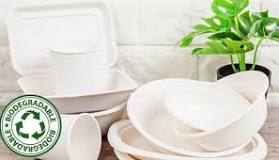
Disadvantages of biodegradable materials
- They don’t end up in proper composting systems. …
- Few bioplastics come from agricultural waste. …
- Recycling is complicated.
What are the advantages and disadvantages of biodegradable products?
These take centuries to break down naturally, so Whatknow the benefits of using biodegradable materials.
- They are easy to recycle. …
- They consume less energy. …
- compostability…
- Reduction in carbon dioxide levels. …
- Reduction of greenhouse gas emissions.
What types of plastics are biodegradable?
Types of biodegradable plastic Bioplastics: A type of plastic is called bioplastic. plastics derived from plant products, such as soybean oil, corn or potato starch, as opposed to plastics derivatives of conventional petroleum.
What is the best biodegradable material?
Bamboo: is one of materials the most common today because they offer a different aesthetic and which evoke hot destinations. It’s a Material very durable for the environment as it can grow up to 1.22m per day and is stronger than steel.
Which material is the most biodegradable?
examples of biodegradable materials
- Wood.
- Oldest boy.
- Paper.
- Eggshells.
- Fruit peels.
- Sawdust.
- Certain detergents.
- Waste from the sugar industry.
What can replace plastic?
- Packing of prickly pear and pineapple peel. …
- Belt bags for crops. …
- nanocrystals to manufacture plastics biodegradable. …
- Biodegradable packaging made from palm residues.
What are the benefits of edible cutlery?
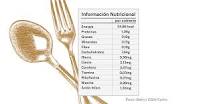
They limit plastic waste and are completely biodegradable. Usually the cutlery Plastics are made from polypropylene and polystyrene2 and can take over 400 years to degrade. On the other hand, edible cutlery They are made from ingredients that are safe for consumption.
How are biodegradable dishes made?
What can be done with cutlery?
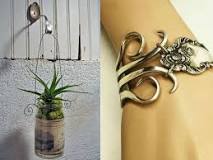
5 fantastic uses you can give your cutlery old
- Find out how much you can do with them:
- Use them to mark plants of your garden…
- Use spoons and forks What hooks of keys and hanging things. …
- Jewelry store. …
- Original keyrings. …
- bells of wind. …
- WE RECOMMEND YOU :
How to replace disposable plates?
Some of the most popular biodegradable materials that replace plastic include bamboo, silicone, and steel straws. The plates and cutlery made from plant fibers is also making its way into homes and restaurants.
How are bamboo cutlery made?
The reeds of bamboo freshly harvested I know cut into strips, and this production process is not only cutting the hollow cane of bamboo in pieces. When removing the skin, also I know lose material bambooWhat I know considered waste that can be used as biomass for energy production.