
Image – Wikimedia/Tauʻolunga
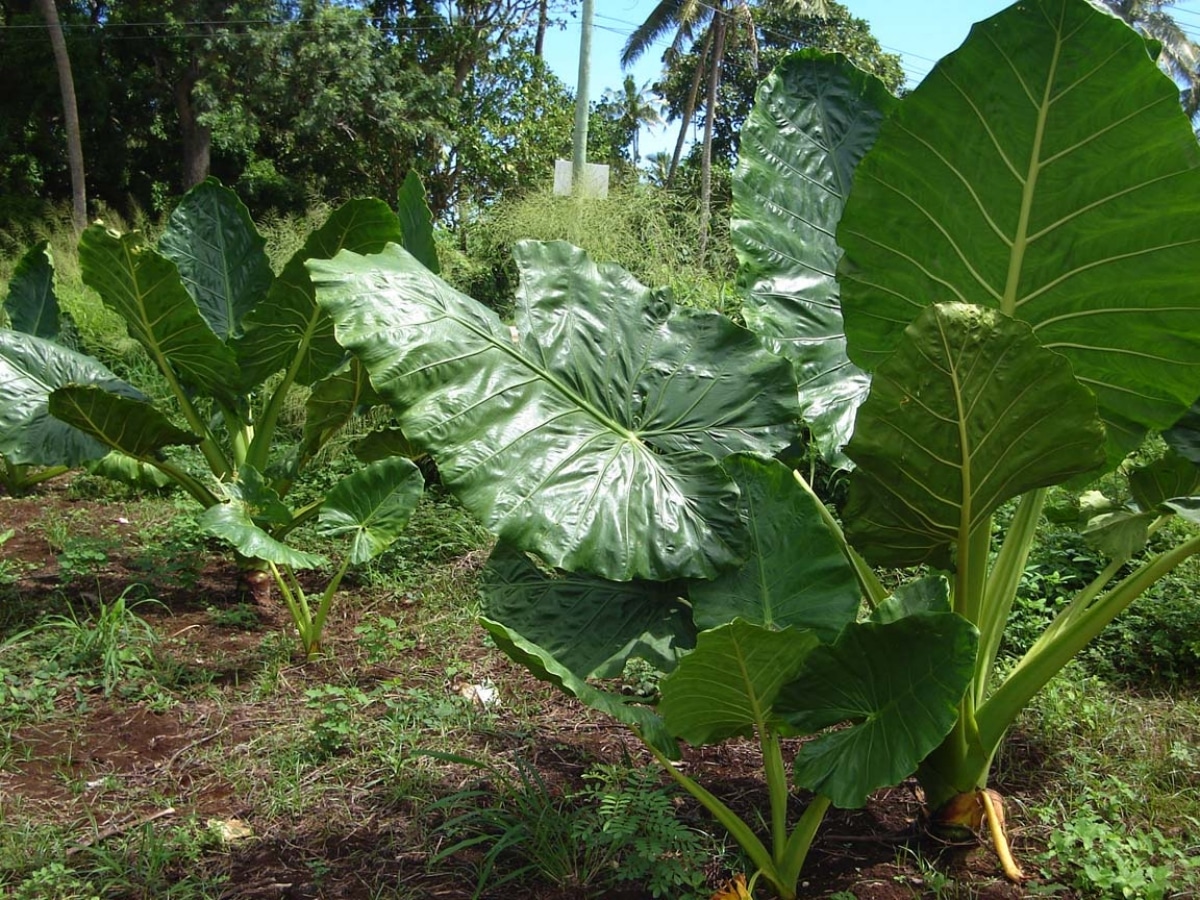
The marquise plant, also known as alocasia or elephant ear, is very pretty. It has very large, undivided leaves, which grow from a very long stem (petiole), thus taking up quite a bit of space. In addition, there are different varieties and a few other cultivars have been obtained, a number which increases if we include other species of alocasia and do not just keep A. macrorrhizos, which is, let’s say, “the real ear”. of an elephant”.
But there is something very important to know about species of this genus, and this is what we will talk about in this article. Maybe you’ve ever wondered if the marquise plant is poisonous, and if it’s not yet, don’t worry. Let’s find out if this is the case or not, and how it should be handled so that problems do not arise.
Is it toxic?

Image – Photos by Flickr/Jnzl
All varieties of Alocasia contain oxalic acid, especially in the leaves and stems (petioles). This substance is colorless and toxic if it comes into contact with it. In fact, it can cause redness, itching, and even more serious damage like ulcers or burns.
If swallowed, you may have any of these symptoms: abdominal pain, swelling of the throat (with consequent shortness of breath), vomiting, convulsions, excessive salivation, loss of vision (if it has come into contact with the eyes), drastic drop in blood pressure and/or collapse.
Therefore, the marquise plant yes it is toxic. Now, does that mean it should be banned? Absolutely.
What we can do is take into account a series of tips when handling and maintaining it. You must think that there are many plants that contain toxic substances both in nature and in gardens and homes. It is better to know them, learn to identify them, and therefore decide whether to acquire them or not.
In case you have young children or pets, we recommend that you keep the awning in a place inaccessible to them.
.
How to handle the marquee?
Alocasia is a plant that it does not need to be handled in any special way unless it needs to be pruned or when it is going to be transplanted. I mean, if we’re going to water it, we won’t have to take protective measures. Even if we are going to pay for it, especially if we use fertilizers (what we call chemical fertilizers), we will put on gloves but not for the plant, but for the product that we are going to apply to it, since this will not come into contact with the skin and that we have it sensitive or with a wound, we can feel discomfort.
For all this, and in short, we will put on rubber gloves -like those in the kitchen-, in these cases:
- When you have to cut a sheet that is dry.
- If we are going to change the pot or the plant in the garden.
- And if we have to carry out treatment or fertilizer.
Where to place the canopy plant?
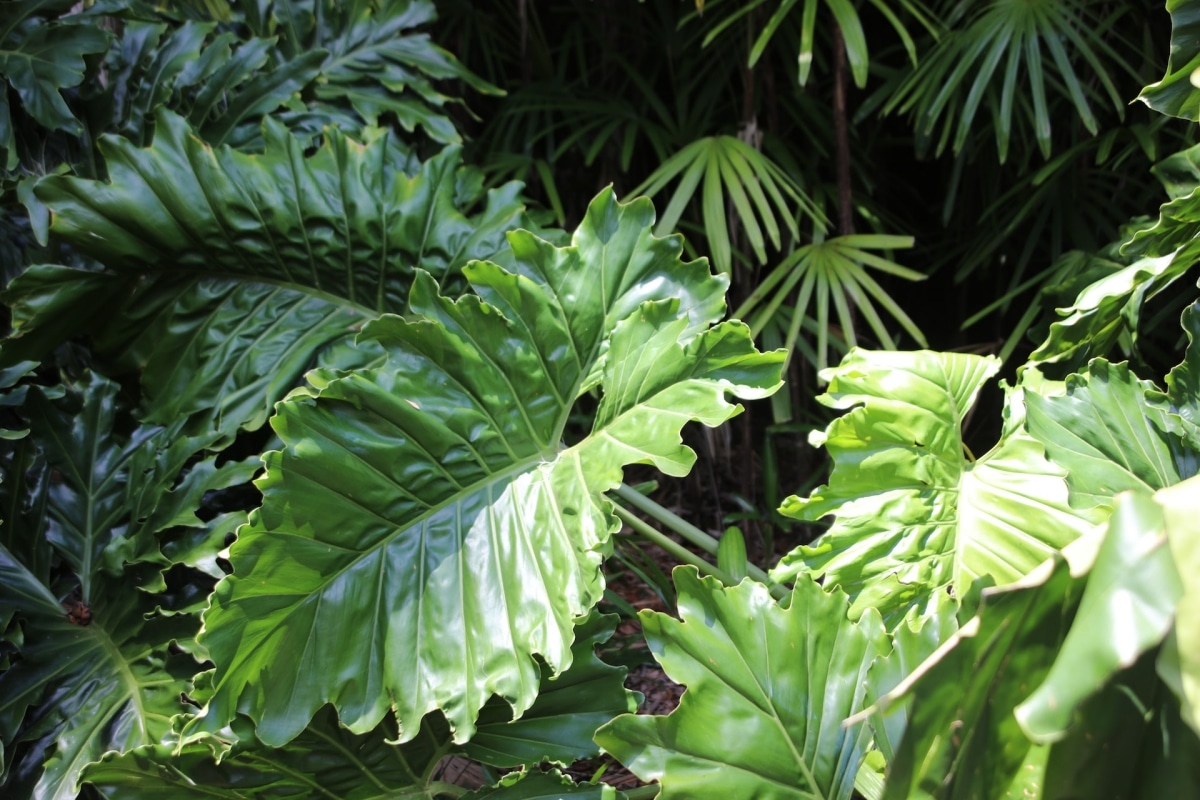
We know it’s poisonous, but we decided to get one anyway. Where should I put it? Well, our protagonist needs lots and lots of light, so much so that If you have it outside, it could give you a few hours of direct sunlight with no problem. as long as it was early morning or late afternoon.
Therefore, when If you choose to grow it indoors, it should be placed in a room with east-facing windowsWell, that’s where the sun comes up.
Now, it is not only necessary to take into account the clarity of the place where it must be placed, but also the humidity and the presence or not of drafts. And we’re talking about a plant that lives in tropical rainforests, so it is important to check if the humidity exceeds 50% in the place where it is going to be, because if this is not the case, the leaves will have to be sprinkled with water every day.
In case you are going to have it inside the house, you need to make sure that you place it in an area where there is no fan or air conditioning. These devices, by generating air currents, cause the humidity to drop and, in doing so, the tips of the leaves dry out and the plant looks bad.
Another important detail to keep in mind is: you have to move it away from the wall. If the leaves rub against it, they will also spoil. For this reason, it should not be placed in a narrow passage, such as corridors for example, because even if it is not “fixed to the wall”, if you pass a lot in front of it, at the end you will also see that the tips dry out or even the leaves break off.
We are therefore convinced that from now on you will be able to enjoy your awning more, even if it is toxic.