
Some of the links in the post are affiliate links and I receive a commission for purchases made through some of the links in the post.
Hydrangeas can survive frost and can withstand a wide range of temperatures. Some types of hydrangeas can withstand temperatures as low as -20 degrees Fahrenheit (-30 degrees Celsius).
In contrast, others, like the well-known Bigleaf variety, are more susceptible to frost damage.
You should consider winter protection measures for your hydrangeas if you are growing a variety that cannot withstand the cold in your area. These precautions reduce the risk of frost damage to hydrangeas.
Hydrangeas that produce flowers from old wood need extra care in the winter to keep the buds developing.
Plants that flower from fresh wood are thought to have better frost tolerance, but even these plants are susceptible to late frost damage.
The hydrangea you have and its hardy hydrangea will determine how likely it is to go through a winter season.
Do hydrangeas survive frost?
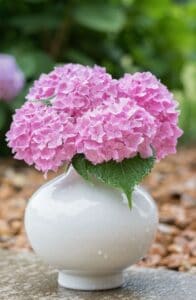 Some types of hydrangeas can withstand temperatures as low as -20 degrees Fahrenheit (-30 degrees Celsius) at their roots.
However, this means that any frost damage will likely be superficial, and while it may prevent the plant from flowering the following year, it will not cause its demise.
However, this does not apply to all types of hydrangeas. Freezing temperatures and very cold winds during the winter can be deadly to some types of hydrangeas, causing the plant to dry out.
Plant stems and leaves can lose moisture and dry out when exposed to cold.
Hydrangeas blooming on new wood can kill their new growth if there is a late frost in early spring.
If it is cold enough, the water in plant cells can freeze, which can lead to tissue damage that can eventually lead to the death of parts of the plant.
How to identify the damage?
Discoloration of a hydrangea is the most common evidence that it has been affected by frost.
But there are many more signs around your plant: foliage takes on red accents, buds dry out and form darker bodies, and parts of the plant begin to wilt.
The huge flowers of Hydrangea Macrophylla and other types of hydrangeas, such as Hydrangea Quercifolia, Hydrangea paniculata, and Hydrangea arborescens, can be wonderful additions to a garden.
However, it is essential to have a working knowledge of how to properly care for your plants. Freezing temperatures can have a devastating effect on the appearance of your hydrangea.
You can help your hydrangea fully recover from any frost damage, as most damage will only be superficial.
A few nights of subfreezing temperatures are highly unlikely to destroy the entire plant or cause significant long-term damage.
Hydrangeas (H. macrophylla and H. quercifolia) that flower on primitive wood can withstand temperatures of around -28 degrees Celsius in their root system. The new wooden bloomers are considerably more resistant to intense cold.
However, the growth of newer, more benign plants is susceptible to cold damage. Because the air temperature is low enough to freeze water in plant cells, it damages new hydrangea growth.
When the water in the cells freezes and expands, it damages the cell walls and eventually leads to the death of certain plant components.
The new growth is still young and tender and therefore more susceptible to damage. The bad news is that the frost has most likely damaged your hydrangea.
If you have recently had unusually cold weather and you notice your plant changing shade which you know is unnatural for that time of year or Can hydrangeas survive frost?
How to protect your hydrangeas in winter?

How you care for your hydrangeas over the winter will affect the success and number of their blooms the following summer.
Protecting your hydrangea from the elements over winter, whether planted in the ground or in a container, begins long before the first frost of the season and continues until the last frost the following spring.
Let’s see how to care for your hydrangea in winter or whether hydrangeas can survive frost.
Terrestrial Hydrangeas – Winter Protection
Create winter protection for your buried hydrangea by placing a frame around the plant. By wrapping the sticks with a chicken net, you can build a cage with the sticks.
To properly insulate your plant, fill the cage with pine needles and leaves. Oak leaves are useful for this because they don’t settle as easily as other materials.
It is best to keep a bag of the leaves you have raked from your leaf pile in the fall to replenish the cage if the insulation settles during the winter.
Potted Hydrangeas – Winter Protection
to bring potted hydrangea planting indoors before the first frosts are the easiest and most effective strategy to protect these plants from the cold that lasts all winter.
If moving them is too difficult, you can leave the pot outside and plant them outside while protecting them by putting something on them.
Foam insulation is one approach you can use to keep your potted plants safe.
How to protect your hydrangeas from spring frosts?
Hydrangeas need slightly different maintenance in the spring than in other seasons.
In the spring, you should focus on reblooming your hydrangeas and encouraging the growth of a large number of flowers.
Every beautiful flower that blooms in the summer is the result of a little effort and care in the spring. Also, this is true and this is especially true for hydrangeas.
To bring your hydrangeas back to life after dormancy, there are a few important steps to follow in the spring if you live in an area where temperatures may be lower.
However, it will help you get the most out of your flowers and replace plants you lost earlier in the season.
Hydrangeas require slightly different maintenance in spring and summer. In the spring, the main goal is to bring them out of their winter dormancy.
During the summer, the main concerns are maintenance, disease prevention and insect control. In the spring, it is essential to water your gardens sufficiently.
Because the temperature doesn’t seem to be high enough for your plants to need waterthis work is often neglected.
At this crucial time in the growing season, you can give your plants a big boost by watering them the same way you would during the hot summer months.
Can you save a frost damaged hydrangea?
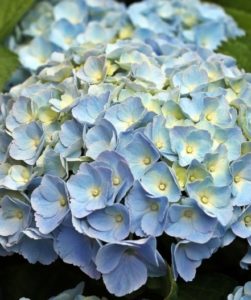 Hydrangeas have the potential to be among the most beautiful and abundant flowers in your garden or landscape if you take care of them properly.
However, Can hydrangeas survive frost? and frost and cold can damage it quickly and without warning?
You’re in luck because there are things you can do to help your hydrangeas return to the former glory they once had; if not this year, definitely next year.
Cold and frost damage to your hydrangea can almost always be repaired, although it can be a major setback.
Damaged hydrangeas can be treated by waiting for the temperature to warm up, then cutting off the affected growth.
It’s still possible that your hydrangea will flower this year and regrow normally in the spring.
Frost and cold can damage a hydrangea, but these plants can handle these conditions well.
Frost-damaged hydrangeas have a good chance of regaining their original appearance with careful care and proper pruning. However, this may affect the flowers that bloom this year.
How to save a hydrangea damaged by frost?
You probably know that the weather has been nice lately and your plants are doing well as a result.
Then, out of nowhere, a cold snap brings the temperatures down to zero, and suddenly your pretty flowers and shrubs are struggling to stay alive, even though they were doing very well before.
The foliage and flowers of a hydrangea are susceptible to damage when exposed to extremely cold temperatures. The cold causes the leaves to turn red, brown or even black and become brittle and brittle.
And if the temperature drop happened so late in the year that your hydrangeas are already in bloom, the temperature change will certainly cause the flowers to wilt and brown.
Hydrangeas are susceptible to frost and cold weather damage, but is that the end of the story? Can hydrangeas survive frost?
When will your beautiful bushes return to their normal appearance? To your luck, the answer will almost always be yes.
final thoughts
 In this article, we tell you about Can hydrangeas survive frost? Even if extremely cold weather has damaged your hydrangeas, chances are they will recover.
They are hardy plants, and although they won’t bloom again this year, as long as you prune the damage, you should start to see their beautiful blooms the following spring when you’ve completed any necessary pruning.
If you want to protect your hydrangeas from frost or cold damage in the fall, you can cover them or put a thick layer of mulch on the ground around them.
Cold damage may not kill hydrangeas, but it will likely reduce the number of vibrant blooms the plant produces this year. Therefore, it is always better to prevent damage than to deal with it later.