
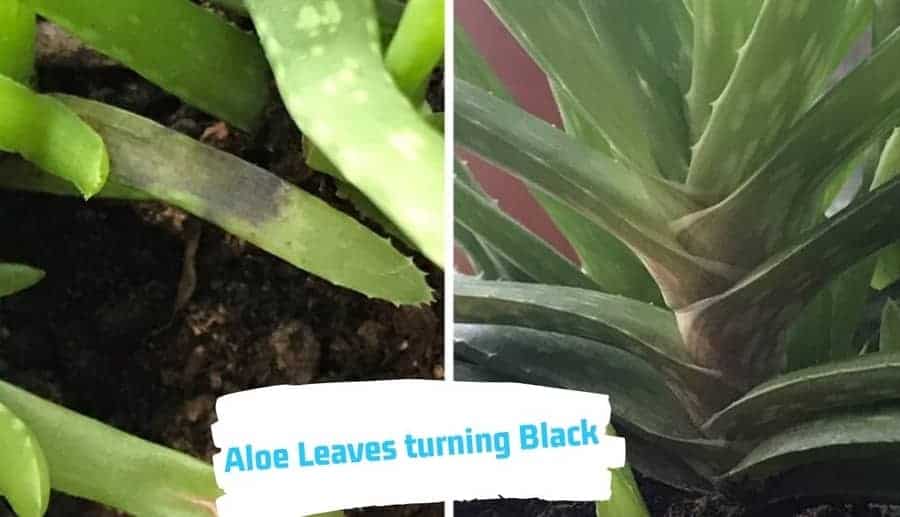
Plant lovers cultivate aloe vera for its aesthetic appeal and medicinal properties. Aloe turning black is a problem you may face if you have it.
Luckily, you’ve come to the right place to find the solutions. As part of my job, I work with many horticulturists and farmers to solve their problems.
So I will share my hands-on experience in troubleshooting aloe turning black.
Blackening aloe vera is a sign of a serious care error and the plant is stressed. There are other factors, such as improper watering, dry air, fungal infection, contaminated soil, frostbite, and thrips infestation, that can cause aloe to turn black.
Read on to find out how to fix your aloe and how to avoid it.
7 Common Causes Why Aloe Turns Black And How To Fix It
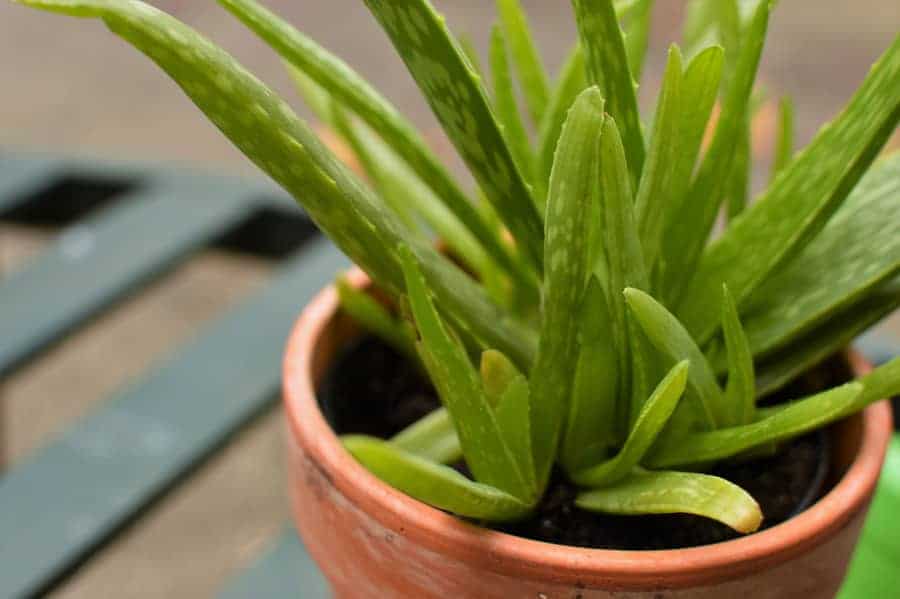
I’m sure you already understand that aloe blackening can’t happen for just one reason. Therefore, you need to find out the reason before you can take any action to fix the problem.
Here are the possible reasons and how to fix them. Let’s start.
too much water
It may seem odd that one of the most common causes of aloe darkening is overwatering. Excessive watering will prevent the soil from draining abnormally and the roots will begin to rot.
If the roots are now rotten, the plant can no longer absorb nutrients and water from the soil. Therefore, nutrients and water will not flow through the plant. Consequently, the leaves tend to turn black or yellow.
Too much water has the same effect as not enough water. The only difference is that the root cannot absorb water, although it is available.
How to fix
Aloe is a desert plant and can therefore survive a lack of water for a long time. If you find the soil too wet or even soggy, move your plant to a warmer location to allow the water to evaporate more quickly.
If the condition is really critical, you may need to cut the bottom where it is black for normal living tissue. Completely cut off the affected part of the root.
Carefully inspect the root, it should be clean, without dark spots. Sprinkle the wound with charcoal and pat dry. Next, plant your aloe in a new pot with well-drained potting soil.
Make sure your pot has drainage holes in the bottom. This is very important to prevent aloe vera root rot. Water your aloe from below when the soil is completely dry.
I wrote a detailed article on: How to Save an Overworked Aloe Plant
The lack of water
It is clear that the drying and blackening of the leaves are symptoms of a lack of water. This problem is less common with outdoor aloes that benefit from rainwater.
In summer, your aloe vera needs more water because aloe increases physiological activities and growth during this period. The water also evaporates quickly due to the high temperature.
So if you don’t water frequently during this season, your aloe will show symptoms of lack of water.
Be careful with seasons like spring and autumn, which are already more humid periods and in which we tend to neglect water, thinking that nature has already drunk enough. But it’s not always the case.
If the plant turns black, it means that the plant juice containing nutrients has not reached the ends. Therefore, you need to pay special attention to watering.
How to fix
I hope you have understood how important it is to hydrate the plant well, the water contained in the substrate is an essential element for the production of juice.
To solve this problem, try to be constant in watering. If the water dries up quickly from direct sunlight, you may need to reconsider where you placed your plant.
Don’t leave your plant thirsty for too long in the summer. Check the soil regularly to determine if your aloe vera needs water.
Dry air
Dry air is the second most common cause of darkening of the tips and edges of aloe. If your pot of aloe is large, then it will have to face dry air more often.
This problem usually occurs in winter when you heat your house and the plant compensates by evaporating more. Humidity so low for a long time will seriously damage your aloe vera.
How to fix
You need to water your houseplants more often or find a way to humidify the air in your house or apartment.
You can spray aloe vera to keep it fresh. It helps a lot, but you have to do it often.
Another smart and easy solution is to use a humidity tray or pebble tray. If you use this container, you won’t need to water your aloe very often. This humidity box automatically regulates the humidity around the plant.
A very simple evaporation mechanism works here. The water evaporates from the container and protects the plant from too dry air. Any flat tray can be used as a humidity tray.
Just keep a few pebbles in a tray and pour water over them. Now hold your aloe plant over the pebble, the rest of the process is automatic. The water will slowly evaporate and add moisture around the plant.
Aloe vera leaf spot disease
It’s something you don’t want to deal with. I researched blackheads on aloe leaves on the internet, but there was no legit information.
Some say it is due to care errors, others say it is a bacterial or fungal disease. I finally found a research paper on aloe vera leaf spot. This scientific article confirms it as a fungus (Nigrospora oryzae) disease.
How to fix
So, if you see a black spot on a leaf, you need to take drastic action. Because these spots will begin to spread throughout the plant.
You can try applying any type of fungicide available in the market. But I suggest you cut off the infected leaf first before it spreads onto the plant.
If multiple leaves show the same symptom, cut off any leaves showing black spot symptoms. Don’t worry, new leaves will come out soon and your aloe will be fine.
burn fertilizer
Overfeeding is also not good for plants. It may happen that you have over-fertilized your aloe vera without realizing it.
And suddenly you notice that your aloe vera plant is showing symptoms such as blackening of the stems sticking out of the root zone. When excess nutrients reach the leaves, they darken and eventually turn black.
How to fix
Finding it early can help fix the problem and protect your aloe vera from further damage. First prune the affected parts of the plant.
The fertilizer is washed off with water. So wash the over-fertilized soil with plenty of water. Do not let the water sit in the pot.
So before applying the fertilizer, read the instructions on the package. Make sure you apply the right amount, depending on the pot and the size of the plant.
Organic fertilizer can be a great solution for this. Because an overdose of organic fertilizer won’t harm your aloe. It releases slowly and aloe vera loves them.
Frozen
Freezing can kill your aloe vera. If you come from an extremely cold region where the temperature drops drastically in winter, you need to be careful with your aloe vera.
When the temperature drops to the freezing point, the juice of the plant also freezes, it can no longer transport water or nutrients.
Thus, the aloe becomes dehydrated and the cells die from the cold. And you will find that your aloe vera has turned black.
How to fix
The bad news is that you can’t fix the damaged part of your aloe by freezing it. Therefore, it is important that you take good care of your plant before it freezes.
When the temperature starts to drop, bring some aloe vera into the room and keep it warm.
In winter it needs a minimum of water because it is the period of rest for plants.
thrips infestation
They are very small insects of 1-2 m. They reproduce very quickly at high humidity and temperature.
If you see small black dots on your aloe vera leaves, carefully inspect your plant for thrips. Because these tiny insects suck the juice from your aloe vera and leave traces of their presence.
How to fix
Soft-skinned thrips and insects. You can fight this insect with insecticidal soapy water. If the infestation is severe, consider applying neem oil.
It is best to prune the affected plant parts. The naturally beneficial, insect-like pirate bugs also work very well against thrips. You can find beneficial insects at garden centers.
last words
Now you know how to fix it if your aloe turns black. So let me know, did you find the solution here?
If so, what solution would you apply? Please let me know if you have any suggestions or a solution other than this.
Sharing is caring!