Some of the links in the post are affiliate links and I receive a commission for purchases made through some of the links in the post.
Areca palms (Dypsis lutescens) are one of the most widely used indoor ornamental plants in homes and offices.
This type of palm is native to Madagascar.
They have become widely naturalized in other subtropical regions due to their exotic appearance.
Its long leaves and tropical appearance give a beautiful view everywhere.
When grown outdoors, they easily reach a height of 20 feet. Indoor varieties, on the other hand, only reach about 6 to 7 feet tall.
They are very easy to grow and are also known to remove harmful toxins from the air, as research shows.
Although they require less care than other houseplants, the areca palm is not completely immune to the threat of disease.
From time to time, the areca palm falls victim to one of the diseases and displays a very dismissive look that is sure to raise eyebrows.
Areca Palm Diseases
 Knowing the causative factors and ways to deal with them will give you the confidence to deal with these occasional problems.
Here are the most common diseases that can affect your areca palm:
1) gliocladium disease
2) Pest attacks
3) Leaf spot
4) Fusarium wilt
5) Button rot
1) gliocladium disease
gliocladius disease It is commonly called pink rot. This is the most common opportunistic fungal infection in overwatered palms.
It can also be due to other reasons, such as poor soil, frost damage, and low sunlight.
How to detect it?
As its name already suggests, pink rot manifests itself by changing the color of the roots and base.
The pink spores of the fungus surround the entire base and make the plant look unsightly. This, in turn, impairs the absorptive capacity of the plant and causes leaf loss.
How to cure it ?
As with all fungal diseases, prevention is better than cure. The same rule applies here. You must have well-drained soil and a pot with drainage holes.
Having these things would automatically compensate for occasional bouts of too much water.
Also, set up a proper watering schedule to ensure your plant gets the right amount of water.
If your plant is already suffering from pink rot, it is best to use fungicide treatments for your plant.
They only provide temporary relief when it comes to coping with the situation.
To prevent the problem from recurring, try to water the soil whenever it seems dry and move it to a location where it is less likely to experience wet conditions.
2) Pest attacks
Unfortunately, every plant has to deal with some type of pest problem from time to time. The most common pests that damage the areca palm are scale insects, scale insects and mites.
They damage the plant by sucking sap from the stem and leaves and causing spotting.
This eventually leads to yellowing of the leaves and can cause the plant to die very quickly if not treated immediately.
How to detect pets
Identifying mealybugs is no problem. They are small whitish insects that stand out very clearly.
They often leave fuzzy webs in place as they reproduce on leaves and stems.
Dust mites, on the other hand, are very difficult to identify. They are small and can only be seen with a magnifying glass.
They often leave small holes in the leaves where they bury their eggs. Spider mites are mostly found on the undersides of leaves and they look quite dusty.
The scales are larger than those of mealybugs, but they are very well camouflaged.
Their earthy appearance hides them well on the surface of the plant. But as soon as you notice them, they start popping up all over the surface.
How to treat pest attacks?
The best first method to deal with any pest problem is to use organic products.
Washing the leaves with a mixture of neem oil and water is the most effective home remedy you can use.
You can also use a soapy water spray bottle as an alternative as it is almost as effective. Parasites such as tartar do not come off easily and must be removed manually.
Wear gloves for this and rub the leaves by hand. You will need to repeat this process for a week or two to completely eliminate the parasites.
The advantage of using an organic approach is that you won’t harm your plant. Apply chemical solutions if the problem gets out of control.
3) Leaf spot
Leaf spot is also a common fungal infection faced by areca palms.
Fungal spores slowly bloom on the leaves and cause damage to the plant.
How to detect it?
As the name suggests, there are small spots on the leaves. They can be black or brown and are usually circular.
How to cure it ?
 This disease rarely causes the death of affected palms. However, it can be quite difficult to eradicate it.
It is best to avoid this problem in the first place. Keeping your palm away from already infected plants is a good way to start.
Also, do not water the foliage of palm trees, as this can promote the growth of dormant spores.
If the plant is already affected, you can cut off the affected leaves with sterile scissors. Washing the leaves with organic sprays can also help.
There is no sure way to directly control the disease, but following the steps above can easily limit its spread.
4) Fusarium wilt
Fusarium wilt is a fungal disease common to many ornamental plants. It can also affect your areca palm and damage its beautiful leaves.
Careful management is required, otherwise the systemic spread of the disease can incapacitate the entire plant in a very short time.
How to detect Fusarium wilt?
Most often, Fusarium wilt affects the oldest and most deteriorated leaves of the palm. The obvious symptoms of wilt are brown discoloration and brittle leaves.
How to cure it ?
There is no surefire cure for Fusarium wilt, but there are a number of techniques you can try that may ultimately help the plant survive this ordeal.
First of all, you need to remove all diseased leaves and leaves. Removed leaves should not come into contact with other unaffected plants to stop the spread.
After that, you can use fungicides to prevent further damage to other opportunistic fungi.
5) Button rot
Bud rot can be caused by a variety of fungal and bacterial pathogens. The fungi that most affect the areca palm are Phytophthora and Thielaviopsis.
These fungi invade the newly sprouted shoots and make them completely dysfunctional.
The most common cause of bud rot is overhead watering, which can cause fungus that directly damages the center of the palm.
How to detect it?
The first symptom of the disease that you may notice is lack of new crown growth.
Newly emerged leaves, if ever formed, appear black and wilt soon after. New leaves are brown and curled and give the palm a sickly appearance.
How to cure it ?
Once the disease has taken hold, it is quite difficult to control. You should never water the canopy of your areca palms as this is the main cause of disease.
This provides a moist environment for the fungi to grow. Remove plants immediately if they are infected to prevent them from spreading to other people.
Fungicides can also be used preventively on plants exposed to disease.
If you like this article, check out our article on the kentia palm versus areca palm.
Other Reasons Your Areca Palm May Die
1) excess water
give too much water It causes enormous damage to the plant. Not only does this promote root rot, but it can also cause the leaves to turn yellow quite quickly.
The air spaces between the roots are clogged and there is no more oxygen. This causes rapid deterioration that causes the entire structure of the plant to collapse.
2) Shock graft
It is a common phenomenon when the soil of the plant changes.
Areca palms can easily survive in a single pot for a long time and won’t need replacing for at least 4-5 years.
The most common symptoms are stunted growth and yellowing of leaves.
Final Thoughts: Areca Palm Diseases and How to Cure Them
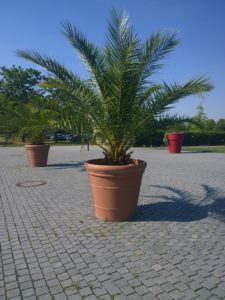 Areca palms make fascinating houseplants and look beautiful in any environment.
They are easy to grow, but can be temperamental in certain conditions.
Most of the diseases faced by the areca palm can be avoided by simple prevention.
With all this knowledge, you will surely be able to treat your plant easily and without worries.
Before you go, here are some more related articles that I encourage you to read below to solve more of your gardening problems:
Can I put my Kentia palm outside?
How to Fix Kentia Palm Problems
How to Fix Sago Palm Problems
About the Author
Saad Anzar
Saad is an avid gardener and a great lover of plants, animals, photography and people. Currently, his focus is on indoor plant photography and captioning beautiful landscapes. Write and rewrite feature articles on nature and science.