Whether you have a vegetable garden or only have ornamental plants in the garden or indoors, chances are you have encountered, even without knowing it, scorched leaves due to excess fertilizer on your plants.


And it is that, as is the case with water, the more the quantity is not always better for the plant. And just like over-watering, which can lead to problems in the garden such as tomato diseases due to excess moisturethem yellow leaves from excess water or root rot due to waterlogging are Symptoms of excess water in plantsalso using a lot of manure or fertilizer can be counterproductive and result in an obvious problem.
There are many different symptoms to detect over-fertilization, but perhaps one of the most common is the condition of the leaves, which suddenly appear burnt when obviously not in direct sunlight.
Leaves burned by excess compost
Many problems are associated with overcomposting. This can lead to weakening of plants or heading of crops well before harvest. On top of that, going overboard with the amount of fertilizer and fertilizer can burn the roots. But let’s focus on the one that worries us today, the one with the burnt leaves.
The way to detect them and differentiate them from excess sun is that at first it can only affect the tips or tips of the leaves, whereas when it is due to the sun it is common that it affects the whole sheet.
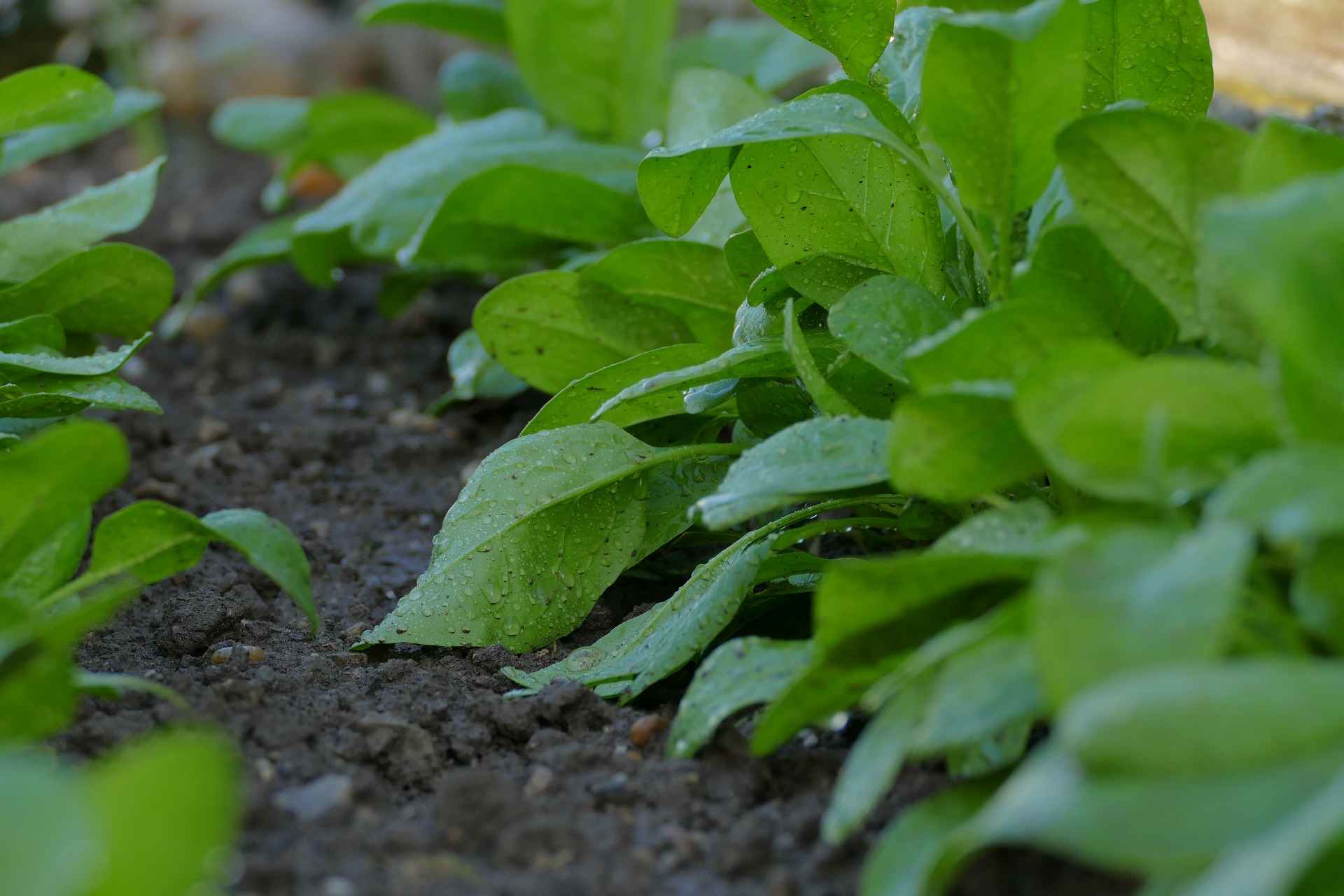
Leaves burned by excess compost usually have a yellowish or brownish discoloration on the upper part, because the compost contains nutrients which, in excess, affect the production of chlorophyll in the leaf, making it more yellowish or brownish.
These sheets will also look dry, thin and worn, and may have a rough, brittle texture.
What to do with burnt leaves from too much compost
Once we have deduced that this may be the cause, it is best to clean the environment of the roots from the salts contained in the fertilizer, and for this we will “wash” the roots, that is, say clean the floor and the area near them. .
In the event that the plant is in a pot, the process is easier, since we will apply irrigation so that the water is not stored in the plate below. As for other types of crops, what we will do is stop fertilizing and see if the plant improves.
In both cases, we can cut the affected parts of the plant and wait for the appearance of new stems, but if the affected part of the plant is large, that is, the amount of dry leaves and branches, we can cut it permanently.
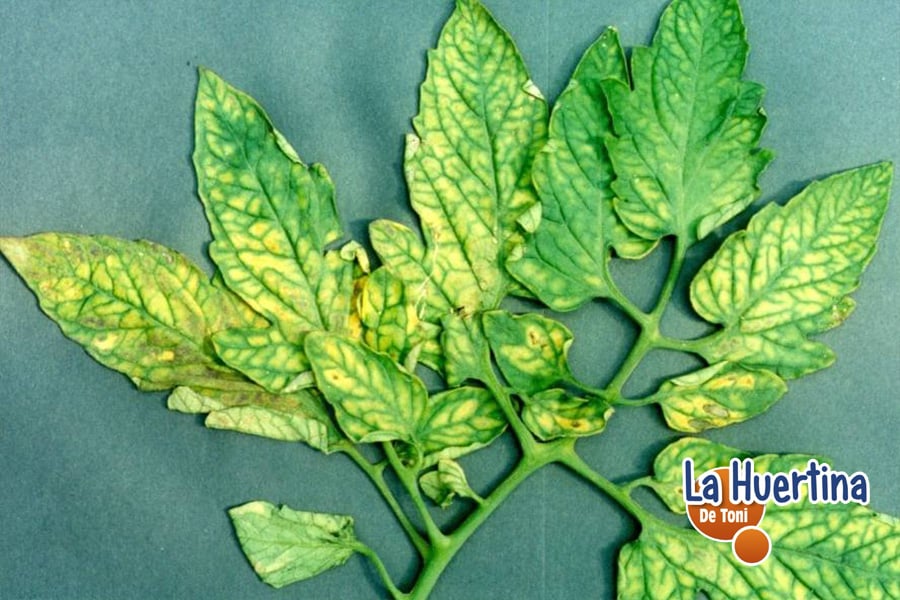 It’s not always the overcomposting that makes the leaves look scorched. Also a lack of magnesium, although the appearance is slightly different, as seen in this image.
Fungus on leaves burned by too much fertilizer?
Although they may look alike, the fungi that appear on the leaves have the same or similar characteristics as excess compost, but they are not related. In this case, it’s a fungus, and depending on the appearance, it will be one or the other.
mushrooms like Uromyces appendiculatus, which sometimes causes brown spots and a similar appearance. It can cause the disease known as rust. There is a lot of homemade fungicides that we can use, the most common being homemade fungicide with milk.
There are other fungi that do not look like this case at all, but also damage the leaves like boldamong others.
Avoid excessive fertilization of plants in the orchard
It is important to avoid excess fertilizer in the plants, whether it is liquid fertilizers or fertilizers, or solids. The risk of excess is less when used homemade fertilizerbecause they are much more harmonious and less aggressive than chemical fertilizers.
It is important to know the culture and know when to fertilize to avoid this type of problem. It is also good to know that some crops do not need fertilization, or require very little.
In addition, there are other ways to supply nutrients to plants, such as good soil, to which you can occasionally add compost or earthworm humus without risk of passing if it is done gradually and at the right time.
What do you think ? Was this article helpful to you? Leave me your opinion in the comments and if it works for you you can always support the channel with a donation or help me spread it by sharing it on social media. If you want to follow me, here are some of the social networks I use Facebook , instagram , pinterest That is subscribe to my youtube channel
HERE I LEAVE YOU A POSTER IN CASE YOU WANT TO SAVE IT ON PINTEREST
