
One of the worst feelings we can have when entering the pool is walking on the bottom and noticing dirt and dust slipping between the gaps between our fingers. The bottom is the clear demonstration of whether or not we are carrying out good maintenance of our pool, since dust, leaves and other organic remains are continuously deposited on it until creating a layer that can generate unpleasant mud.
A swimming pool is a must during the summer months, but it is also a maintenance effort that we cannot forget (even if I delegate). Control of the chemical composition (pH, chlorine level, etc.) and the continuous cleaning of the remains that inevitably fall into the water are the price to pay to stay fresh in summer.
In addition to the chemical products that we will constantly have to buy for the maintenance of our swimming pool, it is also advisable to make a greater (but unitary) expense with accessories such as the leaf collector, the pool cleaner robot, the hoses , brushes, etc.
Parameters to check in your pool
These are the main parameters to control in your pond. However, do not panic because there are products that normalize many of these parameters and even others that you cannot control in most cases, such as turbidity or temperature.
- pH: level of acidity and alkalinity as a quality parameter of the bath and a very important factor in preventing the proliferation of algae. For its control, acidity correctors or pH reducers are used.
- Free chlorine or total: It is the main disinfectant used in swimming pools, it quickly kills all kinds of algae microorganisms.
- isocyanuric acidChlorine is an element that degrades quickly with the sun’s rays. Therefore, this component acts as a chlorine stabilizer to prevent its degradation.
- Salt level: There are more and more swimming pools that, instead of using only a biocide like chlorine, use salt (sodium chloride), which is why we must control the amount of salts in our pool to avoid the proliferation of life in water.
- Water hardness : amount of calcium and magnesium salts dissolved in the water. The harder the water, the cloudier and less palatable the bath
- Temperature: a parameter that in most cases, except for heated pools, we will not be able to control, but it is an important factor because the higher the temperature, the higher the risk of formation of microorganisms and algae .
Tips for keeping the pool ready in the summer
Maintaining a clean swimming pool during the summer is essential to enjoy a pleasant and healthy environment for swimming. Here is a comprehensive list of steps to take to keep your pool in peak condition:
- Balances Chemical Levels: Start by measuring the pH levels of the water using a test kit. Adjust the pH between 7.2 and 7.6 to avoid skin and eye irritation. Also check and adjust chlorine and alkalinity levels as recommended by the manufacturer of the chemicals you are using.
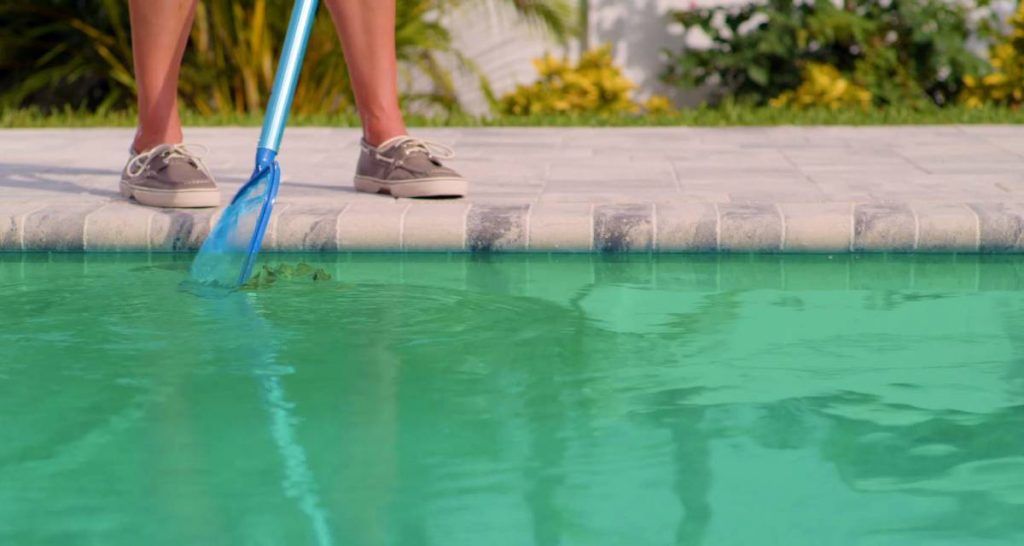
- Clean the surface: Remove leaves, insects and other floating debris with a pool net. Do this regularly to prevent them from collecting in the water and becoming more difficult to remove.
- Clean the skimmers and the filter: Skimmers are devices located on the edges of the pool that trap suspended debris. Empty and clean skimmers regularly to ensure they are functioning properly. Also clean or replace the filters according to the manufacturer’s instructions.
- Brush the sides and bottom: use a pool brush to gently scrub the sides and bottom of the pool. This will help remove algae, scale, and other stuck-on debris. Pay particular attention to areas where the water has little circulation.
- Use a robot pool cleaner: A pool cleaner robot automates the cleaning task and is very efficient. Simply place it in the water and let it run while you enjoy the pool. The robot will take care of cleaning the bottom and the walls, removing dirt and algae.
- Check the water level: Periodically check your pool’s water level and make sure it is within the recommended range. Add water if necessary or use a sump pump to reduce the level if it is too high.
- Keep a regular cleaning schedule: Establish a weekly schedule for cleaning tasks. This will help keep the pool in good condition and prevent dirt from building up.
- Carry out a shock treatment: occasionally, it is advisable to carry out a shock treatment to eliminate resistant bacteria or algae. Follow the instructions for the chemical you are using and make sure the chlorine levels are back within the safe range before using the pool again.
By following these steps, you can keep your pool clean and ready to enjoy all summer long. Remember to read and follow the instructions for the chemicals and equipment you use, and if you have any questions, consult a pool professional.
Summary of average parameters for proper pool maintenance.
- pool pH: 7.2 and 7.6.
- Oxidation-reduction potential (ORP): 650 and 750mV
- Free chlorine: 1 and 3ppm
- Cyanuric Acid (CYA): <50ppm
- Alkalinity: 80 and 120ppm
- Water hardness : 150-250ppm
Automatic pool cleaner robot
Imagine an autonomous robot that glides effortlessly to the bottom of your pool, effectively removing deposited dirt and dust. These ingenious devices are designed with state-of-the-art technology to ensure impeccable cleaning in every corner, no matter the size or shape of your pool.
Although you have a cheaper alternative which is the brush, will require extra effort and depending on the size of the pool, this can be a big nuisance. In pools of a certain size, it is interesting to make a larger initial purchase but to have a good robot, like the Dolphin pool cleaner, with a very long lifespan, and to automate the whole process.
final recommendations
Once you automate the pool maintenance process, it will be very convenient for you. maintain the ideal water levels needed to ensure the health of bathers. Remember that not keeping the water clear is just as bad as supplying more chemicals than necessary. Too much chlorine can cause red eyes and skin irritation, and today it’s as comfortable and convenient as add stabilized chlorine tablets depending on the volume of the pool.
Keep the pool free of debris such as leaves, insects and other organic compounds, because if they end up sinking to the bottom, they will be more difficult to clean and reduce chlorine cleaning activity, requiring “extra effort” to oxidize all that extra organic matter.