

Sure that, If you have a poto at home, you will be surprised to learn that the one you can have is an Epipremnum pinnatum. Also considered a poto, this heart-shaped leafy plant is one of the varieties of poto you can have in your home.
Want to know more about her? And the care you need? We tell you everything in this guide that we have prepared for you below.
How is Epipremnum pinnatum
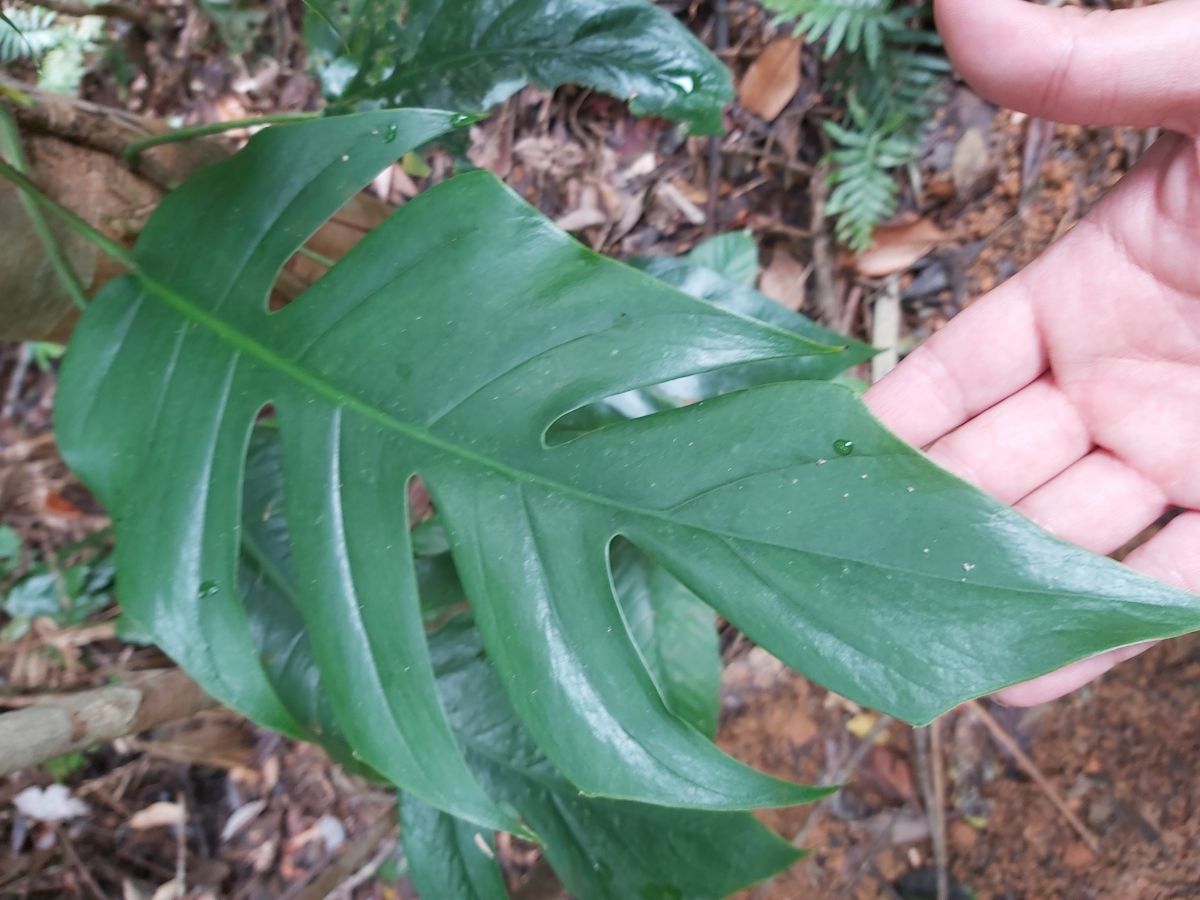
Epipremnum pinnatum is also known as poto, centipede, dragontail plant or tonga vine. It is quite prolific in the world, in particular because of its origin, it extends from Australia to Malaysia, Indochina, China, Japan, Melanesia, the Caribbean, Florida…
It is a climbing plant which, in its natural habitat, is capable of reaching 15 meters in height. However, As a houseplant and in a pot, it will not exceed 2 meters in height. In addition, if we take into account that it is generally a hanging plant, the branches do not gain height because they are dropped.
The stem can be about 5 centimeters wide (in its natural habitat) while the internodes (where the roots could come from) would be about 25 cm. Over the years they darkenso that those with a light brown tone are older than the new ones, of a very bright green.
Regarding the leaves, these are quite leafy and abundant; more at the base than at the top, where they will be more dispersed there. Each sheet can easily measure between 19 and 60 centimeters. However, we are talking about its natural habitat, because indoors it may never reach that height. What coincides in the two is their coloring, dark green. In addition, its shape is cordiform or lanceolate. And something that can happen in this variety is that the leaves break as if it were a Monstera deliciosa. In fact, sometimes in adult specimens, those who don’t have a great idea of the two plants can confuse them.
If you’re lucky, it is possible to see Epipremnum pinnatum flowering. She only does this once a year and she does this with a light green bud (the inside is yellow), although it can also be white. Regarding the flowers, they are bisexual, and will measure between 3 and 7mm. Behind them will appear green berries and, inside, there are the seeds, very small and brown in color.
Epipremnum pinnatum treatment

After getting to know Epipremnum pinnatum, you will realize that it does not differ too much from other pothos. And neither does she in terms of care, although it is true that she needs a little more care than the others. But even so, it’s ideal for people who are just starting out or don’t have much time to care for plants.
Here we leave them, as a summary.
location and temperature
You should know that Epipremnum pinnatum can have green leaves or a variegated variety. The second is visually much prettier, but a little more delicate.. Even so, in this case, we can tell you that the best location for the plant is one where it has plenty of indirect light. It can tolerate a few hours of direct light, as long as it is not in the hours of greatest incidence, but with 4-6 hours of indirect light it will already be served.
As for the variegated variety, it also does not require a lot of light. In fact, giving it a little in the morning or afternoon (or both) is enough. Of course, the light will influence the drawing pattern of the leaves.
And that’s it, the more light you give it, the more patterns the leaves will have, to be able to tone several shades of green in the same sheet, or, in the case of variegated leaves, to stand out whiter.
As for the temperature, your ideal would be between 15 and 20 degrees, temperatures that you will have no trouble meeting indoors. Even so, can tolerate more heat (even if it makes the plant stop its development) and also colder (but be careful, because it can deteriorate).
Substrate
When choosing a suitable soil for Epipremnum pinnatum, always opt for a light soil. Therefore, it is better to use universal soil with a little earthworm humus to help with humidity and all mixed with drainage. One of the best may be perlite because it is neither too big nor too small to allow the roots of the plant to grow without interfering with it.
Irrigation
One of the characteristics of Epipremnum pinnatum is that it is a plant that needs humidity. But if you go overboard with the watering, it will eventually rot. That is why it is best to water once a week. (in summer, if it is very hot, you may need to water 2-3 times).
If possible, water with room temperature or lukewarm water, because if it is too cold, it will damage the roots.
Subscriber
Regarding the subscriber, during the spring and summer months, it would be advisable to give it some fertilizer with the irrigation water at least every two weeks. However, if it is not used to receiving fertilizer, we recommend that you get used to it before.
To do this, halve the dose you give him and keep it that way for the first month. The next you can gradually increase the dose until you give him the right one.
Size
Epipremnum pinnatum is a plant that over time the shoots may sometimes wither, and these must be removed for it to continue.
Actually, We recommend removing stems that appear damaged, withered, or those that do not appear straight. It’s a way to clean it up.
It can be done throughout the year. But if you want its growth to be activated, then we recommend that you bet on the beginning of spring. It is better to prune it a little each time than to do it drastically (especially since it can be killed in this way).
Plagues and diseases
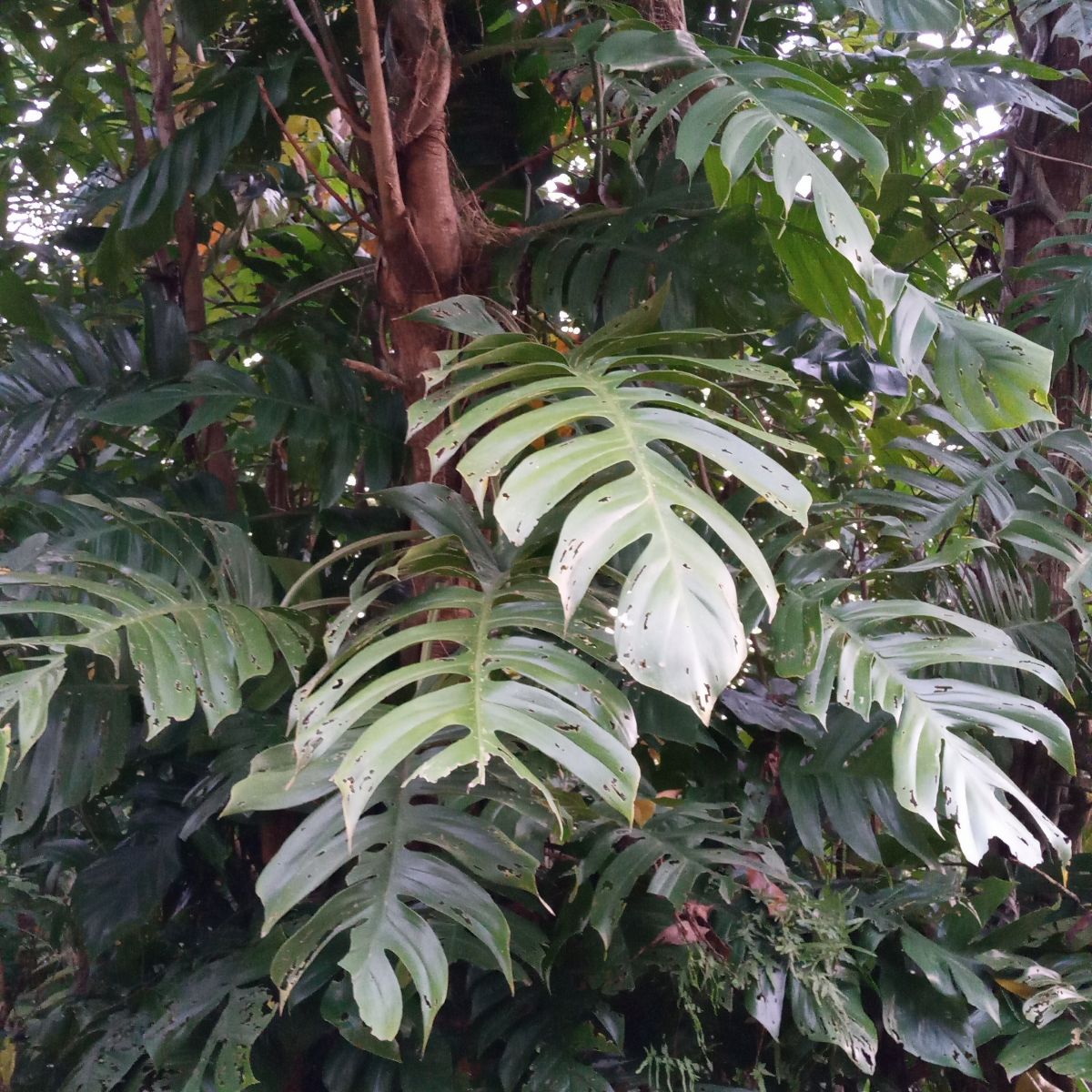
Epipremnum pinnatum is not a plant that suffers much from pests, but it does suffer from diseases. It is often affected by the fungus Phytophthora, which it infects poto and causes root rot.
Multiplication
The propagation of the plant is always done by cutting parts of it, under the nodes, since these will be the ones that will generate roots so that a new plant can grow from there.
What do you think of Epipremnum pinnatum?