
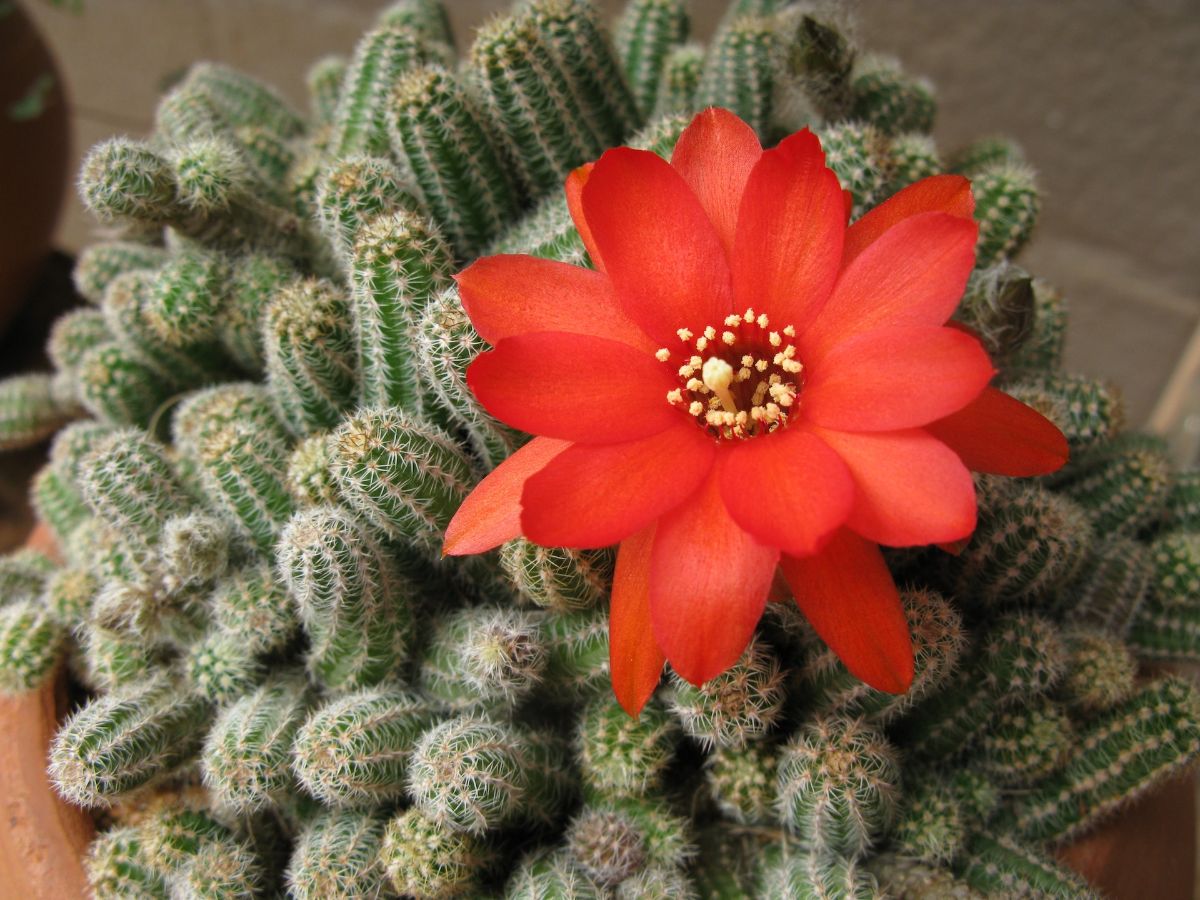
If you’re more cacti than leafy plants, you surely have specimens you’re proud of. One of these cacti that you can have and which, due to its characteristics, is part of it is the Echinopsis chamaecereus.
Also known as Peanut Cactus, we are talking about a small but intensely sized cactus with very curious flowers. Do you want to know more about him?
How is Echinopsis chamaecereus
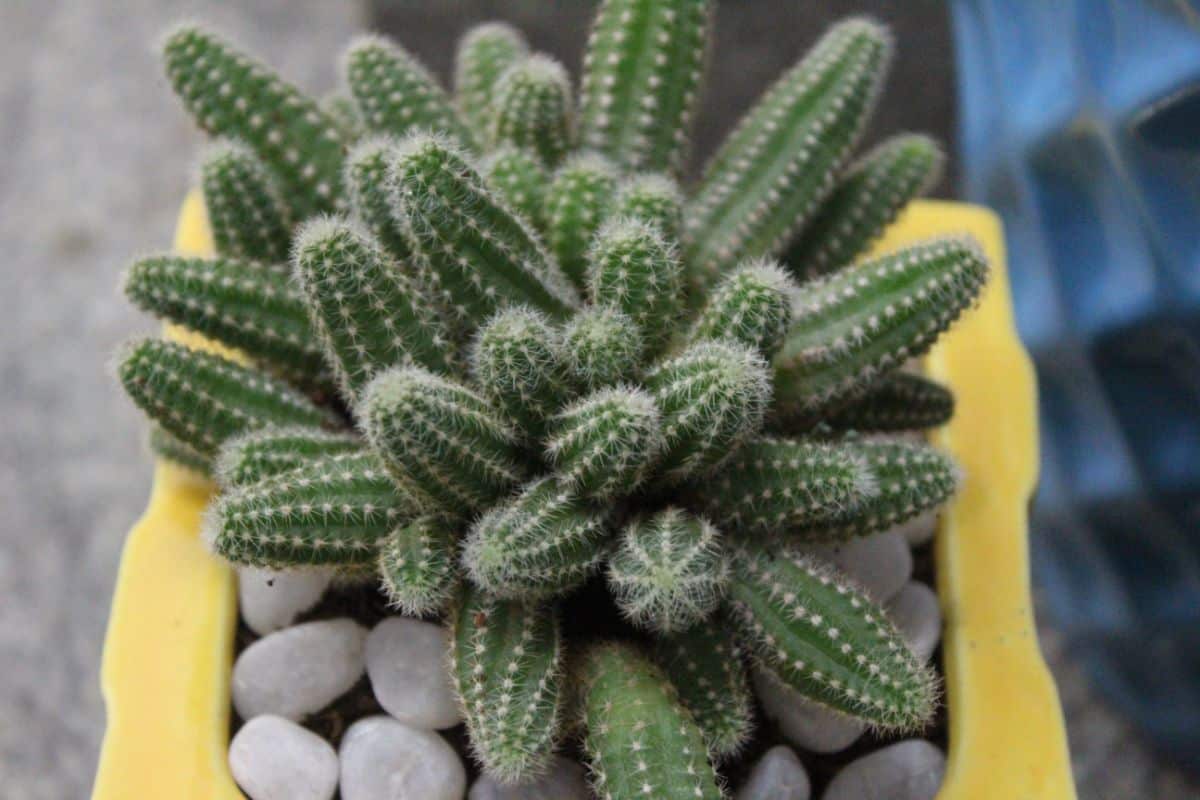
As we have already told you, Echinopsis chamaecereus is also known (much better) as the peanut cactus. However, on the Internet you can find it with other scientific names such as Chamaecereus silvestrii, Cereus silvestrii or Lobivia silvestrii.
This cactus, consisting of several bodies, does not exceed 15 centimeters in height.. In total, it forms very compact bushes, where in this case it spreads up to 50 centimeters wide. It is native to Argentina and its natural habitat is characterized by a very mountainous area (it is born at more than 1200m).
What makes it more special and striking are its buds, which become finger-shaped (at first they look like peanuts, but as it grows they get longer). In fact, it is said that this cactus was born from a self-incompatible clone. The color of these stems is green, although they have many thorns that will make it appear white. All of these stems will be segmented by between 8 and 10 narrow ribs.
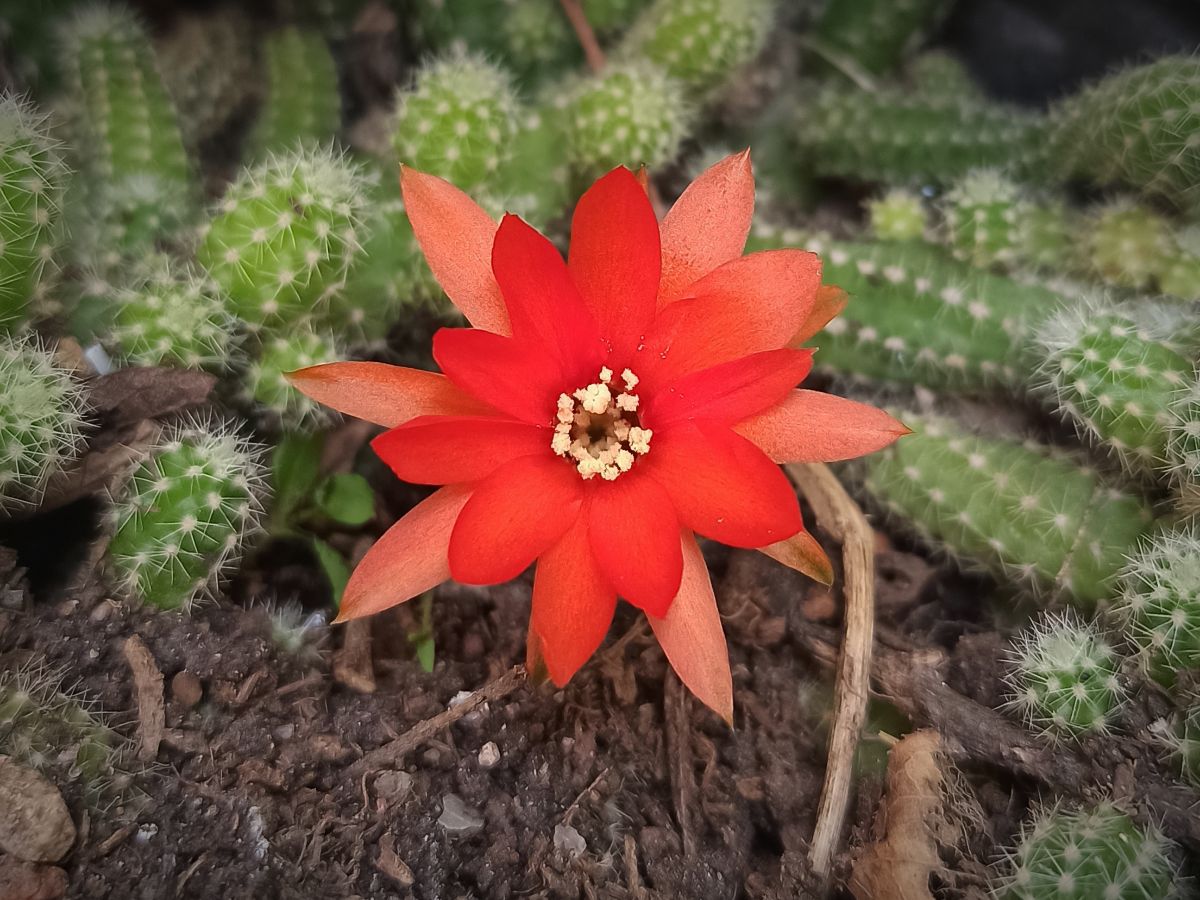
In addition to these buds, Another of the elements that attracts the most attention are its flowers. These come out in spring and, with a bit of luck, also in late summer. And that you know that they are of an intense emerald red color (the originals, now you can also find them in orange and yellow). If it is going to flower, don’t miss it as it will only last a day (although it will flower for 2-3 weeks). As for the size, look about 2.5 cm wide.
Care of Echinopsis chamaecereus
Now that you know more about Echinopsis chamaecereus, how about getting one? If you already have it, or are thinking of acquiring one, we are going to leave the most important care to you here. That way, you can check with them to see if you’re giving him what he needs or, if you don’t have it, if you’re ready for this problem.
location and temperature
The best location for cacti is outdoors. But in this case, this cactus can tolerate being indoors as long as it is kept in a very bright place (although without direct sun).
Thus, if you place it outside, leave it in a partially shaded place if you live in a warm place; or direct sun if it’s cold. In case of indoors, it is better that you always have it where more light enters it. And when it’s suitable, you can even let it enjoy direct sunlight for a few hours in the morning or afternoon.
You will notice if it gets enough light on its stems. And it is that when the shoots are very thin and elongated, it warns you that it needs much more light.
As for the temperature, ideally it should not fall below -7°C in winter. And it is that, although it can tolerate heat, and also cold, when it drops below this temperature, it can deteriorate.
Substrate
Echinopsis chamaecereus can be kept both in the garden and in a pot. And in both cases it is recommended that the soil you use is a mixture of universal substrate (or cactus soil), peat and perlite or sand.
This cactus does not have a very deep root, so a very deep pot is not necessary. What is needed is that it be wide. Therefore, a planter might be a better option.
Transplanting this cactus may be more common, since it is easy for it to fill the entire diameter of the pot in a year. Therefore, you will have to monitor its growth to replace it with another pot or a larger (wide, not deep) planter.
Irrigation
Irrigation of Echinopsis chamaecereus will depend on what season of the year you are in. In general, in spring and summer it is done every 15 days, waiting between watering and watering until the soil is completely dry (it does not like excess water at all).
From autumn onwards, the risks must be extended so that at the end, in winter, it does not water. It is better for it to survive frost and cold without rotting than to water it from time to time and this can be counterproductive for the plant.
As for humidity, although cacti don’t need it, this one in particular appreciates a bit of high humidity.
Subscriber
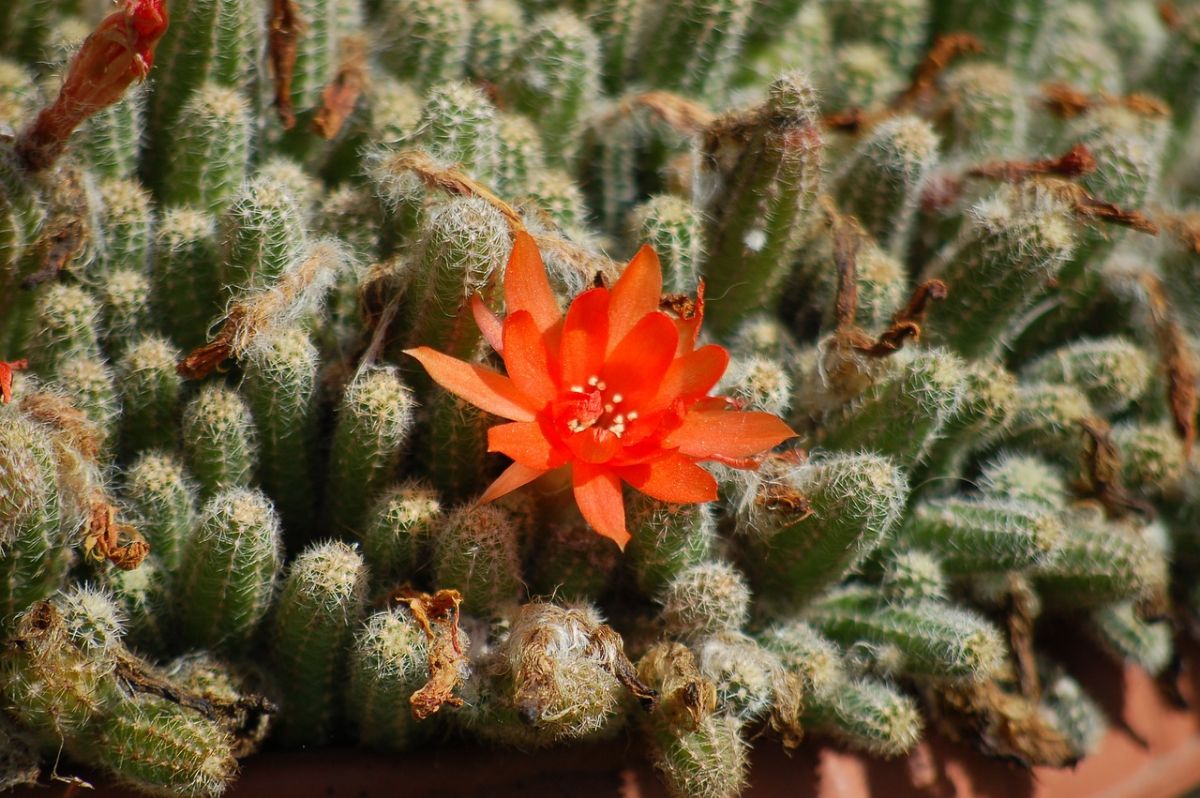
Cacti do not need fertilizer. But with this one in particular, due to the fact that it grows very quickly, we recommend throwing it away.
You will only have to apply a slow release mineral fertilizer in early spring, and forget until the following year.
Plagues and diseases
At this stage, you need to watch out for mealybug, dampness and red spider mite. In each of them, the first thing you will have to do is eliminate the plague that you see visible. But, in addition, you will have to take it out of the pot, remove all the soil and wash the roots with alcohol and water to disinfect it.
Then you need to control the humidity (so that the red spider does not appear) and spray neem oil or the like to prevent other pests.
Multiplication
Although Echinopsis chamaecereus flowers, did you know that it does not set seeds? This technique is therefore totally excluded. The only way to propagate this cactus is by cuttings.
And it’s as simple as cutting a branch off the main stem and putting it in a pot. (Allow 1 to 2 days to dry for the wound to heal). In a few weeks it should be able to show signs that it has established roots and will start to sprout.
Know that Echinopsis chamaecereus is easy to find at nurseries and plant stores. Moreover, it is not expensive and you can get one for your collection. Already have it?