

Within the ficus it is possible that you know some, even that you have some at home. But what we are going to talk about next is rather unknown. Ficus benghalensis is striking for its leaves, but it actually has so much more than you’ll appreciate.
For this reason, on this occasion, we have prepared a guide for you to find out in depth what this ficus looks like, what its care is and some additional information. Shall we start?
How is the Ficus benghalensis
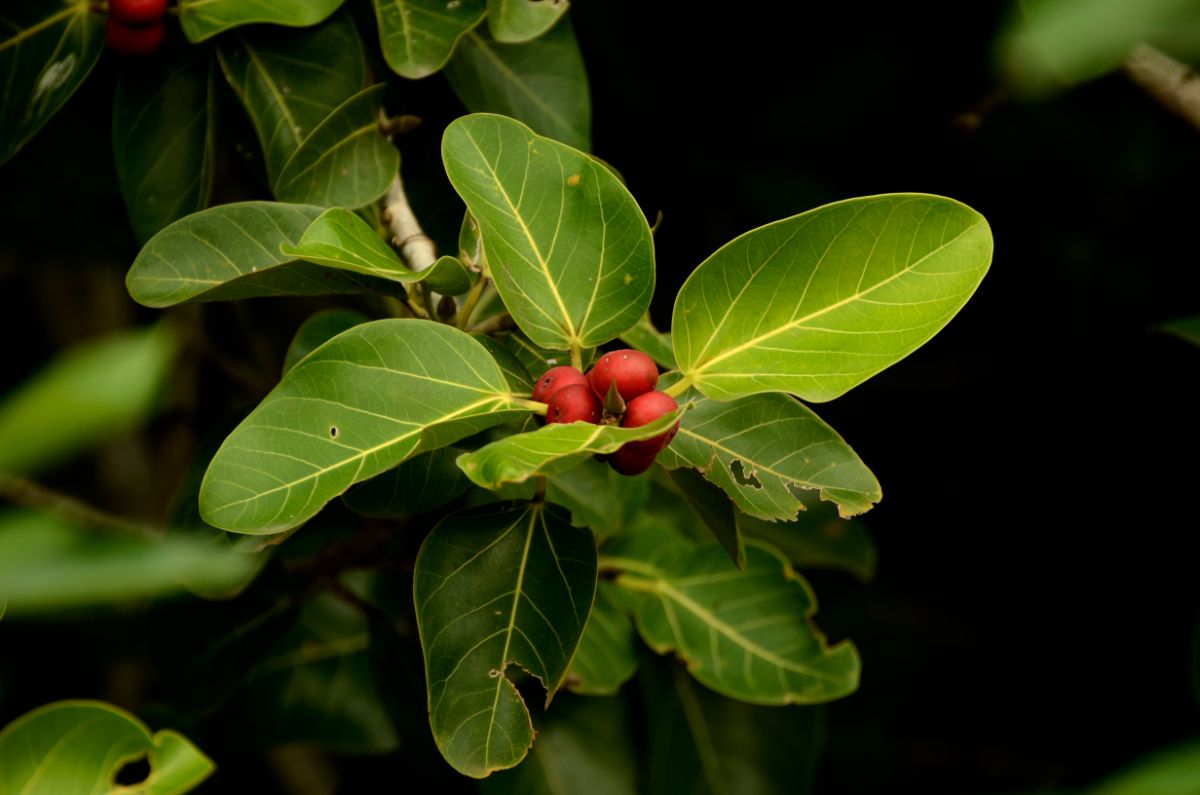
Ficus benghalensis, also known as banyan tree or banyan tree, It is a species of tree belonging to the Moraceae family. It is native to India, Pakistan, Sri Lanka and Bangladesh, although it is currently present in many parts of the world, including Spain (although it is not as well known as other ficus ).
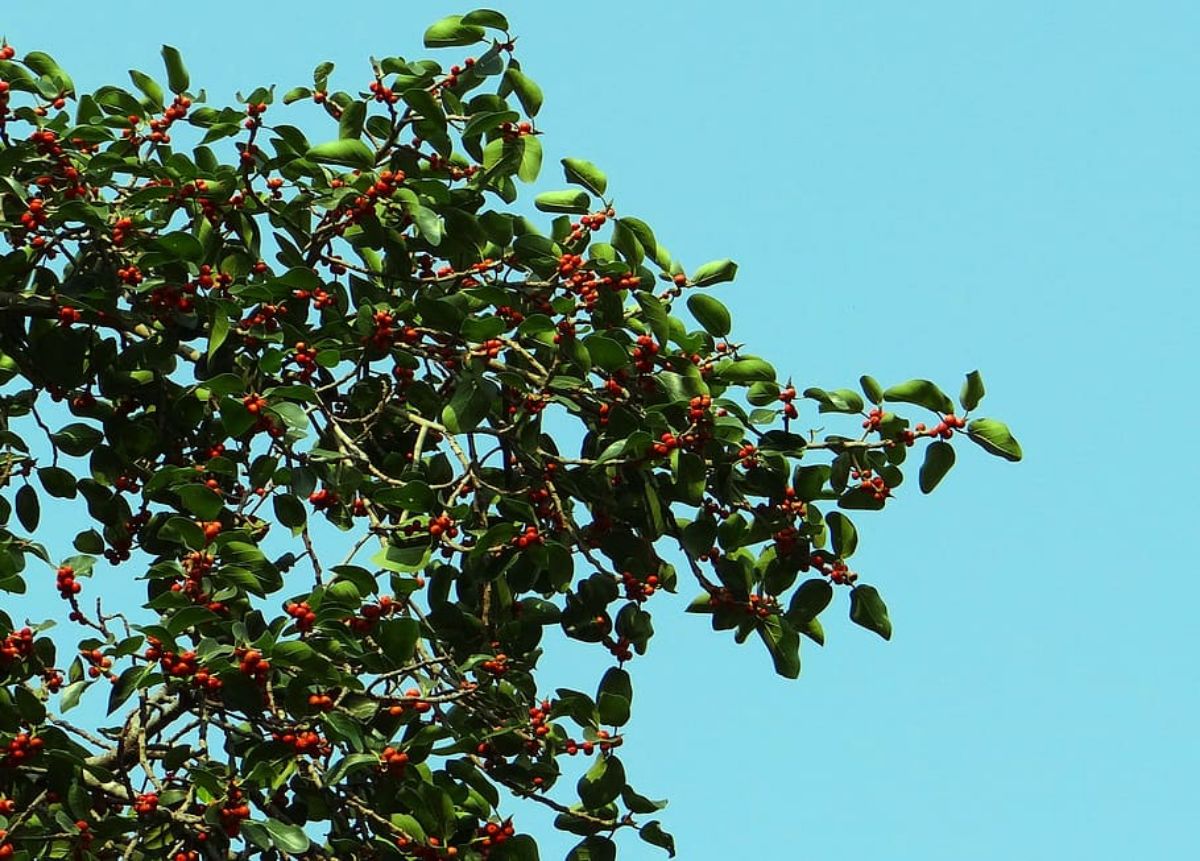
It is an impressive tree that can reach a height of 30 meters or more, and its crown can reach 150 meters in diameter. However, in the market we found it tiny both in its green variety and also variegated, both very similar to each other, but different in the part of the leaves.
The bark is gray and smooth. One of the most remarkable characteristics of Ficus benghalensis is its ability to produce aerial roots that spread downward from branches and grow into new trunks. These aerial roots can make the tree look like a small jungle, and they also make it very resistant to wind and storms.
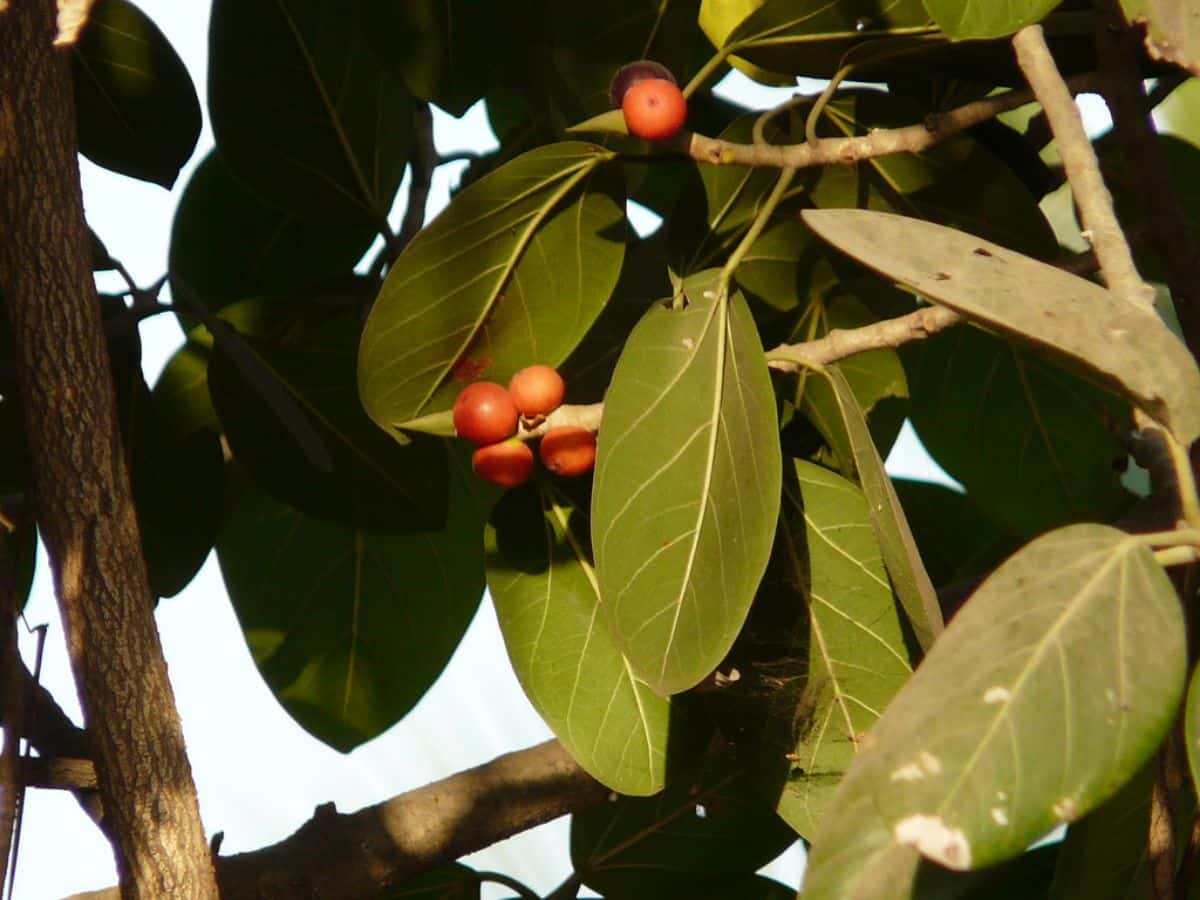
As for the leaves, they are large and oval, with a length of up to 30 centimeters and a width of about 20 centimeters. Are from bright green in color and have a smooth, velvety texture.
The leaves of Ficus benghalensis are perennial, but there are cases when they may fall off. For example, during the winter or in times of drought. In some cases, the tree may lose all its leaves at once, although generally the fall is gradual.
An interesting characteristic of the leaves of this ficus is that they contain white latex, a milky substance present in many species of ficus. It can be toxic to some sensitive animals and humans, so care should be taken when handling the leaves and other plant parts.
Also, you should know that this plant produces small yellowish-green flowers that grow in groups of two or three and give rise to small dark red round fruits about 1-2 cm in diameter. These are edible and are often used in certain culinary preparations. They have a soft, meaty texture, and their flavor is sweet and slightly astringent.. Now you have to make sure they are ripe to eat them, because if they are not, they may contain toxic substances that irritate the skin and the mouth.
Ficus benghalensis care
Now that you know a little more about Ficus benghalensis, What if we helped you know what are the main care you should give him? That way, you could get one and watch it grow and get big. Go for it.
location and temperature
The right place for Ficus benghalensis will always be in the sun. In fact he loves it. But you should keep in mind that if you just bought it, the sun in your climate may not be enough for this plant. Keep in mind that their natural habitat is usually tropical forests with high humidity. Therefore, we recommend that you put it better in partial shade.
Therefore, at least during the first full year, in summer, we do not recommend putting it in direct sunlight because it may be thirsty or lack leaves.
As for the temperature, it generally tolerates cold and heat well, but extreme cold is something else.
Substrate
It is recommended that it be fertile, light soil with good drainage, such as perlite.
How do you like humidity? We also recommend using peat, mulch and sand mixed with perlite.
Irrigation
The Ficus benghalensis loves water very much. Indeed, it must be watered throughout the year but it is necessary to wait until the soil dries between waterings. Besides, You have to be careful how much water you add because the roots can rot.
Humidity
Humidity is as important, if not more, than irrigation. It is important that the leaves of Ficus benghalensis are sprayed daily in summerso you get the hydration you need.
Subscriber
It is recommended to fertilize 1-2 times a month, but not with the manufacturer’s dosage, it is better to divide the fertilizer in half. Actually, it is better to use the granules than the liquid.
Size
In principle it is not necessary to prune the Ficus benghalensis, just in case it gets too big or puts on too many leaves. Of course, protect yourself if you’re going to cut it.
Plagues and diseases
Although they usually don’t have a problem, occasionally red spider mites and thrips make it their business. To solve it, it is best to wash the plant with soap and water.
Regarding diseases, these will appear if they do not receive the care they need.
Apps
To finish, We want to tell you about the uses of Ficus benghalensis. Beyond the decoration, the truth is that there are others less known (except in their natural habitat). These are:
- Medical uses: The different parts of the tree are used in traditional Ayurvedic medicine to treat various ailments including skin diseases, fever, headache, cough and asthma. It is also credited with anti-diabetic and anti-inflammatory properties.
- Food for animals: The fruits of Ficus benghalensis are an important food source for many species of animals, including birds, bats, monkeys and rodents.
- religious use: In India, this tree has great cultural and religious significance. Therefore, it is common for you to find it near temples and shrines. It is considered a sacred tree in many cultures and is used in religious ceremonies and rituals.
- Drink: The wood is hard and strong, which is why it is used in the construction of furniture, crafts and tools.
- Rubber production: And of course, producing latex, it is one of the best trees for producing natural rubber.
As you can see, the Ficus benghalensis is a tree that you can very well have at home, in a pot or in the garden. Do you dare to have one like this?