
If you purchase an item through links on this page, we may earn a commission. Our editorial content is not influenced by commissions. Read full disclosure.
Alpacas are great animals to have on the farm. They are gentle with children, will fiercely guard your property, and you can use their fiber to craft textiles.
Keeping these animals is easy if you have the space and time to care for them. With a little training, they can have calm, friendly personalities that are a joy to be around.
Benefits of raising alpacas
Why should you breed alpacas specifically when so many farm animals are available? Here are some fabulous reasons:
1. Excellent wool
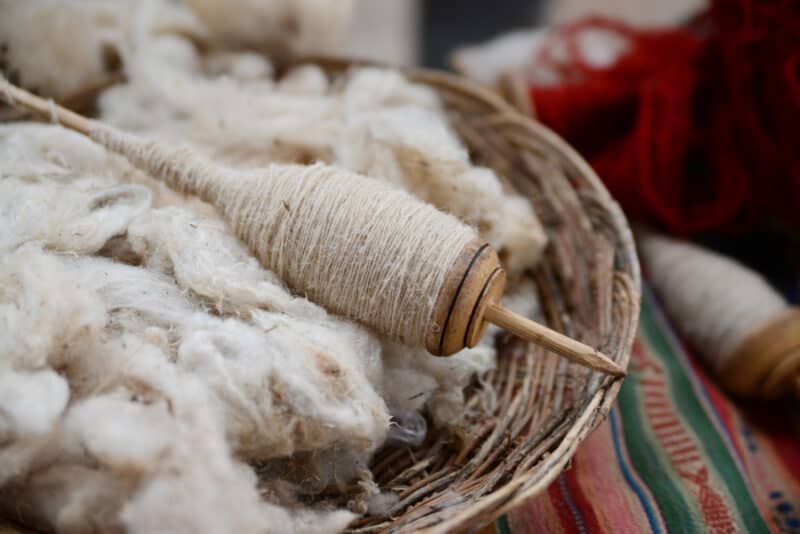
First, alpacas produce some of the best wool in the world. It is soft, warm and resistant. Their wool is also hypoallergenic, which is one of the reasons it is so sought after.
If you want to explore new fibers or keep a stash of yarn, you can’t go wrong. You can make it into wire harnesses for your own projects and sell it in markets or online.
2. They are friendly
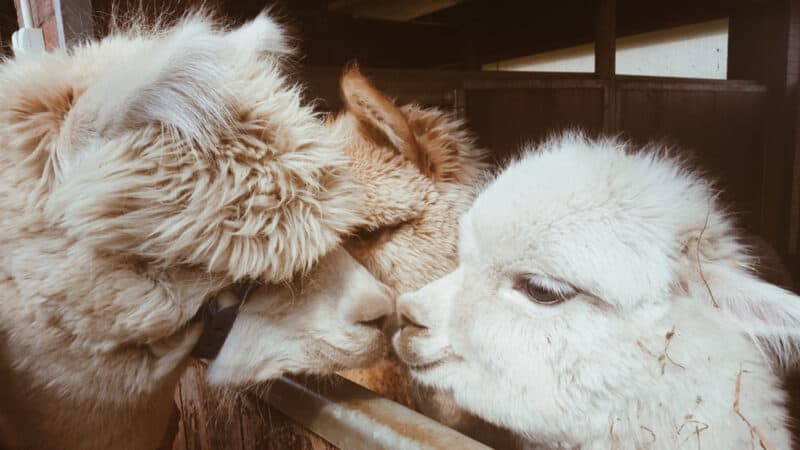
Because they are so friendly, raising alpacas allows you to start a new business and earn extra income from your animals. You could open a mini-farm for the local community.
It’s a great way to get to know people and provide a friendly space to connect with animals.
But even if you keep them to yourself, it’s good to have an animal around you that is happy to see you and will come to you willingly. Some animals, like llamas, might not.
It’s not just humans they’re friends with. As long as they are socialized early, they will easily accept dogs, cows, cats, horses, and all sorts of other animals. They even make great companions for horses that need a friend.
3. They make great pets

Planting crops and watering flowers can be soothing to some people, but there’s nothing like raising alpacas to lift your mood. Their soft fur is soothing to the touch and they have lovely personalities. They are open to bonding with their owners.
Running a farm is a busy job, and forgetting to stop and enjoy the moment can be easy. Having an alpaca will encourage you to come out and enjoy their antics.
It can benefit your mental health to care for animals and receive companionship in return.
For children, alpacas make great pets and can help children become more confident around animals. You can also assign children chores that give them the responsibility of feeding them and cleaning their shelter.
4. Alpaca Fertilizer

Another reason to keep alpacas is that their droppings are great for your property. You can place it around your plants as fertilizer.
Of course, you can’t just throw the fresh poo on the ground or you risk burning your plants. You should place it, along with the shavings, in a pile and let it decompose before using it.
Once you see a baby alpaca, you won’t be able to resist adopting one of these adorable creatures. They will add so much joy and happiness to your life, and you won’t regret bringing one home!
5. They are clean
Cleaning up after livestock on the farm can be a tedious chore. Alpacas give you a break as they are naturally tidy. They will poop in the same place and they don’t make a huge mess when they eat.
6. They are protective

Alpacas aren’t mean, but they are protective. They will help guard a herd of sheep or cattle, chasing away predators whenever they approach. In fact, some people prefer alpacas as guardians over guard dogs.
How to Care for Alpacas
Convinced that you need an alpaca or three in your life? Before you start shopping, it’s important to know what you’ll need to take care of these cuties. It’s actually not too difficult, which is one of the best things about them!
To make things easier for you, this can help you keep track of your responsibilities, create a checklist for raising alpacas, and keep it somewhere obvious.
1. Shelter
Alpacas can live in a range of different climates, but you will need to provide sufficient shelter for these animals during the cold months. Alpacas also need protection when temperatures are high as they can overheat and become dehydrated.
Originally, alpacas were bred in Peru and South America, so they come from mountainous areas with plenty of space. If you have a large area with a crowd of trees, that’s great for alpacas, but they can adapt to smaller areas.
Because they come from cold regions, they can live in cold temperatures and snowy conditions. They can tolerate freezing temperatures and heat up to 103°F. But you need to provide them with a place to escape the elements.
Set up the alpaca shelter before bringing them onto your property.
But you can also create a cozy shelter in a barn or other protected space.
Remember to measure the space and make sure it’s big enough for the number of alpacas you have on your farm. You don’t need a lot of extra heat, but it’s a good idea to monitor the temperature during the winter and add a heater if needed.
2. Outdoor space and fence

Depending on how many alpacas you have, the amount of space will vary from farm to farm. Generally one acre of land is good for 5-8 alpacas. But, more space is better for your pets.
The land must be fertile and clean. Thus, you need to make sure that you have a clear space free of hazards and debris. Once you have prepared the ground for the alpacas, you will need to install a fence to keep them safe on your property.
Otherwise, you could risk your alpacas wandering out of the area and hurting themselves.
Animals are smart, which means they will learn their limits and won’t try to get over the fence.
If you use barbed wire or electric fences, you must be careful when placing them on fields. You must keep the electrical wire outside the fence so that it does not come into contact with the alpacas.
To avoid injuries, you can use sheep or deer fences. This is a great option as it is used to protect other animals so you don’t have any security concerns.
3. Food and drink for alpacas
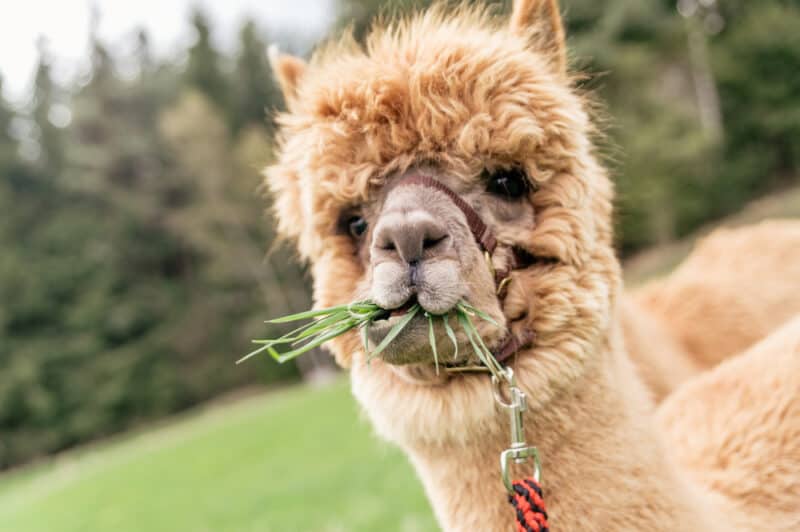
Alpacas love anything green and healthy. They like to graze all day, so you’ll see them eating the tops of plants and picking up whatever food they can find on the farm land. The advantage of alpacas is that they are gentle on land.
You don’t have to worry about them destroying your landscape.
You should plant different grasses and shrubs for your alpacas as this will give them a varied diet and plenty of stimulation to keep them busy. The best hay to feed your alpacas is alfalfa or clover because it contains all the nutrients your animals need.
It is equally important that you give your alpacas enough water to keep them hydrated. Alpacas need a lot of water, so they should always have a water source nearby. You should also check daily that the water is fresh and clean.
4. Cut your hair
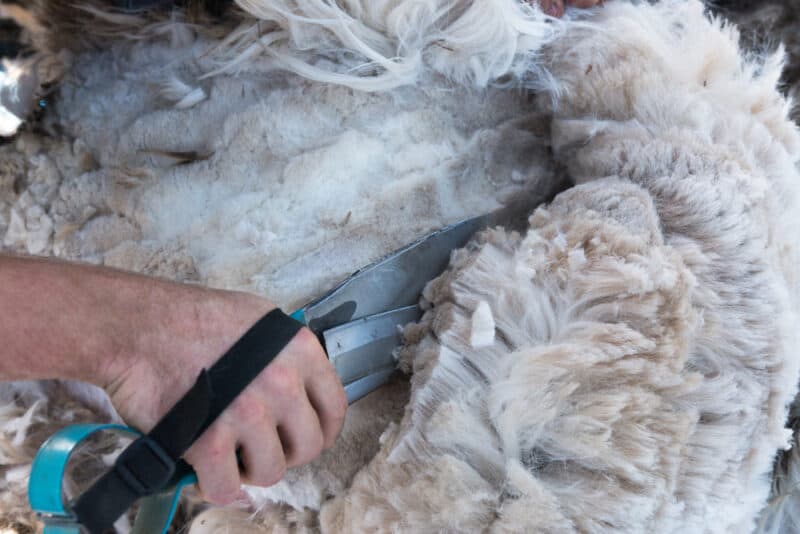
In addition to food, water, and shelter, you should take care of your animals’ overall health by frequently clipping nails and removing fibers. As an owner, you should shear alpacas because their fur will keep them too warm during the summer.
In addition, their wool will be too long, which will prevent them from moving. If you want to reuse the fiber, you can use it for knitting or crocheting. Or, you can sell it at your local farmer’s market.
Alpaca wool is popular among crafters and people interested in organic fibers. Most people look for the fleece fiber on the back of the animal. You can also use alpaca wool for the neck and upper legs.
Over the course of a year, alpacas will produce between 5 and 10 pounds of wool.
5. Nail trimming
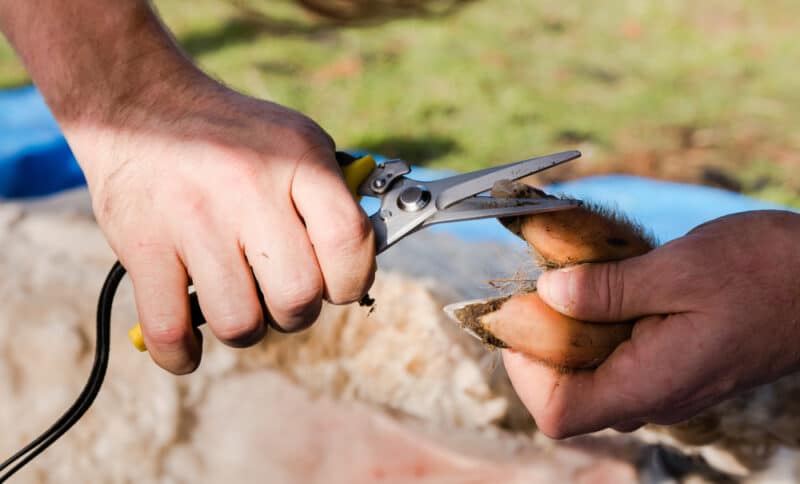
Nail trimming is essential to keeping your alpaca healthy. Their nails grow quickly, so you need to trim them every six weeks. If your soil is hard, you may be able to let the nails grow longer than six weeks as they will wear down naturally.
Older alpacas also need a bit more attention when slowing down. Watch the growth of their nails and trim them when they get too long.
If you don’t feel comfortable trimming their nails, you can call your local vet to have them do it for you.
6. Medicines
The main vaccinations you need to worry about when keeping alpacas are tetanus and Clostridial vaccines. Young and pregnant females need a vitamin D injection during the winter, as these animals are native to very sunny areas.
Check with your veterinarian for vitamin D protocols in your area.
You should give alpacas a tetanus shot when they are young, so you should reserve it as soon as you bring them home. Ideally, your alpaca should get a tetanus shot within the first few days of coming home. Then you will need to boost it regularly.
Was this article helpful?
Yes No ×
We appreciate your helpful feedback!
Your response will be used to improve our content. The more feedback you give us, the better our pages will be.
Facebook pinterest