
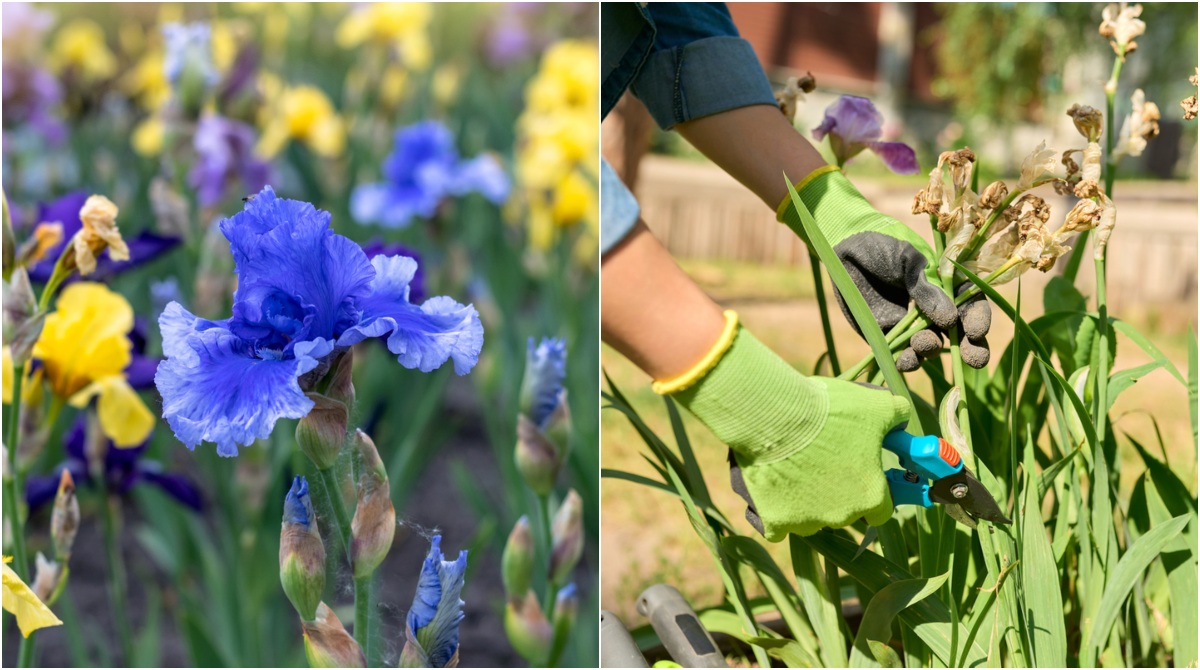
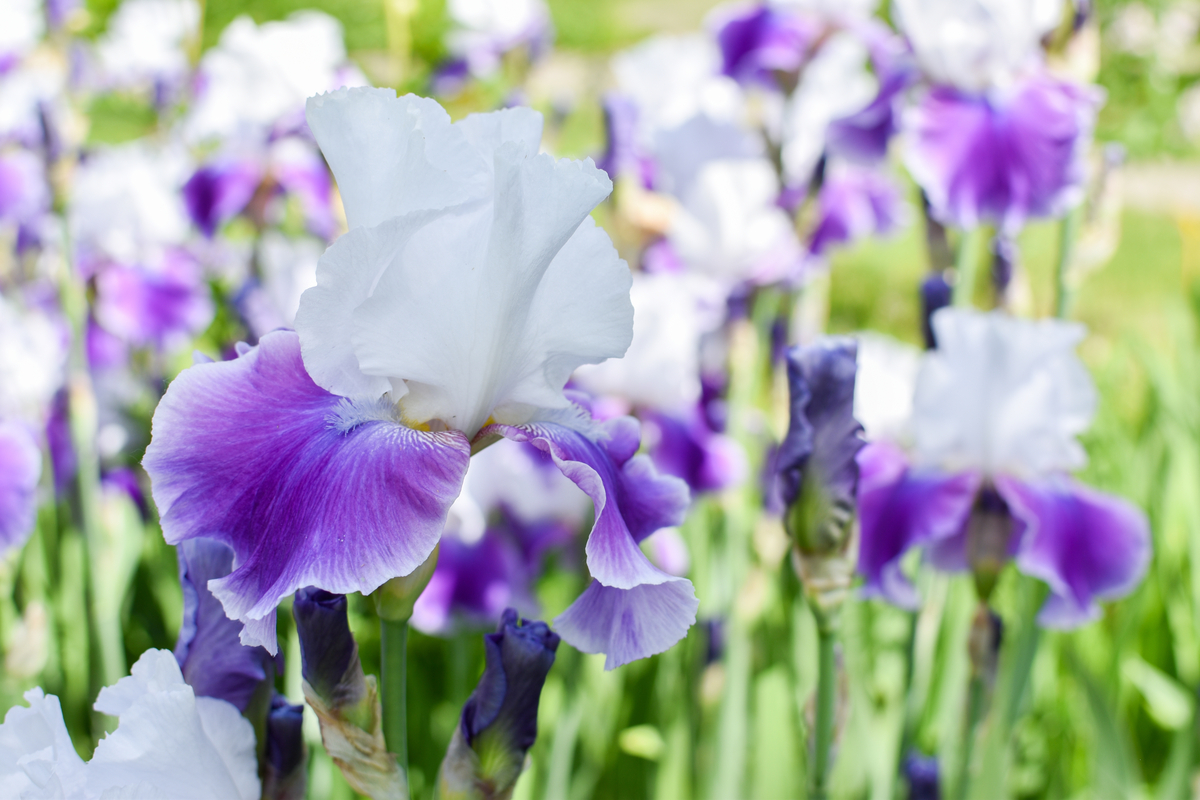
The luxuriously bright flowers of the iris are one of spring’s favorite gifts.
Issued from stiff sword-shaped leaves, the floral stems support large flowers with 6 spreading or lobed petals.
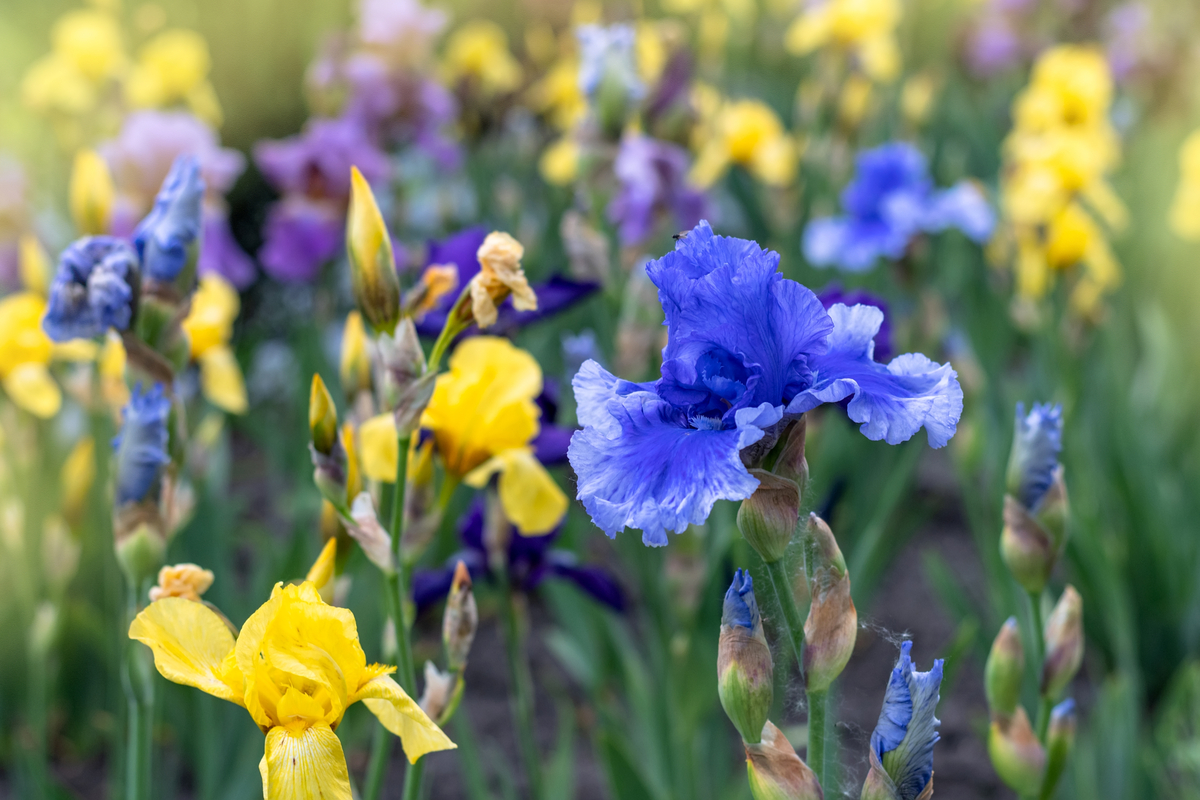
Iris flowers are bicolor, striped or solid in shades of yellow, orange, pink, blue, purple, white and brown.
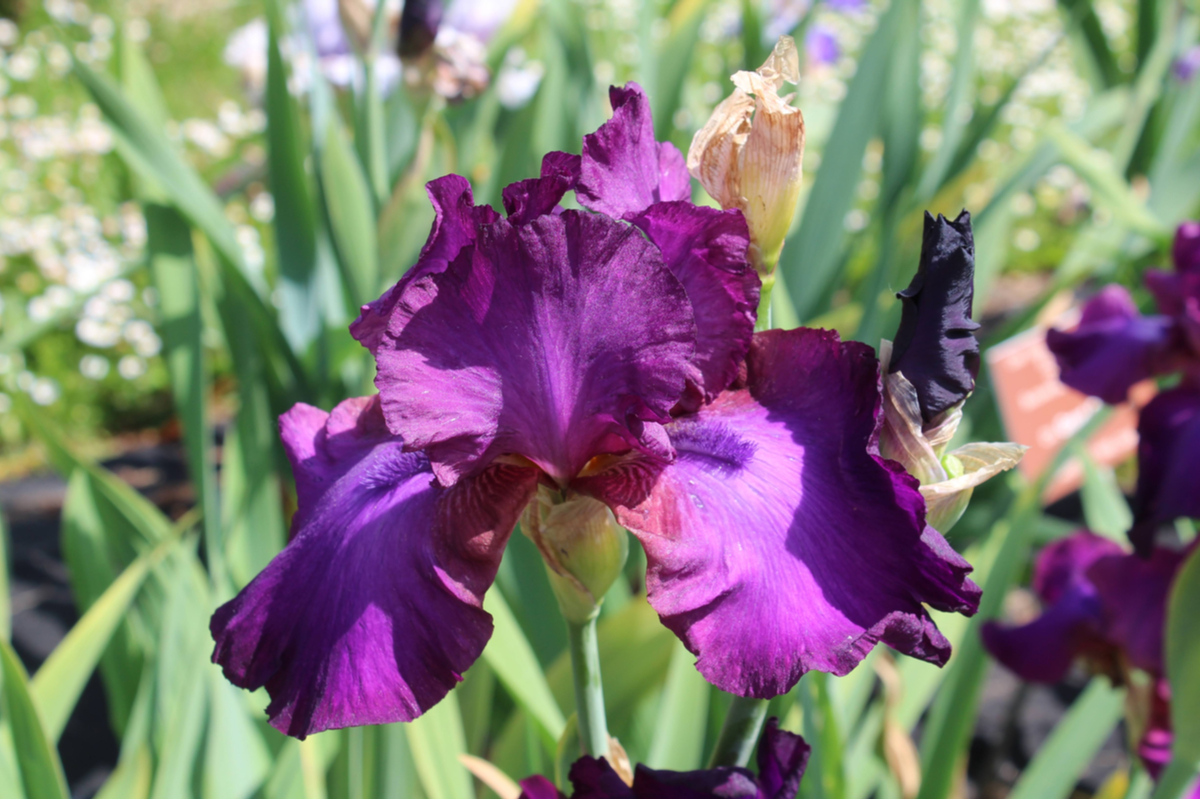
Lilies have striking blue varieties and have a special place in your blue perennial garden.
Some varieties of iris are known to have near-true black flowers, as well as purple persuasive flowers.
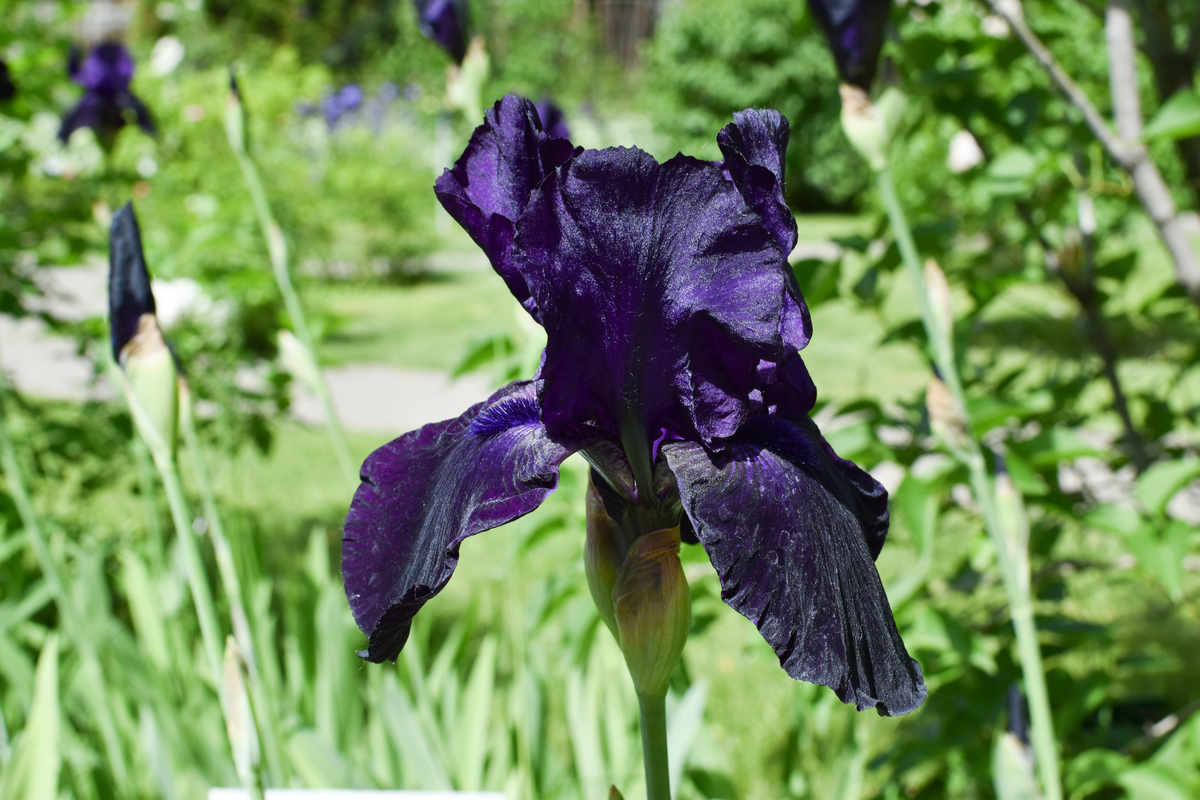
Among ornamental lilies, there are dwarf varieties that grow only 6 inches tall and giant lilies that can exceed 4 feet tall.

While some types of irises are perennials that like moist soil and even watery conditions, others thrive in full sun in well-drained soil.
Lilies are even in our top 10 full sun perennials!
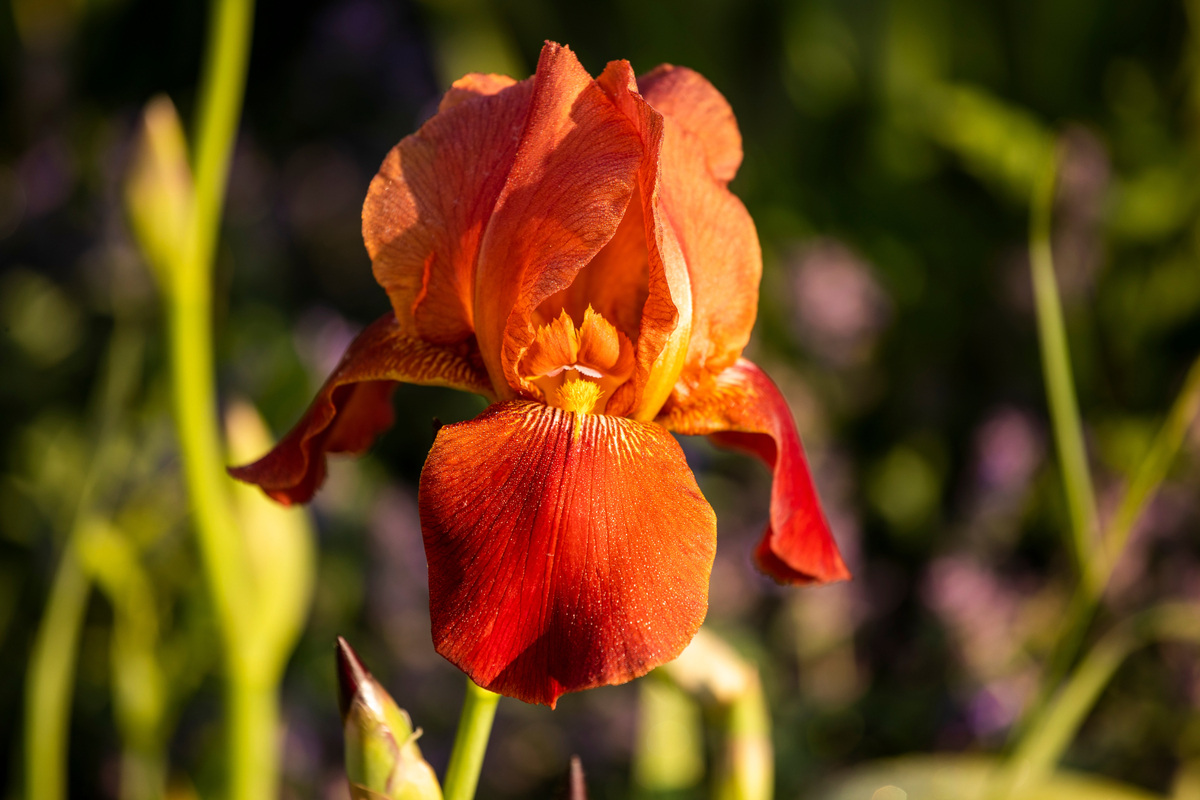
We love lilies in the garden because they’re easy to grow and reward us with sturdy, dependable blooms year after year.
These perennial perennials can be shared between neighborhoods and even between generations.
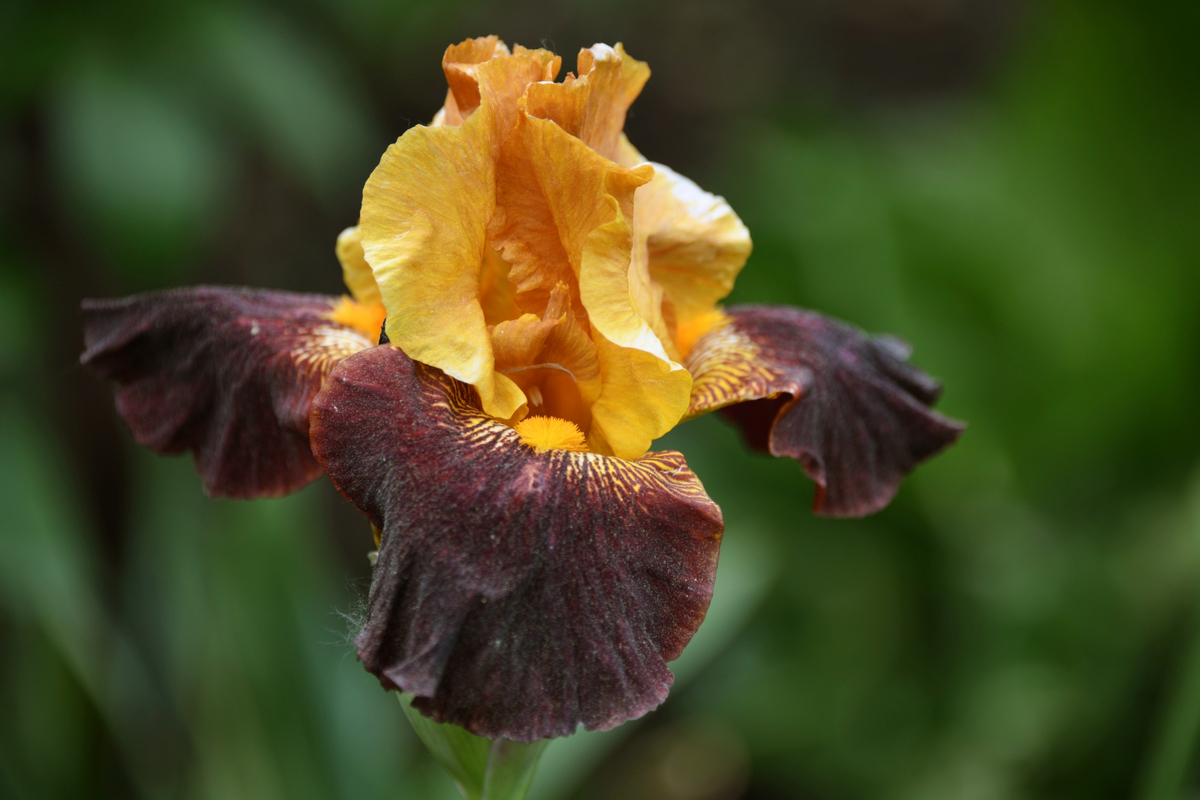
They divide easily any time after they bloom and are perfect perennials for fall planting.
Another plus is that lilies are a great perennial to choose for a deer-resistant garden.
Why do you need to take care of your irises after flowering?
As beautiful as lilies are, caring for iris plants after they bloom accomplishes three important things.
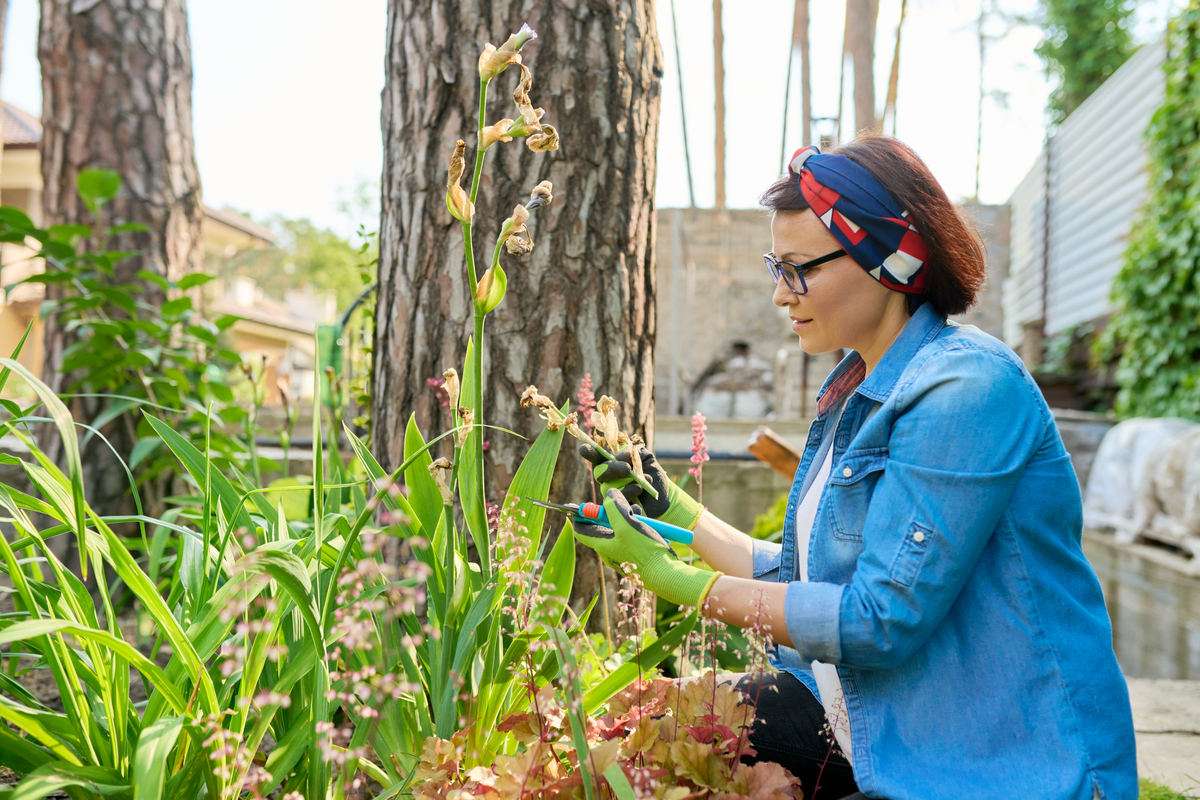
First, post-bloom care will keep the leaves straight and stiff for the remaining weeks of summer.
Thereafter, proper care of lilies during the summer will help prepare the plant for an exceptional floral display the following spring.

Finally, proper iris care will keep the plant healthy and free from disease and pests.
How to care for irises after flowering
dead head
After the lilies have finished blooming, their stem is left with dried, discolored flowers at the top of the stem.
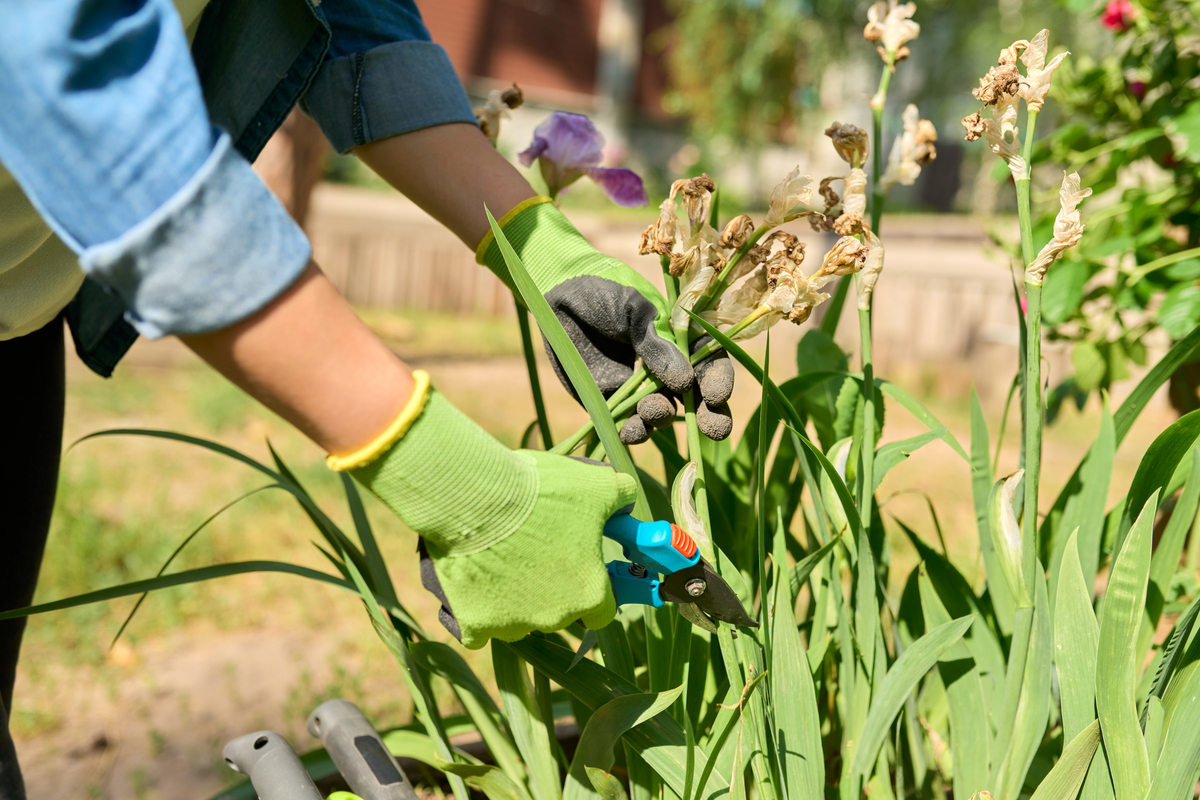
Remove the entire stem. The stem turns brown and dries out on its own. If left in place, it’s not the end of the world, but it will look messy and may harbor pests and disease.
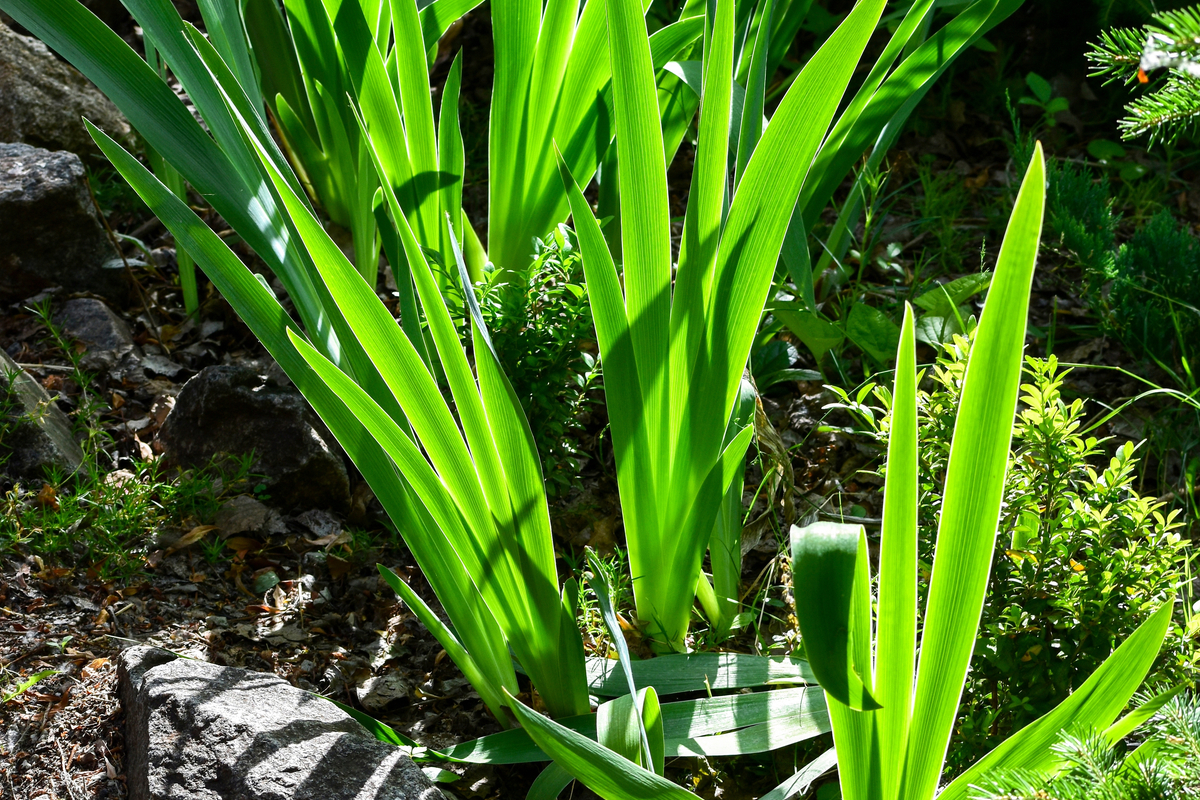
Cut the stem in the direction of the vertical fan of the leaves. This is the best way to hide the stem.
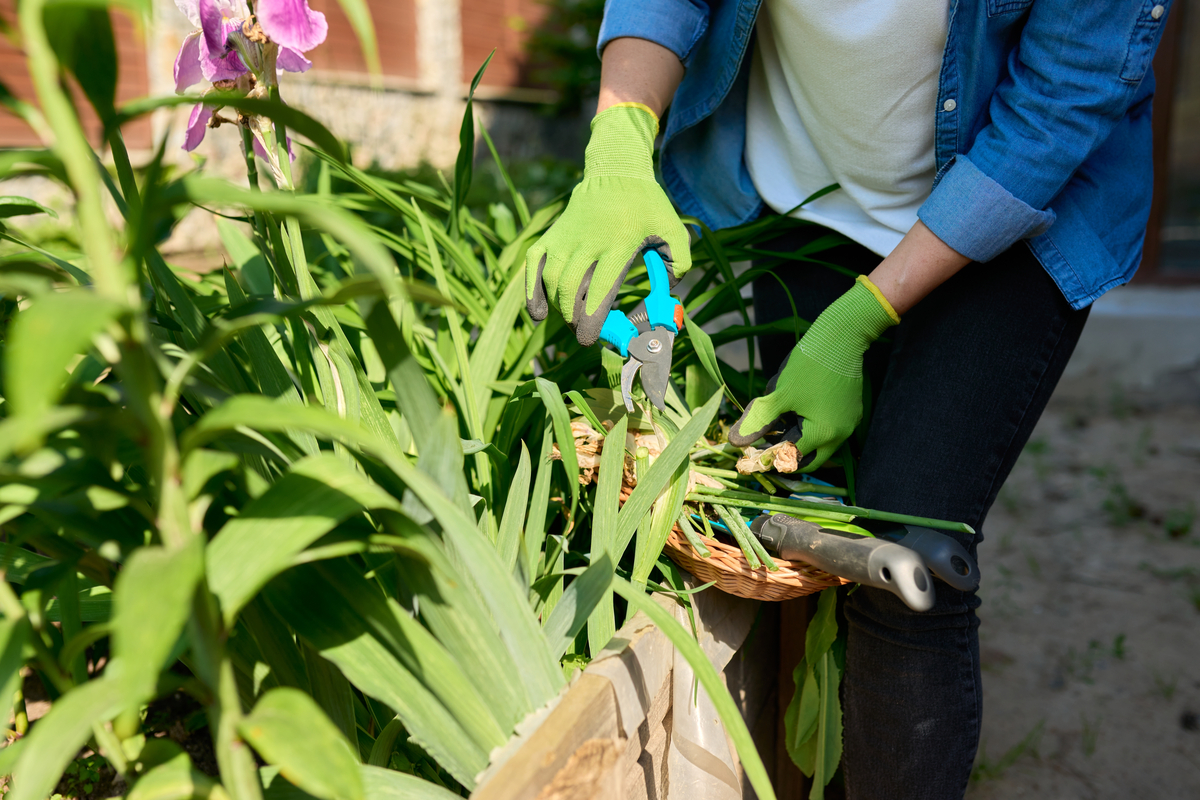
Clean used sheets. New leaves emerge from the center of the fan. The outer edge leaves dry out with age. Cut them out to make the new sword-shaped leaf fan look its best.
divide
Divide your Iris every 3 to 5 years. As they age, the rhizomes of lilies become tangled and tangled and do not flower as well.
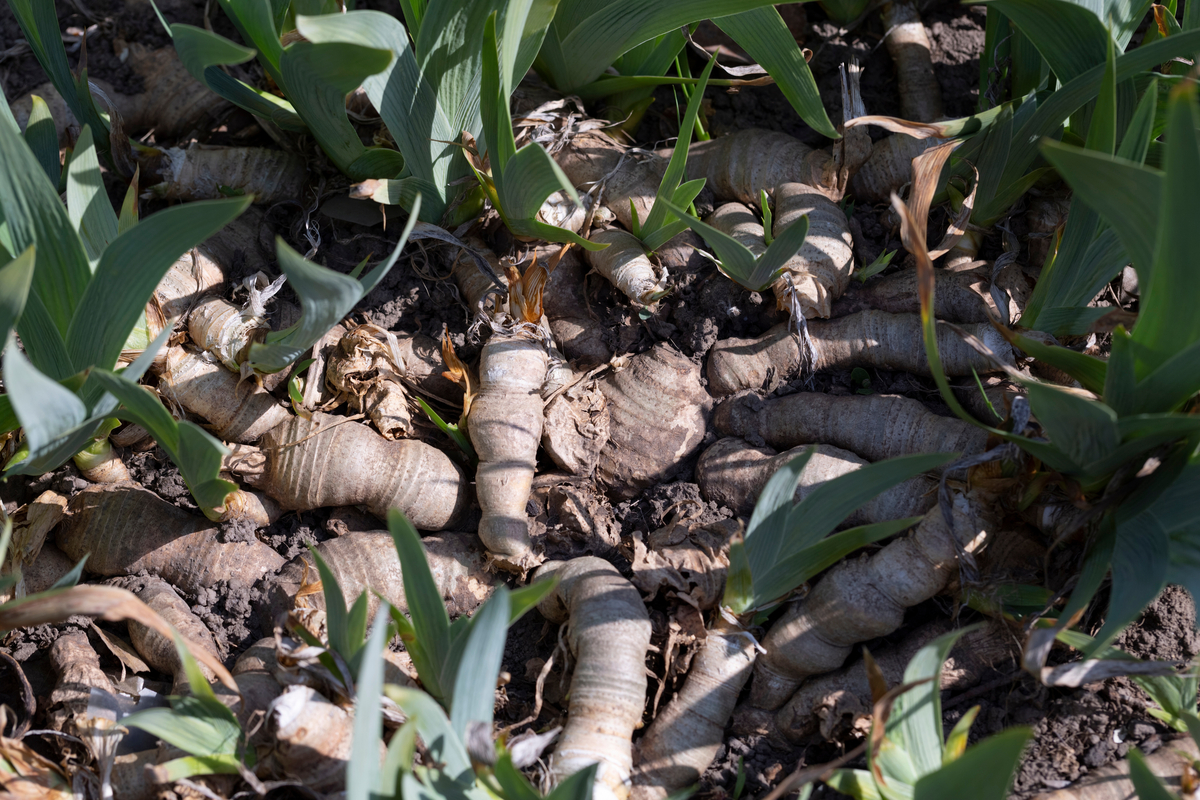
The best time to divide lilies is after they have finished blooming and when the weather is not too hot.
Pick a time early in the morning or wait until later in the fall when temperatures have dropped to divide your irises.
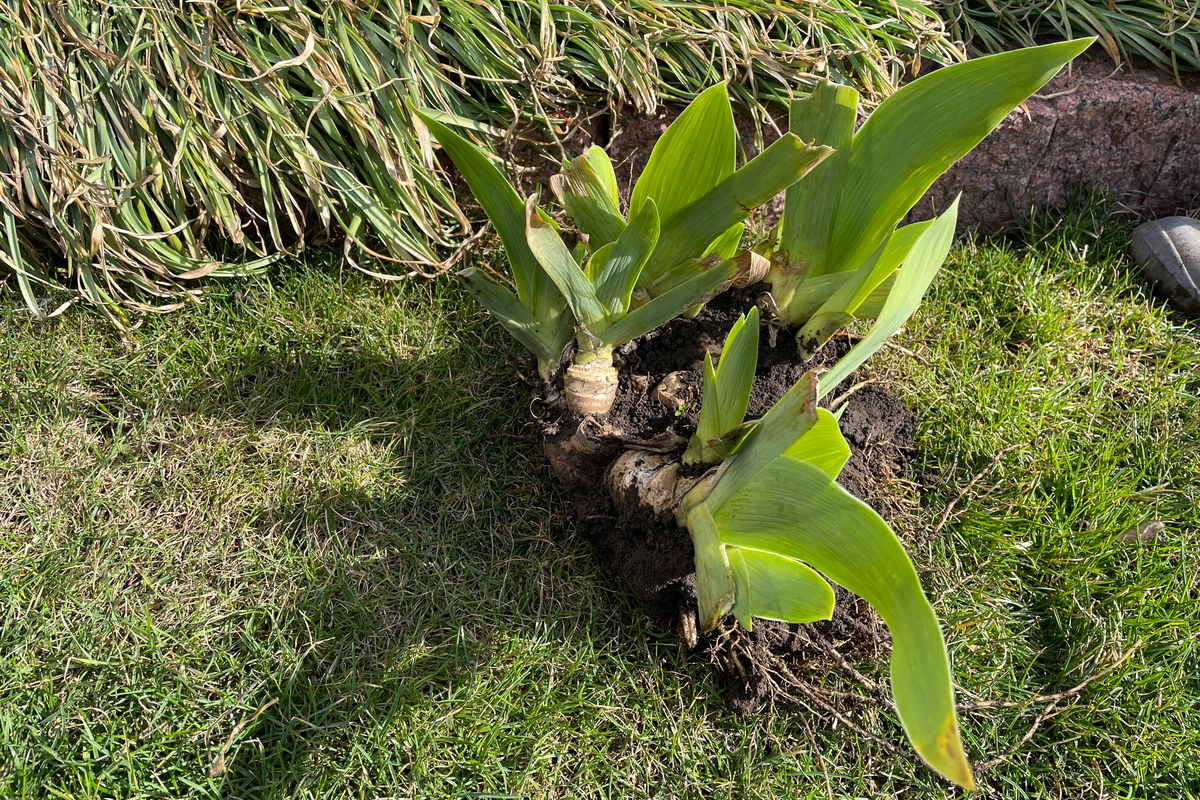
Hollow out the Iris sections. The fleshy rhizome has smaller roots arising from it.
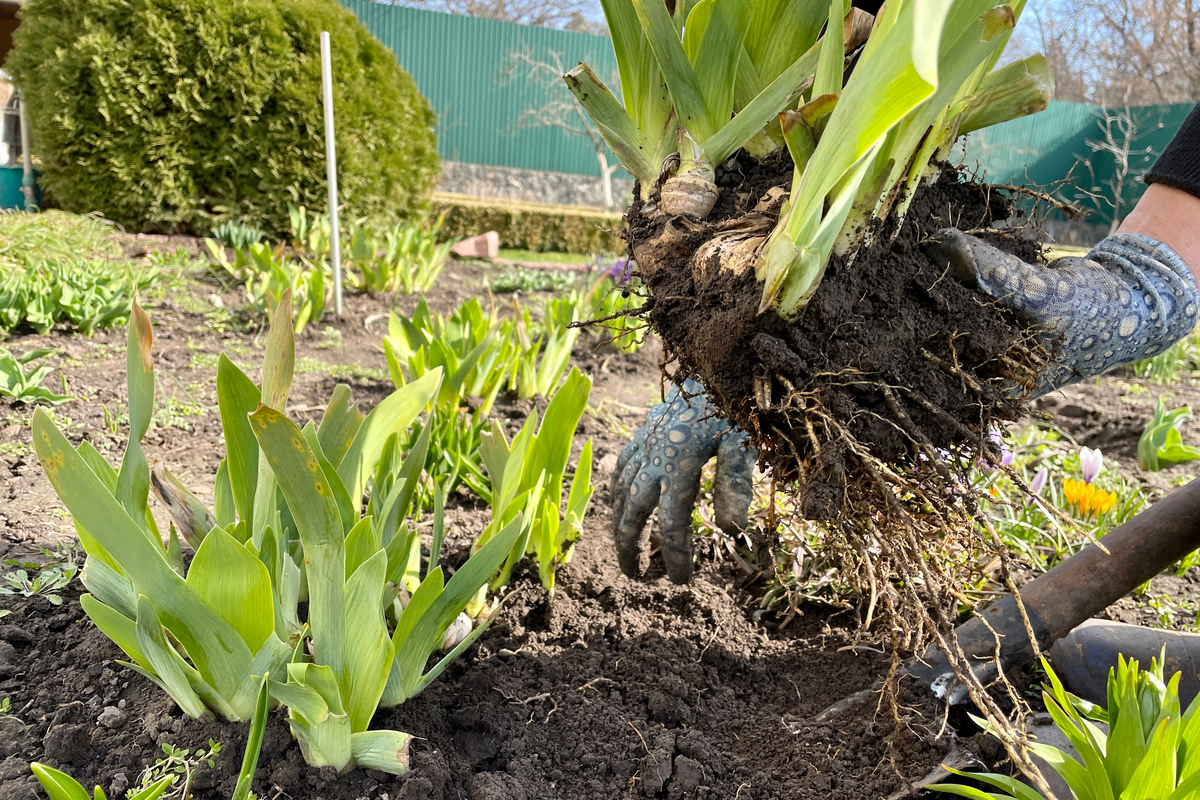
Separate the rhizome sections. Cut off any sections that have passed their peak and no longer sprout new leaf shoots.
Additional irises?
Share your Iris divisions with friends, family and neighbors.
If your irises were already in the garden, see if you can determine where they came from. They may have an important local history or tradition.
Provide Iris Divisions to local garden projects or heritage gardens to further strengthen your legacy.

Plant iris divisions
Planting time is the best time to feed lilies. Surprisingly, they are not big eaters. Amend the soil with well-rotted compost and ensure excellent drainage.
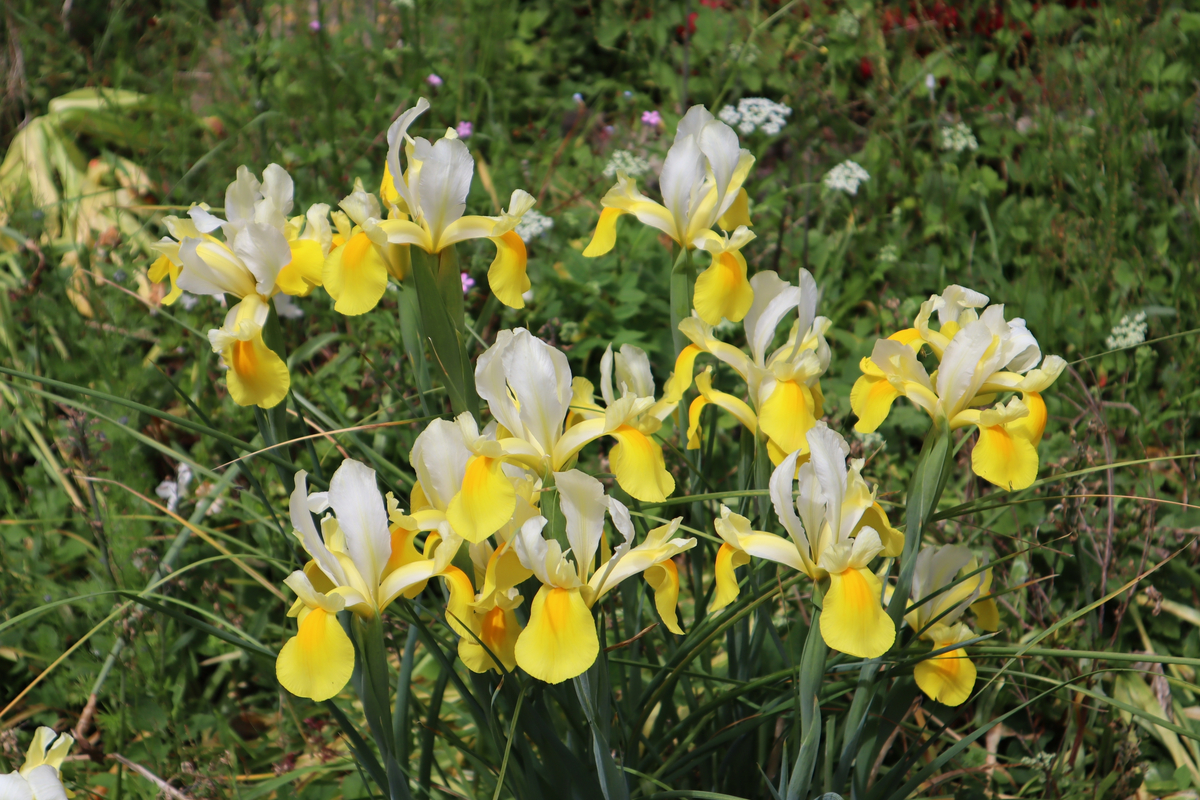
Be sure to plant lilies in full sun.
Place the rhizomes at ground level, making sure the long roots are deep in the ground.
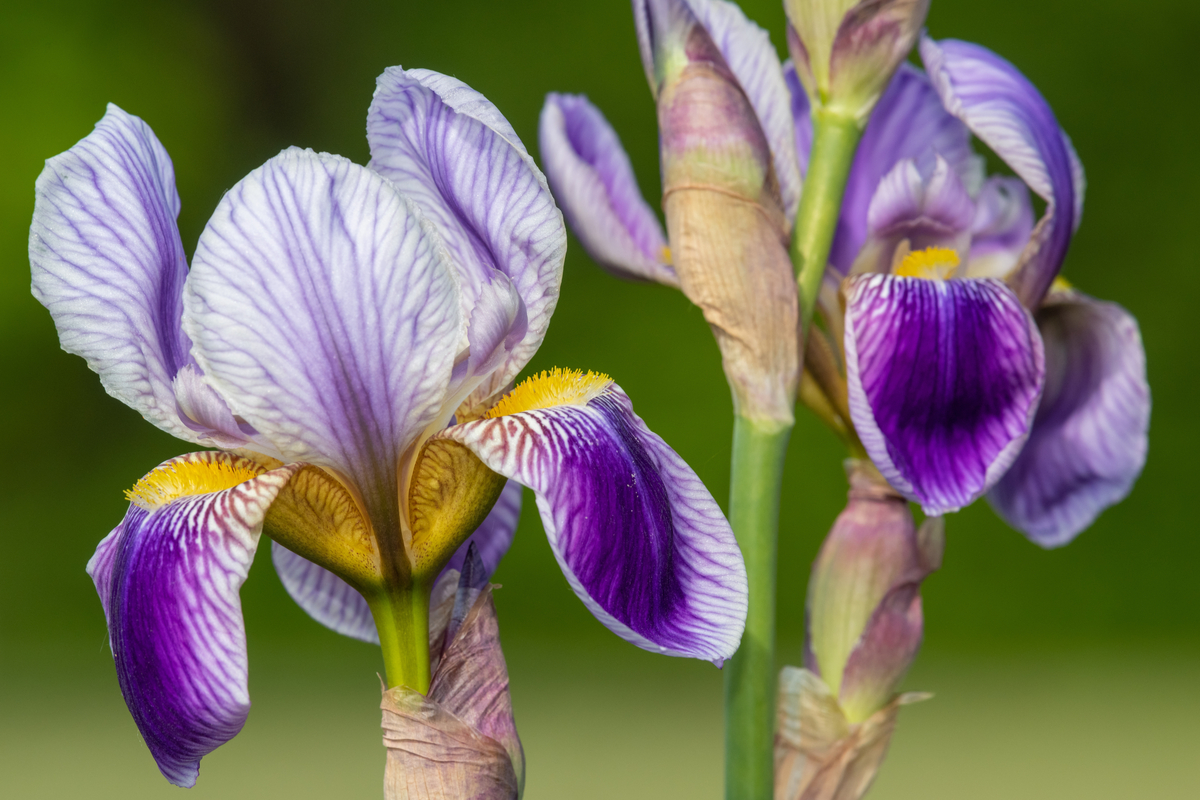
Water the newly planted iris divisions well.
*Good date:
Iris rhizomes must be exposed to ensure excellent flowering!

Irises bloom best in full sun. Make sure the rhizome is exposed to the sun. This means that mulching iris plants over the rhizomes is not recommended. It also means not overcrowding or shading your irises.

Iris has many friends

Lilies look great with many other plants, including spring bulbs like tulips and hyacinths and summer bloomers like alliums, gladioli and dahlias.
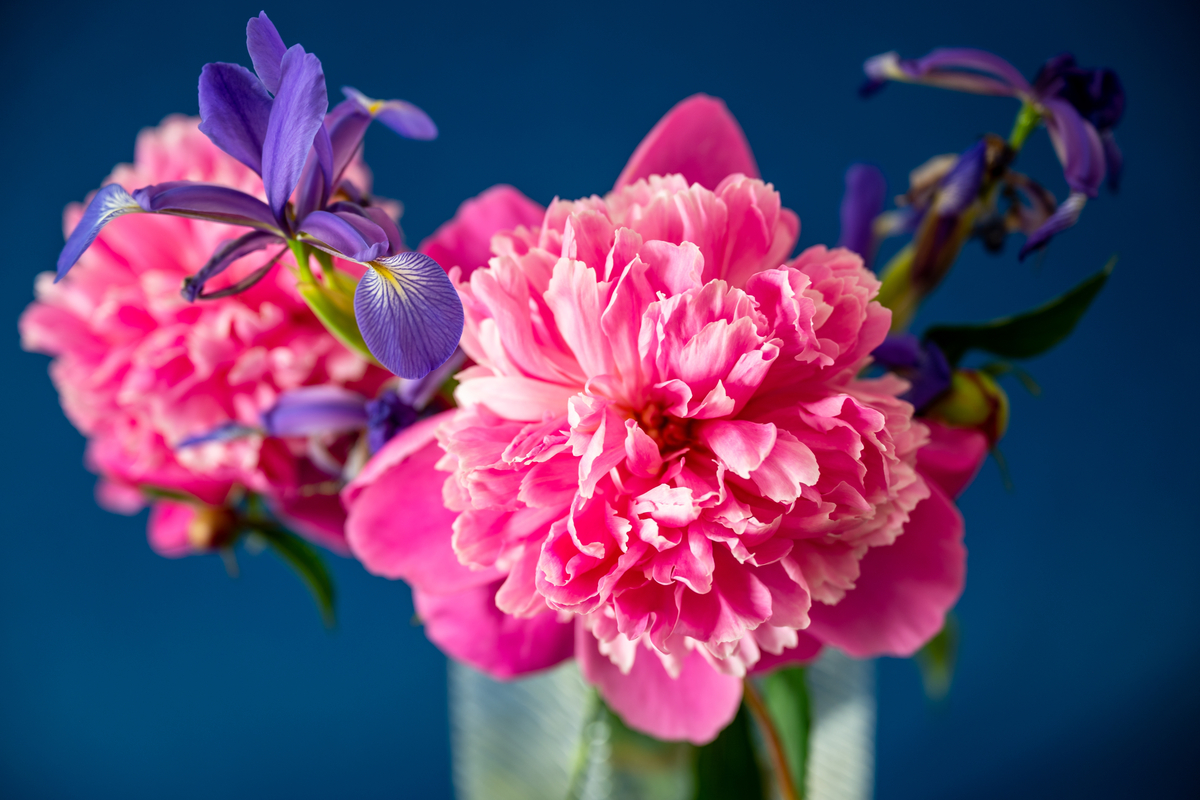
Daylily, Poppy, Peony and Phlox heirloom gardens also make great companion lilies.
We hope our post-bloom iris care tips will give you beautiful, giant iris blooms for many years to come!