
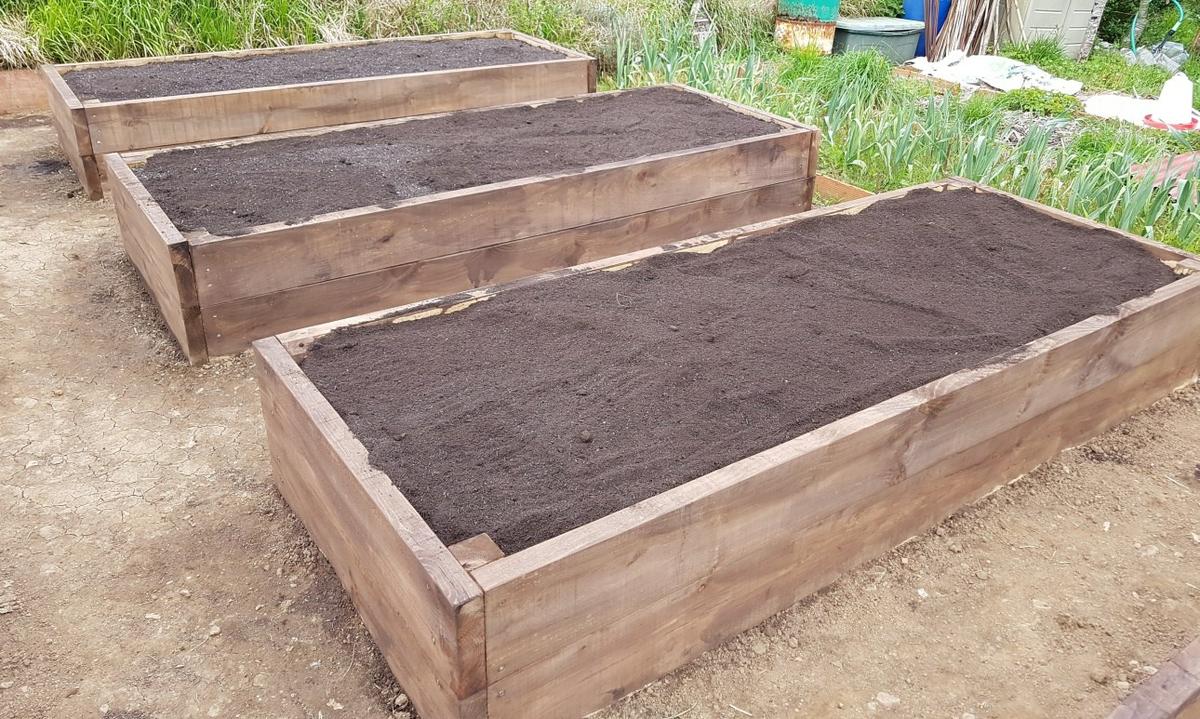
Terraces are human inventions that raise walls or slopes and are widely used for agricultural work. They are part of a square space or land distribution with the purpose of improving crop quality. Historically, its greatest use was between the 17th and 18th centuries, probably due to the population growth of this period, which forced people to cultivate as much land as possible. Today there are many people who want to learn how to fill a bed.
For this reason we are going to dedicate this article to tell you what are the main steps to learn how to fill a terrace and what are its characteristics and advantages.
What is a terrace
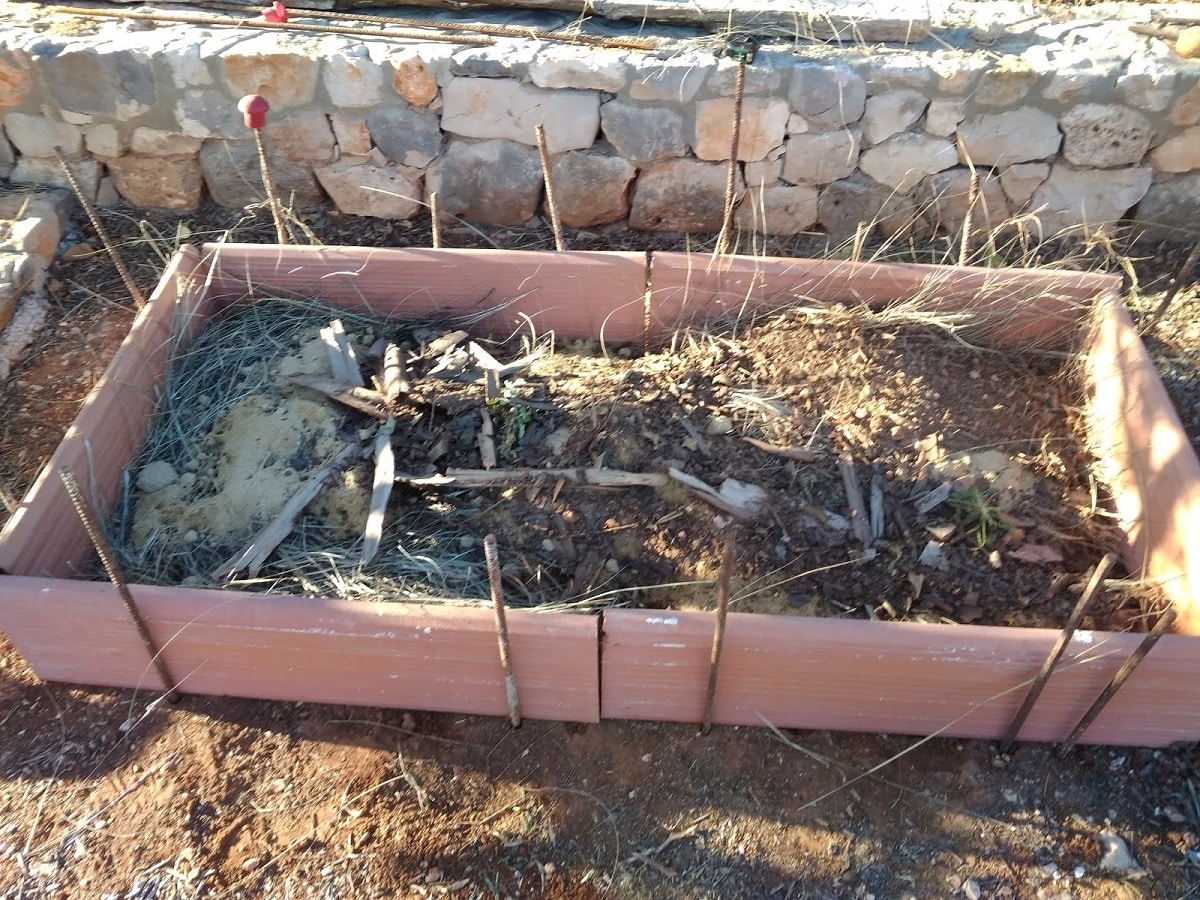
In southern Spain they are called parata. The raised wall or embankment is called ribazo or balate. But they are also often referred to worldwide as flower beds, raised gardens or raised beds.
The terraces are exclusive spaces arranged horizontally in sloping fields and are very useful in gardens to obtain high yields since they are well-ventilated soils where the roots can grow freely, better capturing the necessary nutrients and water from irrigation. Inside a garden that can never be walked on because they are clearly demarcated to separate them from corridors or passageways.
As per usual, are raised with fill above the level of the upper corridor. The best bed should have at least a height or an estimated minimum height of about 20 cm and a width of about 1.20 m. If they stick more to the ground, they may not keep weeds out. Therefore, a good bed can neither be too low nor too wide.
In this way better control over the crop is obtained. This feature is the most important and there is a reason for it, as it keeps weeds and weeds away, while preventing pests and diseases.
How to fill a bed
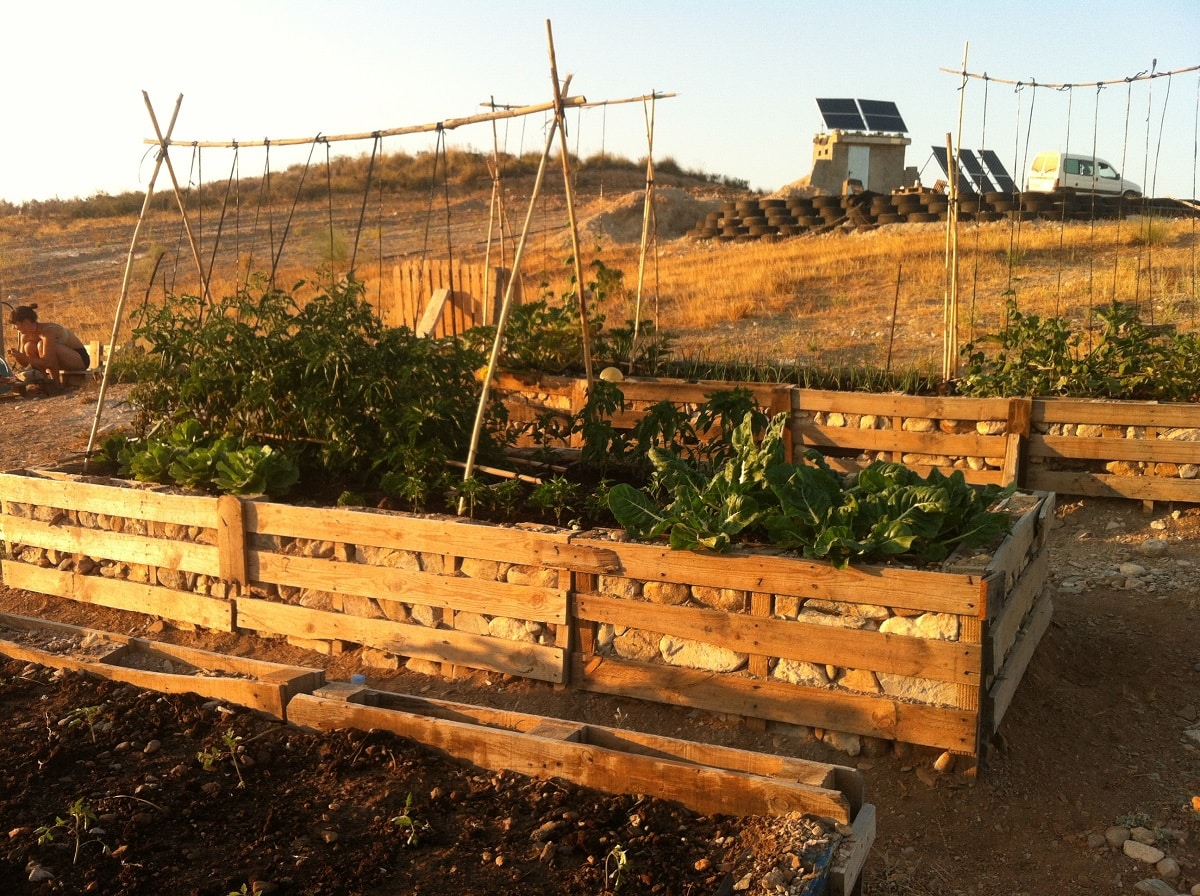
Calculate how much land you need. Use a tape measure to measure your garden. You will need the length, width and depth of your garden. Enter these measurements into the online soil volume calculator. Remember that you will be mixing the soil with compost. So the number you get from the calculator is the volume of compost mixed with soil. If possible, collect native soil from your garden. The best soil to use is soil native to your area. If you are using soil in your garden, simply scoop the desired amount into a bucket or wheelbarrow and move it around.
On the other hand, if you can’t use native soil, buy a nutrient-dense mix. If you don’t have easy access to soil, you can buy topsoil or an artificial mix from a garden store. If you mix store-bought soil with soil from your garden, make sure they are of a similar consistency. Uneven ground can cause drainage problems.
Make your own compost or buy one. You can make your own compost from decomposed organic materials in a container. If you don’t need compost or need to supplement your existing compost, buy compost from a garden store.
Read the bag or ask store staff about composting materials. The best compost will be made from plant matter, food scraps and manure. Use a 1:1 mix of soil and compost. Your goal should be to get an even mix of compost and soil. Accurately measure the soil and compost before pouring it into the garden, or simply measure the amount with the naked eye. Don’t worry about having precise measurements. After pouring the soil and compost into the garden, mix well by hand or with garden tools like a plow.
Wear gloves if mixing by hand. Remove the stones from the mixture. when you see them, just remove them and place them elsewhere in the garden. Many large rocks can make it difficult for plants to grow. Fill the garden to the top or near the edge. How high you fill your garden depends on your personal preferences and the plants you grow. If the plants are growing straight like tomatoes, keep the soil level with the top of the garden. In this way, the blooming of the flowers will be more prominent.
Steps to learn how to fill a terrace with another method
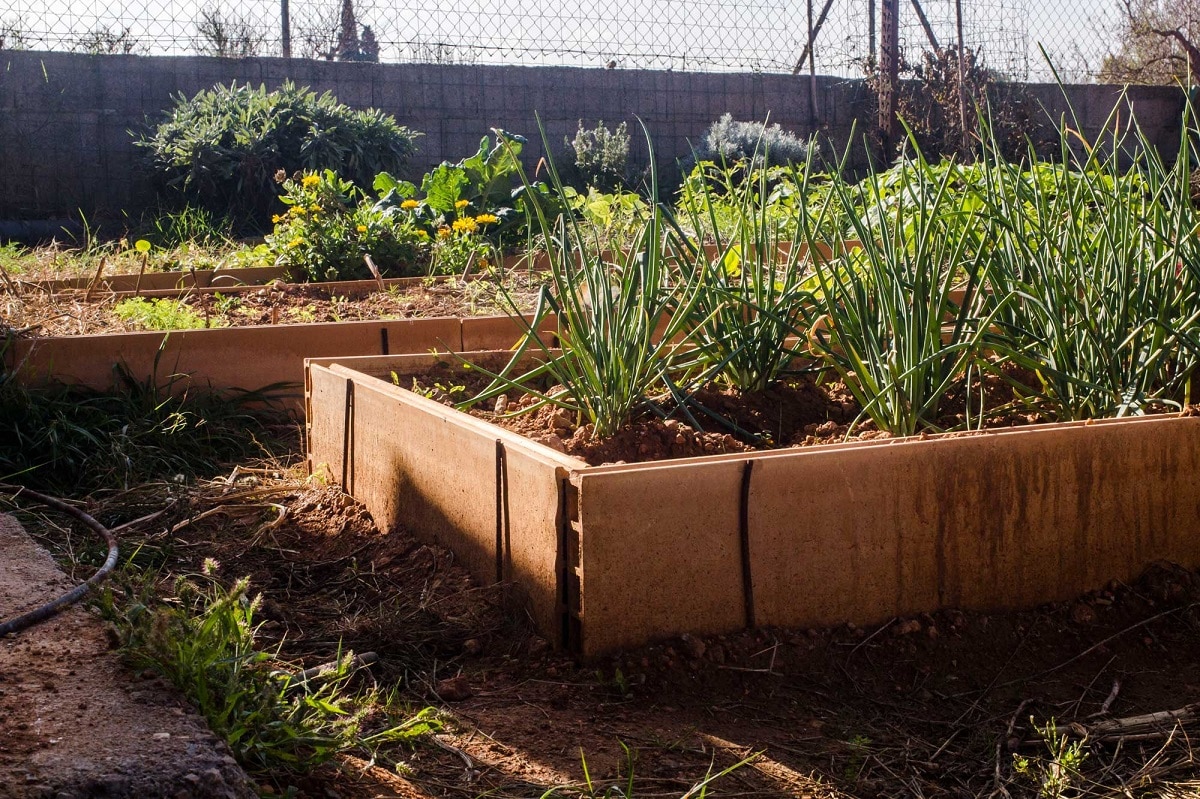
Gather organic materials that can be composted, such as grass clippings and leaves. Lasagna gardening uses a bottom layer of compost and a top layer of soil. During composting, many gardeners seem to mix 2 parts leaves and 1 part mowing and grass. If you have a garden, use the leaves and grass clippings you picked up when mowing the lawn.
If you don’t have grass clippings and leaves handy, ask someone at your local garden store for alternatives. Put compost at the bottom of the bed. Spread the compost material evenly over the bottom of the bed. Fill the bed halfway with this material. If you are using several different compost materials, mix them together by hand.
Spread a layer of cardboard or newspaper on top of the compost. This will separate the compost from the soil. If you use newspaper, put 2 or 3 layers. If you are using cardboard, one layer will suffice. Make sure the layer of cardboard or newspaper extends to the edge of the compost. Find soil to put in the compost. Ideally, you should use native garden soil. If you need a substitute, go to your local garden store for topsoil or soil substitutes.
Remove all stones from the ground. Run your hands through the soil to make sure nothing is hindering the plant’s growth. If you see rocks, simply place them elsewhere in the garden. Fill the bed to the top or near the top. Place the soil directly on a layer of cardboard or newspaper. If you grow something that grows straight like tomatoes, you can keep the ground level with the upper edge of the vegetable garden. If you plant flowers, leave a space between the edge of the soil and the edge of the garden. This will ensure that the flowers appear more prominent than the stems.
I hope that with this information you can learn more about how to fill a terrace and its characteristics.