
If you purchase an item through links on this page, we may earn a commission. Our editorial content is not influenced by commissions. Read full disclosure.
Winter is a great time of year for many reasons, but if you’re into gardening and the great outdoors, you might be hit with the winter blues when the cold weather hits. This is where making a winter nature journal can help.
Although winter sometimes seems cold and lifeless, there is still a lot going on. Plus, now is the perfect time to start planning for the next growing season.
A winter nature journal is a great way to stay busy, plan ahead, and enjoy the beauty of winter.
Here’s how to make the most of winter with a nature journal.

Choosing a Winter Nature Journal

Similar to other journals, a winter nature journal is a way to capture changes in the landscape, record new species you encounter, and reflect on the changing world around you.
It’s also a great place to record your goals, dreams, and plans for the upcoming growing season.
The first step is to find the perfect journal for writing and drawing. You can find various options online or at a local store. Some journals have lines to guide you if you are good at writing, or you can choose one with large blank pages of art paper if you prefer to draw.
Or you can find reviews that allow you to do both.
Some have prompts to guide you, and others are entirely blank so you can let your imagination run wild.
Choose a focus
Once you have your winter nature journal, there are several ways to figure out how to complete it.
Look for topics you don’t have time for or can only enjoy during the warmer months. Want to know more about the stars of winter? Add this to your list. Curious to know when different tree species shed their leaves? Add it too.

You can track the weather, when plants go dormant and reappear, how your horses behave, chickens moult, how much your livestock feed, how much milk your goats produce, notes on recipes you’ve done this year, and more.
Don’t forget to track the health of your indoor plants or indoor crops if you have them!
If you want to encourage local wildlife to visit your garden, you can track the progress of your efforts to attract them. Or maybe just note or draw the species that roam your area.
You can use a different journal for each topic or you can just jot everything down in one. There are no rules here.
Here are some details on how you can follow these different topics:
Observe the winter sky

In winter, you can learn about circumpolar stars and watch out for meteor showers. This great opportunity to practice night photography and draw from the night sky.
There’s no denying that winter is a fantastic time for skywatching in many parts of the country. Cold air makes stars and planets in the sky appear brighter.
The winter solstice occurs around December 21 or 22, depending on where you live. This is when the sun is at its lowest point in the sky, so you have plenty of dark hours to make your observations.
Record the phases of the moon and see where the sun rises and sets during the day.
Also, did you know that you can see several meteor showers during the winter? The Geminids, Ursids, and Quadrantis all occur during the winter months.
Drawing in the evening with a warm fire and a hot drink is the perfect way to spend a winter evening.
Monitor your indoor plants and indoor crops

Another way to keep a winter nature journal is to walk around your house and pick plants or flowers to draw. It’s a great option if the weather is freezing or you can’t get out to see much of nature.
Note how much water your houseplants use, whether they are flowering or not, if you see any pests or diseases, or just take the time to sketch how your plant will look in the soft light. winter.
Take notes on when you start the seeds and how long they take to germinate. It may also be helpful to note the amount of sun they receive and the temperature. This way you can adjust things next year if it seems your seeds aren’t doing as well.
Tracking these types of changes from year to year gives you valuable insights that you can learn from to improve your plants next year.
If all else fails, take produce and materials from your kitchen and put them together for a still life painting. This will allow you to practice your artistic skills and you can examine different fruits and vegetables with your children.
Outdoor Plant Studies
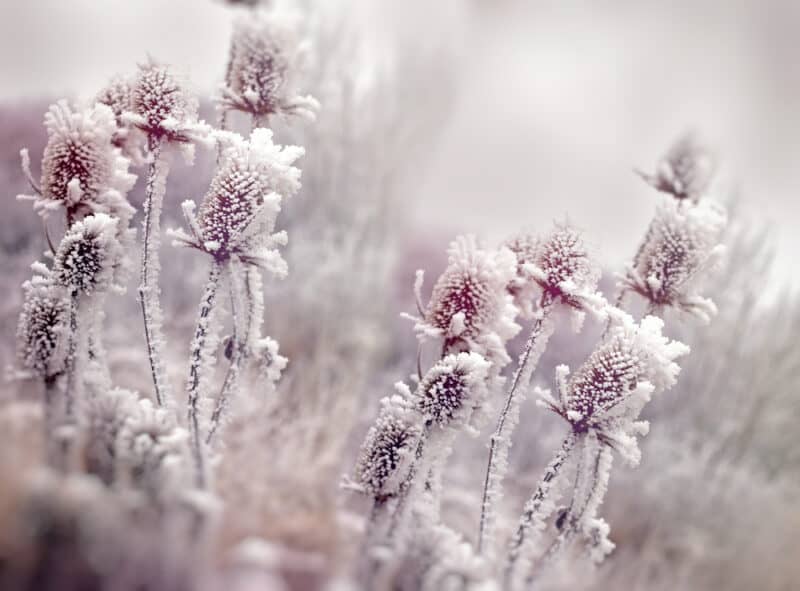
Many plants go dormant in the winter, but that doesn’t mean you can’t still watch how they grow and change. Winter is a good time to observe conifers and seeds.
Some of the hardiest winter plants are thistles, chicory and burdock. So if you’re having a good time when the weather is mild, you can go out and look at these plants for your journal.
You can also explore the different types of conifers. For example, you can compare the differences between pine, fir and spruce. It’s a handy distinction to make, and it can be easier in the winter when the cones are present.
Take a look at other plants that are changing and evolving right now. The camellias are just starting to bloom, the hellebores may be starting to bud, and your rhododendrons are probably getting ready to put on a show.
Drawing winter plants is particularly useful if you want to practice line drawing or charcoal drawings that are not color-focused. If you don’t want to draw the evergreens, you can dip a branch in paint and press it onto a page to make a stamp.
Record winter harvest

If you are planting winter crops, it can make all the difference if you keep track of their growth. Keep track of when you plant something and when you harvest it. Note if you have a cold snap and your winter kale looks worse.
Or keep track of temperatures and rainfall amounts to determine why your Swiss chard is so fantastic this year.
It’s also handy to note any maintenance you need to perform on the greenhouses or hoop structures and to observe how the sun changes throughout the year. A part of the garden which might have been in full sun during the summer might be completely in the shade during the winter.
Watch winter animals

As with plants, winter is when some animals hibernate, so you don’t see as many running around when temperatures drop. Wood frogs, turtles and other animals hibernate by burrowing deep in mud.
The most famous hibernating animal is the bear, but also bats, amphibians, chipmunks and some birds.
But other animals are active during the winter. Here are the animals you can expect to see during the cold season:
- Stag
- Foxes
- Mouse
- red/grey squirrels
- some birds
- Otters
- Beavers
- weasels
- Rabbits
- Hare
- Skunks
- raccoons
If you live near woods, parks, or forests, you have plenty of opportunities to view wildlife and add notes or drawings to your winter nature journal.
Observe the eating habits of animals and how they store food. Mice and squirrels like to store their food for the winter, so you might see them running around with nuts in their mouths. Write about observing a falcon hunt or a fox swooping in the snow for a meal.
You don’t need to find active animals, though. Look for trails and draw footprints in the snow or mud.
Or bring the wildlife to you. Place a bird feeder near a window. Keep a camera or phone with you so you can take a snapshot and refer to it as a reference image.
This allows you to observe bird detail long after they have fledged.
Pets also make great life models for drawing. If you have a consenting pet that will sit still for a while, you can give it a try and see if you can capture the personality of your dog, cat, or other animal friend!
Take a field trip
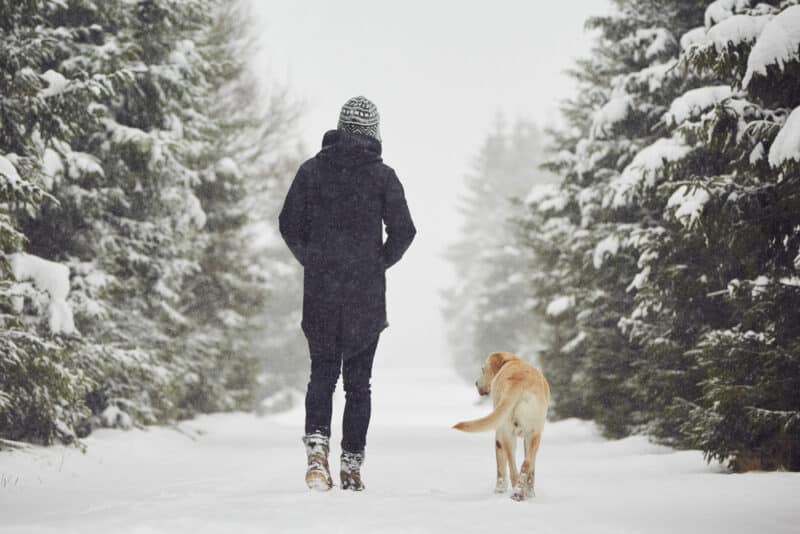
Even though the weather can be chilly in the winter, that shouldn’t stop you from taking an excursion and exploring new places to add to your nature journal. You can research local facilities that are open in the winter and offer a heated room for drawing and writing.
Here is a list of some of the most common places to visit at this time of year:
- Aquariums
- Natural History Museums
- Zoological parks
- Indoor art exhibitions
- Conservatories
Often you can also find family offers to bring your whole family. Or, if you need time, grab your sketchbook and head to a local museum.
Depending on where you live, you can also do a winter hike if the weather permits. You can take a backpack of blankets and food and make a fire to observe the surrounding environment.
This way, you can practice drawing and writing while watching nature go through its day.
A hand-drawn map is a great way to keep track of your discoveries!
Plan ahead

You don’t have to plan your year ahead, but why not? It’s such an effective way to get ahead of the gardening season, especially since there’s not much you can do when the ground is hard and frozen.
Plan when you intend to start indoor crops and when you will put things in the ground outdoors.
Go through seed catalogs and write down what you plan to buy, where you plan to plant it, and when.
You can also check previous reviews to see what worked last year and what didn’t. Next, write down how you intend to change things in the future.
Decorate your diary

The final tip for creating a great winter nature journal is to decorate it and make it unique. If you want journaling to become a permanent part of your year, you can create an index and include highlights from previous years.
This allows you to make comparisons and see what’s different from year to year. You can also number pages for efficiency, bind the book with tape, and add stickers to individual pages.
Or, if your journal is more of a record-and-track type, keep it clear. Remember that there are no rules. Except this one.
Was this article helpful?
Yes No ×
We appreciate your helpful feedback!
Your response will be used to improve our content. The more feedback you give us, the better our pages will be.
Facebook pinterest