Cassava (Manihot esculenta), also known as cassava, is one of the main staple foods in the world. Cassava is a starchy root vegetable similar to a long white sweet potato, but with a woody skin. In this article we will see how to propagate, grow yucca and its care.

The variety of yucca you plant is essential
There are several types of cassava, which fall into two categories: sweet and bitter. I recommend planting the sweet yucca, not because I think it tastes much sweeter (despite its name), but because it’s easier to cook and prepare.
How to Propagate Yucca
Yucca is one of the easiest plants to propagate. Prepare some soil, plant a cutting in the ground and wait 9-12 months until it is ready to harvest. Easy.
You should plant from stem cuttings and not from root pieces as you do with potatoes. You need cuttings from a mature yucca plant that has already produced a crop.

The time to take cuttings and start growing cassava is from spring to early summer. Cut branches about 10-15cm long, and plant them in small mounds at least 20cm apart or in individual pots.
For best results, remove the bottom leaves and leave the top ones, this helps promote faster root growth.
Water immediately to thoroughly wet the substrate and leave the cuttings in a bright place but shaded from the sun, this until you see new shoots of leaves or branches, try to keep the soil moist but not wet in all the time.
Transplant Yucca Cuttings
Once new leaves have started to sprout, it’s time to transplant them to their final location, this is a sign that the roots have started to grow.
Carefully remove the cuttings so as not to disturb the small roots that form, prepare the growing area by adding compost or organic fertilizer and plant them, try to do it in the afternoon or when the sun is not shining not directly on the spot.
Keep in mind that yucca roots grow in long, wide clusters under the plant, so give them plenty of room and don’t overcrowd them. A good rule of thumb is to leave at least 1 meter between each plant.
Ideal conditions for growing yucca
solar light
Yucca plants need full sun and prefer warm, non-temperate climates.
the type of soil
Cassava is excellent because it is very abundant. This tuber grows in virtually any type of soil, as long as it receives enough water and sunlight.
Since you’ll probably prefer roots to leaves, make sure the soil is soft enough (preferably clay) for the roots to stretch easily and grow well and long.
water and climate
Cassava needs eight months of hot/warm weather to grow, and it does not grow well in cold or temperate areas.
Provide your plants with a good amount of water until they “establish themselves” and have strong roots. It is best to plant cassava during the rainy season, so that it gets between 6 and 8 weeks of regular rain.
If you prefer to grow yucca at another time of year, you will need to water it daily first.
Once the top of the plant (the leafy part) is about 12 inches tall, reduce watering.
When it has reached this size and is in soft, moist soil, it should get enough water through the roots without the need for additional watering from you.
Cassava is known worldwide as a drought resistant root vegetable. If you water it too much or it rains too much and it stays in soggy soil (due to poor drainage), the roots can rot and ruin your crop.
cassava care

Which fertilizer is the best?
Some of the major nutrients in cassava are magnesium and potassium. Plants extract these minerals from the soil, so make sure the fertilizer you use contains potassium and magnesium.
harmful
Scale insects, spider mites and whiteflies are among the most common pests that attack cassava plants. Another creature you should keep away from your yucca plants are ground termites.
Look for these types of pests on and under the leaves. You can use pesticides to kill insects, but don’t overdo it: mites and scale insects have natural predators: beetles, wasps and larger mites.
Aggressive use of pesticides can also kill these beneficial insects. Use pesticides when necessary, as a treatment, but let nature’s food chain be your prevention as much as possible.
It is best never to let these pests reach your orchard or field, planting healthy, unaffected cassava stems first.
associated planting
Companion planting is always a good idea, but especially when growing yucca: planting “friendly neighbors” can encourage predatory insects that will reduce or eliminate pests that may come after your yucca.
Some of cassava’s best companions are beans (soybeans, kidney beans, navy beans, and fava beans) and corn. Potatoes are poor companions for yucca, so don’t plant them together.
How to harvest cassava

How long does it take to grow?
Patience is essential in growing cassava; it can take 8 to 18 months to develop. Remember, you’re growing roots, so you won’t be able to see the fruits of your labor until you’ve harvested, so be patient. It will be worth it.
How do you know if it’s ready for harvest?
To determine if your yucca roots are ready to harvest, you have two options: you can time the planting time or look for fruit on the branches of the yucca plant.
If you go by the time count nine months from the time of planting, then dig around the yucca plant and look for one of the roots.
Cut it from the plant and inspect it; Does it have thick, woody skin and firm, white flesh? So use it.
If the roots are still very small, the skin is soft and the flesh is still not firm, give the plant another 4 weeks before re-examining it.
Another way to tell if cassava is ready to harvest is by the fruits. When the roots are ready, the plant will produce small green berries. The leaves usually start to turn yellow and wilt a bit at this time as well.
If you follow this method, you will probably have to harvest all the cassava at once, so that it does not stay in the ground too long.
If cassava is left in the ground for more than 18 months, the roots can dry out and become woody, losing their pleasant texture and flavor. It is best harvested when it is ready, between 9 and 18 months.
Eating cassava
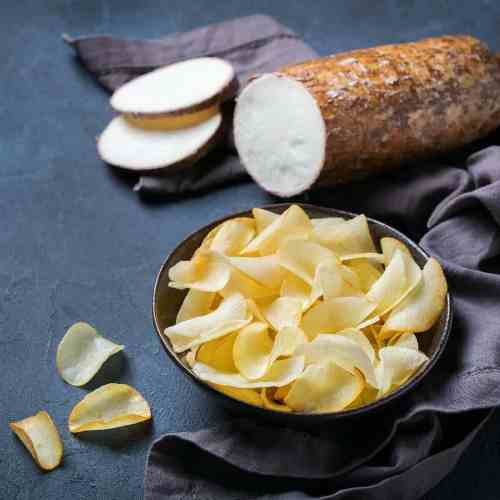
Do not eat raw cassava, neither the leaves nor the roots. Some trace elements are toxic to humans. Cassava should be baked, baked, boiled or fried before eating.
Cassava roots are known as “tubers”, which many readers probably associate with the term. However, there are several ways to benefit from this nutritious plant.
Cassava leaves are packed with protein, just be sure to boil or steam them for 7 minutes or more to flush out toxins before eating.
Root vegetables are great substitutes for potatoes; try roasted yuca the next time you barbecue or cut up pieces to make homemade yuca chips.
Share it on the networks: