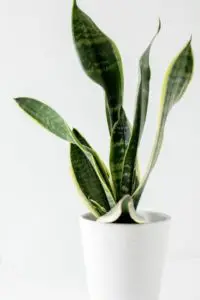
You may have heard of this plant as mother-in-law’s tongue. It is also known as Sansevieria trifasciata. Whatever name you know him, you will surely recognize him, because he is very popular inside and outside the house.
It is an excellent plant to have potted on balconies as it takes up no more space than the size of the pot. Another good point is that snake plants do not drop dead leaves or flowers.
Snake plants are low maintenance and require little more than wiping down the long leaves to prevent dust buildup.
Before we look at snake plant and root rot, let’s look at how to plant a snake plant and what conditions it likes.
How to Plant a Snake Plant
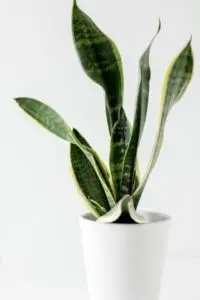 Snake plants are slow growers, so if the pot you bring them home in is intact and the roots are not coming out of the holes in the bottom, you may be able to leave the plant in the pot until you start to see roots. . the bottom holes. They really don’t need to be transplanted that often.
If you plan to transplant your snake plant, be sure to choose a slightly larger pot. Make sure there are drainage holes. You should use regular potting soil for houseplants or cacti.
With a large snake plant, you might want to make sure it’s in a heavy pot so it doesn’t topple over.
What conditions does the snake plant like?
Being native to West Africa and similar regions, snake plant does best in warmer climates. If the plant is exposed to cold temperatures, the cell walls can be damaged and the plant can die from lack of moisture.
Ideally, the best temperatures for a snake plant are in areas where daytime temperatures are between 60 and 80 degrees F and nighttime temperatures are between 55 and 70 degrees F.
Let’s talk about root rot.
One of the most common snake problems is root rot, and many plants simply don’t survive because of it.
Root rot is caused by overwatering, especially during the winter months when most plants need less water. Due to lack of oxygen, the roots die or become infected with a soil fungus.
Moist, soggy soil promotes the growth and multiplication of bacteria. This spreads to the root system and infects the plant. Healthy roots become limp and brown because they cannot absorb the essential nutrients they need to grow.
One of the challenges with root rot is that it’s all happening below the surface of the soil, so we usually can’t see it or notice it until it’s too late to do anything about it. .
Drainage is so important to plants that in a pot without holes, root rot can literally kill the entire plant in ten days.
What are the signs that your snake plant has root rot?
The first visible sign of root rot is the leaves.
Classic signs of root rot:
- The leaves turn brown
- The leaves become soft
- The leaves are starting to fall
More unusual signs of root rot:
- Soft, dark spots near the base of the stem. By the time you notice them, the roots are probably already rotting.
- wilted leaves. These can be caused by too much or too little water. It can also be caused by low humidity. If you notice wilted leaves, check for root rot first.
- The leaves are turning yellow. This can be due to under or over watering, but if the leaves are limp, it’s likely due to over watering or poor drainage.
After further investigation, you should inspect the roots for signs of root rot.
Gently lift the plant from the ground and inspect the roots.
black soft roots
Because fungi thrive in moist soil, root rot will cause the roots of snake plants to turn black and limp.
Although regular carrots can be black or dark brown in color, they are not mushy or mushy, but rather firm to the touch.
The roots disappear.
Another sign of root rot is when the roots separate easily from the leaves when you handle them. The roots should be firmly attached to the top of a healthy plant. They are removed only if the plant suffers from root rot.
You may also like: 4 tips for caring for a snake plant in winter
What causes root rot on your snake plant?
excess water
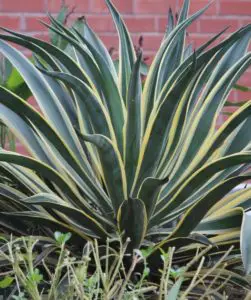 The most common cause of root rot in snakes is simply overwatering. We all know that water keeps plants alive, but too much of a good thing can harm them, as in the case of snake plants.
Too much water leads to root rot as the soil around the roots becomes saturated. Water accumulates and the outer root layer also becomes saturated.
Because there can be so much water in the soil and around the roots, plants have a hard time taking up oxygen from the roots.
If there is not enough oxygen in the soil, the roots of the snake plant will turn black.
poor drainage
If the pot you put your snake plant in doesn’t have holes in the bottom, the water will pool and go nowhere. The soil will become soggy and the health of the plant will suffer.
It is important that you use a pot that is deep enough for the snake plant to grow properly.
potting mix
Even if your pot has holes and the drainage is good, the soil will still hold water unless it is of the type that allows for drainage.
Good quality compost will keep your plant healthy while draining excess water.
pot size
Large pots can have a negative effect on snake plants, as large pots can allow excess water to remain in the soil, causing root rot.
The roots of the snake plant may be too small to reach all parts of the pot and water will eventually collect in the soil.
too low temperatures
Oddly enough, placing your snake plant in a very cold environment can cause root rot because the roots can freeze. When this happens, they are unable to absorb oxygen, which means nutrients are lost.
Watering at rest
Like many other plants, the snake plant has a time when it becomes dormant and does not grow. Overwatering at this time can lead to standing water in the pot and, soon after, root rot on the plant.
If you like this article, check out our article on How tall can a snake plant get?
How to save your snake plant from root rot
Whether you can save your snake plant depends on the extent of root rot. You don’t know how much damage there is when you’ve pulled the plant out of the ground and inspected it.
- Carefully pull the plant out of the ground and look closely at the roots.
- Remove any roots where you can see an infection. You may need to untangle them to spot the bad ones.
- Make sure there are no contaminated areas left.
- Treat with a fungicide solution.
- Replant in a new pot of the correct size for the plant.
- Make sure the hole in the bottom will let the water through. It’s a good idea to place a porous material over the hole to prevent debris from clogging it. Coffee filter paper is good for this.
- Use fresh potting soil and repot your plant.
Alternative methods to save the roots.
If you wish, you can try natural methods to save your snake plant. Keep in mind that for these to work they must be applied at the first sign of root rot.
Apply to the surface of the soil and the underside of your plant.
- wood ash and chalk, mix them in equal parts and apply to the roots.
- Potassium permanganate. You want to thin it out until it’s a very light pink color and then soak the base of the plant well. It is important to use plenty of water so as not to burn the plant.
- Copper sulphate paste and chalk. Use a mixture of 3 TBS of powdered chalk, 1 TBS of copper sulphate and 0.5 liters of water. Mix to a creamy paste and apply to the infected root system.
As with traditional methods, you should also replace the potting soil with fresh and use a new pot to avoid re-infection.
Can we save our snake plants from root rot?
Fortunately, the answer is that you can save your snake plant from root rot if you catch it early enough.
You must remove rotten roots completely to give the plant a chance to recover.
After processing, you need to move the plant to a new location. You should also stop watering!
Since too much light can also harm your plant, choose a location with low to medium light, near a window, so excess water can dry out the plant’s leaves.
Do not water the plant until the leaves are no longer fluffy and the soil is dry.
Adjust the watering schedule. A healthy snake plant may only need water once a week, depending on temperatures. During the winter months, it only needs to be watered once a month.
It’s all about drainage
Even if you accidentally overwater your snake plant, if the potting soil has good drainage and the pot has a hole (or more than one) in the base, your snake plant will adapt as it grows. the water is flowing.
However, if you constantly overwater and there is no drainage in the soil or in the pot, your snake plant is likely to develop root rot and die.
final thoughts
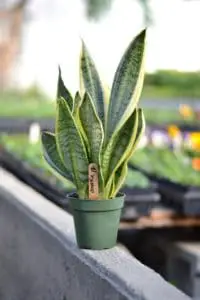 Snakes are not finicky plants and do not require much maintenance to function well.
What they need is dry, well-drained soil in a pot with holes. They don’t need to be watered every day like other potted plants, so it’s worth noting on your kitchen calendar when they need to be watered.
If you managed to save your snake plant from root rot, be sure to repot it with fresh soil and a clean pot. If you must cut the roots, be sure to use sterilized scissors and wash them well after use.
With a little planning and less watering, there’s no reason your garden, home or patio shouldn’t have these beautiful plants everywhere.
If you liked this article, check out our article on Why doesn’t your snake plant have roots?