
If you purchase an item through links on this page, we may earn a commission. Our editorial content is not influenced by commissions. Read full disclosure.
Growing food is hard enough without creepy intruders wreaking havoc. Slugs, snails, beetle larvae and cutworms are just a few species that can wipe out our plants. Many of the methods we use to control insects can damage soil and harm beneficial insects. This is where a mustard pour can come in handy.
A mustard pour is a natural way to help you deal with pest problems without harming the environment.
Plot ? Here’s how to make a mustard work for you:
How does a mustard pour work?
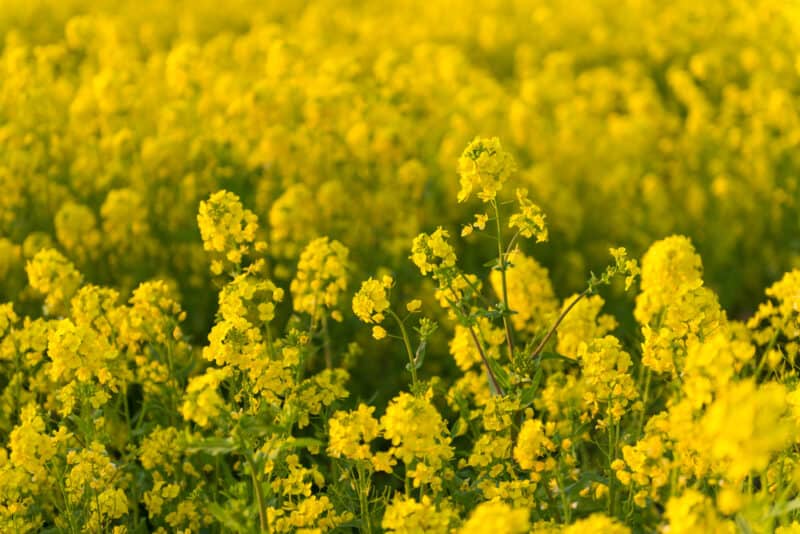
If you’ve ever eaten a bite of mustard, you know it tastes hot. This is due to a pungent compound called sinigrin. It’s also present in horseradish and wasabi, and it’s what causes our sinuses to sink in our knees.
This burning effect is also a skin irritant, especially for sensitive skin. This includes soft-bodied insects such as slugs, larvae, etc. aforementioned. When you drench the ground with mustard, the effect is truly a “ouch ouch ouch!” situation. followed by them trying to get away from the unpleasant burning sensation.
Once the mobs have crawled to the surface, you can get rid of them.
Unlike commercial pesticides, mustard does not accumulate in the soil. It will simply make the area temporarily unattractive to unwanted insects and will dissipate with regular rains.
*Note: be sure to keep mustard away from pets. Sinigrin is toxic to dogs, cats and other mammals. A little prepared mustard can cause real harm to your pets if ingested, just like in its powdered form.
Can you use any mustard for this?

If you look at that flamboyant yellow bottle of French in the fridge for that, it’s a no. You will need ground mustard powder for this to work.
You can find it in the spice section of your local grocery store. Otherwise, check out bulk food stores in your area. They will have enough for you to deal with large swaths of land as needed. You can also find it online at places like Amazon.
Although any dry mustard powder will work, hotter varieties are more effective. Look for Asian varieties, as they are hotter and more potent than European ones. Save the gritty Maille dijon for your sandwiches.
Reports
The amount of mustard (and water) you need will depend on the size of the area to be treated. As a general rule, use one gallon of water for every square foot (square foot) of land. Then use 1/3 cup mustard powder for every gallon.
It is important to note that mustard powder can have irritating effects. This means it can burn your eyes or skin on contact, seriously damaging your lungs if inhaled. As such, be sure to use protective gear when working with it.
How to use your mustard
Start by determining which insects are damaging your garden or lawn. For example, if there are light, damaged spots on your lawn, make sure pets aren’t the cause.
Once this potential factor has been eliminated, raise the turf to see what is happening below. If you find any invasive flea beetle larvae or jumping worms, you’re good to go.

Put on a mask, gloves and goggles. Next, fill a gallon bucket with water and gently stir in that third cup of mustard powder.
Once it’s well combined, take your bucket to the area you want to treat and pour half of the bucket’s contents into the soil. Be sure to move the stream well for maximum coverage.
Then grab a book or pull weeds nearby for about half an hour. Beetle larvae, jumping worms and similar insects will crawl to the surface to escape the burning sensation.
Keep a bucket of soapy water nearby and simply dip them in as they appear. They will drown, and then you can dispose of them as you see fit.
Whether the critters come to the surface or not, repeat the process with the rest of your mustard pour.
If you have a large area to treat, create a square foot grid with twine and stakes. Then, move around the grid systematically to make sure you’ve covered everything evenly.
Monitor the area

After making your first pour of mustard and getting rid of unwanted caterpillars, keep an eye on your garden or lawn. You should see a marked improvement immediately, as these intruders will try to get as far away from the mustard area as possible.
If you don’t see a noticeable improvement, or if torrential rain occurs within 72 hours of your first installment, repeat the process.
Widen the area of effect in case the creepies have been hiding in the outskirts and coming out at night. Simply repeat the steps above and let the mustard work its magic.
Additionally, you can sprinkle dried mustard powder on the surface of the soil for extra protection. Slugs and snails will avoid moving there, and many other insects will also be repelled by it.
Be sure to reapply after rain and be extra careful when gardening. If you touch mustard-treated soil and then touch your eyes or face, you could be in for a world of pain.
Foliar spray

In addition to using a mustard poured into the soil, you can also use it as a foliar spray. This can help eliminate aphids, spider mites, caterpillars, etc.
If you plan to use it as a foliar spray, dilute it a little more. Aim for about a quarter cup of mustard powder in a gallon of water. Then add a tablespoon of liquid soap (like castile soap or biodegradable dish soap) and two tablespoons of apple cider vinegar.
Mix it all together, then spray it on your plants first thing in the morning or last in the evening.
Pour raw mustard
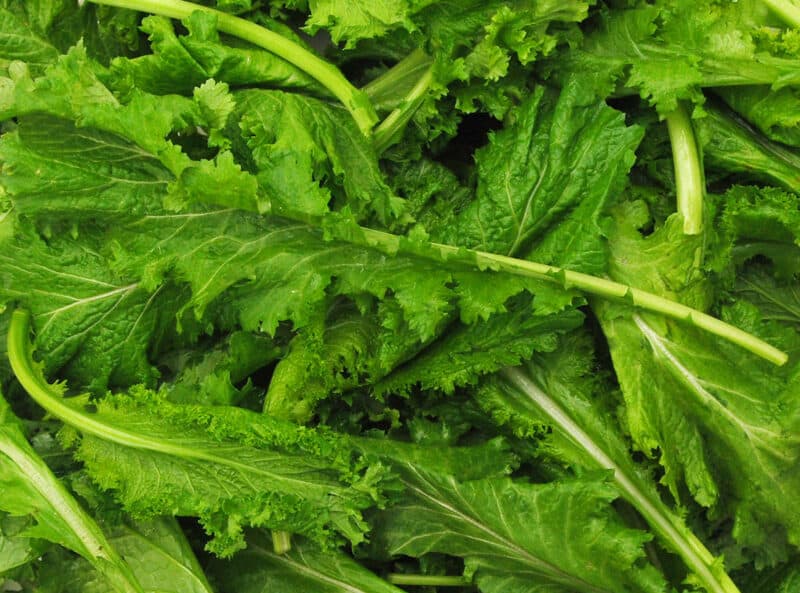
If you can’t find dry mustard powder, you can use raw mustard plants in a pinch.
these Brassicaceae members of the family also contain sinigrin in their leaves and stems, although in lower concentrations than their seeds.
You can either puree these aerial parts in water and use them as a soak, or run them through a juicer and dilute them a bit. This type of mustard will not be as effective as the old formula, but can be a useful temporary deterrent if needed.
You may be surprised at how effective a mustard pour can be in removing unwanted garden pests. This is my favorite way to get rid of flea beetle larvae from lawns and control cutworms in my corn and amaranth plots. Since mustard does not accumulate in the soil and cause no damage to surrounding plants, it is a winning method for general pest control.
Even better, if there is leftover mustard powder, you can prepare it as a tasty condiment for your favorite sandwich. Isn’t the versatility of home ownership fun? !
Was this article helpful?
Yes No ×
We appreciate your helpful feedback!
Your response will be used to improve our content. The more feedback you give us, the better our pages will be.
Facebook pinterest