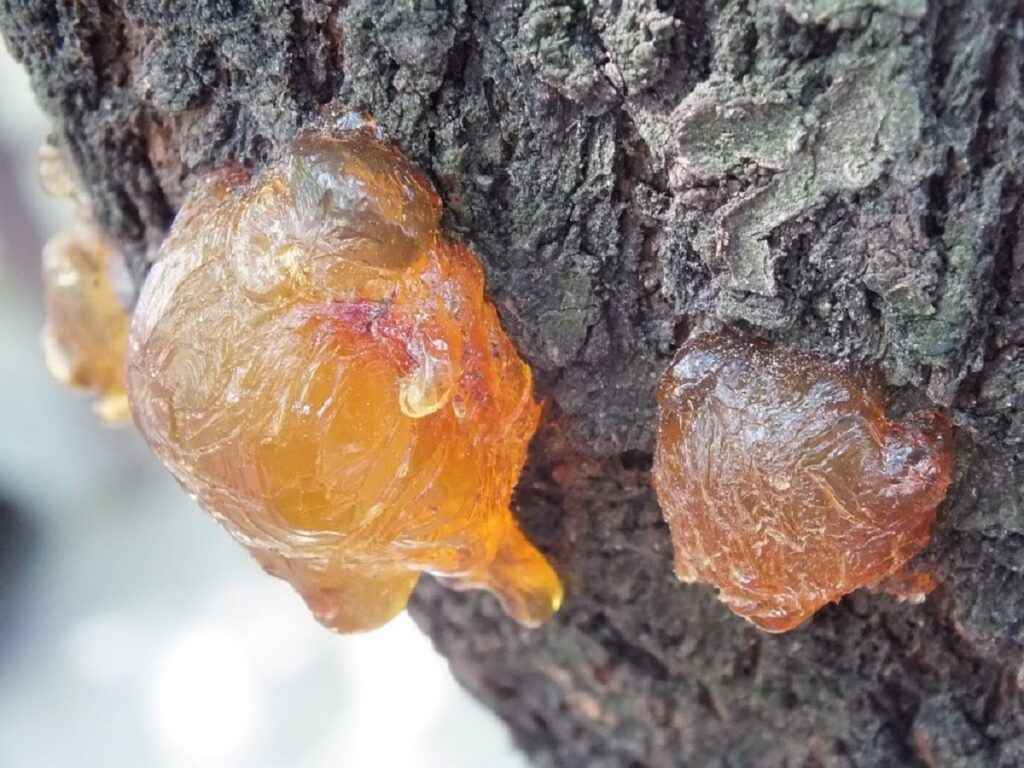
Gummy disease is one of the diseases that terrifies any gardener or horticulturist who grows trees. It is one of the worst conditions our trees can suffer from, but fortunately it is not always fatal and there are ways to combat and overcome it. There is a home treatment for gummosis. Many people wonder how to use the gummosis vinegar.
Therefore, in this article we will tell you how to use vinegar for gummosis, how to detect this disease and some treatments.
gummosis disease
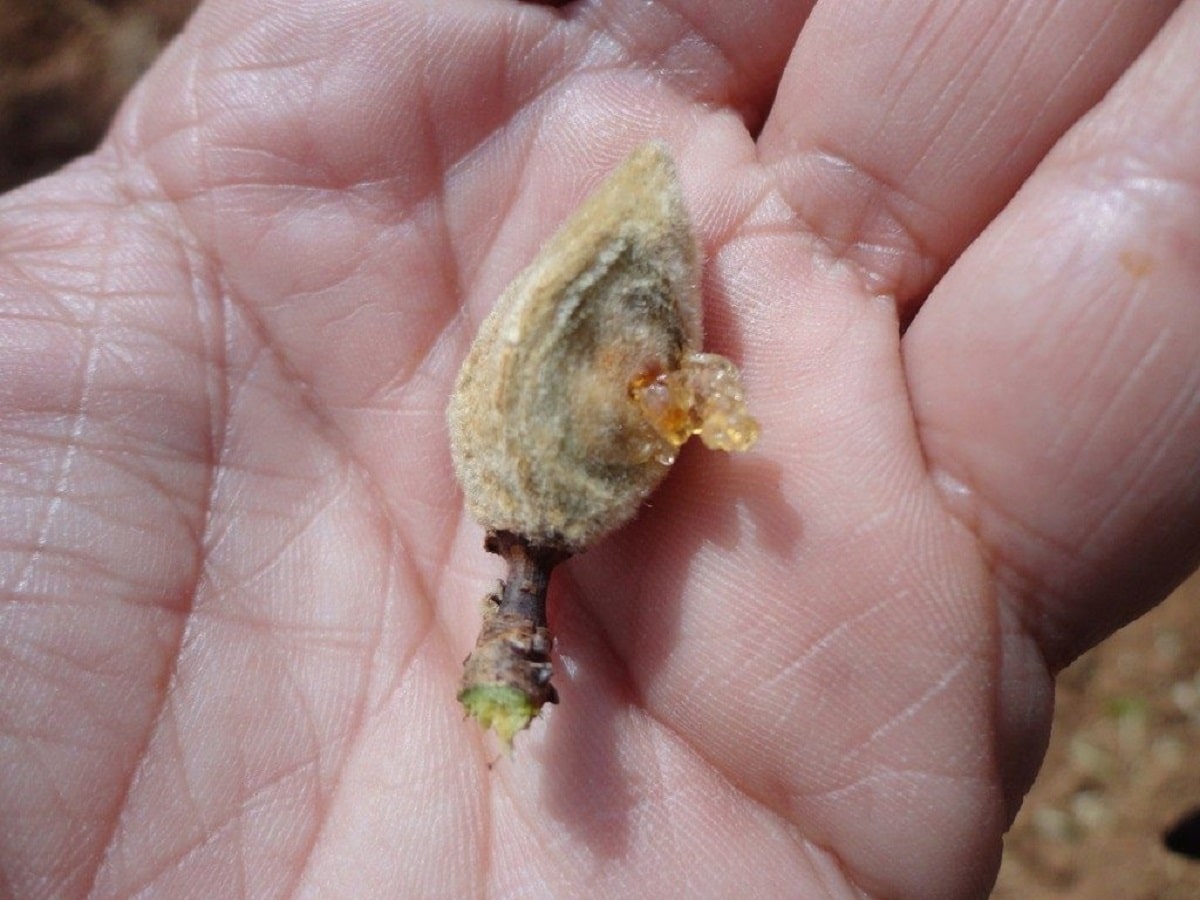
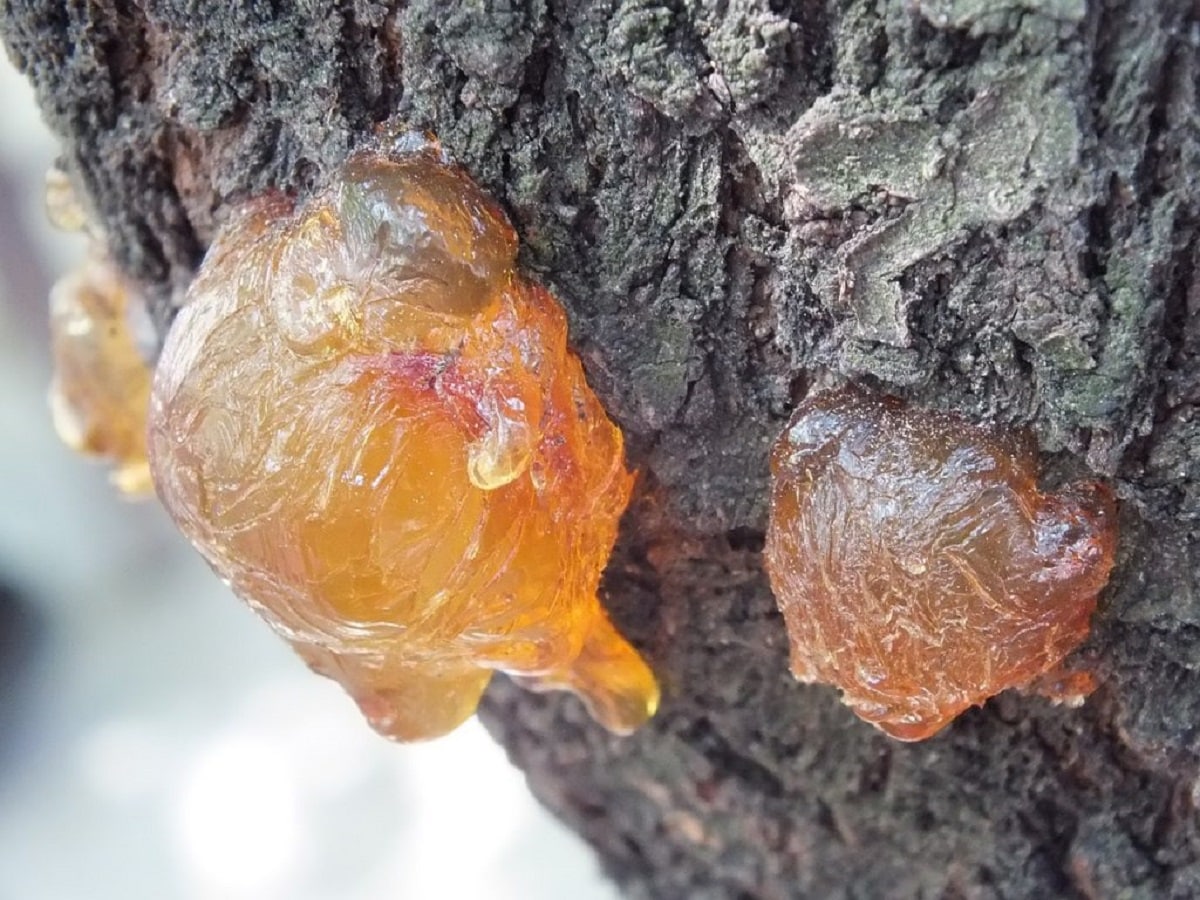
Gummosis boils down to the fact that the tree produces a gelatinous, amber-colored exudate that can come directly from the bark or from certain wounds in the bark. The rubbery material is soft at first, but eventually dries out and hardens from the elements. Gum flow prevents normal sap flow and can cause different parts of the plant to dry out. Additionally, trees with gummosis produce very small, undeveloped fruits that eventually drop prematurely.
The micelles are not always visible, it can be a tree that secretes them below ground level, so in these cases we will only appreciate the rest of the symptoms: spoiled fruit and wilting of certain parts. It is a particularly problematic condition on fruit trees, where it can cause heavy losses in orchards such as citrus.
Causes of disease
There are many reasons why a tree gets fat, because after all it is an emergency measure of the tree to protect itself, sacrificing parts and nutrients. To give an easy-to-understand example, gummosis is to trees what fever is to us: not a disease, but the symptom of a struggle against a disease. The main reasons include:
- One of the most common is root choking due to overwatering. When plants are overwatered or the soil doesn’t drain well, moisture can build up and prevent the roots from taking up the oxygen the plants need. This is especially dangerous in summer, when the plants are more stressed and need more oxygen.
- Also can be caused by a fungal infection, either due to excessive humidity or pruning with unsterilized tools. For things like this, be sure to sanitize our gardening tools before and after use.
- Ultimately, some borers can also cause gummosissince they damage the tree at the same time as they bite it.
How to use vinegar for gummosis
If your tree is already showing symptoms of disease, there are steps you can take to try to cure it. Depending on the source of the problem, follow these tips for treating gum disease in trees:
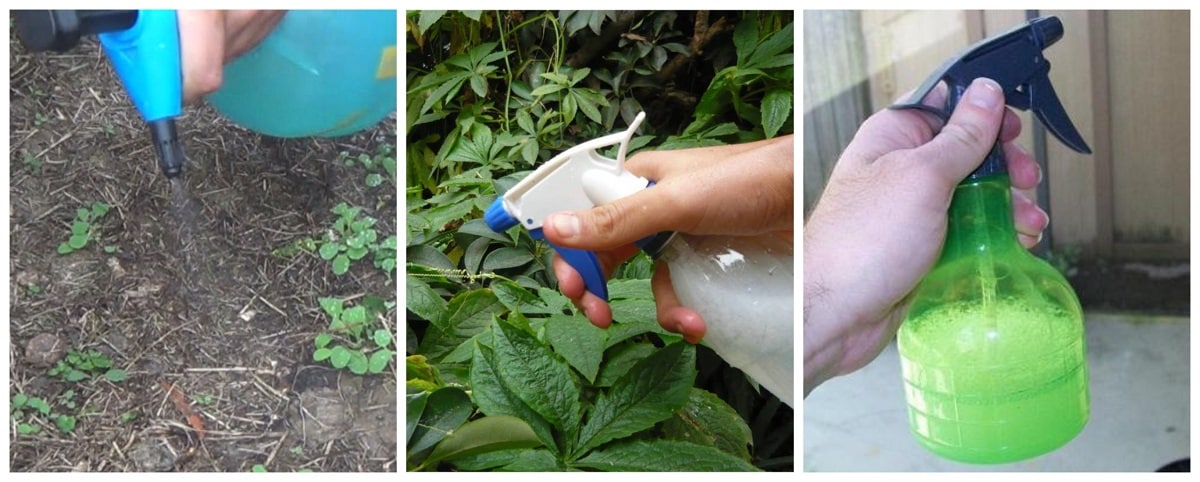
Use a knife or similar tool, sanitize it and carefully remove any gummy or hardened areas of dark sap. Then apply a healing ointment to the affected area and repeat the same process every two weeks until the shaft stops producing jelly-like discharge and the symptoms cease. In this case, vinegar can be used as a home remedy to treat gummosis. Instead of applying healing ointment, we apply vinegar to the infected area.
If the problem is a fungal attack, it will be necessary to use a fungicide, and in the same way as an insecticide or an insecticide if the attack comes from a borer insect. In the latter case, you should be able to see the small holes after removing the gel-like substance. If you must use fungicides on your trees, we recommend using natural fungicides.
How to avoid gummosis

Without a doubt, the best approach is prevention rather than cure. Taking the appropriate measures will prevent us from panicking for our plants and will prevent the loss of some of them. Also keep in mind that gummosis can also affect woody shrubs, not just trees. Anyway, here are the steps to prevent gummosis:
- Do not water more than necessary. Especially in the summer, suffocation is more likely to occur. Water a little more often than watering the whole field every X days.
- Make sure it flows well. If your soil takes more than 15 minutes to absorb water after watering, you have a drainage problem. It removes soil, adds organic matter and even gives the soil the right composition. Unfortunately, this is not an easy problem to solve, but many plants need well-drained soil.
- Always disinfect your tools. Pruning with unsterilized tools can spread the problem to any plants you use later. Do not save on disinfectant.
- Apply a healer after pruning. In this way, a possible infection through the open wound can be avoided.
- Ultimately, Pay what is needed, no more, no less. If you overdo it, the high amounts of nitrogen in the soil can attract pests to your crops.
Benefits of Vinegar for Gummosis
Vinegar, whether it is wine vinegar, cider vinegar or white vinegar, has several properties that make it a great ally in protecting plants and preventing gummosis:
- Antibacterial and antiseptic: It is a type of disinfectant product. To its high efficiency is added its low acquisition cost, making it accessible to all consumers. Kills bacteria and microorganisms such as fungi that are harmful to plant health. It is an element widely used to treat infections and fungus. Vinegar is extremely effective on surfaces and plants, household soil and the human body.
- Soil pH regulator and anti-limestone: Due to its acidity, it helps to regulate the pH of the soil, as well as the skin and the digestive system when taken. It also helps break down excess lime that accumulates in irrigation water and soil.
- Insecticide: Its powerful aroma repels many animals, especially insects.
As you can see, one of the most dreaded diseases can be cured through the use of vinegar, which can also be used for prevention. I hope with this information you can learn more about using vinegar for gummosis.