
01

Without a doubt, one of the favorite fruits in summer is the melon. These big sweet balls with lots of water are a real delight, eaten as they are or combined with other foods. It is therefore not surprising that these fruits are one of the most popular crops during the hottest time of the year. However, we need to knowr what melon diseases can appear to detect and fight them in time.
If you like this fruit and want to grow it yourself, it is worth taking a look at this article. We will talk about melon diseases, pests that can affect them and other alterations which may be related to poor care or environmental alterations.
What diseases does the melon have?
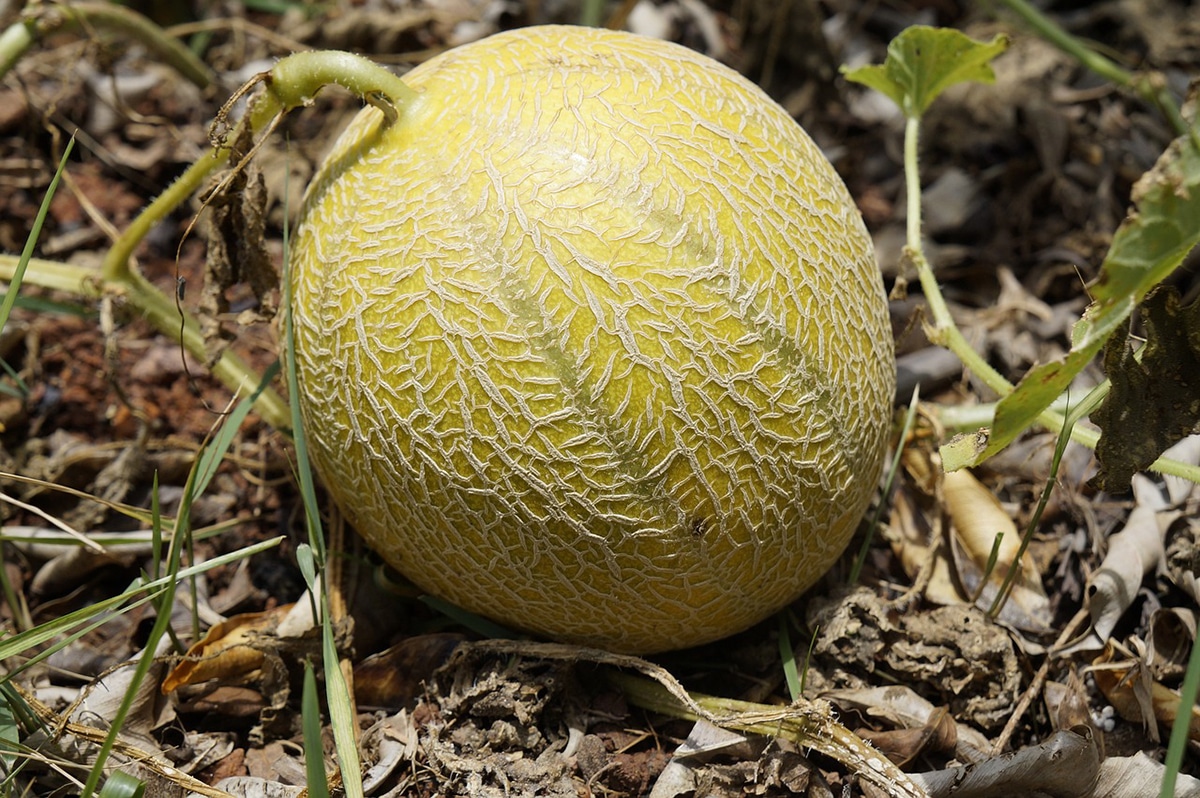
Let’s start by talking about what interests us the most: melon diseases. It should be noted that they may have different causative agents. On the one hand, it could be a type of fungus, on the other hand, it could be a virus that affects the plant. Let’s first look at the fungal diseases that commonly affect melon crops:
- Mildew and Oidium: These two fungi normally affect the upper part of the leaves. As a result, white or yellow spots appear that cause the leaves to dry out. If not treated in time, the plant may eventually die. To combat this fungal disease, it is best to use horsetail manure, dairy fungicide or nettle manure. Additionally, we can apply copper and sulfur.
- Gummy stem canker: The fungus responsible for this disease gains access to the plant through any wound it may have. The visible symptoms of this pathology are the appearance of a light brown lesion on the stems, covered with black dots which are the fungal reproductive organs, and the gummy exudates that appear on the edges of said lesion, although they are not not always present. Also, green spots on the leaves usually appear and darken over time. When it comes to combating this fungal disease, we can apply treatment with copper sulphate or bet on natural fungicides, such as nettle purine, nasturtium infusion, horsetail purine or milk fungicide. It is best to spray every eight to ten days.

Related article:
Powdery mildew: home remedies
Of course the better prevent the appearance of fungus. But how do we do it? These pathogens thrive in warm, humid environments. For this reason, the location of the plant is important. In addition, excess water can be harmful to the plant, not only because of fungus, but also because of root rot. It is also highly recommended to provide good plant ventilation.
As for viral diseases, they can be distinguished by the appearance of yellow chlorotic lesions between the nerves found in the leaves. In this case, the nerves themselves look greener than normal until they rot. In addition, no matter how much we water the plant, its growth will be significantly reduced. In this case, the most advisable thing is to get rid of the affected plant to prevent the virus from spreading or that it drops its “seeds” to the ground, which could affect future harvests.
harmful
Now that we know about melon diseases, we must keep in mind that there are other life forms that can attack these plants, such as insects and parasites. let’s see what they are The most common pests of this crop:
- Red Spider: The red spider mite is very common in summer. It is difficult to see, but it causes small yellowish spots to appear on the leaves. In addition, it leaves a kind of silk that covers them. See file.
- Whitefly: Like the red spider, it appears when temperatures are high. We can easily identify them as whiteheads or by touching the plant and watching how they fly away. When there are one or two whiteflies, nothing happens, but when it becomes a plague, it is very harmful to the plant, because they extract the sap from it. As a result, the affected plant becomes ill and may even die. See file.
- Aphid: As a rule, aphids appear under the leaves and on the shoots. These tiny critters spread very quickly, especially in hot weather. For this reason, it is essential to act as soon as possible. See file.
- Thrips: These are tiny insects that sneak through the leaves. They cause spots on the underside of them. See file.
- the caterpillars: Since the caterpillars feed on leaves, shoots and small melons, holes will appear all over the plant. See file.
Other Melon Alterations
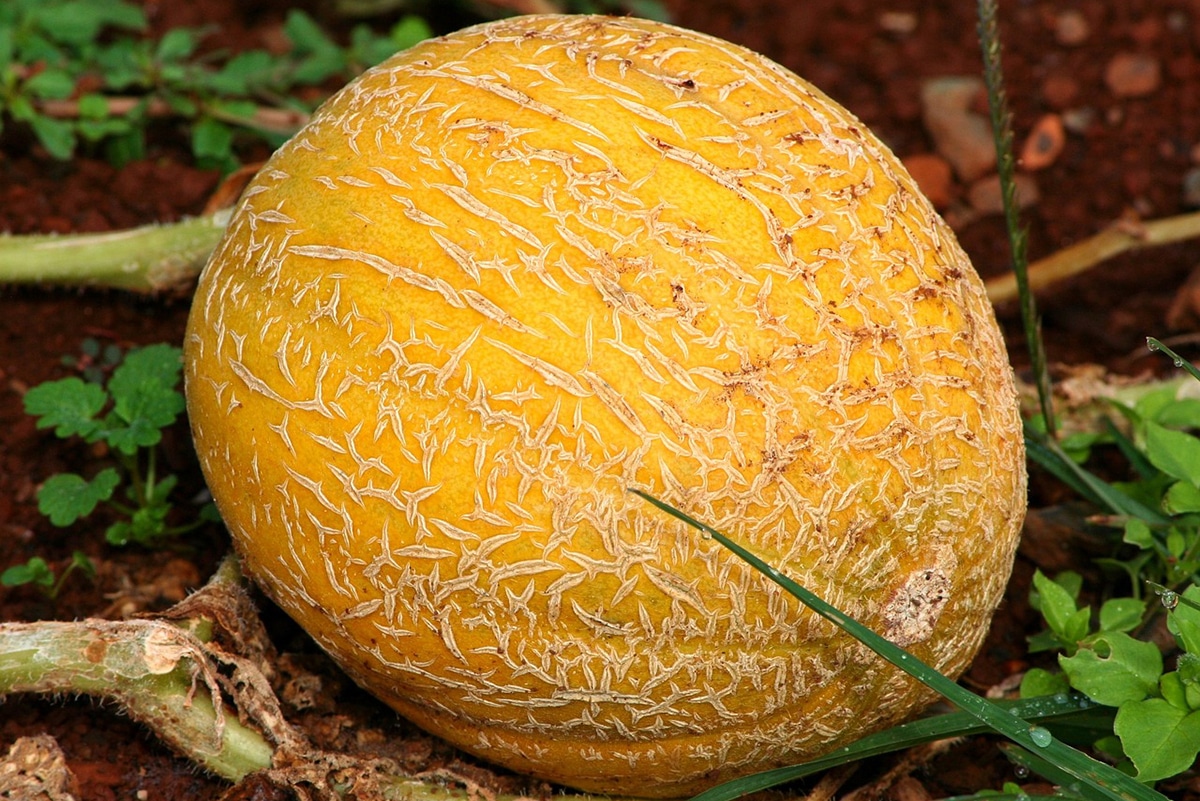
With regard to the cultivation of melons, certain alterations may appear that have nothing to do with diseases or pests. They are generally caused by certain negligence on our part which are generally related to the lack or excess of water, electricity or fertilizer. Let’s see the most common cases:
- Deformations: When deformities appear in melons, they can be caused by adverse weather conditions, too much or too little water, or poor pollination.
- sunburn : If the melons have been exposed to lots of sun and high temperatures, white spots may appear.
- Torn up: Longitudinal cracks sometimes appear in melons. This usually happens when there is excess water or sudden changes in ambient humidity. It is more common to occur when the ripening time is approaching.
- Tasks : On some occasions, brown spots may appear on yellow melons. This is usually due to very high humidity.
- Abortion: We speak of abortion when the fruits have not finished curdling. This can happen due to lack of nutrients, lack of water, or lack of pollination.
With all this information on melon diseases, the pests that can affect it and other alterations, we just have to take good care of our crop and be attentive to any signs. Remember that the earlier we detect the problem, the more likely it is that we can save the vegetable.