

The world of flowers seems endless. There are so many varieties of these beautiful plants that it is difficult to decide which one we like the most. Among so many different shapes, colors and aromas, it is normal that we lose count. Sometimes it can be really helpful to categorize vegetables into categories, like the one we’ll be talking about today: Plants with blue flowers.
If you are in love with this color and you don’t know which vegetables to choose to decorate your house or garden, or if you simply want to learn more, I recommend that you continue reading. In this article we will talk about various plants with blue flowers it will take your breath away to see how beautiful they are.
What plants have blue flowers?
It is very curious that there are flowers of so many different colors. What is this phenomenon due to? Let’s see: The reason we can see certain colors is that objects absorb and reflect certain wavelengths of visible light. In the case of blue flowers, these They absorb all of the red spectrum and reject the blue. this is what we see reflected on its exterior. It is actually quite rare for this color to appear in vegetables. In fact, only 10% of flowering plants have this characteristic.
But enough beating around the bush so much. Then we’ll talk a bit about some of the most popular blue flowering plants.
Hydrangea
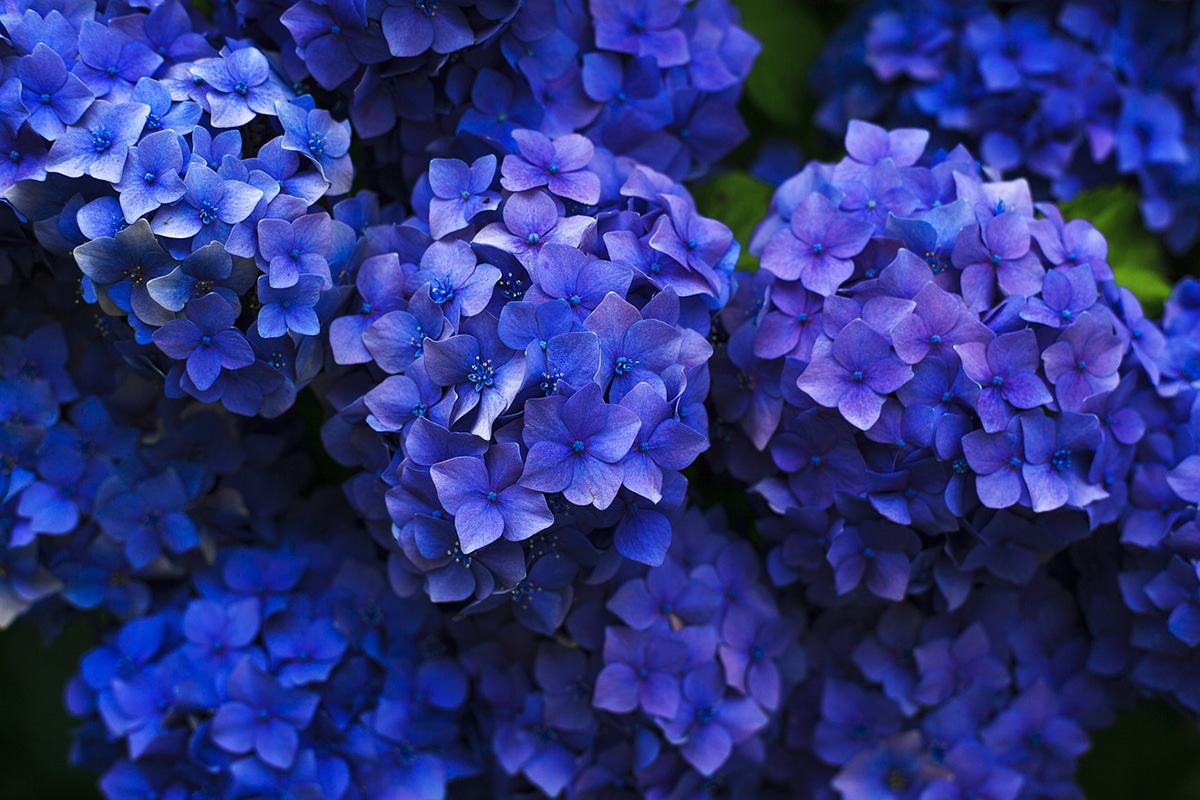
Let’s start by naming one of the most popular blue-flowering plants in gardens: hydrangeas. These vegetables have beautiful inflorescences, ideal for decorating gardens, terraces and homes. These flowers vary in color depending on the acidity of the soil, what becomes the pH. For them to be blue, the most recommended thing is that the pH does not exceed 7. In addition, it is extremely important to place them in a place where it is not too hot and where they receive shade.

Related article:
how to get blue hydrangeas
lobelia
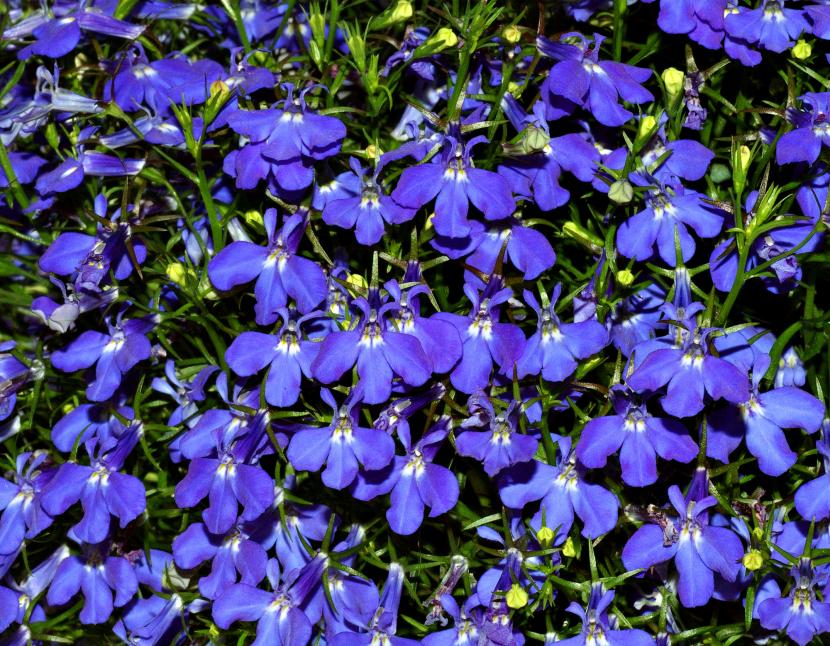
Let’s continue with the lobelia, a beautiful plant with blue flowers native to South Africa. In its natural state, this plant grows forming bushes, although It is possible to grow it in a pot. In general, the size of this plant is small, and it has a fairly long and abundant flowering. It begins to flower in spring and can maintain its flowering period until late autumn. Without a doubt, it is a very striking vegetable that will give our environment an unbeatable blue touch.
Related article:
How is a lobelia
grape hyacinths
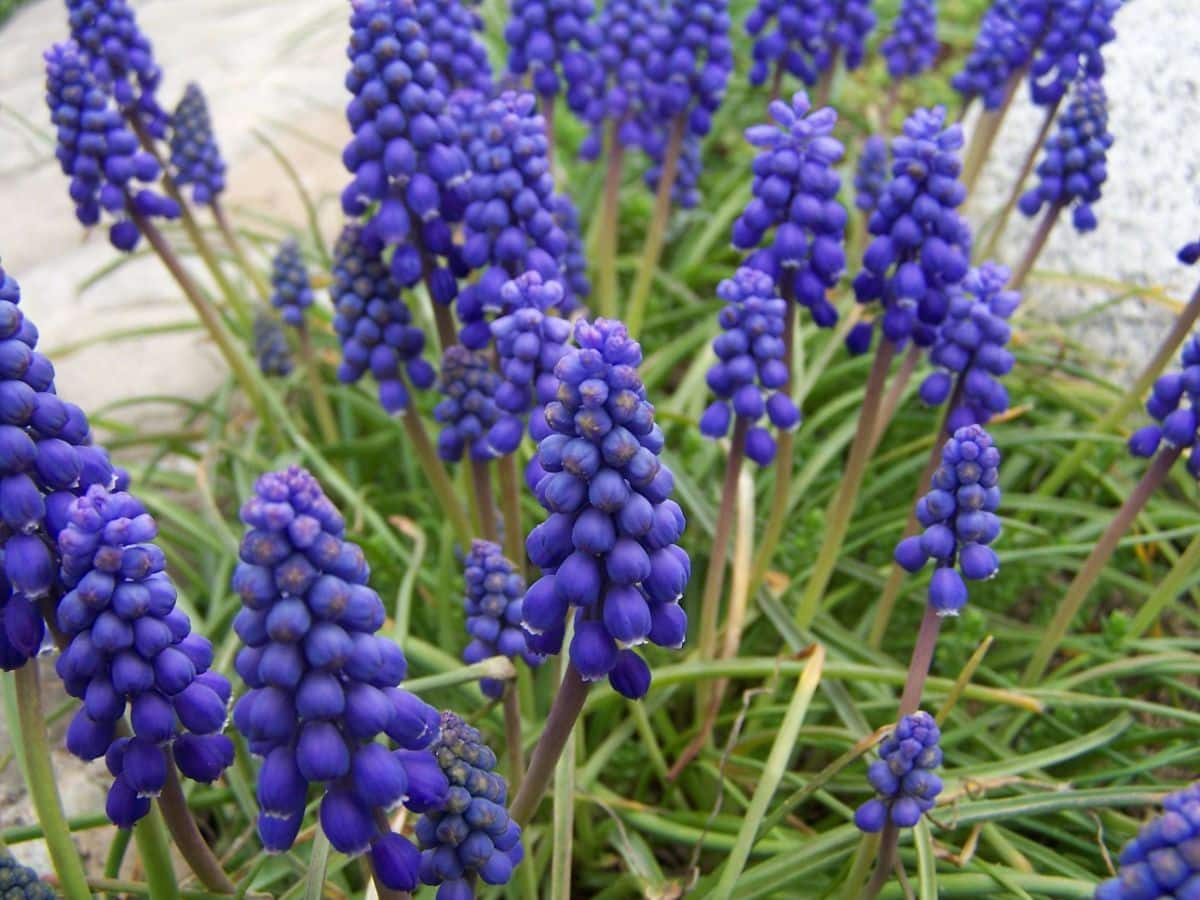
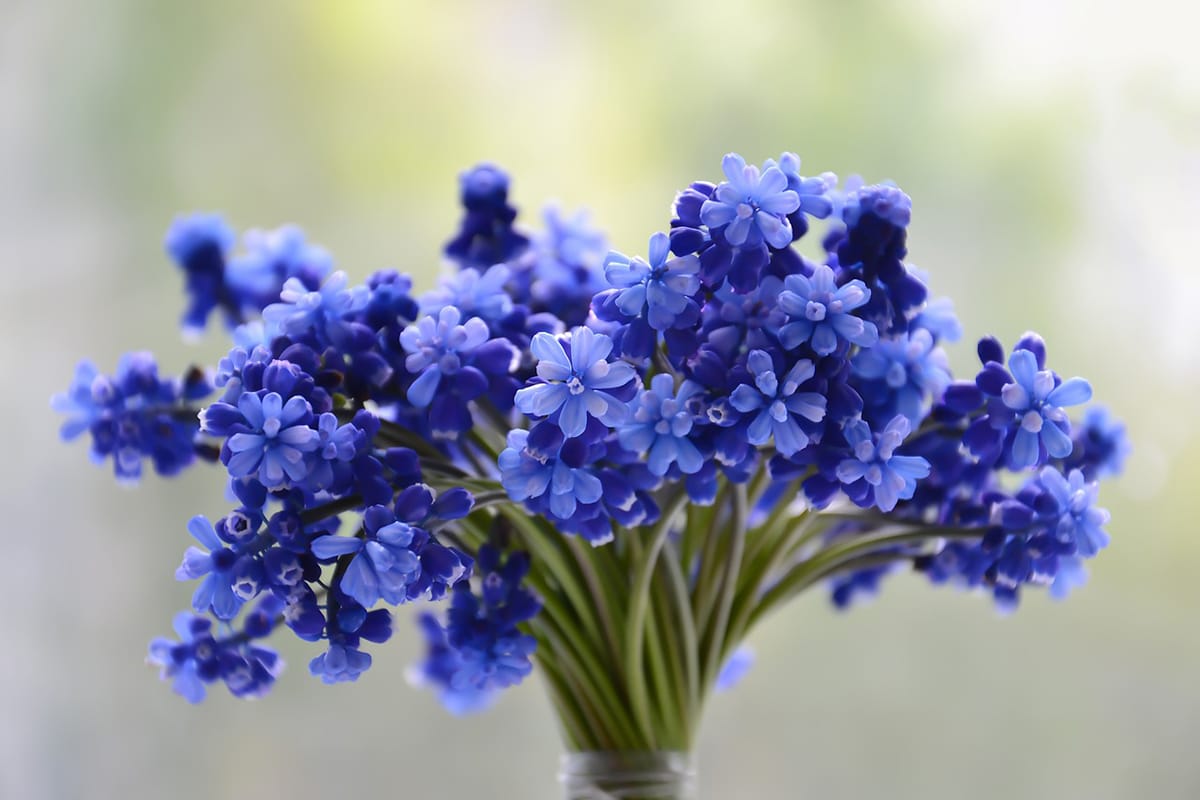
Another of the blue flowering plants is grape hyacinth. It is a bulbous plant that belongs to the scyloid family. It is basically a small herbaceous plant that reaches a maximum length of 25 centimeters. It should be noted that It can be grown in any type of soil. When planting this bulb, it is best done between late summer and early fall. Plus, it doesn’t require a lot of maintenance, making it an ideal plant for beginners or people who don’t have a lot of time to tend to vegetables. For little effort, she offers a truly spectacular bloom.
Related article:
Muscari armeniacum, the outdoor plant that will make you fall in love with its flowers
blueberry
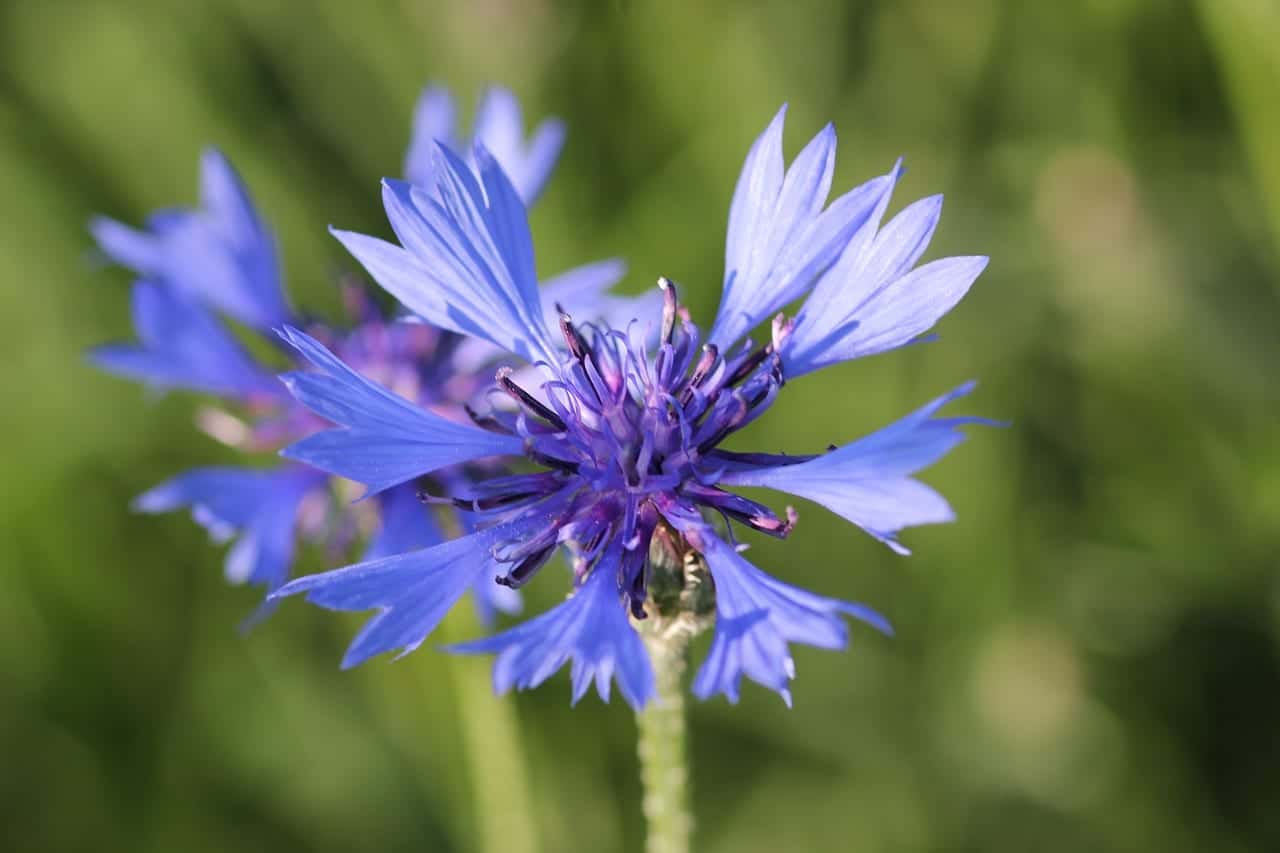
The blueberry, with the scientific name cyanus knapweed, is very appreciated for its beautiful shades that vary from pink to blue, even white. It is an annual plant also highly appreciated by various pollinating insects, like butterflies and bees. It can flower all year round and is native to central and southern Europe. For its cultivation, it is advisable to place it in rather sunny places.
Related article:
Cornflower, the most striking blue flower
Delphinium
Let’s continue with another of the most popular blue flowering plants: The DelphiniumAlso known as Delphinium. It is really a genus of rhizomatous herbaceous plants that can reach up to two meters in height. They are native to the high tropical mountains of Africa and the northern hemisphere. The flower of this vegetable is collected in a dense spike-shaped inflorescence. The flowering period of the delphinium is in the summer, specifically in the months of June and July. Blue flowers turn out to be so striking that it is very common for them to be part of centerpieces. Therefore, the ornamental value of these vegetables is very high. For cultivation, it is important that it receives direct sunlight and the soil is well drained.

Related article:
Larkspur (Delphinium)
germanic iris
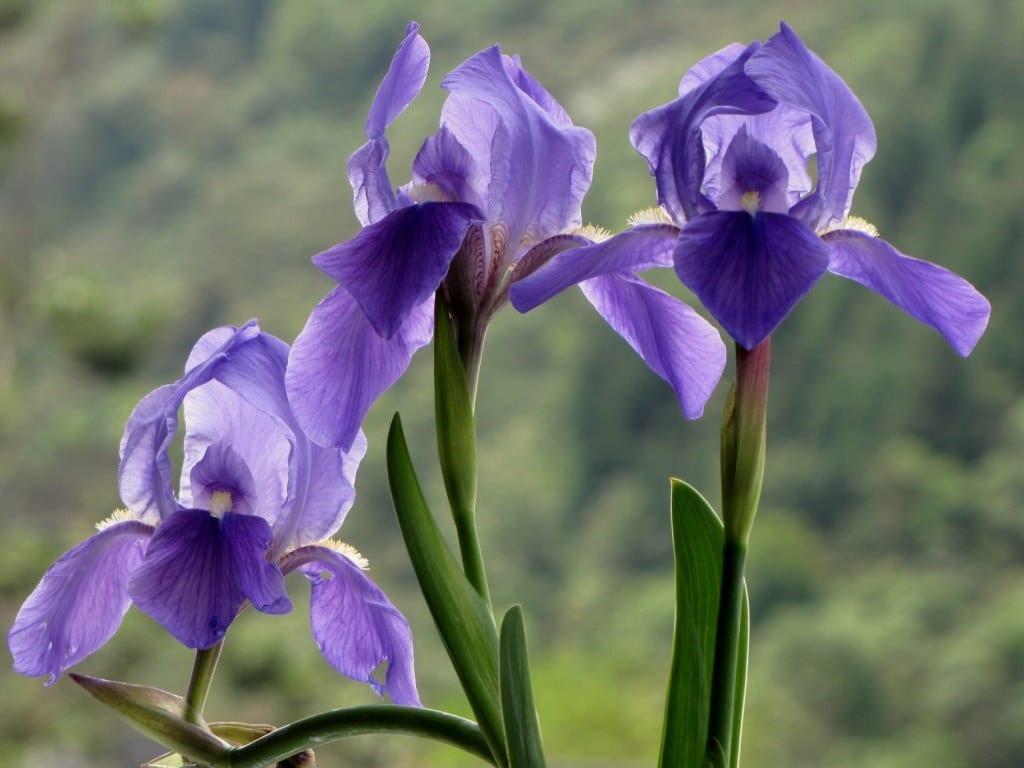
Finally, we must highlight the Germanic iris, also known as the blue lily. It is a herbaceous plant native to central Europe. Despite being so pretty, the care she requires is minimal. As long as we take into account that it needs rich, well-drained soil, neutral pH and partial shade, we already have its correct development almost assured. Its flowering season normally begins in spring and can extend until early fall. What more ?
Related article:
Iris germanica, the common garden lily
Why Choose Blue Flowering Plants?
When decorating our home or garden, the most important thing is to choose plants that we like. In case we are in love with the color blue, the plants with blue flowers that we talked about above will surely appeal to us a lot. But what does this color have that makes it so special? Well, it turns out that this beautiful color gives a feeling of space, which makes sense since the sea and the horizon/sky are blue. Besides, can symbolize different things depending on the cultural and social context. Here are some possible meanings associated with it:
- Serenity: Sky blue is generally associated with tranquility, peace and relaxation. It is believed that looking at the color blue can have a calming effect on the mind and body. Moreover, it represents sympathy and friendship.
- Security: When this color is darker, it is often associated with confidence, security and stability.
- Sadness and melancholy: In some cultures, the color blue can symbolize sadness and melancholy. Depending on the context, this can be linked to feelings of loneliness and depression.
What plants with blue flowers can transmit to us will depend above all on our state of mind, but what cannot be denied is that they are a real gift for the eyes.