
Do you have a corn plant (Dracaena) at home that has been difficult to keep alive? Are you worried that it is about to die because the leaves are turning brown and yellow or that the stem has lost all its leaves?
Perhaps the stem is rotting or the bark is peeling. It can be frustrating to see a plant you’ve cared for show signs of rot. But don’t worry; You are not alone.
In this article, I share my experience saving my corn plant from the same problems and give you practical tips to help you revive your plant.
We will discuss the most common causes of corn plant rot and learn how to prevent and treat root rot, stalk rot, etc. So let’s get started and save your corn plant together!
5 Causes of Corn Plant Dieback and How to Treat Them
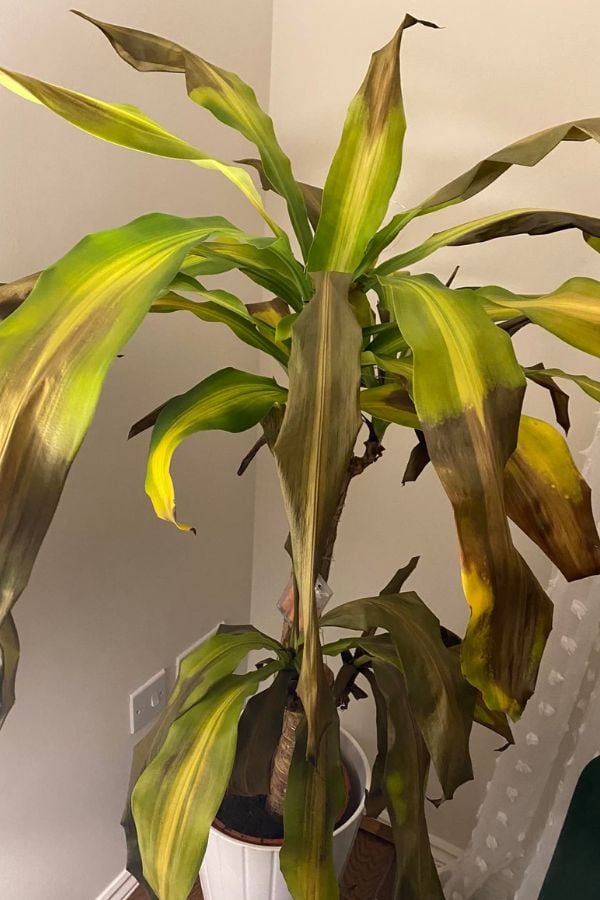 Your Corn (Dracaena) Plant Can Die Due to Improper Watering or Light Exposure, Crucial Factors for Plant Health
It can be intimidating to see the lush green leaves of your corn plant looking dull.
If those leaves look fleshy, withered, or discolored, it’s clear that something is wrong with the daily maintenance of your plants.
Here are five common reasons why your corn plant is having problems and what you can do about them:
1- Lack of sun
Our baby tropical corn plants need lots of sun to thrive. If you don’t get enough, you may notice your stems weakening, your leaves losing their shine and turning brown and yellow.
So be sure to give your plant the sun it needs. If you keep your corn plant indoors, give it at least 5 hours of direct sunlight per day.
A light spot near a curtain in a well-ventilated room can do wonders for your plant’s growth.
2- Does your corn plant struggle in a cold environment?
Oh dear corn plant, we can identify with your fight against the cold. Who doesn’t love a warm, cozy spot in the sun, right? Well, it turns out corn plants, being tropical creatures, don’t like the cold.
So if you notice any strange discoloration on the leaves of your corn plant, it might be time to check it out for shivering in a cold place.
He can get severe frostbite if left outside on a freezing day or near a window where cold air enters. And we all know what happens next: RIP corn plant.
But fear not, my fellow plant lovers; There is hope! During these winter months (November to March), keep the ambient temperature of your corn plant above 5°C.
And please, please pay attention to air conditioning (or heating). Corn plants don’t like extreme drought, so keep them away from nasty air conditioning winds that take their lives.
3- The pot is too small: your corn plant feels a bit cramped
Does your corn plant look thirsty no matter how much water you give it? Well, maybe it’s because it’s stuck in a little jar which makes it difficult to style.
If the roots are sticking out of the bottom of the pot, that’s a sure sign they’re feeling a little smothered. So what’s a plant parent to do? Reporting of course!
Don’t worry; transplanting your corn plant isn’t as scary as it sounds. Just follow these simple steps:
- Start by watering less so the soil is dry enough to work with.
- Carefully lift the corn plant out of its pot, being careful not to damage the roots.
- Pinch out about a third of the root ball to break it up and remove any old soil.
- Trim excess leaves to help your plant conserve energy.
- Place your corn plant in a larger pot with fresh soil and some potting stones for drainage.
- Give it a good week and let it enjoy its new space.
It’s best to transplant during the May to August growing season so your plant can get the most out of its new digs.
And please don’t move during the winter dormant season or your corn plant will wilt faster than your motivation to hit the gym.
4- Excessive watering causes root rot
If your plant’s leaves seem limp or have a strange smell coming from the soil, it could mean that the roots are rotting.
Corn plants like dry soil, so it’s best to water them only when the top layer of soil is dry. Overwatering can cause root rot and damage the plant.
If your plant has root rot, it cannot get the water and air it needs, and the leaves and roots will turn brown and die.
It is essential to treat root rot and save the plant before it is too late.
Here’s what you can do to treat root rot:
- Carefully remove the soil around the roots.
- Cut off any parts of the carrots that appear brown or soft.
- Trim some of the leaves and stems to match the size of the remaining healthy roots.
- Place the plant in cool, clean soil.
- Keep the plant out of direct sunlight and water it little by little.
- When new shoots sprout, move the plant to a sunny location.
If root rot occurs during the winter, when the plant is dormant, it is usually harder to fix. To avoid this, water your plant very carefully in winter and keep it dry.
Discover more tips for Save your dracaena from root rot in my other post
5- Identify and treat the diseases and pests that kill your corn plant
If your corn plant is not doing well despite proper care, it could be due to diseases and pests.
Different problems require different ways to deal with them, so it’s essential to check for pests and diseases affecting your corn plant and take action as soon as possible.
Here are some illnesses to be aware of:
- Soft rot: This disease is caused by soil bacteria that enter the plant and cause it to rot. You may notice sticky, rotting leaves and a foul odor. Once the leaves and stems have rotted, there is no way to save them. Controlling pests that feed on the leaves and stems is essential to avoid soft rot.
- Stem rot: This is a disease caused by a fungus that causes stems to turn brown, rot and fall off. If you see the leaves of your corn plant turning yellow from below, it could be a sign of stalk rot. The disease usually appears from spring to autumn and it is essential to regularly check the condition of the leaves and stems and to remove rotten stems and yellowed leaves as soon as possible with clean pruning shears.
Here are some pests to watch out for:
- cochineal: These parasites have legs and crawl like larvae, but become immobile as adults and covered in a hard shell. If you find an adult mealybug, scrape it off with a toothbrush or similar tool. It is best to spray insecticides on the larvae to kill them.
- Red spiders: These pests are so small that they are difficult to see with the naked eye, but you may notice leaves or whitish spots. They suck nutrients from leaves and stems and prefer warm, dry conditions. You can kill the mites with pressurized water from a garden hose or other means, as they are sensitive to moist environments.
It is essential to treat any disease or pest affecting your corn plant as soon as possible to prevent further damage.
How to keep your corn plant thriving and prevent it from dying
Here are some tips to help your corn plant thrive without dying:
1- Beware of direct sunlight in summer
Although the corn plant loves sunlight, direct sunlight in the summer can cause leaf burn.
If the sun is extreme from July to September, expose it to the sun through sheers or move it to a brighter location where it is not exposed to direct sunlight.
If you are growing corn plants outdoors, move them indoors during the summer and winter to protect them from the weather.
2- Provide good humidity
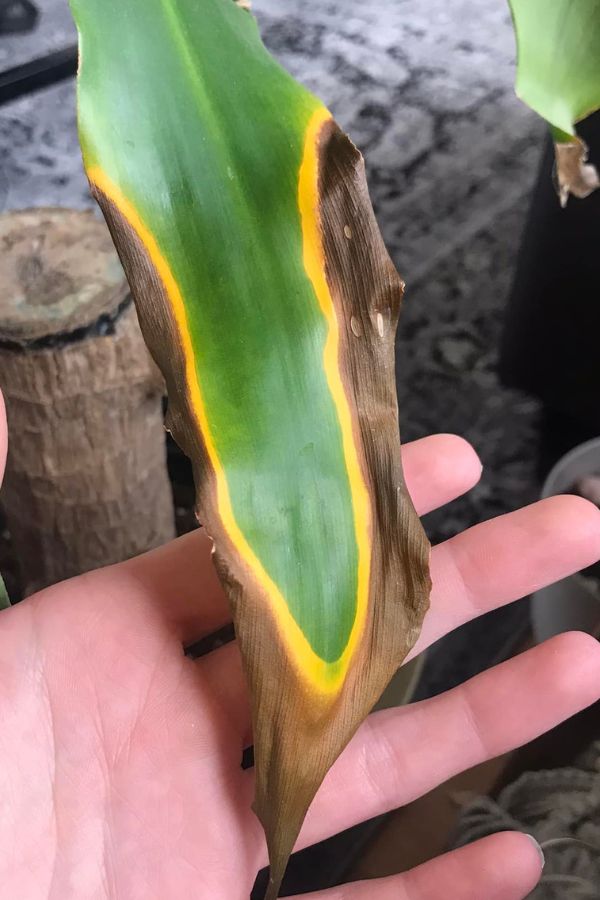
Corn plants prefer drought, but leaves can wilt without adequate moisture. To avoid this, it is important to maintain a good water balance throughout the year and to water the leaves.
Leaf irrigation, which involves spraying water as a mist on the leaves, is an excellent way to prevent spider mites, which can damage the plant.
Be sure to water the leaves regularly to prevent damage from insect pests.
3- Use fertilizers
If you want your corn plant to grow more vigorously, use fertilizer. The best time to apply fertilizer is during the growing season, from May to September. Slow-release chemical fertilizers or diluted liquid fertilizers are recommended during this time.
If you use a slow-release fertilizer, feed it once every two months. Liquid fertilizers should be applied once every two weeks. Avoid overfeeding with fertilizers as this can weaken the plant.
By providing direct sunlight, moisture and fertilizer, your corn plant will grow healthy and strong without wilting or dying.
Sharing is caring!