
If you purchase an item through links on this page, we may earn a commission. Our editorial content is not influenced by commissions. Read full disclosure.
Many sunscreen options are filled with dangerous chemicals that can help extend product life or increase SPF, but are also linked to cancer, endocrine disruption, infertility and other issues. health. That’s why you need to use chemical-free sunscreen.
Some information suggests that the toxins in sunscreens are also harmful to aquatic life. The effect of heavy sunscreens on coral reefs is still being analyzed, but it’s likely that those summer days of swimming in sunscreen have seriously affected our marine life.
There’s no point shielding your skin with something that harms the environment and will wreak havoc on your health. Here are some better options.
Sun exposure 101

When I was a kid, sunscreen was the easiest thing in the world. Mom coated us in something heavy and greasy from a plastic bottle and we went wild in the sun.
Later, in an effort to maintain my goth aesthetic, I found higher SPF sunscreens with more unpronounceable ingredients. Friends warned me that it might not be good for my health, but hey, neither were the clove cigarettes I smoked.
Everything changed when my sunscreen started clogging my pores. I would have liked to say that I learned to care about health and wellness for themselves, but in reality, my journey to chemical-free sunscreen started with good old vanity.
When I first started worrying about finding safe and sustainable products after the birth of my first child, I was already well versed in natural, chemical-free sunscreen.
The way people talk these days, it seems like the sun has always been our enemy. In fact, constant, unprotected exposure to the sun is an essential part of a healthy life. The sun is the best source of vitamin D. Our body produces this irreplaceable “vitamin” (more like a hormone) in response to sunlight on bare skin.
You can also get vitamin D from plants, to a much lesser extent.
Vitamin D deficiencies can cause everything from insomnia to heart disease. Healthy levels of vitamin D enable our bodies to maintain immune responses, reduce inflammation, and secrete melatonin. A lack of vitamin D breaks down all of these necessary functions.
The more we deny ourselves unprotected exposure to the sun, the less healthy we become.
But, of course, overexposure to the sun can cause skin burns, and constant and repeated overexposure to the sun carries its own health risks. Moderation is the key.
When it comes to sunlight, a balanced approach to sunscreen allows us to protect our skin and simultaneously maintain healthy vitamin D levels.
Avoid toxic chemicals
Mineral-based sunscreens with zinc often offer the best protection with the least risk. But there are a few chemicals you should be on the lookout for.
Oxybenzone
It was once a common ingredient in many consumer sunscreens. But thanks to popular demand, it has been removed for most of them. Keep an eye out for oxybenzone whenever you buy sunscreen. It is a known endocrine disruptor that is also linked to cell damage.
Homosalate
Unfortunately, homosalate is still commonly found in high amounts in chemical sunscreens. The European Union limits homosalate to no more than 1.4%, but in America sunscreens can contain up to 15% homosalate.
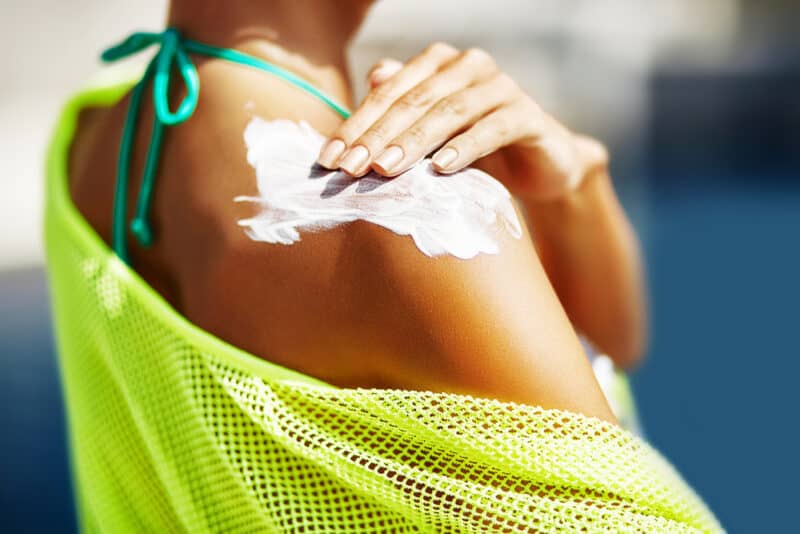
Fortunately, there are plenty of chemical-free options for safer sun protection. Mineral-based sunscreens provide a barrier against UV rays, but other options can also be part of your sun protection routine.
1. Natural sunscreens
Natural, mineral-based sunscreens can do a great job of protecting your skin from UV rays without the chemicals of conventional sunscreens.
Beware of sunscreens that only claim to be safe, however. Too many chemical-laden sunscreens use clean, green packaging to imply safety.
Natural and safe sunscreens contain non-nano zinc oxide or titanium dioxide. These two minerals constitute an effective UV barrier. Although some natural sunscreens use zinc or titanium nanoparticles, there are legitimate concerns about nanoparticles.
Because these particles are so small, your skin might absorb them. The absorption of zinc nanoparticles is linked to free radicals. Titanium dioxide nanoparticles are linked to DNA changes in the body. We don’t want any of those side effects, of course!
Fortunately, many companies that produce mineral sunscreens are determined to stay on top of research. Some of them have moved away from nanoparticles. Instead, they use larger (but still tiny) particles of zinc and titanium. This way the minerals are small enough to work effectively but large enough to avoid absorption.
Some good options
Try All Good Natural Sunscreen or Badger Sunscreen. Both of these brands are still safe and effective. Neither contains nanoparticles, and Badger has wonderful natural sunscreens and insect repellents that are fantastic for blocking UV light and mosquitoes.
DIY sunscreen recipes are also a great option. If you like to mix your own products, try this medically reviewed option for a simple and safe homemade sunscreen.
2. Protective clothing

Loose, covering clothing is a great way to protect yourself from the sun. Despite our love of skin-baring summer clothes, most people who spend their lives in the sun prefer clothes that cover them. The right clothing can provide excellent UV protection.
Choose darker colors like black, blue, or red, which block more of the sun’s UV rays. Wear long sleeves, long pants, or light, loose skirts and layers.
We tend to assume that it’s always more comfortable to wear as little as possible in hot, sunny weather. In fact, the opposite is true.
Long, loose styles protect your skin from the sun while allowing air to cool your skin. Keeping your skin covered in hot weather also helps your body retain moisture, which reduces water evaporation.
Some clothing brands are even certified by the Skin Cancer Association as effective for sun protection. Discover Land’s End, Coolibar and Athleta. When choosing UV protective clothing, don’t forget to look into sun resistant swimwear. Rashguards, swim shorts, and swim tights can protect your skin while you’re at the beach.
3. Hats and sunglasses

Hats aren’t as popular as they should be in the summer. There are few things more refreshing than a wide-brimmed hat when the sun is high in the sky. Hats and sunglasses are incredibly effective at protecting your sensitive eyes and face from the sun.
The skin on your face and neck is thinner and more prone to sun damage than the skin on your body. Protecting this skin from the sun is essential if you want to reduce the signs of aging and protect the health of your eyes. Wide-brimmed sun hats and sunglasses with a high ESPF (eye and sun protection factor).
4. Eat foods that support the skin
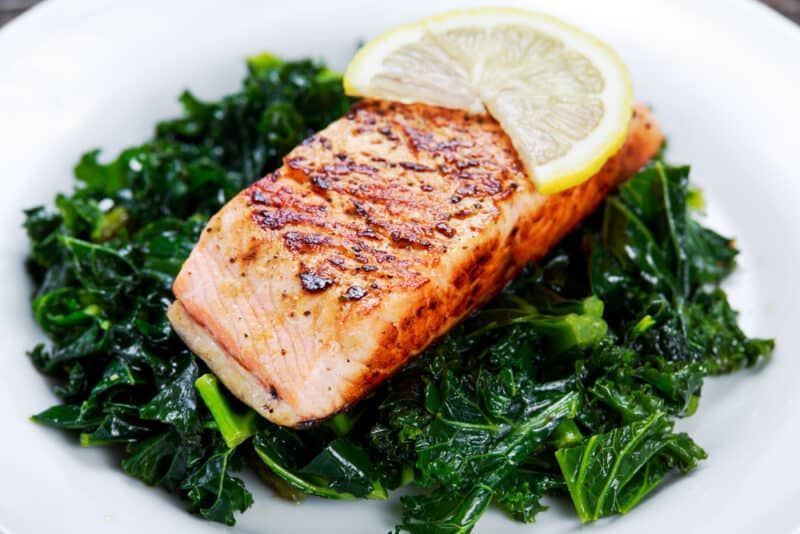
Of course, no food will protect your skin from the sun, but foods rich in antioxidants and omega-3s will help your skin cope with the sun in a healthier way.
Antioxidants reduce cell damage caused by excessive sun exposure, while omega 3s help provide sunburn protection by keeping your skin balanced and supple.
Try to include plenty of cruciferous vegetables, oranges, salmon, beef, and spinach in your diet. Avoid heavily processed foods and try to include raw, whole dairy products in your diet. Avoid eating large amounts of foods that increase sun sensitivity.
Foods like dill, lime, parsley, and celery can encourage your body to absorb more UV light. They also make it harder for your body to shield itself from that light. Herbs like St. John’s wort can also increase your sensitivity to light.
Save these foods for seasons when you won’t be spending as much time in the sun.
5. Avoid UV lamps
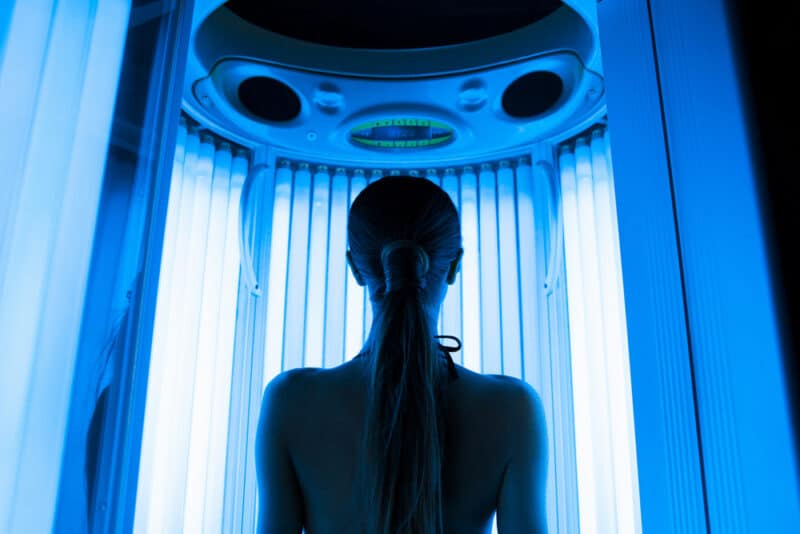
You may not know it, but the sun is not the only source of UV light in our daily lives. Tanning beds, fluorescent lamps, halogen lamps and welding equipment also emit UV rays. You can’t avoid all sources of UV other than sunlight, but you can work to minimize your exposure to them.
Avoid tanning beds and try to use shades and low UV lights like LED lights at home. LED lights produce very little UV light. “Warm light” CFLs also produce lower levels of UV light. They emit higher levels of UV light than fluorescent bulbs, but much lower than conventional fluorescent bulbs.
6. Choose the right time to enjoy the sun

The strength of sunlight varies throughout the day and year. The sun’s rays damage the skin the most between 10 a.m. and 4 p.m. If you plan to spend a lot of time in the sun, try to choose late afternoon or early morning hours.
Of course, if you’re trying to spend just a little time in the sun to boost your vitamin D, go outside at noon. The sun’s rays are most intense at noon, which means you need less time in the sun to produce a good amount of vitamin D.
So if you’re working on a big outdoor project or heading out to the lake, try to do it early in the day. But if you spend most of your day indoors, take a “sun break” at lunchtime. Sit on a sunny bench and absorb the vitamin D for about 10 to 15 minutes.
Was this article helpful?
Yes No ×
We appreciate your helpful feedback!
Your response will be used to improve our content. The more feedback you give us, the better our pages will be.
Facebook pinterest