
If you want to give your garden some curb appeal in the colder months, Have you ever thought of Sesleria autumnalis? Do you know what plant we are talking about?
Learn more about this winter plant to make your garden shine with its silvery inflorescences. Do we find out?
How is Sesleria autumnalis
Source: Pinterest
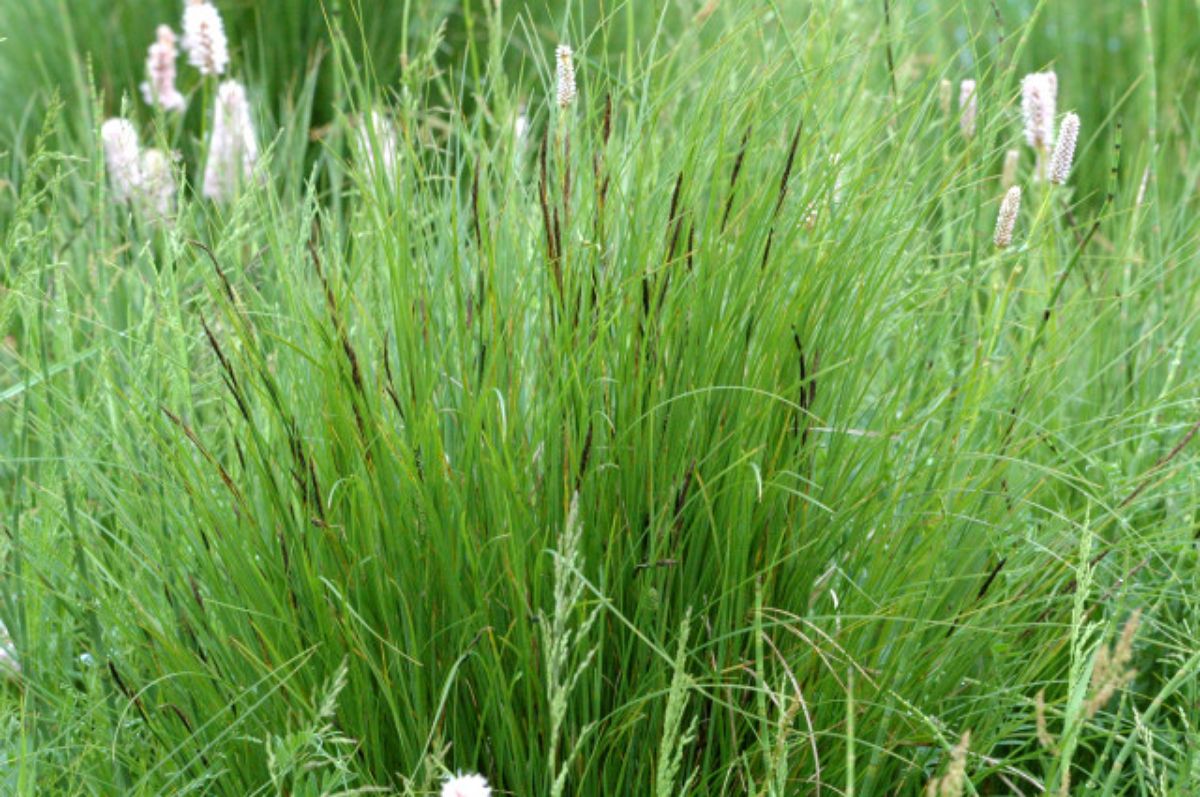
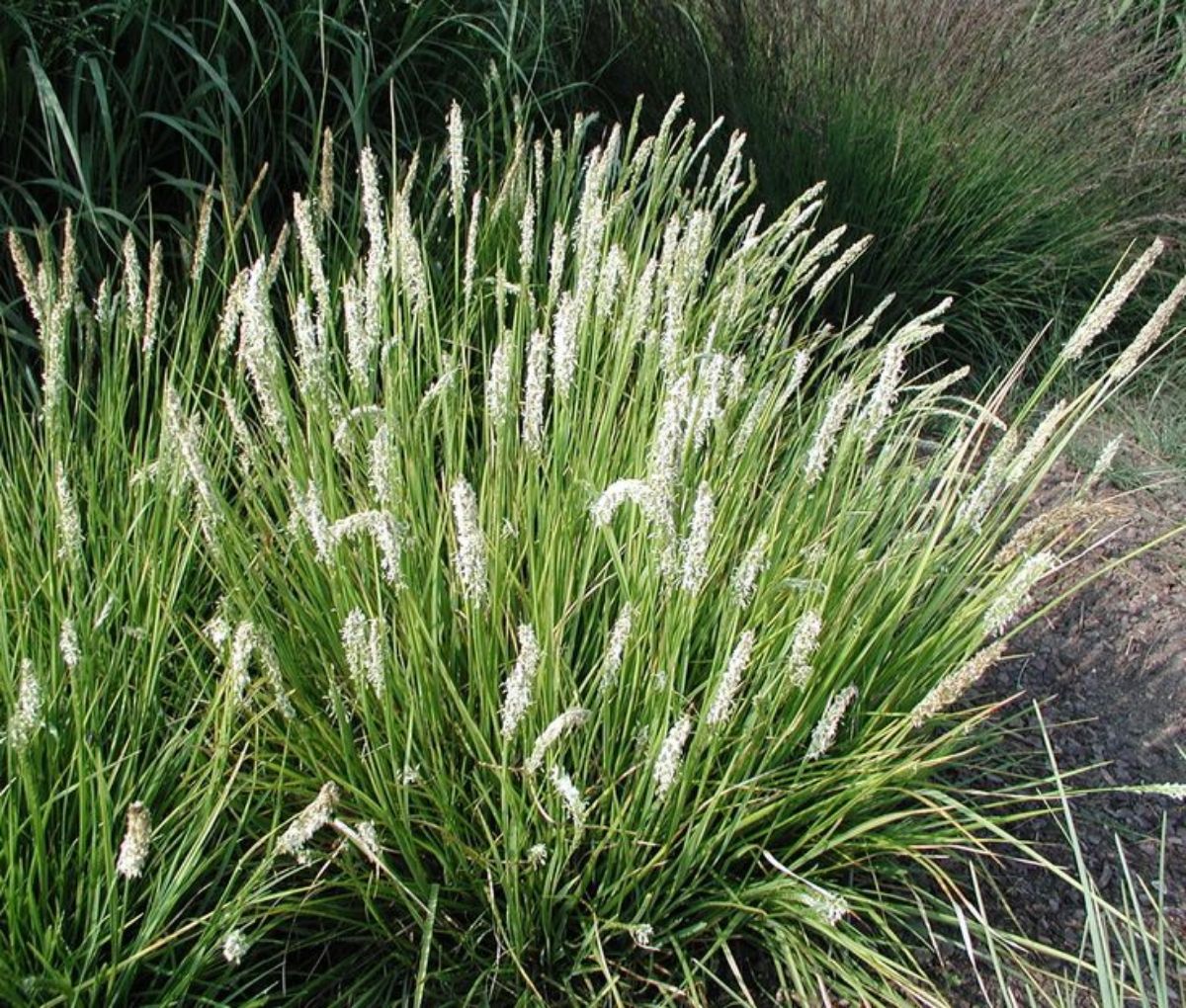
Sesleria autumnalis is a grass also known as autumn heath grass. It is a grass that grows grouped in bushes, about 30 centimeters high. Depending on the climate, we could say that it is perennial or semi-perennial. Its leaves are rigid and green or bluish green in color and can measure about 25 centimeters.. These form clumps that can give rise to different shades.
It originated in Italy and Albania, but is currently distributed in almost all of the world. Even so, in its natural habitat, it is found in mountainous forests.
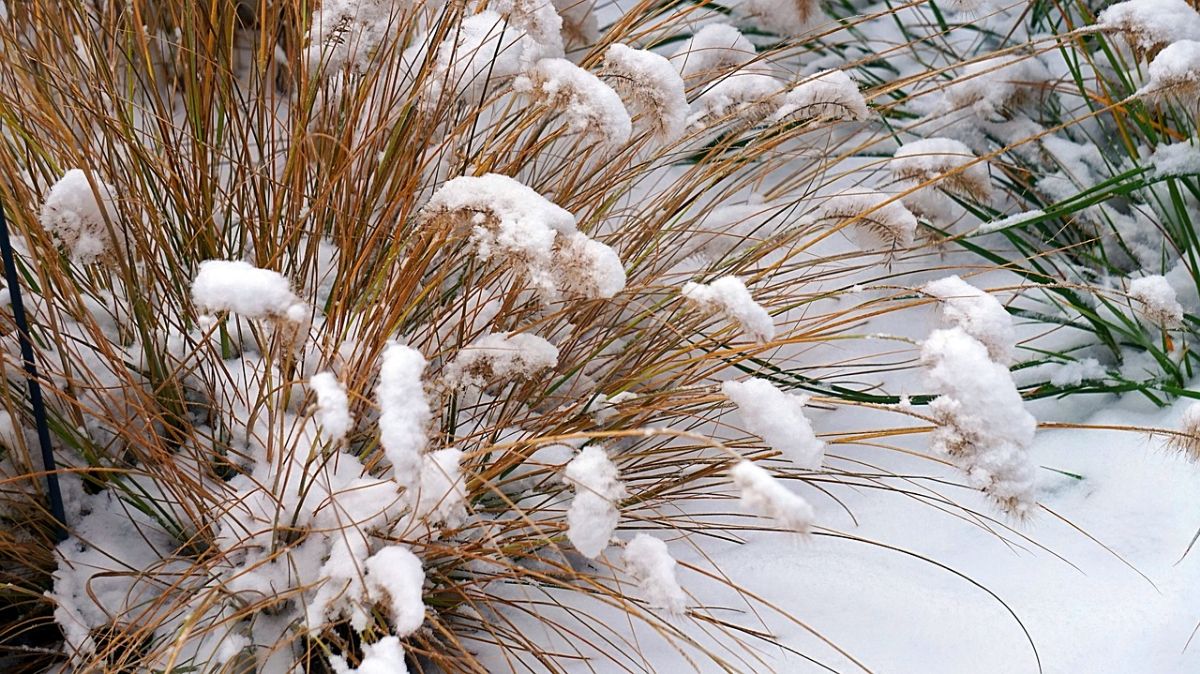
In late summer and early fall it is common for it to bloom. To do this, it produces spikes, which will reach 45 centimeters in height. (more than the plant), greyish-white with buds pollinated over time. These golden colored buds (full of elongated seeds) are stored over winter, to be harvested at the end of it.
Sesleria autumnalis treatment
Source: amateur planter
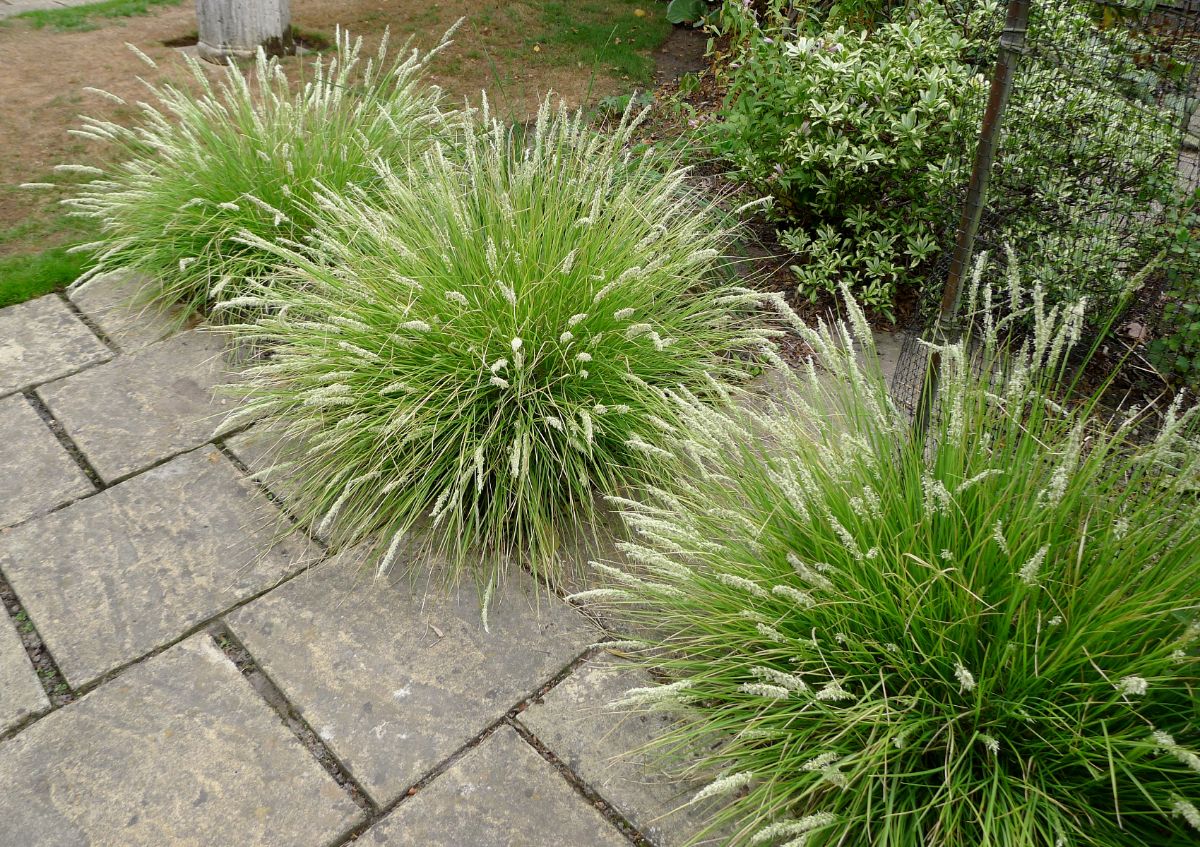
As you can see, this Sesleria autumnalis can be a good alternative for your garden during cold months (or if you live in a mostly cold climate). But, Did you know how to take care of it? We start from the fact that it is very easy to maintain and maintain. It does not cause problems to have with other plants and it is not demanding in terms of needs.
But, so that you have a care guide for Sesleria autumnalis, we leave it here:
location and temperature
The first thing you need to know about Sesleria autumnalis is that it can be kept both in pots and in the ground.. Normally, it is planted directly in the ground because, being a ground cover, it can create a beautiful garden. But just so you know you can have more control in a pot.
That being said, Sesleria autumnalis is a plant that likes warm weather (at least in its natural habitat) but adapts to anything. Of course, it’s to have it abroad, since requires good lighting, even direct sunlight, for it to be nourished. This does not mean that it cannot be placed in partial or full shade, it can, but its growth, and even its flowering, will be much less so.
If you place it in full sun, you need to make sure that for at least six hours it has that direct sun for the plant. On the other hand, if you put it in partial shade you must give it at least four hours of direct sunlight. If you live in an area where the sun burns a lot in summer (temperatures above 40°C) we advise you to put it in partial shade and give it light at the start of the day or at the end of the afternoon. .
As for the temperature, the cold is perhaps its “strong point”, since it can withstand temperatures of -25ºC. On the other hand with the heat it has some problems because an environment too hot, arid, etc. If the rest of the care it needs is not taken care of, it could be deadly for the plant.
Substrate
Sesleria autumnalis is not a very demanding plant in this respect. The truth is that it adapts to everything. But if you want to give it a substrate that really brings out the best in the plant, then our recommendation is that you are looking for calcareous soil.
In a pot, you can mix it with perlite or other drainage to better oxygenate the soil. But in the case of the garden, this may not be necessary.
This plant is relatively slow growing, so you may need to repot it every four years or so. In fact, what is usually done is to divide it, so as to eliminate the new plants.
Irrigation
We are not going to tell you that Sesleria autumnalis is a plant that requires a lot of watering. Because it’s not like that. But we can’t tell you that it tolerates droughts very well when they last a long time. And it is that you must have the soil a little damp.
It is resistant to drought but it must be taken into account that during the dry period (spring and summer) it needs enough water to stay green. Otherwise, if you run out of watering, the most normal thing is that you see how its green color turns into brown.
No, it won’t be dead, but you will lose the characteristic green it has.
For that, we recommend, in spring and summer, to water it 2 to 3 times a week. In winter, little water will be needed, especially if it rains, being able to water it once a week.
Once established (i.e. after a few years), it is normal for it to be able to withstand more dry spells. However, in young specimens this does not occur.
Subscriber
This center does not require an additional subscriber. The truth is you don’t need it.
Size
It is advisable, at the beginning of spring, to prune it a little, even at ground level, to encourage its growth and bring it out with more force. It will also help you to be able to comb and rake out faded leaves and flowers. or that they are dead and you will remove any dirt that may be on the plant.
During this spring and summer it will regrow and become vigorous again to bloom again in winter.
Multiplication
Sesleria autumnalis is a plant that can reproduce thanks to the seeds that you can collect at the end of winter (and plant them in the spring so they will thrive in those months and in the winter they will bloom for you), or by dividing the bush.
It is the latter that is generally practiced, especially when kept in pots. If you have some in the garden, it’s okay to let nature take its course. That is to say, it expands on its own.
As you see, Sesleria autumnalis can be a good choice for your winter garden this will give it a greenish appearance with a very striking touch with other plants. Do you dare to have it and take care of it?