The curlew is a nocturnal bird that usually prowls waste places or orchards in search of food. He is also known as Pedro Luis for his characteristic way of singing. Today we will learn about this interesting bird that is beneficial for the garden.


Encounter with the curlew
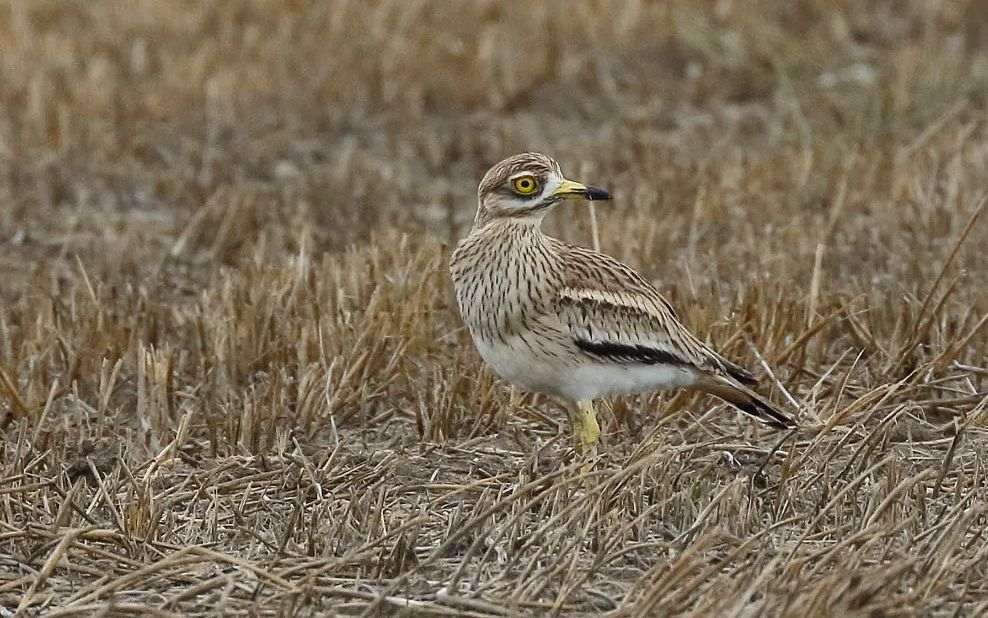
The Eurasian Curlew is a chicken-sized bird with wading yellow legs. The plumage is in shades of brown, black and white, we can say that it is a camouflage because it is difficult to see it if it does not move. It prefers to walk or run on the ground, only taking flight when threatened. The most striking thing about this bird is its large yellow eyes. It is a migratory species well distributed in Europe, Asia and Africa. And usually lives in dry meadows and steppes.
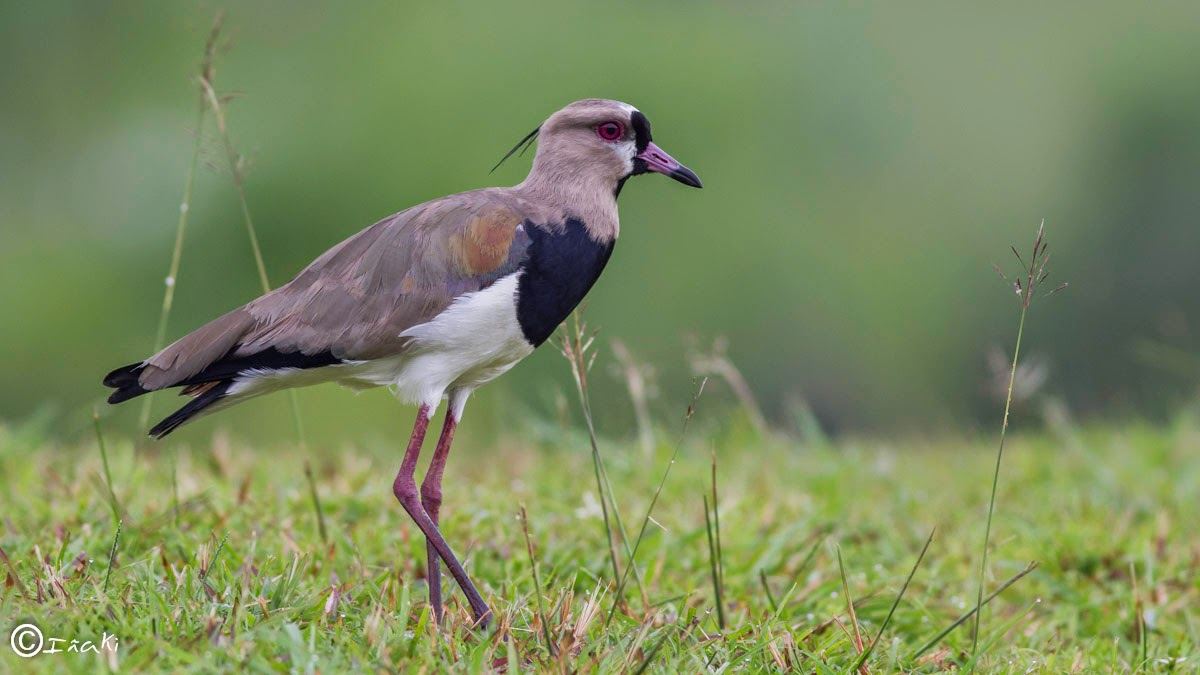
In South America, there are other species of stony curlew such as the lapwing.
Curlew life cycle
The curlew is generally a solitary bird that travels at dusk and at night. In the spring, the breeding period begins and the males can be seen strutting in front of the females offering them various items as gifts. After mating, the male and female dig a hole in the ground where 1-3 eggs are laid. The incubation time is about 1 month. The pair searches for shells, stones and other objects which they place in the nest area so that the eggs go unnoticed. The newborns camouflage themselves very well and if they feel threatened they remain crouched on the ground without moving, hoping not to be seen.
Adult curlews may use a variety of tactics to defend the nest, such as pretending to be injured for the potential predator to chase them away, singing with their distinctive Pedro Luis sound as a warning, and even jumping on predators to bite or stick the spurs that they own.
Diet
Curlews are very useful in the garden as they feed on a large number of invertebrates such as beetles, grasshoppers, cockroaches, centipedes, snails and slugs. They may also eat other animals such as frogs, small reptiles, voles or mice.
If you find broken snail shells on your farm, it means there is probably a stone curlew having nightly feasts. Another clue is also that remains of snail and centipede shells can be seen in their elongated droppings.
sensitization
The stone curlew is considered an endangered bird due to extensive agriculture and construction. It is protected by law and there are several projects for its conservation. If you have this bird in your garden like me, consider yourself lucky. If you see curlews in the field, avoid approaching them as they may have nests on the ground and you risk stepping on their eggs. Another thing not to do is to pick up the eggs with their hands because the parents usually hate them and abandon them.
What do you think ? Was this article helpful to you? Yes Do you have doubts Where do you want leave a comment you can enter the forum and if it works for you you can still support the channel with a donation or help me spread it by sharing it on social media. If you want to follow me, here are some of the social networks I use Facebook , instagram , pinterest That is subscribe to my youtube channel
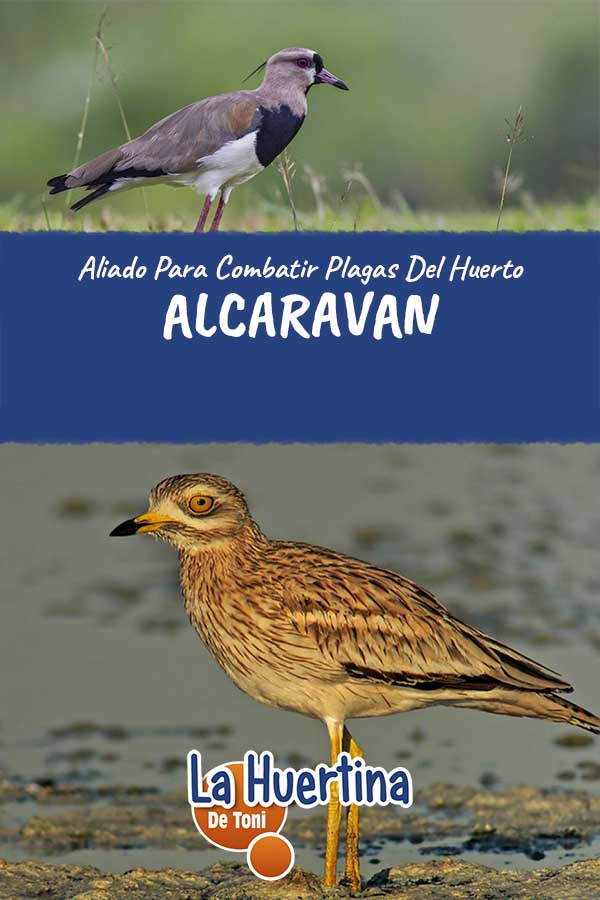
HERE I LEAVE YOU A POSTER IN CASE YOU WANT TO SAVE IT ON PINTEREST