
Some of the links in the post are affiliate links and I receive a commission for purchases made through some of the links in the post.
Air pollution has long been a topic of interest to researchers around the world.
They wonder how to deal with this scourge that threatens the future of humanity.
However, it turns out that outdoor plants can help combat this menace. And for this you can rely on a combination of indoor and outdoor plants.
You can even expand and plant trees in your garden for maximum effect, as we will see in this article.
Do outdoor plants reduce air pollution?
Yes, outdoor plants reduce air pollution. However, that’s the point. People spend most of their lives indoors, about 80% of their lives.
Think about it. You sleep at home, train at the gym, shop at the supermarket, work at the office, meet friends at the restaurant, etc.
Most of these areas are fenced off so that the air in these areas contributes to your health.
Studies show that millions of people die prematurely due to indoor air pollution. Think about it.
 Indoor pollution is a mix of airborne pollutants like carbon dioxide and dust, as well as indoor pollutants like paint, mold spores, and other allergens.
Therefore, going out alone is not enough, and you must also think about protecting your interior.
Both outdoor and indoor plants, or all living plants in general, work to remove pollutants from the air and thereby improve air quality.
They are also easy on the eyes and have been shown to improve people’s moods, reduce stress and have a positive impact on productivity.
How do these plants improve air quality? They simply do this by:
Photosynthesis
Plants depend on carbon dioxide to make their food, and a byproduct of this process is oxygen.
sweat
Did you know that plants breathe? In addition, they release water vapor into the air, increasing humidity and making the environment much more bearable.
Absorption of contaminants
Plants also absorb pollutants on the surface of their leaves and roots.
Many studies have looked at the plants best known for their benefits. In our case, we classify them by size: small, large and trees.
Note that smaller plants are also suitable for growing indoors, which can improve the air in your home. We are going there.
Top 5 Small Outdoor Plants That Reduce Air Pollution
The plants below are suitable for both indoor and outdoor planting.
Their small size makes them ideal for those looking to add natural beauty to interior spaces.
Here are some options you can choose for small outdoor plants that will reduce air pollution:
lady palm
This small evergreen has bamboo-like canes and does well in hardiness zones 9-11 and heat zones 10-11.
It is one of the easiest plants to grow and is a common houseplant. It reaches a height and width of fifteen feet and has low watering and maintenance requirements.
You can use it in containers or plant it in hedges and screens.
english ivy
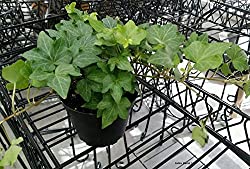
If you have shade in and around your home, this evergreen perennial is a good choice.
It can grow like a vine or follow ground cover, showing its adaptability.
It also helps that it grows quickly in hardiness zones 5-11 and heat zones 6-12, reaching thirty feet tall and fifty feet wide.
gerbera daisy
With an elegant evergreen aesthetic, this popular annual is a welcome addition to any space.
The gerbera daisy It thrives in hardiness zones 8-11 and heat zones 6-11 and does well in full or part sun. Height reaches two feet with a two foot spread in the right conditions.
Given its appearance, this plant does just as well in containers as it does in flower beds and borders. You can also use it for borders.
variegated spider plant
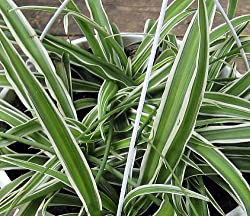
This perennial ornamental is relatively easy to grow and does well in hardiness zones 9-11 and heat zones 10-11.
It can reach heights and spread over two feet, even in drought conditions, as it is low maintenance.
passover flower
This Christmas favorite has modified red, pink or cream colored leaves that open from winter to spring.
The passover flower it does well in hardiness zones 9-11 and heat zones 10-11, growing to three feet tall and seven feet wide.
They are ideal for use in patio containers, but are also suitable for use as a hedge in areas where frost is tolerable. You can also use them as indoor plants.
Top 4 best factories to reduce air pollution
If you have room in your home or garden, you can choose to plant taller plants that can grow to great heights without distracting from the natural view. Among which:
peace lily
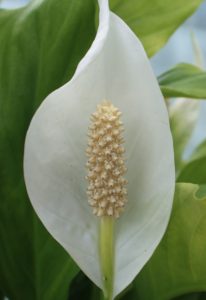 According to NASA reports, this plant has high absorption properties and surpasses its competitors in this regard.
A peace lily It does well in hardiness zones 10-11 and can reach a height of four feet with a spread of six feet.
Grooming practices are to keep the soil moist and an average humidity of 25% to 49%. Please note that this plant may be toxic to humans and pets if ingested.
golden pothos
This species has a large number of names. What remains, however, is the ability to filter pollutants from the air.
Plus, it’s relatively easy to grow and maintain, making it a good choice for beginners. It does best in hardiness zones 10-11 and can reach heights of up to sixty-six feet in the wild!
For more information on golden pothos, see our article on the Hawaiian pothos versus golden pothos.
snake plant
If you want clean air without spending a lot of time on plant care, this plant will work. The snake plant it requires minimal maintenance and always gives you the air quality you want.
It does well in hardiness zones 9 to 11 with indirect sunlight, where it can reach heights of four feet and spread up to three inches.
boston boating
Here is a trick with this plant. If you want it to do an exemplary job, move it to the bathroom where the humidity will do its magic.
Otherwise, it does well in hardiness zones 9 through 11 and can reach heights of seven feet in its natural habitat.
For more information on Boston fern, see our article on: What Are the Benefits of a Boston Fern?
The 3 best trees to reduce air pollution
Did you know that forests absorb a third of global emissions every year? These include pollutants such as gases, odors and particles that settle on tree leaves.
These are taken up by the stomata of the leaves. In addition, trees are also responsible for retaining heat and contribute significantly to the oxygen content of the environment.
Given the rapid rate of deforestation, it may be a good idea to plant trees in your garden to purify the air. Here are some great examples:
norway maple
This tree has been shown to absorb up to 3,800 pounds of carbon dioxide in just 20 years!
It can grow up to fifteen feet and spread at that height, making it an excellent shade tree. In summer it has dark green leaves, which turn yellow in autumn.
To ensure it grows well, grow it in zones 3 to 7 in partial shade or full sun so it receives adequate moisture.
It is not too picky about soil conditions and can do well in sandy, loamy or loamy soils with a pH of 3.7 to 7.
silver birch
Some tribes, such as the Celts, consider this tree sacred. It can absorb up to 3,100 kilograms of carbon dioxide over 20 years, making it a great way to remove pollutants from the air.
It grows to a height of forty feet and spreads to about thirty feet. As such, it is also useful for shading.
Grows well in medium to moist, well-drained soils in full sun to partial shade. It can thrive in most soils and can even tolerate some dry soils. However, it will thrive best in moist soil.
Given its low maintenance requirement, aside from the occasional pruning, this tree is ideal for those who prefer to sit back and watch their plants thrive in natural conditions.
turkey oak
This tree resembles the white birch in that it absorbs an average of 3,100 kilograms of carbon dioxide over 20 years.
It can exceed its predecessors in the height to which it grows, as it can reach up to twenty meters with an even distribution. So if you’re looking for shade, this tree might be for you!
It does well in hardiness zones 6-9 and heat zones 7-9 with full sun exposure. Water requirements are low, as are maintenance requirements. Preferred soil types are chalk, sand, clay and silt.
Where should these plants be placed to minimize air pollution?
 NASA researchers have suggested that you can effectively clean the air by having one plant per 100 square feet.
This recommendation would be a good starting point to avoid cluttering an interior space.
For outdoor spaces, you can cram the plants in as much as you want so they get the nutrition they need. What will be your choice ?
Happy gardening!
Before you go, here are some more related articles that I encourage you to read below to solve more of your gardening problems:
Top 15 Houseplants With Red And Green Leaves
Top 10 Indoor Plants for Aquaponics
The 7 best shrubs to plant at home
Top 5 small trees with non-invasive roots
Written by: Daisy Njeric