

The prickly pear is a cactus that could be considered very, very hardy. In fact, it is considered invasive because it spreads quickly both by seeds and, especially, by cuttings. When a “leaf” breaks off and falls to the ground, it takes few days to produce its own roots. But since it has edible fruits, the so-called prickly pears, it is a plant that can be grown in orchards and gardens.
The problem is that, yes, it has a great capacity to adapt to different environments, but it is very vulnerable to attack from a particular pest. It’s not that it’s capable of ending its life unless the cactus is very young or already weak, but it’s the one to watch out for. So if you wanna know what is prickly pear diseaseSo I’m going to tell you about her.
What is prickly pear disease called?
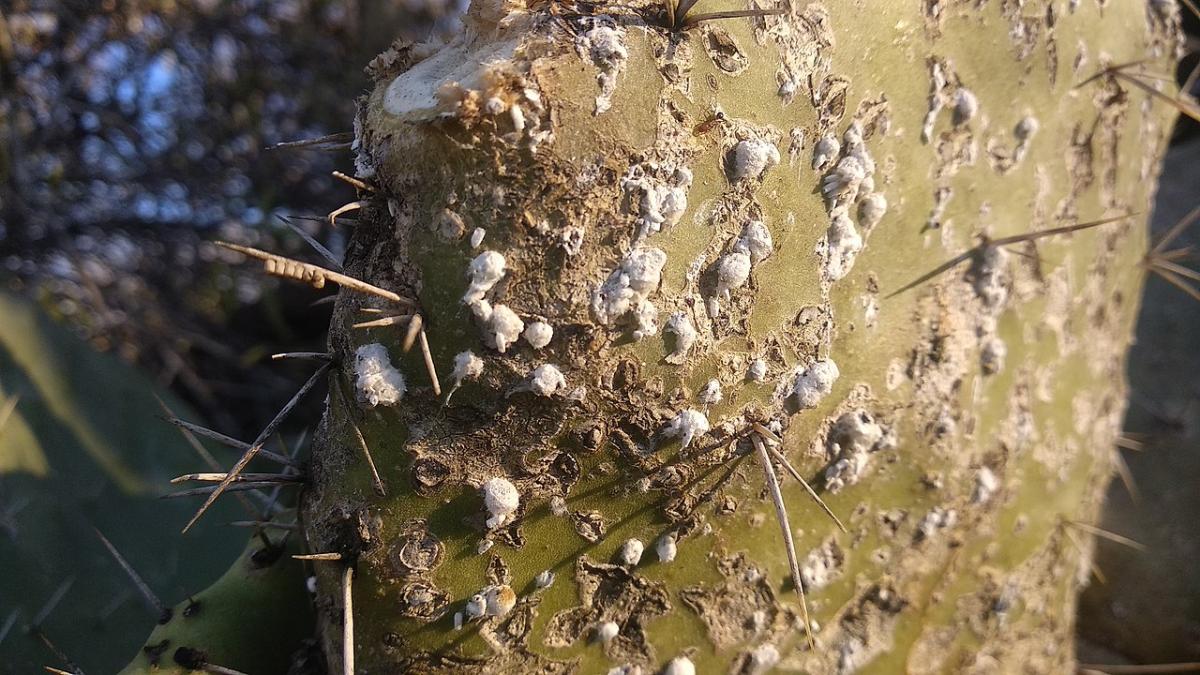
Image – Wikimedia/אודי אורון
It is difficult for prickly pears to get sick, but as we said, there is a plague that affects them and which can be serious: his name is cochineal. There are many types of scale insects, and there are two that harm these cacti: Dactylopius opuntiae Yes Dactylopius cockle.
Although these had already been in Spain for a few decades, it was not until the first half of the 2000s that they began to cause serious problems for the different populations of prickly pears found throughout the country, especially those in the Mediterranean region.
What are the symptoms and damage it causes?
It is important to recognize the symptoms so that it is easy for us to identify the pest. For him, of these mealybugs, you should consider the following:
- They look like cotton, and they are also very fragile.
- They stick to the leaves and feed on their sap.
- As a result, the cactus weakens.
- In very severe cases, this can lead to death.
What is the treatement ?
There are several ways to remove scale insects from prickly pears. But before telling you what they are, let me tell you something very important: this is a pest that can be difficult to eliminate; that is to say, it is normal that several treatments must be carried out before ending the problem. Now, that’s not impossible either.
Here are several remedies for scale insects on these cacti:
kill them with beer
If your prickly pear is young and therefore small, I recommend treating it with this liquid. For it, you need to dip a brush (the kind used to paint walls) in beer, then apply it to the plant.
It is extremely important that it is done this way, because in the event that, for example, cotton is used, there is a risk of getting a few thorns stuck in the hand.
Clean the cactus with dish soap
Whether Fairy or otherwise. Simply dilute 2 to 3 ml of dishwashing liquid in 5 liters of water. Stir well so that it is completely mixed, then apply it to the prickly pear using a sprayer or sprayer.
Of course, think you have to do it when it’s not in direct sunlight, otherwise it will burn, and therefore, it will have a bad time.
Treat it with diatomaceous earth
Diatomaceous earth is a very effective natural insecticide against many pests, such as scale insects, aphids or mites. It’s quite reminiscent of flour, but it’s lighter. Leaves no residue and is non-toxic (although in my own experience I recommend wearing rubber gloves before touching it, because if you have a wound, no matter how small, you may feel itchy or irritated upon contact with the product).
The method of use is simple: when it is no longer exposed to the sun, pour water on it, then take diatomaceous earth and pour it on the cactus. You will see that after a few days the plague will disappear. Buy it here.
Apply a mealybug insecticide
Sometimes, if the plague is very advanced, it is better to treat the cactus with a mealybug-specific insecticide. Now well, it is recommended that it be a spraylike this one, because it is much easier to apply, and also safer.
Likewise, you must follow the instructions for use, which can be found on the same product packaging. This way we will get good results.
Can prickly pears be prevented from catching cochineal?
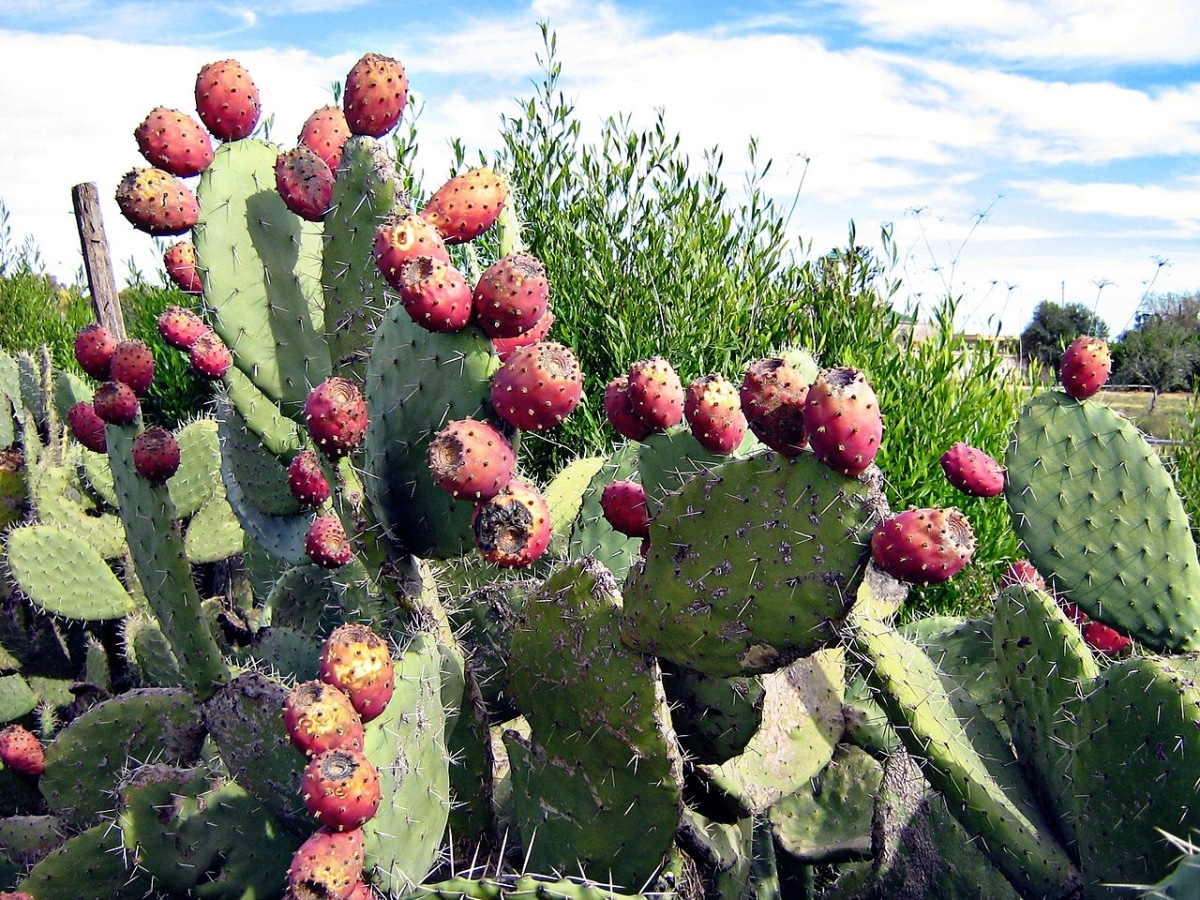
Image – Wikimedia/Victor Korniyenko
Mealybugs are pests very favored by heat and drought. Therefore, it is common to see them during the summer. Now, it’s hard to stop the prickly pear from ending this pest, but it’s not impossible. It’s more, if we keep it well maintained; that is, if we try to water it from time to time and fertilize it when it touches itself, we will ensure that it is healthy.
In addition, if we carry out preventive treatments with, for example, diatomaceous earth, we will make it grow better, without having to worry about this pest.
As you can see, prickly pear disease is a disease that, although not usually fatal, can significantly weaken the cactus.