
If you purchase an item through links on this page, we may earn a commission. Our editorial content is not influenced by commissions. Read full disclosure.
Do any of your food plants look shrunken and sad on the top? Then you might be dealing with a curly top virus. Although we often find it in tomato plants, it can affect hundreds of different species.
Management is difficult, so it’s a disease you really don’t want to deal with.
Here’s how to identify it and what to do if and when it appears in your garden.
What is the Curly Top Virus, exactly?
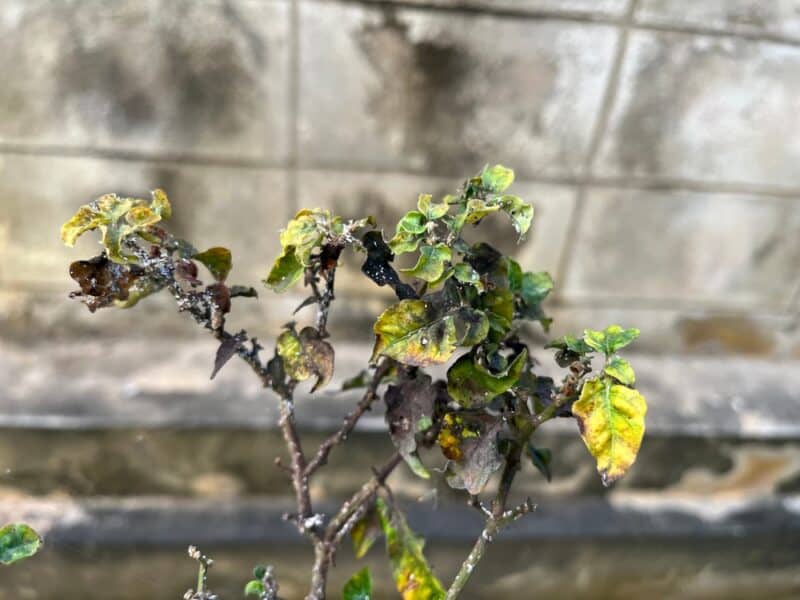
Curly top is caused by a kind of virus called Curtovirusof Geminiviridae family. These viruses are usually spread by leafhoppers, especially the beet leafhopper (Circuliferous tenellus).
Yes, these little buggers infect so many beet plants that they are actually associated with this particular species.
That said, the curly top virus is not limited to beets. As mentioned earlier, it strikes tomato plants quite hard, but also affects sweet and hot peppers, spinach, beans, peas, cucumbers, squash, melons and root vegetables such as radishes, horseradish, turnips and rutabagas.
It first manifests as discolored, yellowish, mottled upper leaves on your plants. As these plants mature, their growth form will be stunted: they will often grow into bushes instead of tall. Then, as the name of the virus suggests, these upper leaves will curl into shrunken, fist-like shapes.
How to treat it
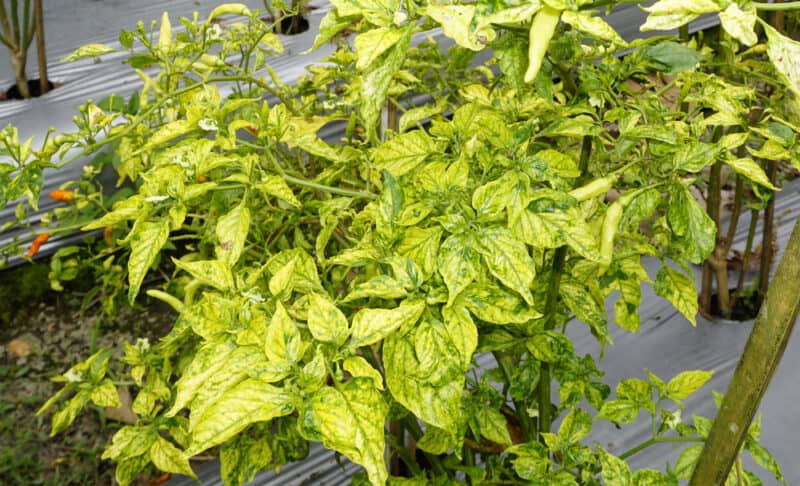
There is no cure for the curly top virus, so your only bet is preventative measures.
For one thing, leafhoppers prefer to overwinter in Russian thistles and mustard plants. If these are not available, they will nest in available thistles and cruciferous plants.
These can include milk thistle, blessed thistle, wild garlic mustard, or old Brussels sprout canes, to name a few.
Once the growing season is over, be sure to clean your garden thoroughly. “Tear down” the garden by ripping or cutting off any remaining plant matter. Then, rake everything well, turn the soil and lay in amendments or green manure as needed.
This will eliminate the leafhoppers’ favorite nesting sites and they will likely go elsewhere.
Plant strategically
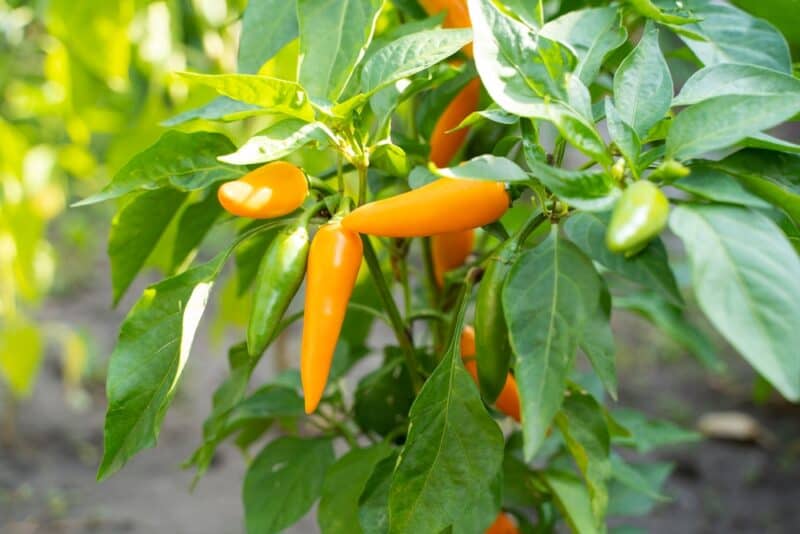
Leafhoppers like to feed in full sun and thus avoid plants grown in more shady locations. This isn’t ideal for fruit-bearing plants such as tomatoes and peppers, as they require several hours of direct sunlight, but it can work for shade-tolerant plants such as peas, beets, and vegetables. -leaves.
Try to keep your soil at a pH of 5.5 to 6.5, don’t add too much nitrogen, and make sure your plants are well watered. Periods of dehydration can make them more susceptible to damage from the curly top virus.
Choose resistant plants
Also, try to choose disease-resistant plants. Always buy seeds and seedlings from reputable growers, and if you buy seedlings, take a good look at their leafy tops. If you see any signs of curling, please do not purchase them.
The same is true if you get scions or cuttings from friends or family members. Carefully inspect the mother plant before taking cuttings, and if you see any signs of potential infection with the curly top virus, do not take anything from that plant!
The virus will likely have spread throughout the plant by then, and anything you grow will be affected as well.
Use Protection
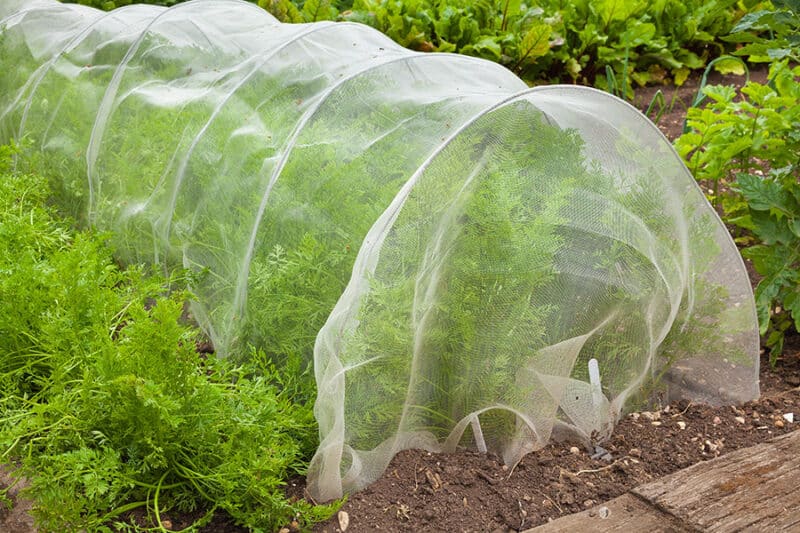
Do you know that people use fine mesh in floating covers to protect crucifers or fruit shrubs? It is also remarkably effective in protecting against leafhoppers. Your plants cannot be infected with the curly top virus if the insects responsible for spreading them cannot get near them!
Also, avoid growing beets (especially sugar beets!) or mustard near your other plants. These are favorites of leafhoppers, and they will congregate on these plants before wiping out everything else nearby.
be ruthless
If and when you find plants that are affected by the curly top virus, be ruthless with them.
Even if the leafhoppers are not currently on these plants, they may have laid eggs on the leaves. As such, be sure to uproot all those plants and burn them. Don’t just compost them or bury them: the eggs will still hatch and offer a new generation of leafhoppers to make your life hell.
Once done, clean up any debris from the surrounding floor and turn it all over. Then, rotate the crops so that you don’t grow anything for two to three years.
Good options for planting there would be perennial vegetables like asparagus and Jerusalem artichokes. Also, make companion plantings with flowering yarrow, dill and chives: they attract lacewings, which feed on leafhoppers and will lower their populations.
There will always be challenges in growing food, and the curly top virus is no exception. Fortunately, by following these tips and being diligent about prevention, you should be able to mitigate potential disasters. Good luck!
Was this article helpful?
Yes No ×
We appreciate your helpful feedback!
Your response will be used to improve our content. The more feedback you give us, the better our pages will be.
Facebook pinterest